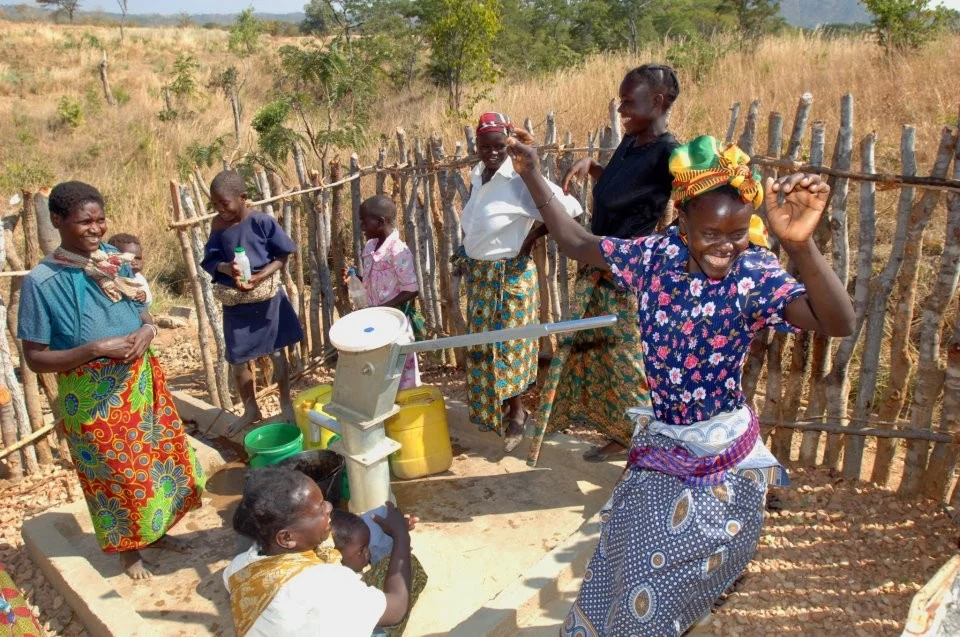
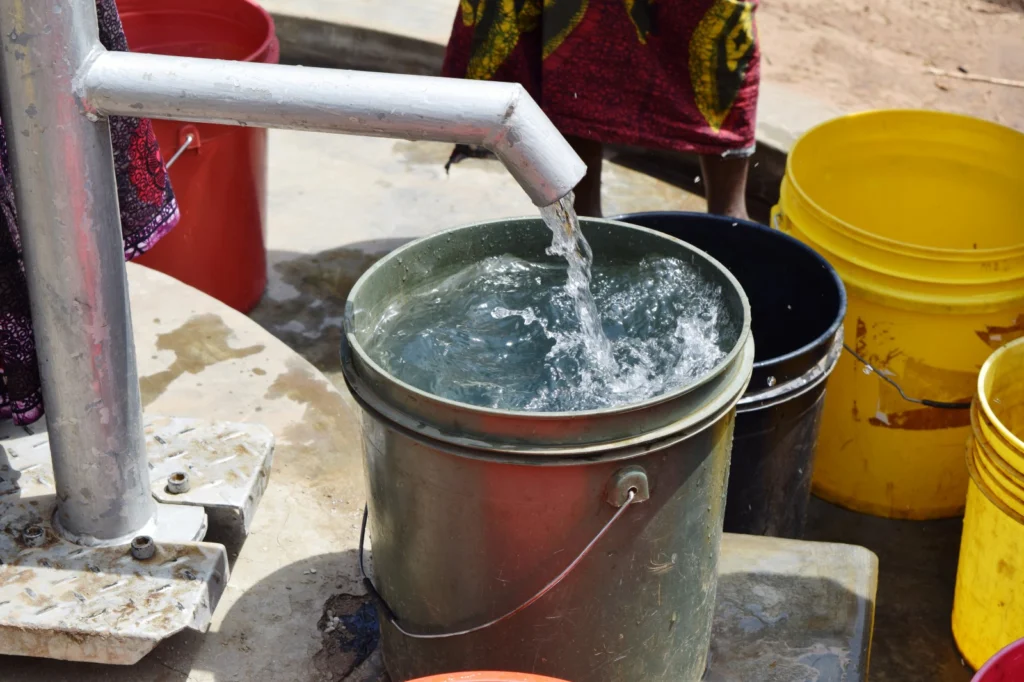
How can an understanding of geology support and strengthen international development? #1 – Through the provision of clean water, dignified safe sanitation and hygiene training (WASH). The expert knowledge of hydrogeologists is essential if effective, sustainable projects are to be completed. Effective and sustainable WASH projects can improve education, health, income generation, the quality of …[Read More]
Retired blogs
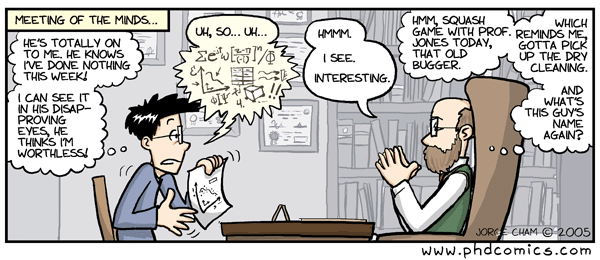
Making guidelines for graduate students
I strive for effective, compassionate supervision and I clarify my goals, approach and expectations in my guidelines for graduate students (available here, from McGill’s best practices in supervision). As I wrote, most students enter a relationship with a thesis advisor without a clear idea of what they can expect so I compiled this handout to …[Read More]
HFA2: Some take home messages from Sendai…
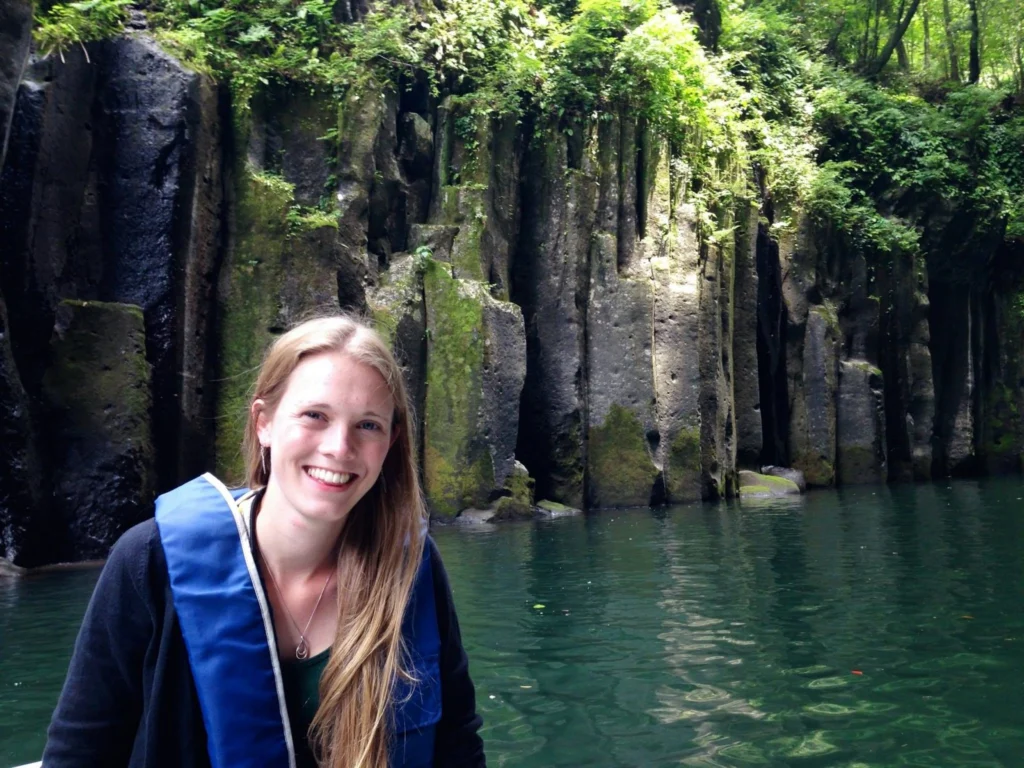
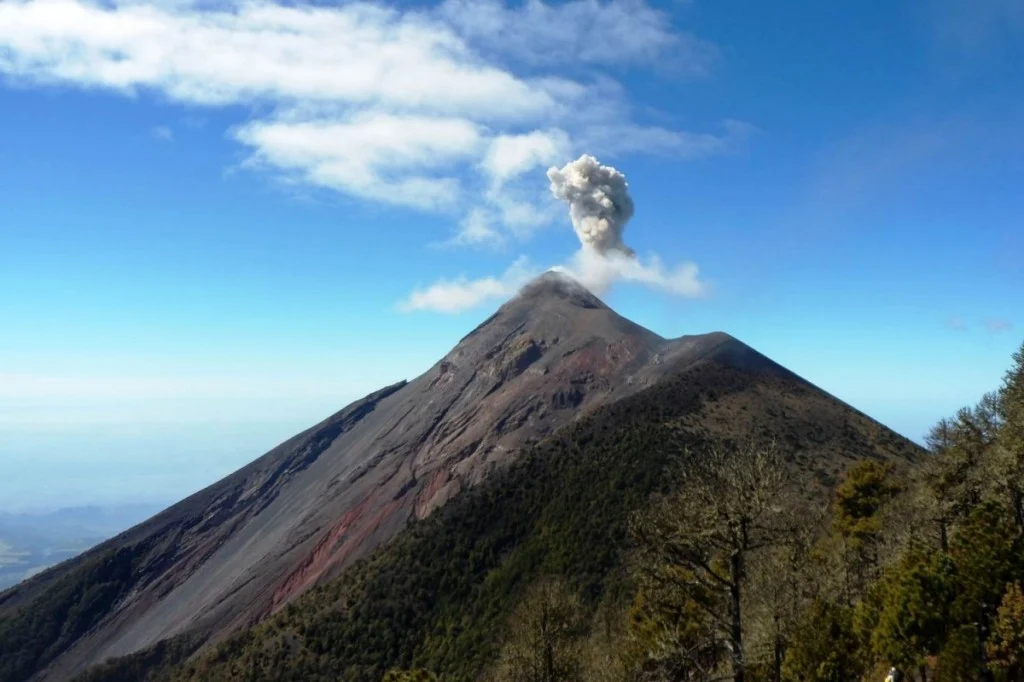
Clare Sweeney is the latest recruit to the GfGD Blog team – focusing her columns on all things related to geohazards and disaster risk reduction. Clare is a recent graduate of Bristol University’s Masters Programme in Volcanology, through which she spent time in both Guatemala and Japan. Today Clare reflects on the recent World Conference for Disaster …[Read More]
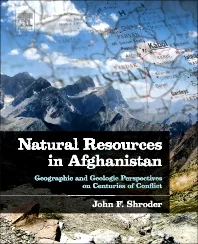
Book Review: Natural Resources in Afghanistan – Geographic and Geologic Perspectives on Centuries of Conflict
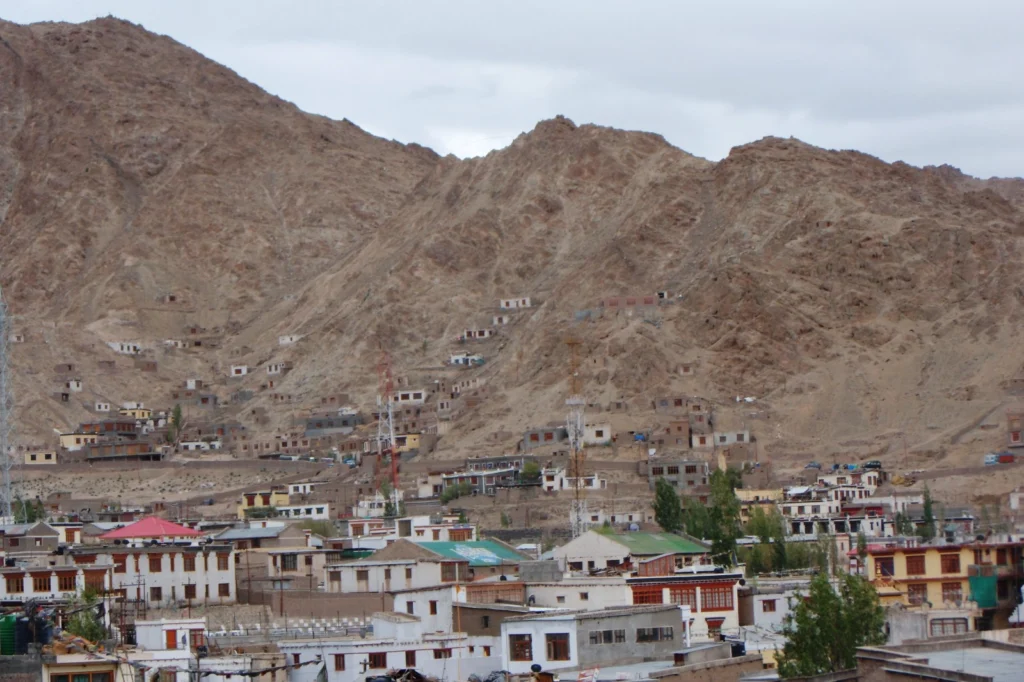
This article was originally published online by Geoscientist, the independent fellowship magazine of the Geological Society of London. Afghanistan has been in the news for as long as I can remember, normally as a place of conflict and almost never as a place of diverse landscapes, resources and culture. In 2011, however, I was invited …[Read More]
World Water Day 2015
Today is World Water Day, with a special focus on water and sustainable development. Water is a fundamental human need, used for drinking, washing, cooking and sanitation. Yet it is estimated that nearly 800 million people lack access to clean water. More people on the planet own mobile phones than have access to flushing toilets. In the past I’ve seen …[Read More]
EGU15: Natural Hazards Education, Communications and Science-Policy-Practice Interface
As we approach the EGU General Assembly (12-17th April 2015), we share one particular session of interest with you – focusing on natural hazards education, communications and the interface between science-policy-practice. Please share this image with anybody who may be interested, and submit your ideas/topics/questions for our discussion session online here.
HFA2: News, Blogs and Resources
From 14-18th March, disaster professionals, politicians and other stakeholders will be gathering in Sendai (Japan) at the UN World Conference on Disaster Risk Reduction (WCDRR). The aim of the meeting will be to agree upon the final text to replace the Hyogo Framework for Action, the UN guidelines for action on disaster risk reduction and strengthening …[Read More]
HFA2: Let’s define what we mean by ‘multi-hazard’…
From 14-18th March, disaster professionals, politicians and other stakeholders will be gathering in Sendai (Japan) at the UN World Conference on Disaster Risk Reduction (WCDRR). The aim of the meeting will be to agree upon the final text to replace the Hyogo Framework for Action, the UN guidelines for action on disaster risk reduction and strengthening …[Read More]
Introducing our new DRR Blog Columnist…
A significant way that geologists contribute to international development is through their work on natural hazards (e.g., earthquakes, landslides, volcanic eruptions) and subsequent contribution to disaster risk reduction (DRR). As such we’re delighted to welcome Clare Sweeney to our blog team – to write specifically about all things hazard and disaster. Clare is a recent graduate …[Read More]
They might be giants, but how could they live with each other?
Sauropod dinosaurs are the biggest animals to have ever walked on land. They are instantly recognised by their long, sweeping necks and whiplashed tails, and nearly always portrayed moving in herds, being stalked by hungry predators. In recent years, a huge amount of taxonomic effort from scientists has vastly increased the number of known species …[Read More]