Geology for Global Development

Geology for Global Development

HFA2: News, Blogs and Resources

HFA2: News, Blogs and Resources

From 14-18th March, disaster professionals, politicians and other stakeholders will be gathering in Sendai (Japan) at the UN World Conference on Disaster Risk Reduction (WCDRR). The aim of the meeting will be to agree upon the final text to replace the Hyogo Framework for Action, the UN guidelines for action on disaster risk reduction and strengthening resilience. Today’s post collates some key ba ...[Read More]

HFA2: Let’s define what we mean by ‘multi-hazard’…

HFA2: Let’s define what we mean by ‘multi-hazard’…

From 14-18th March, disaster professionals, politicians and other stakeholders will be gathering in Sendai (Japan) at the UN World Conference on Disaster Risk Reduction (WCDRR). The aim of the meeting will be to agree upon the final text to replace the Hyogo Framework for Action, the UN guidelines for action on disaster risk reduction and strengthening resilience. Today’s post, adapted from ...[Read More]

Introducing our new DRR Blog Columnist…

Introducing our new DRR Blog Columnist…

A significant way that geologists contribute to international development is through their work on natural hazards (e.g., earthquakes, landslides, volcanic eruptions) and subsequent contribution to disaster risk reduction (DRR). As such we’re delighted to welcome Clare Sweeney to our blog team – to write specifically about all things hazard and disaster. Clare is a recent graduate of B ...[Read More]

HFA2: Understanding hazards or disasters

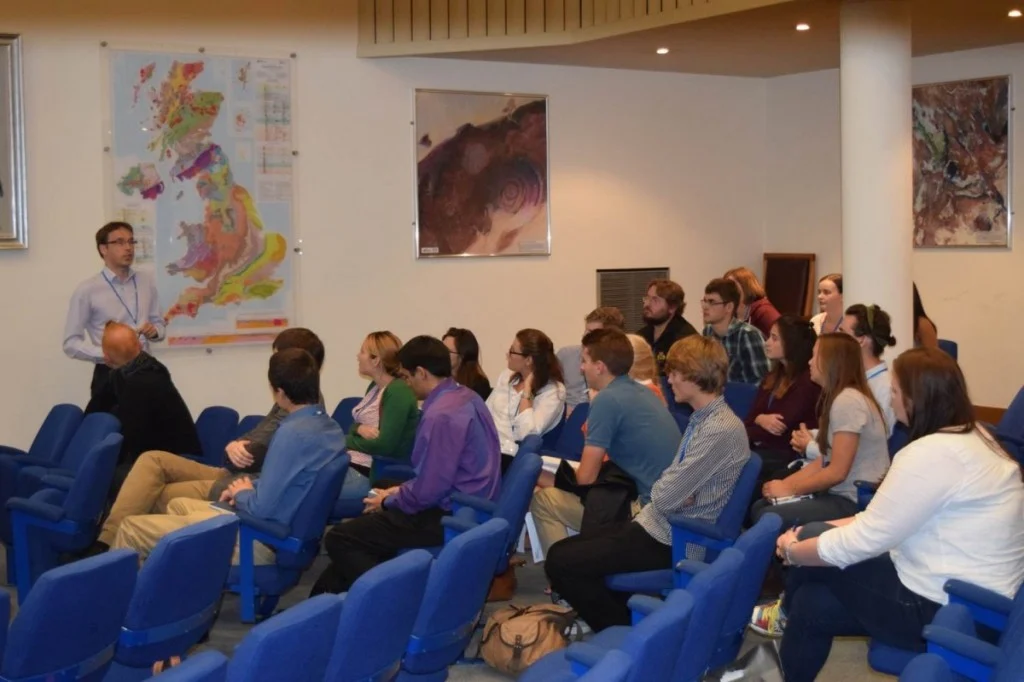
From 14-18th March, disaster professionals, politicians, UN representatives and many other stakeholders will be gathering in Sendai (Japan) at the UN World Conference on Disaster Risk Reduction. The aim of the meeting will be to agree upon the final text to replace the Hyogo Framework for Action, the UN guidelines for action on disaster risk reduction and strengthening resilience. At our first ann ...[Read More]

Effective International Engagement (1) – Introduction

Effective International Engagement (1) – Introduction

Many geologists will have to, and indeed want to, work overseas at some point in their careers. The global opportunities offered by research and working within the geosciences is a big attraction when deciding to study geology and join the profession. In many cases working internationally will often mean partnering with host-country agencies and industries (e.g., universities, geological surveys, ...[Read More]

EGU15 – Natural Hazards Education and Communications

EGU15 – Natural Hazards Education and Communications

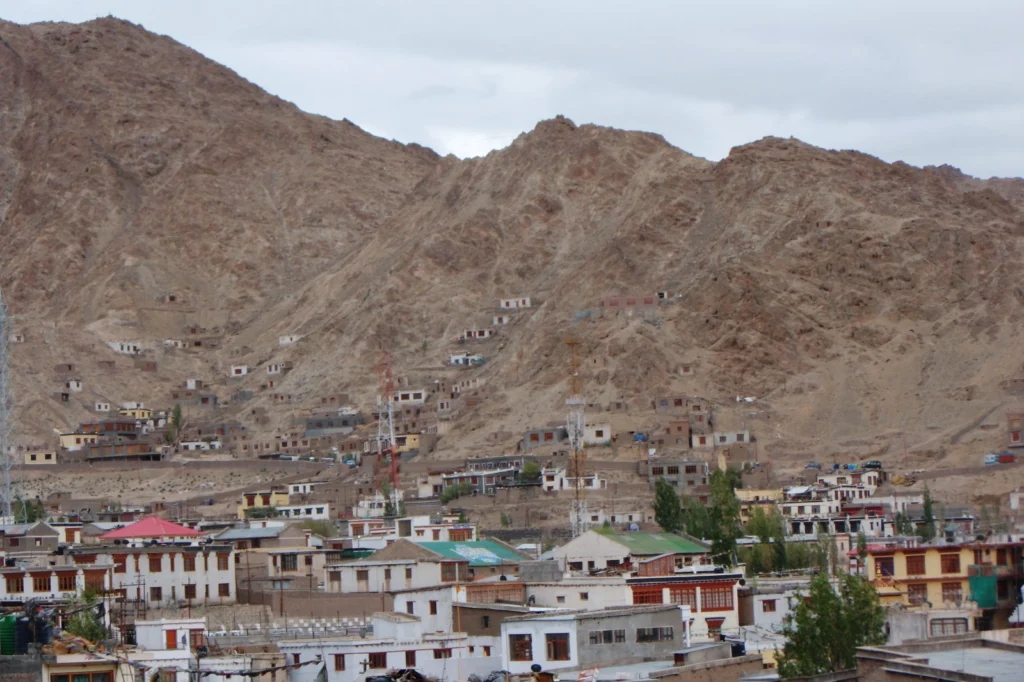
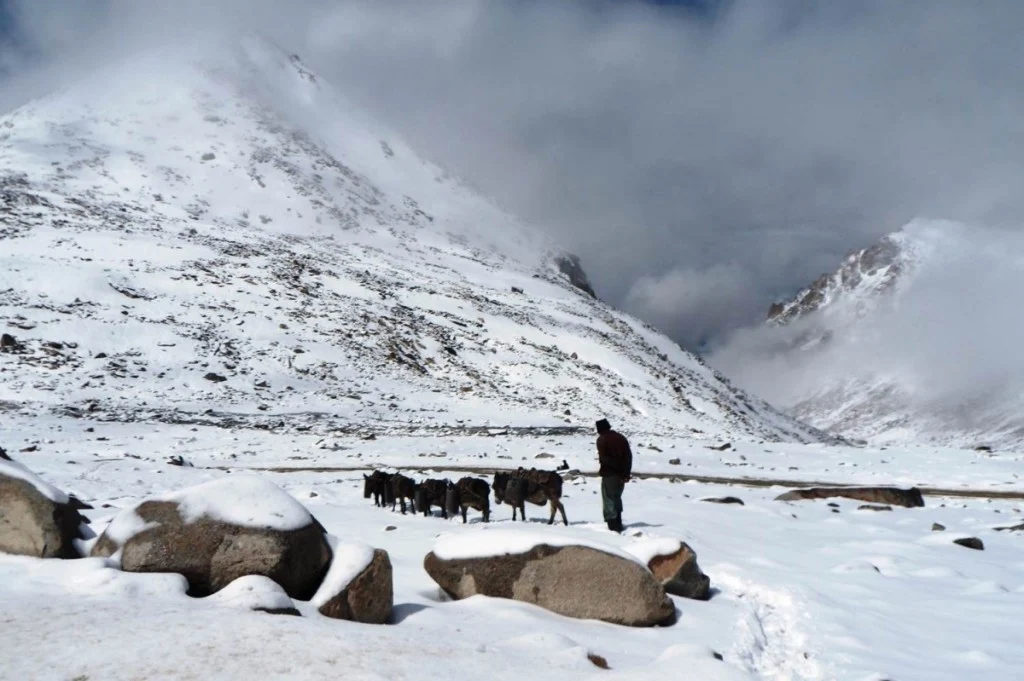
Figure 1: A man herds his livestock in remote, high altitude, snowy conditions in Ladakh. This post first appeared on GeoEd Trek (AGU Blogs) on December 22nd 2014. It has been slightly modified below, given the deadline for EGU Abstracts has now passed, to include the latest information available about this session.   Ladakh is a remote and beautiful Himalayan region in the north of India (Figure ...[Read More]

Images of Guatemala (9) – Conflict and Disasters

Until 1996, Guatemala was in the midst of a brutal Civil War. This sculpture in the Presidential Palace of Guatemala City is a reminder of that troubled past and symbolic of a hopeful peaceful future. In the same way that conflict/disasters can hamper and set-back development efforts, conflict can also set-back disaster risk reduction and management. Even once finished, past conflicts can erode tr ...[Read More]

How ‘Natural’ is a ‘Natural Disaster’?

How ‘Natural’ is a ‘Natural Disaster’?

‘Natural disasters’ is a phrase widely used by the geoscience community but how accurate is it? Given the human and societal factors that create a disaster, it has been highlighted that there is no such thing as a natural disaster. Is this simply a convenient phrase that recognises the contribution of natural processes (e.g., earthquakes), are we being sloppy with our language, or are ...[Read More]