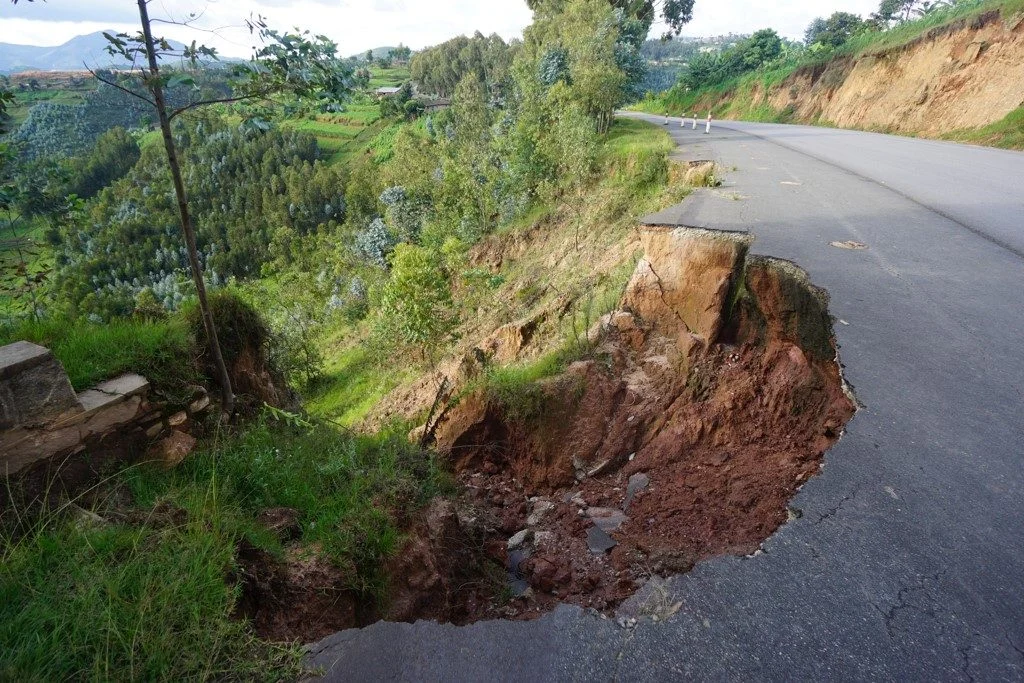
Megan Jamer is a geoscientist from Canada, and an avid cyclist and explorer. Megan is currently travelling around East Africa on bicycle, taking in some remarkable sites and observing first hand the relationship between geoscience and sustainable development. Today Megan makes her debut on the GfGD blog site, writing on the relationship between agroforestry, landslides, …[Read More]
Disaster Management
UNISDR Science and Technology Conference on the Implementation of the Sendai Framework for Disaster Risk Reduction 2015-2030
Over the next few days (27-29th January) we’ll be attending the UNISDR Science and Technology Conference on the Implementation of the Sendai Framework for Disaster Risk Reduction (SFDRR) 2015-2030. Agreed in March 2015, this framework aims to substantially ‘reduce disaster risk and losses in lives, livelihoods and health and in the economic, physical, social, cultural and environmental …[Read More]
UNISDR Science and Technology Conference on the Implementation of the Sendai Framework for Disaster Risk Reduction 2015-2030
GfGD has been invited to join as an organising partner for the UNISDR Science and Technology Conference on the implementation of the Sendai Framework for Disaster Risk Reduction (DRR) 2015-2030. This very special conference, a unique opportunity for engagement by scientists, aims to promote and support the availability and application of science and technology to decision-making …[Read More]
Nepal Earthquakes – Latest Reading
Whilst geologists are often trained in the technical aspects of natural hazards, our courses are often devoid of information on what causes disasters, how we can better avoid them and effective disaster management. Recent events in Nepal highlight that hazard does not simply equal disaster, but that we must understand what drives exposure and vulnerability to be so …[Read More]
Nepal Earthquake – Further Reading
At the weekend we published a selection of reading on the geological and humanitarian aspects of the Nepal earthquake. Over recent days much has been written reflecting on aspects of disaster relief and learning lessons as soon as possible from this awful event, to reduce the impact of future geohazards. These articles are accessible and …[Read More]
Images of Guatemala (9) – Conflict and Disasters
Until 1996, Guatemala was in the midst of a brutal Civil War. This sculpture in the Presidential Palace of Guatemala City is a reminder of that troubled past and symbolic of a hopeful peaceful future. In the same way that conflict/disasters can hamper and set-back development efforts, conflict can also set-back disaster risk reduction and management. …[Read More]
How ‘Natural’ is a ‘Natural Disaster’?
‘Natural disasters’ is a phrase widely used by the geoscience community but how accurate is it? Given the human and societal factors that create a disaster, it has been highlighted that there is no such thing as a natural disaster. Is this simply a convenient phrase that recognises the contribution of natural processes (e.g., earthquakes), are we …[Read More]
Eruption of Mount Sinabung and Poverty Reduction
Last week Mount Sinabung, an active volcano on the island of Sumatra (Indonesia), erupted killing at least 16 people. It is reported that a number of the deaths were people going back into the evacuated zone to see the eruption up close and to check on properties and land. This is a sad reminder of …[Read More]
Field Research in Guatemala (1) – Introduction
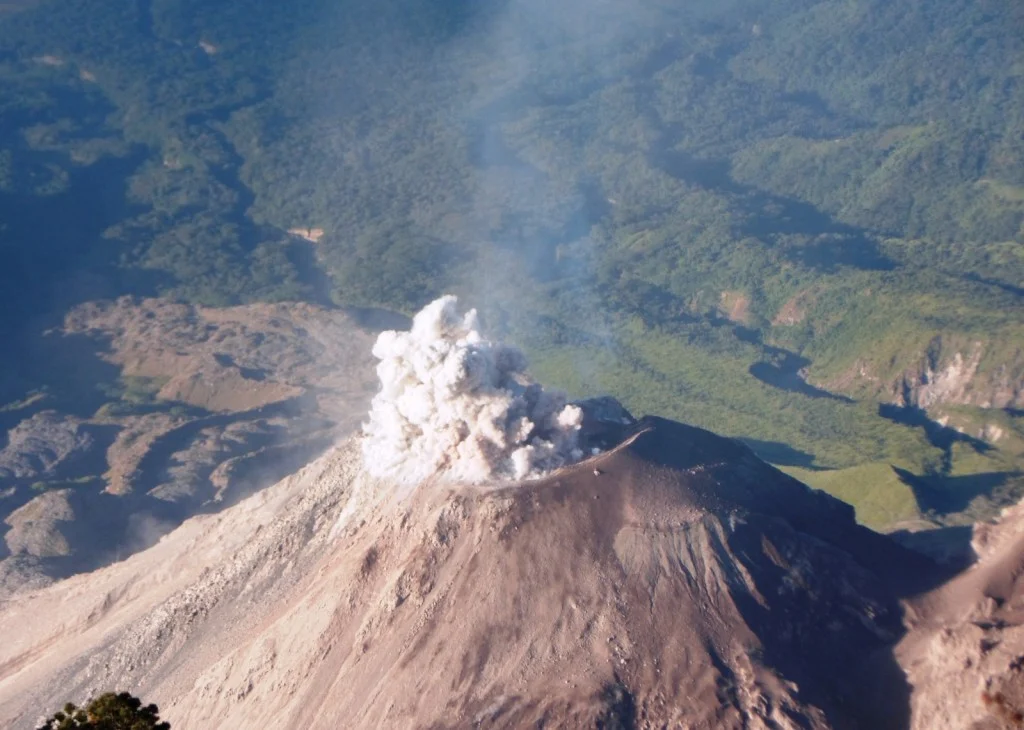
Over the next couple of months, Joel Gill (GfGD Founding Director) will be reporting live from Guatemala, whilst undertaking interdisciplinary field research relating to natural hazards and disaster risk reduction. This fieldwork forms part of a NERC/ESRC funded PhD, supervised at King’s College London. Today Joel gives an introduction to his research and why he is …[Read More]
Guest Blog: Chris Phillips of MapAction Visits GfGD Oxford
Ana Heureux (GfGD Ambassador, Oxford) writes about a recent talk to the Oxford GfGD University Group. Chris Phillips came to Oxford on November 5th and gave the first talk of the academic year, talking about his work with MapAction. Between work at the Ordnance Survey, travelling and volunteering for MapAction and travelling for pleasure, …[Read More]