GeoLog

tectonics

Why do Earth’s hidden stress fields matter for our future? Let’s explore the latest insights from the World Stress Map database
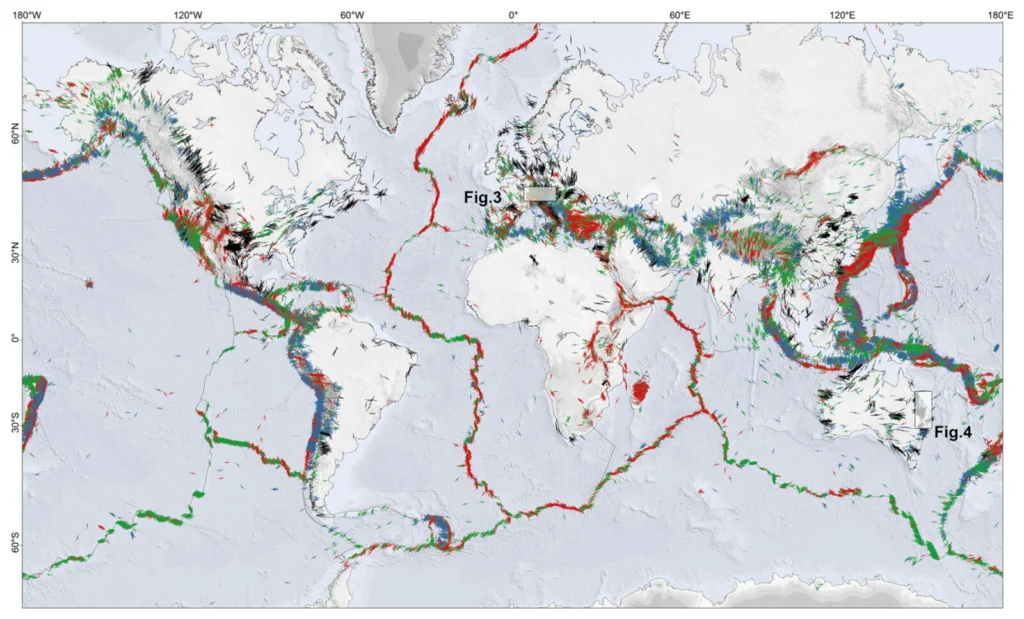
Why do Earth’s hidden stress fields matter for our future? Let’s explore the latest insights from the World Stress Map database
Beneath the serene landscapes we inhabit, the Earth’s crust is a battleground of constant, immense, and invisible tectonic forces. While humanity typically only notices this deep-seated stress when it violently releases in the form of an earthquake and volcanoes, these forces have always been shaping the structural bedrock of our planet. Understanding this hidden architecture is one of the most vi ...[Read More]

GeoTalk: meet Dinko Sindija, researcher of seismic signals and Seismology ECS Representative!

Dinko Sindija

Hello Dinko. Thank you for agreeing to this interview! Before we dig deeper, could you tell our readers a little bit about yourself and your background? Well thanks for having me. My name is Dinko and I’m a seismologist, doing a PostDoc at the Department of Geophysics at the University of Zagreb. Currently, I work on a Croatian-Norwegian collaboration project in which we densified seismic network ...[Read More]

GeoTalk: meet Morelia Urlaub, researcher of underwater landslides!

GeoTalk: meet Morelia Urlaub, researcher of underwater landslides!

Hi Morelia. Thank you for joining us today! Could you tell our readers a bit about yourself and your research? Hi, I am Junior Professor for Marine Geomechanics at GEOMAR Helmholtz Centre for Ocean Research Kiel and Kiel University in Germany. I graduated at the University of Bremen (Germany) and did my PhD in 2013 at the National Oceanography Centre Southampton in the UK. After a short postdoc th ...[Read More]

Marie Tharp: an inspiration for the past, present and future!

Marie Tharp: an inspiration for the past, present and future!

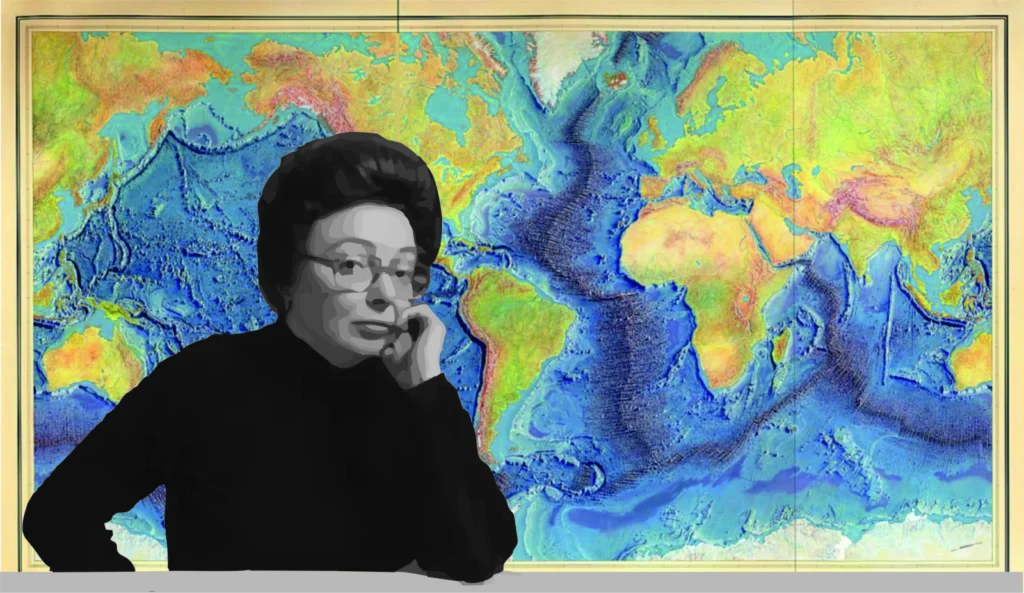
Today marks the centennial of the birth of Marie Tharp, the person responsible for creating the first map of our planet’s ocean floors. Though her work was underappreciated at the time of its publication – mainly because she faced many significant barriers due to her gender – her maps ended up being instrumental evidence in support of the theory of plate tectonics. Marie herself ...[Read More]

Imaggeo on Mondays: Foggy Bandon beach, Oregon

Imaggeo on Mondays: Foggy Bandon beach, Oregon

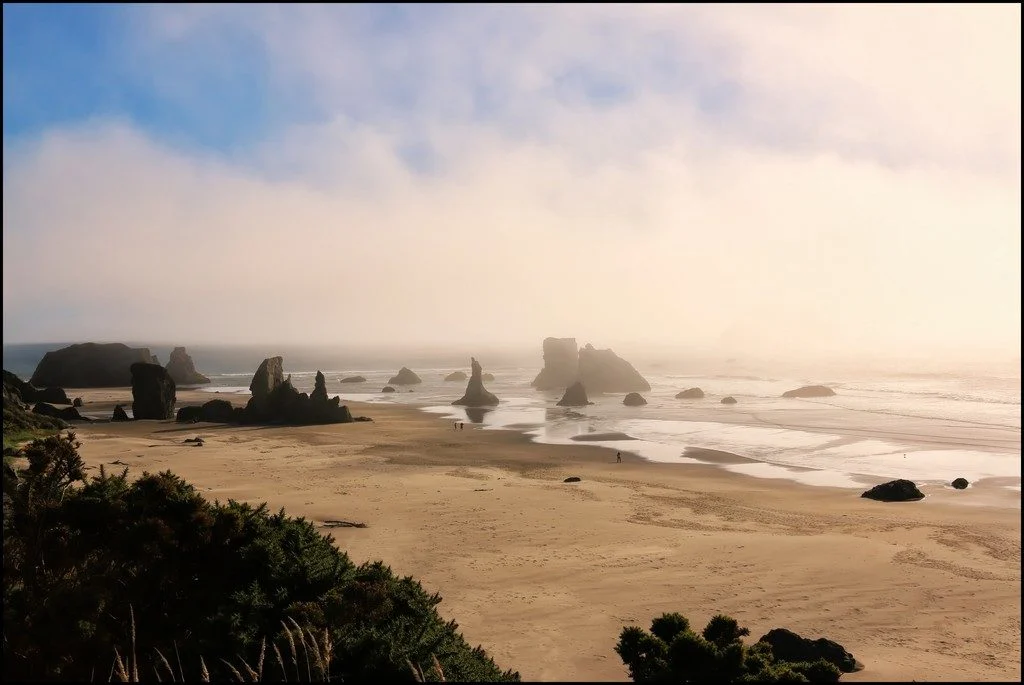
This picture was taken at Bandon beach, Oregon. Bandon is well-known for its memorable seascape of stacks of all shapes and sizes. These rock formations are known to geologists as ‘knockers’ and carry nicknames like ‘the Wizards hat’. They date from the Jurassic period – about 200 to 145 million years ago – and are what remains from the great mélange during tectonic subduction processe ...[Read More]

November GeoRoundUp: the best of the Earth sciences from around the web

November GeoRoundUp: the best of the Earth sciences from around the web

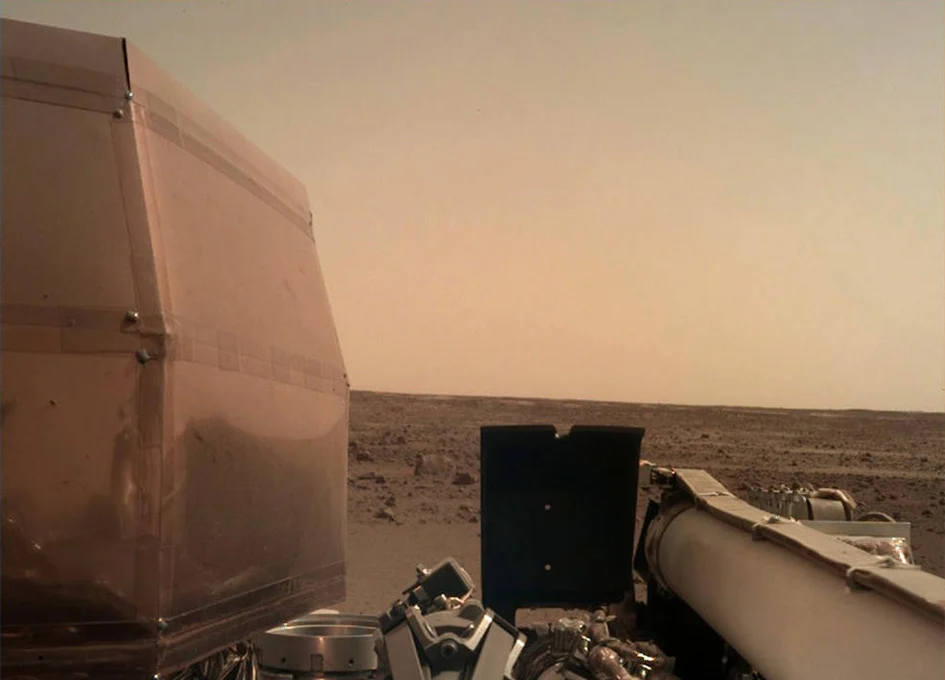
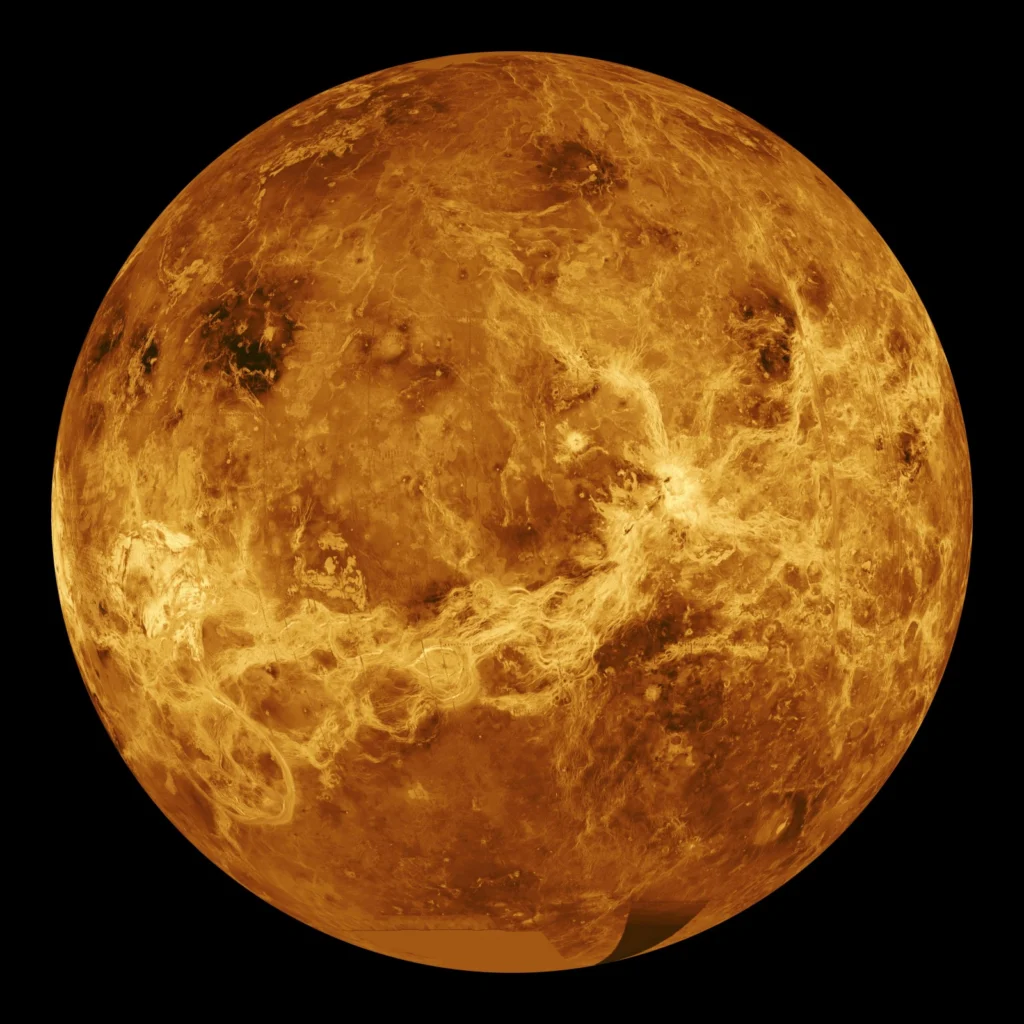
Drawing inspiration from popular stories on our social media channels, major geoscience headlines, as well as unique and quirky research, this monthly column aims to bring you the latest Earth and planetary science news from around the web. Major stories Earth’s red and rocky neighbor has been grabbing a significant amount of attention from the geoscience media this month. We’ll give you the rundo ...[Read More]

Plate Tectonics and Ocean Drilling – Fifty Years On

Plate Tectonics and Ocean Drilling – Fifty Years On

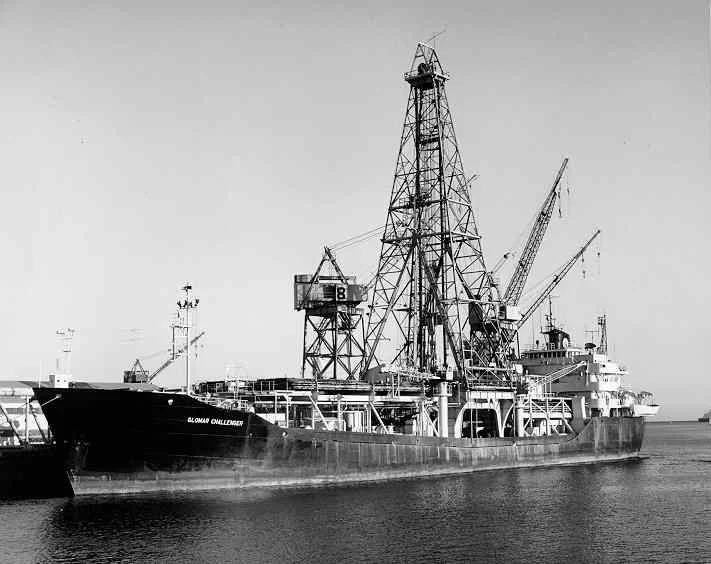
What does it take to get a scientific theory accepted? Hard facts? A strong personality? Grit and determination? For many Earth Scientists today it can be hard to imagine the academic landscape before the advent of plate tectonics. But it was only fifty years ago that the theory really became cemented as scientific consensus. And the clinching evidence was found in the oceans. Alfred Wegener had p ...[Read More]

How to make a planet habitable

How to make a planet habitable

Exoplanets without plate tectonics could harbour life, contrary to previous belief For a planet to be habitable, it needs a stable climate. On Earth, the movement of tectonic plates ensures old crust is recycled and new crust is created and weathered. This cycling of rock consequently overturns the planet’s carbon, which keeps the climate in check. While we have plate tectonics on Earth, many othe ...[Read More]

Imaggeo on Mondays: Tones of sand

Tones of Sand

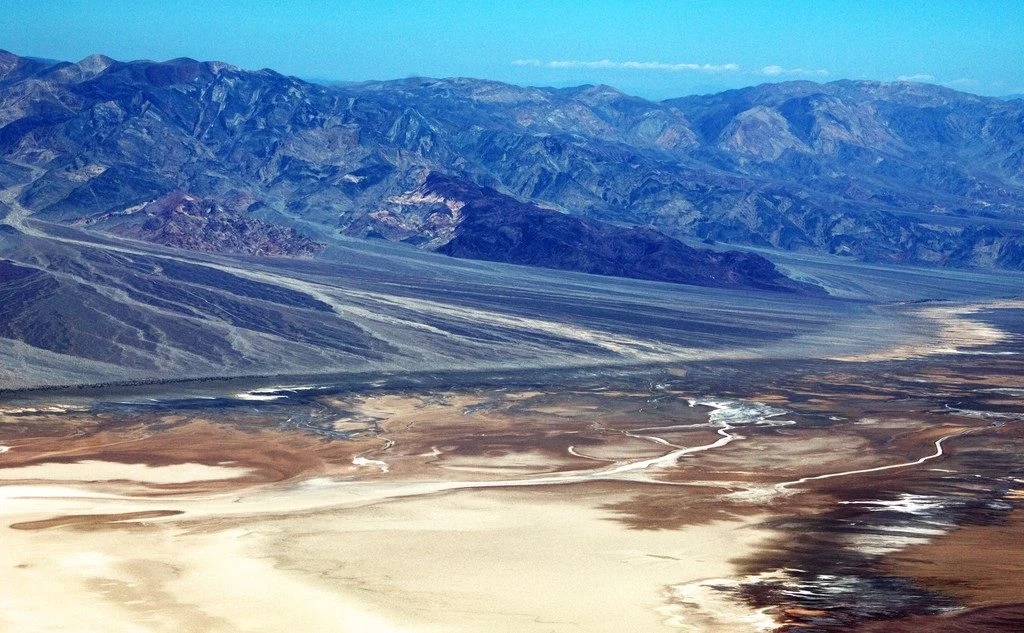
With rocks dating as far back as the Precambrian, mountain building events, violent volcanic eruptions and being covered, on and off, by shallow seas, Death Valley’s geological history is long and complex. Back in the Cenozoic (65 to 30 million years ago), following a turbulent period which saw the eruption of volcanoes (which in time would form the Sierra Nevada of California) and regional uplift ...[Read More]

Imaggeo on Mondays: Mola de Lord

Imaggeo on Mondays: Mola de Lord

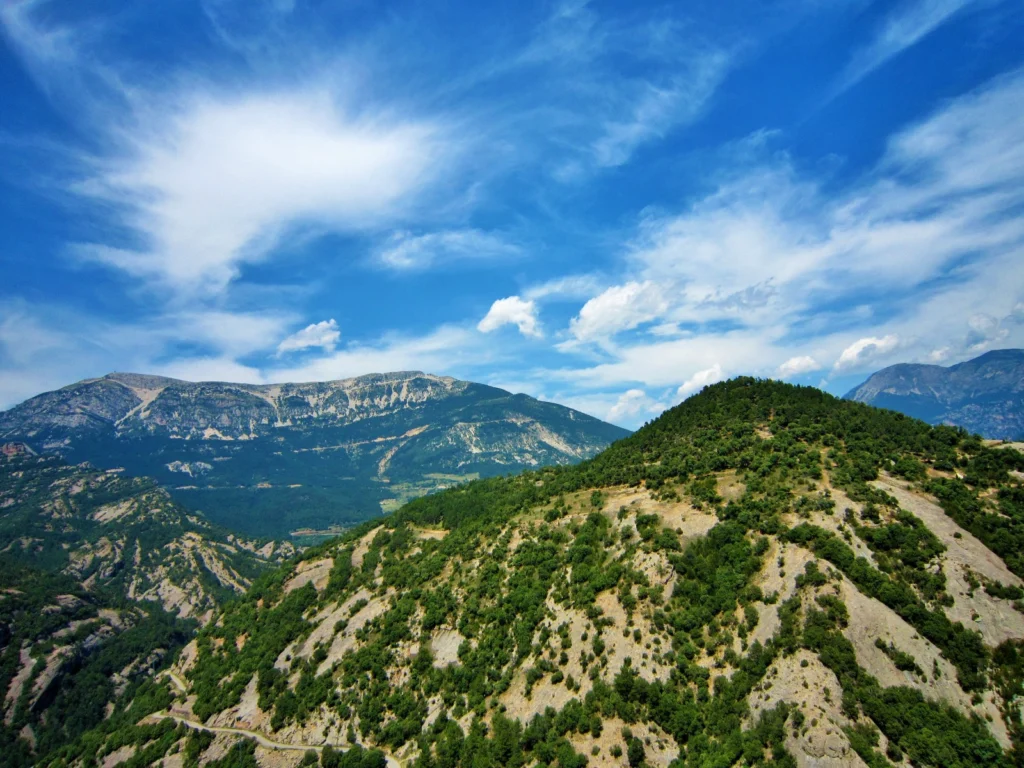
From the easterly Atlantic waters of the Bay of Biscay to the Catalan wild coast (Costa Brava) in the west, the Spanish Pyrenees stretch 430 km across the north of the country. At the foothills of the Catalan Pyrenees you’ll find the Pre-Pyrenees. Despite not reaching the soaring heights of the peaks of the Pyrenees, they nonetheless offer important insights into the geology of the range and stunn ...[Read More]