The European Geosciences Union (EGU) supports bringing science into the classroom at all learning levels, from schools to universities. Since the Higher Education Teaching grant programme launched in 2020, EGU has funded 24 projects to develop useful and freely available geoscience resources to university educators. This blog is part of a series of blogs highlighting the innovative and accessible ...[Read More]
teaching
Higher Education Resource: Sandbox Modelling for Basin Development
The European Geosciences Union (EGU) supports bringing science into the classroom at all learning levels, from schools to universities. Since the Higher Education Teaching grant programme launched in 2020, EGU has funded 24 projects to develop useful and freely available geoscience resources to university educators. This blog is part of a series of blogs highlighting the innovative and accessible ...[Read More]
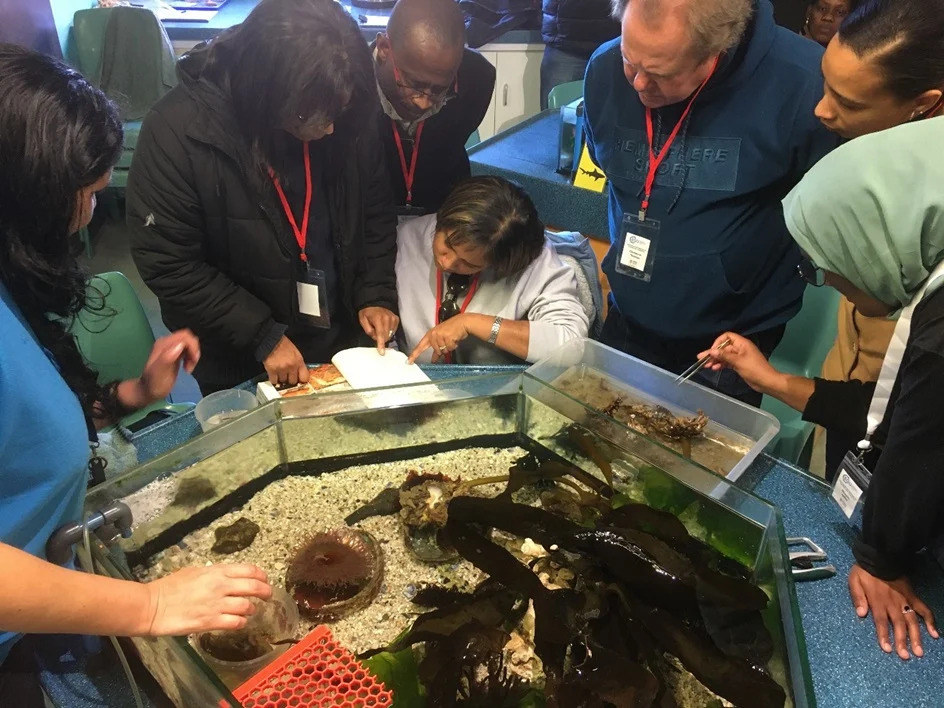
Bringing scientists and teachers together for the Cape Town GIFT workshop
Many teachers follow path writ by a particular diction, which reads “lifelong learning”. There is no other way, actually, to keep track of all of these fast changing issues and challenges of today’s world, which, in many ways, touch geoscientific topics (climate change, food security, geopolitics, to name but a few). Consequently many teachers are eager to learn from science as much as they can in ...[Read More]
GeoTalk: Sharing geoscience with kids and educators
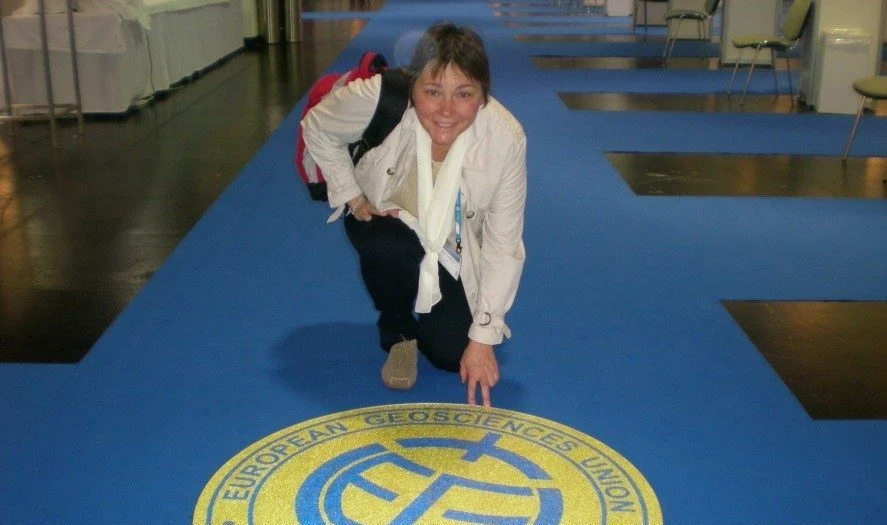
GeoTalk interviews usually feature the work of early career researchers, but this month we deviate from the standard format to speak to Marina Drndarski, a biology teacher at the primary school Drinka Pavlović in Belgrade, Serbia. Marina has been involved with EGU’s geoscience education activities for more than five years; she is an active contributor to Planet Press articles, bitesize press relea ...[Read More]
A young participant’s experience at the 2018 General Assembly: So much to discover!
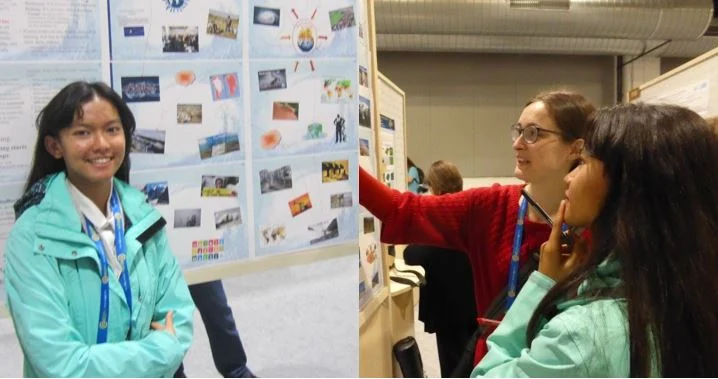
Today we welcome probably one of the youngest participants who attended the 2018 General Assembly, Pariphat Promduangsri, a 16-year-old science baccalaureate student at Auguste Renoir high school in Cagnes-sur-mer, France, as our guest blogger. With a deep interest in the natural world and in taking care of the environment, Pariphat was a keen participant at the conference. She gave both oral and ...[Read More]
Geopolicy: including policy in science education?
Generally, students are taught basic science and given a rudimentary overview of the political system from a young age. I remember learning how to do basic experiments from the age of 7 and learning about the Australian Parliament not long after that. We had specific classes dedicated to various scientific disciplines in high school and when I went onto study environmental science in my Bachelors ...[Read More]
GeoEd: Do as I say… AND as I do
Bridging the gap between student and teacher is not always easy. For students, the educator might seem ‘untouchable’ and inaccessible. A sense exacerbated when assignments are set and they turn out to be new, complex and unfamiliar. In this new installment of our GeoEd column, regular guest blogger Rhian Meara of Swansea University, discusses a simple approach to overcome some of these ...[Read More]
GeoEd: Geoscience teaching resources
Engaging students (regardless of age) during lessons can be difficult with a whole host of factors influencing their disposition to listen and learn. The same is true when carrying out public outreach and engagement activities. In both instances the key is to captivate the full attention of the audience and make the subject you are trying to teach come to life. A task often easier said than done. ...[Read More]
GeoEd: A Framework Too Far?
In this month’s edition of GeoEd, Sam Illingworth, former ECS PC representative and Lecturer of Science Communication at Manchester Metropolitan University, talks about a new framework introduced by the UK government to measure the quality of teaching at higher education institutions. Although Sam explores the issue from a UK perspective, there is no doubt cross over within the European realm. Als ...[Read More]
GeoEd: Social Communications
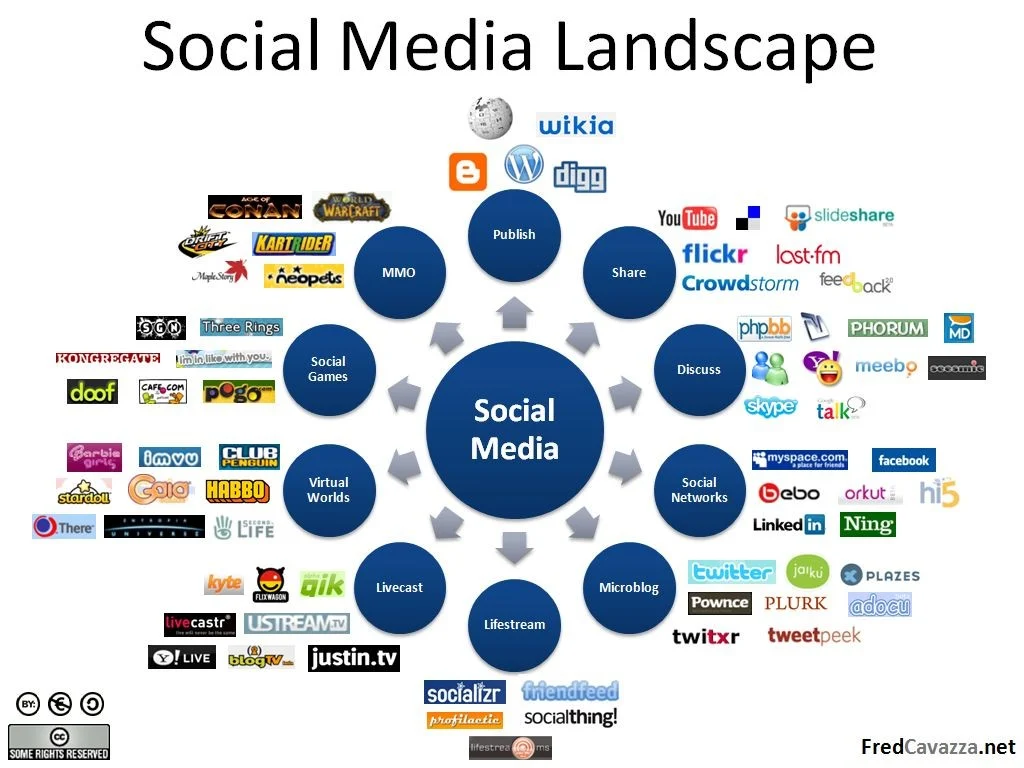
We all know that social media is an excellent way in which we can communicate our research (and indeed our rants, dreams, and favourite cat pictures) to the general public, but can we also use it to communicate our research in the classroom? From kindergarten to higher education, social media can be a fantastic learning tool, which can help to open up digital windows into the world of geosciences. ...[Read More]