GeoLog

Space and Planetary Science

NASA’s Juno mission reveals Jupiter’s magnetic field greatly differs from Earth’s
NASA’s Juno mission reveals Jupiter’s magnetic field greatly differs from Earth’s

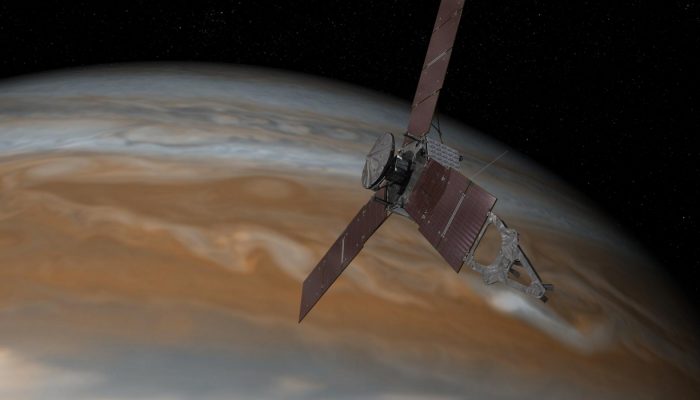
NASA scientists have revealed surprising new information about Jupiter’s magnetic field from data gathered by their space probe, Juno. Unlike earth’s magnetic field, which is symmetrical in the North and South Poles, Jupiter’s magnetic field has startlingly different magnetic signatures at the two poles. The information has been collected as part of the Juno program, NASA’s latest mission to unrav ...[Read More]

GeoTalk: Matt Taylor of ESA’s Rosetta mission

GeoTalk: Matt Taylor of ESA’s Rosetta mission

In November 2014, space exploration history was made. Millions of kilometres away, orbiting a piece of ice and rock, the European Space Agency’s (ESA) Rosetta mission sent its probe Philae to become the first spacecraft to soft-land on a comet. After the tense 7-hour wait that followed the separation from the main orbiter, a tweet confirmed that the little lander had successfully completed the fir ...[Read More]

Mars Rocks – introducing a citizen science project

Mars Rocks – introducing a citizen science project

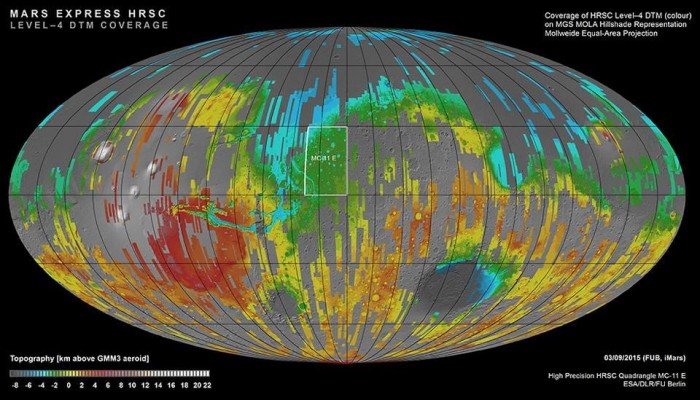
GeoLog followers will remember our previous report on Citizen Geoscience: the exciting possibilities it presents for the acquisition of data, whilst cautioning against the exploitation of volunteered labour. This blog presents a Citizen Science platform that goes beyond data collection to analysis, specifically for geological changes in remote sensing imagery of Mars. Jessica Wardlaw, a Postdoctor ...[Read More]