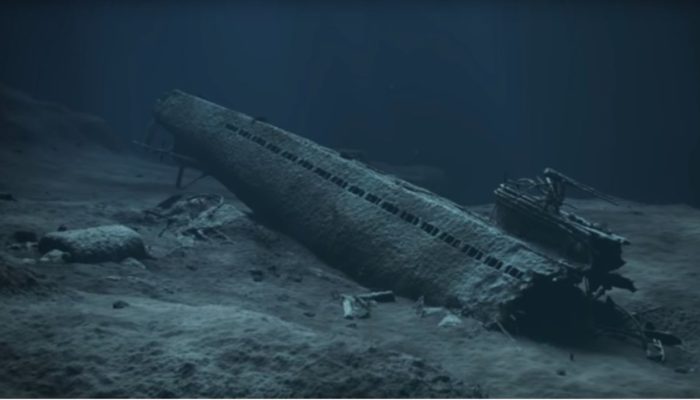
I recently had the opportunity to interview Matthias Kaiser, a professor at Bergen University and, at the time of the interview, Director of the Centre for the Study of the Sciences and the Humanities. He is part of an expert team that has given scientific advice to Norwegian policymakers, highlighting the issues that should be considered when dealing with the U-864 submarine wreckage and its carg ...[Read More]
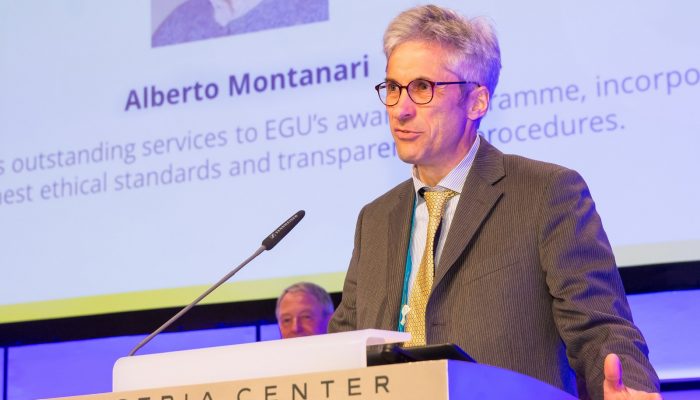
GeoTalk: Meet the EGU’s president, Alberto Montanari
GeoTalk interviews usually feature the work of early career researchers, but this month we deviate from the standard format to speak to Alberto Montanari, president of the EGU. Alberto has a long-standing involvement with the Union, stretching back more than 15 years. Following a year as vice-president, Alberto was appointed president at this year’s General Assembly in Vienna. Here we talk to him ...[Read More]
GeoPolicy: What inspires you to be a scientist?
What inspires you to be a scientist? For me, the motivation comes from a strong desire to make the world a better place, to use our skills and knowledge as scientists to help society and shape the future. Increasing our collaboration and involvement is an excellent way to expand our influence, but for early career scientists (ECS) like me, it can be a challenging task. EGU has an incredible opport ...[Read More]
GeoPolicy: Science in policymaking: Who is responsible?
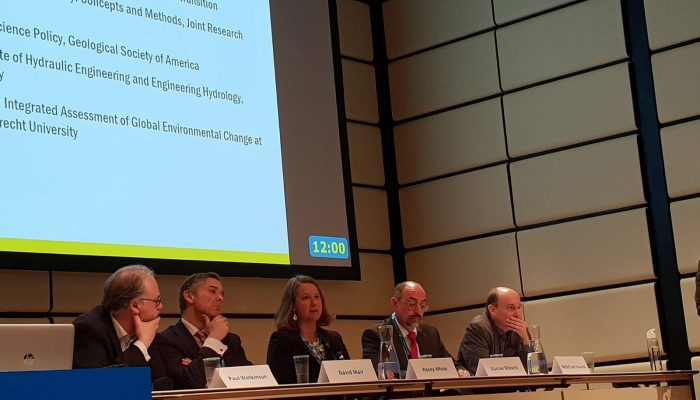
Should scientists actively approach policymakers in order to guide their decision-making processes, or is it the policymakers’ responsibility to seek scientific advice? In the first of the Great Debates at this year’s European Geosciences Union General Assembly in Vienna a mixed panel of policymakers and geoscientists tried to answer who should be responsible for making sure that science was used ...[Read More]
GeoPolicy: Science for Policy at the 2019 General Assembly!
The EGU General Assembly is the largest geoscience meeting in Europe. Not only does it have a diverse array of sessions that you can attend within your own area of expertise but there are also thousands of sessions that will be outside of your research field, as well as sessions on topics that can be applied to a wide range of scientific divisions, jobs and industries – such as science for p ...[Read More]
EGU’s response to potential changes to the European Research Council
A major re-organisation of the European Commission’s Research and Innovation Directorate General is scheduled to take place this year with a goal to revise staff reporting procedures and increased coordination between the agencies. While improved coordination may be of benefit in some areas, concerns have been raised about the potential impact these changes may have on the European Research Counci ...[Read More]
GeoPolicy: getting ready for the European Parliament Election
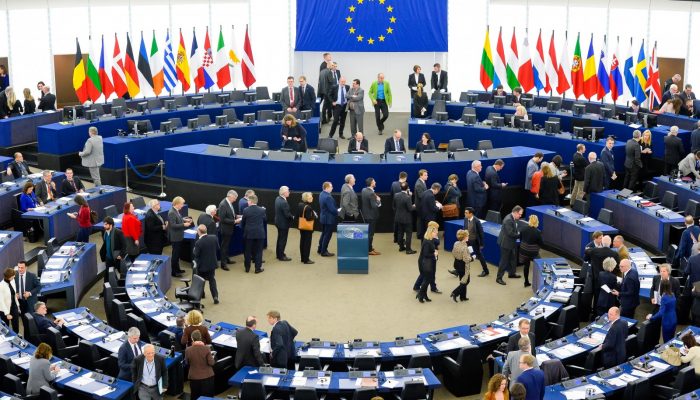
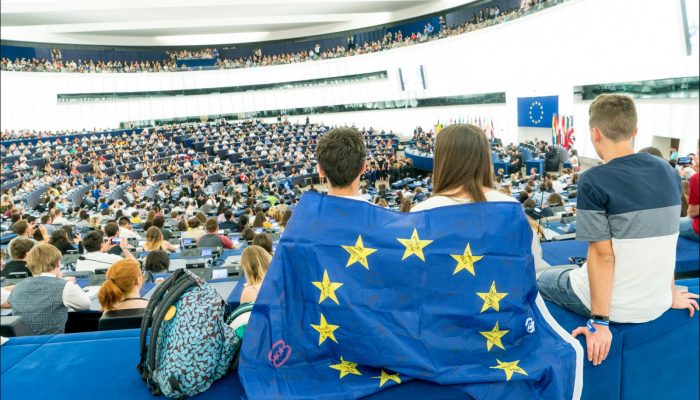
The European Parliament currently has 751 members who belong to one of the eight political groups, at least one of the 20 different committees and represent approximately 500 million people from the 28 EU Member States. The EU Parliament plays an extremely important role in the EU. It oversees the EU budget, launches investigations into specific issues and shares legislative powers with the Counci ...[Read More]
GeoPolicy: COP24 – key outcomes and what it’s like to attend
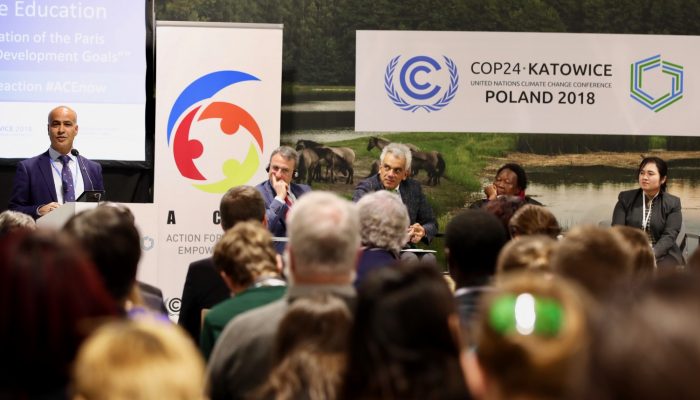
Earlier this month, the 24th Conference of the Parties (COP24), was held in Katowice, Poland. COPs are held annually and provide world leaders, policy workers, scientists and industry leaders with the opportunity to negotiate and determine how best to tackle climate change and reduce emissions on a global level. With so much at stake, these negotiations can be tense. Some COPs see more action tha ...[Read More]
GeoPolicy: Horizon Geoscience!
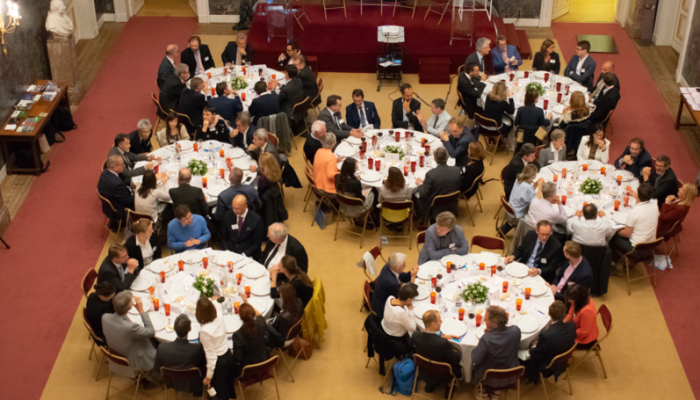
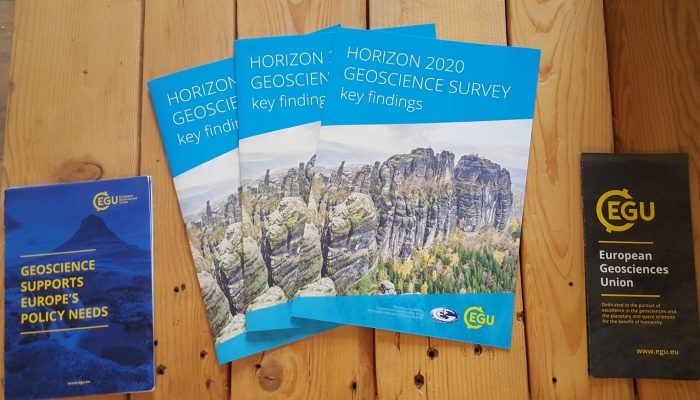
For the last few months the EGU has been working towards both hosting a dinner debate in Brussels, Belgium, and publishing the Horizon 2020 Geoscience Survey Report which was based on a survey conducted within the geoscience community earlier this year. Both of these endeavours were undertaken together with the European Federation of Geologists (EFG) and had similar aims: to enhance collaboration ...[Read More]
GeoPolicy: Bridging the gap between science and decision makers – a new tool for nuclear emergencies affecting food and agriculture
The International Atomic Energy Agency (IAEA) has developed an online system to assist in improving the response capabilities of authorities in the event of an emergency caused by natural hazards. The Decision Support System for Nuclear Emergencies Affecting Food and Agriculture (DSS4NAFA), provides a clear overview of radioactive contamination of crops and agricultural lands through improved data ...[Read More]