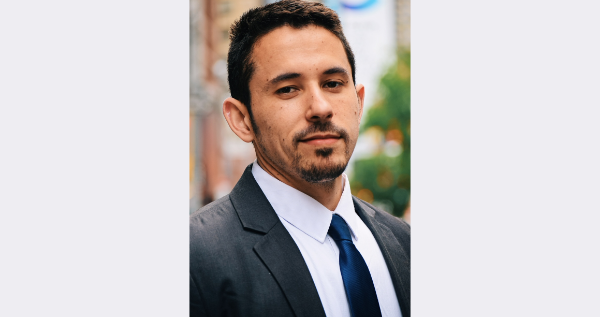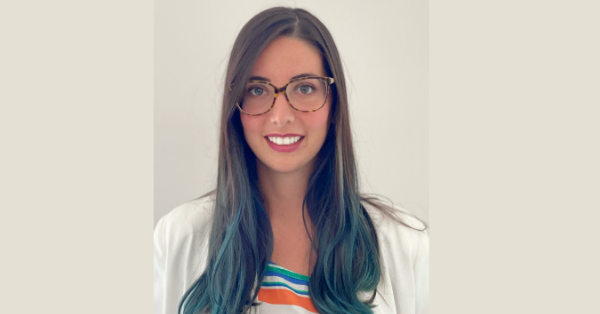
Hello Lorne – welcome to GeoTalk! Could you introduce yourself and your background to our readers? I’m Dr. Lorne Farovitch, a deaf transdisciplinary biomedical researcher and multilingual signer, fluent in more than five sign languages. I’m passionate about advancing health equity for deaf communities worldwide through community-driven research! As the founder and Executive Director of the Global ...[Read More]
disaster risk reduction
The importance of building early warning systems from the ground up
As the Early Warnings for All (EW4ALL) initiative gathers pace with its 1st Multi-Stakeholder Forum last month in Geneva, we have welcomed a recognition by experts of the importance of tailoring early warning systems to local needs. The ambition to ensure everyone on Earth is protected by a multi-hazard early warning system by 2027 is bold and demands an urgent setup of systems around the world. D ...[Read More]
Open flood modelling: Real time inundation and human displacement forecasting is now possible!
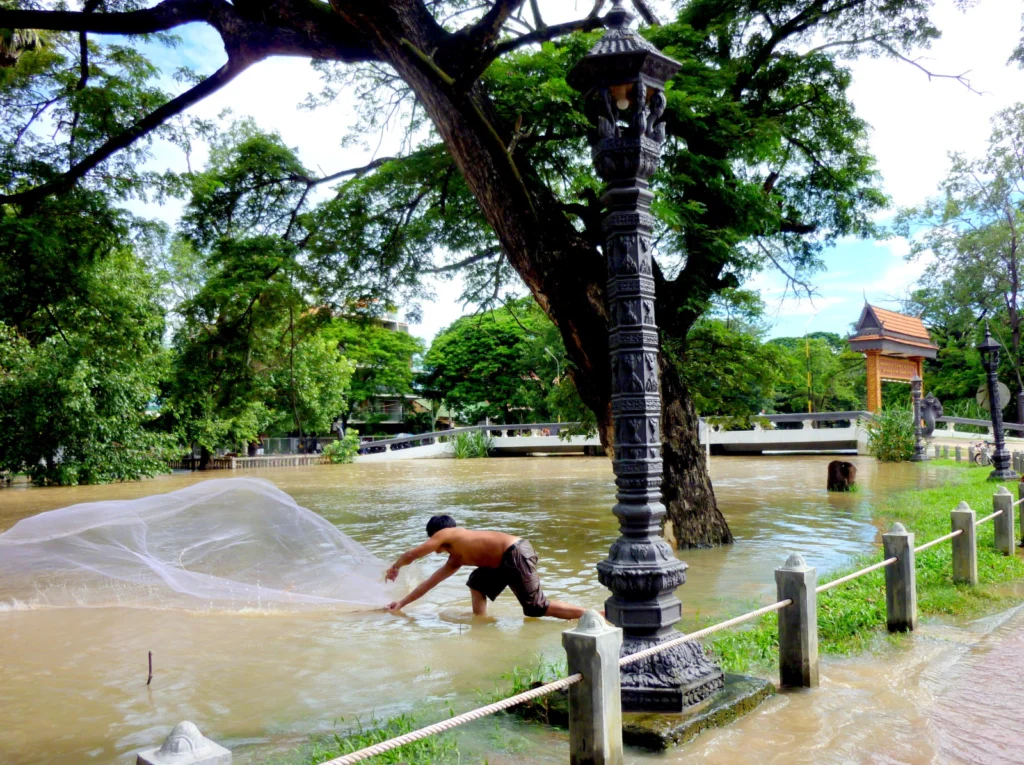
Floods are powerful natural events that can wreak havoc on communities and ecosystems. Every year, millions of people are affected by floods, leading to loss of life, damage to homes, and disruption of daily life. This blog post explores a new method for quickly mapping flood zones and predicting their impacts. To help communities and decision-makers better prepare, the authors of a recent publica ...[Read More]
GeoTalk: meet Maria Vittoria, risk communicator & Early Career Scientist Representative for Natural Hazards
Hello Mavi! Welcome to GeoTalk. Before we start, could tell our readers a little about yourself and your background? Hey Simon! Thanks for the warm welcome. I’m Maria Vittoria, but you can call me Mavi. I’m a curious soul from southern Italy, a physicist by passion, and a dreamer at heart. My journey has taken me from Italy to the UK and back, studying the tiniest particles to the vast ...[Read More]
When race and natural hazards intersect: three geoscientists share their experiences
Around the world, the month of October is observed as Black History Month and includes the International Day for Disaster Reduction. While both these observances are significant in their own right, it gave EGU the opportunity to hear from geoscientists of Black, Indigenous, and People of Colour (BIPOC) communities about the many ways that race and natural hazards are linked: does one affect the ot ...[Read More]
GeoTalk: meet Blaise Nyandwi, researcher in public perceptions of volcanic hazards!
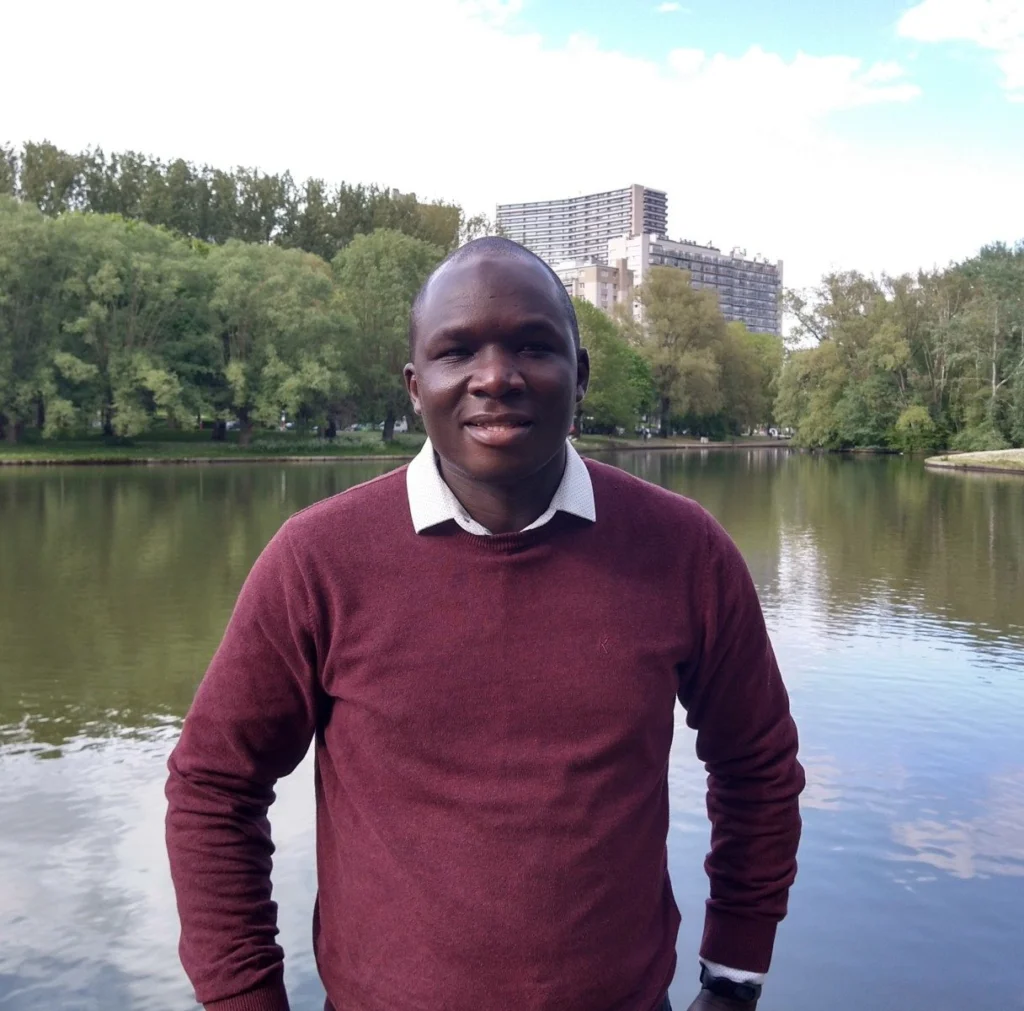
Thanks for joining us today Blaise! To begin, could you talk about your background and why you pursued research on people’s perceptions of natural hazards? I have a background in geology and environmental sciences. Goma is my hometown and I work as a lecturer at the University of Goma. Living and working in a city built on lava flows and permanently threatened by several hazards from Nyiragongo vo ...[Read More]
Glacial lake outburst floods: What we know about this destructive ice hazard
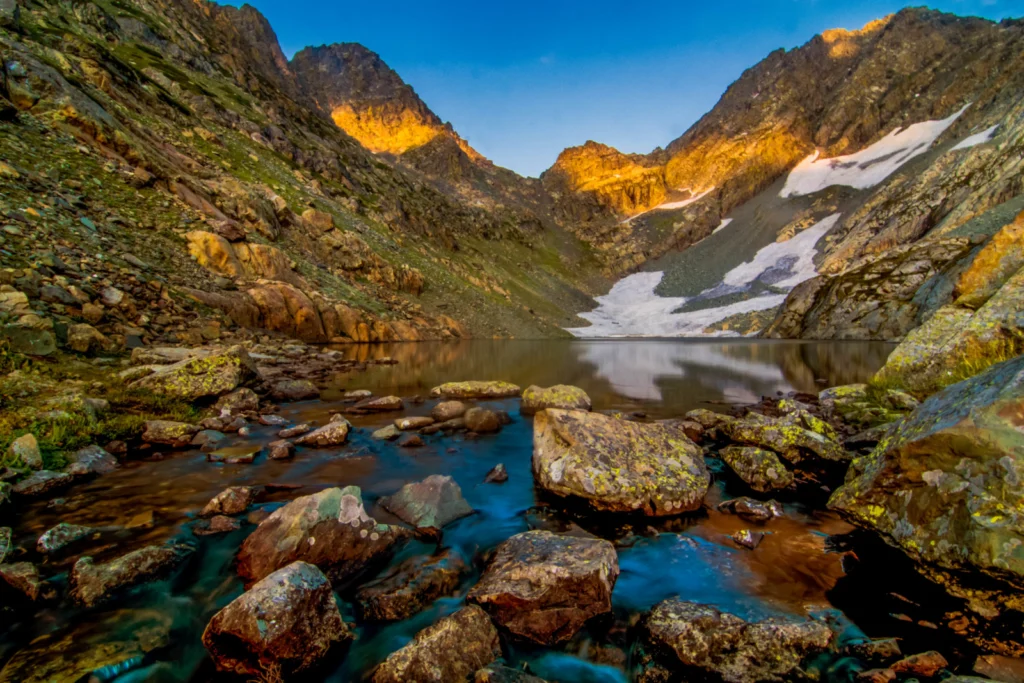
Glacial lake outburst floods are among the most concerning consequences of retreating glaciers in mountain ranges around the world. Although the phenomenon isn’t a new one, it has increasingly become the focus of research efforts in the last two decades, with many scientists seeing these floods as an emblematic symptom of climate change. This blog sheds some light on this lesser-known geological e ...[Read More]
What if a tsunami’s magnetic field could predict the height of the wave?
It’s been well established that tsunamis generate magnetic fields as they move seawater (which is conductive unlike freshwater) through the Earth’s magnetic field. Although researchers previously predicted that the tsunami’s magnetic field would arrive before a change in sea level, they lacked the means to simultaneously measure magnetics and sea level to confirm this phenomenon. Now, a new study ...[Read More]
The Sendai Framework – a five year review
The Sendai Framework for Disaster Risk Reduction 2015-2030 is a set of agreed commitments for member states of the United Nations to act on the prevention of ‘new’ disasters and reduce existing disaster risk through the implementation of integrated and inclusive economic, structural, legal, social, health, cultural, educational, environmental, technological, political and institutional measures. T ...[Read More]
GeoSciences Column: Hazagora – will you survive the next disaster?
There is no better thing, on a cold and stormy winter’s evening, than to gather your friends for a night of games / board games. Fire blazing (if you have one), tasty snacks laid out and drinks poured, you are all set to indulge in a night of scheming (if you are playing battle ship), deceit (Cluedo), or even all out comedy (think Pictionary or Charades). The main purpose of the games you are like ...[Read More]