Trying to understand the reasons behind the global warming of our climate is a never ending quest for scientists across the geosciences. Scientists often rely on deciphering past change to help us understand, and perhaps predict, what might happen in the future. Many will be familiar with the common saying ‘the past is the key …[Read More]
climate change
Floods and droughts set to increase due to climate change
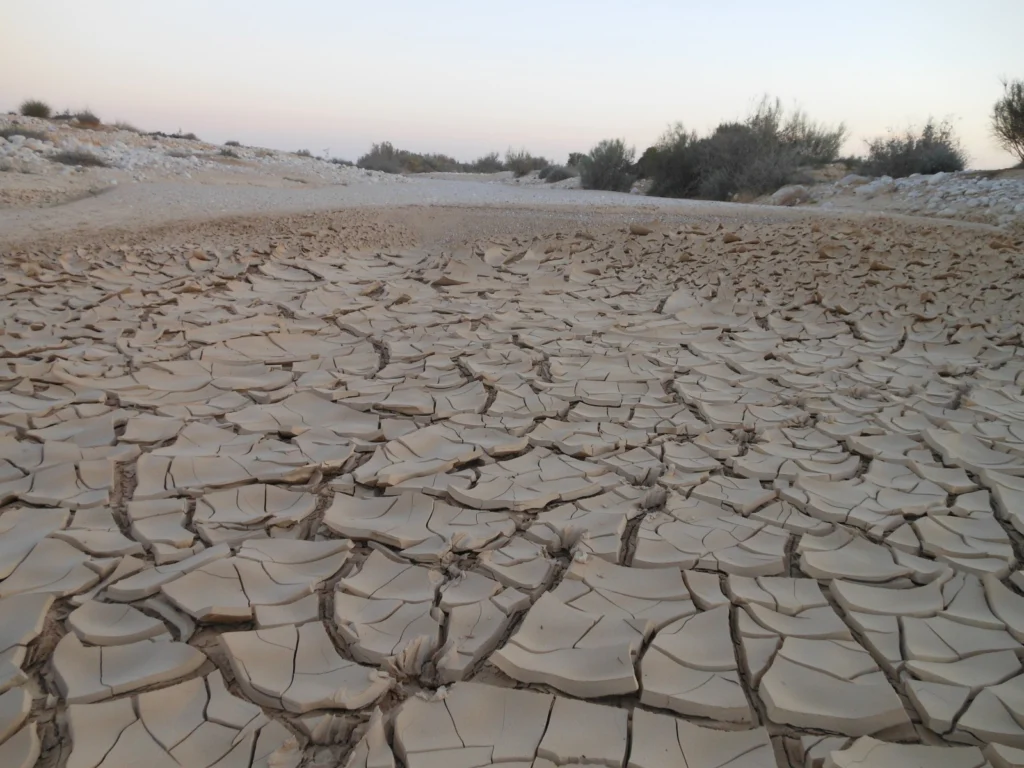
The planet is set to encounter a record-level amount of floods and droughts by 2050 – researchers recently announced at the European Geosciences Union’s General Assembly in Vienna. Nikita Marwaha shares their predictions on the impact that climate change will have on these extreme weather conditions. In a study by the Joint Research Centre (JRS) …[Read More]
Imaggeo on Mondays: High altitude glacier monitoring
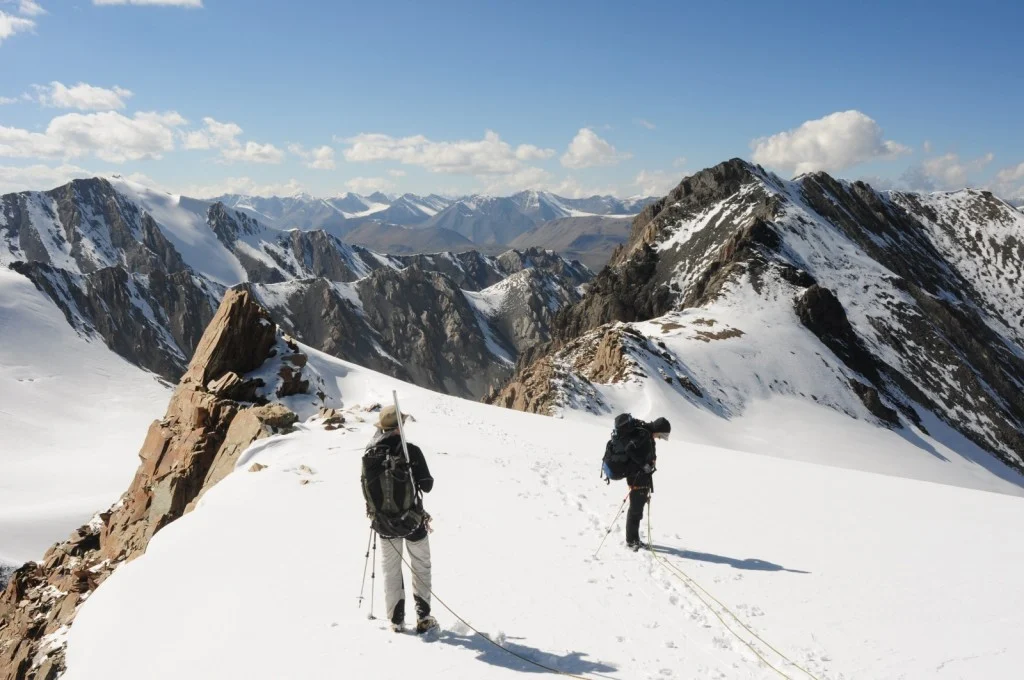
What a place to work: Spectacular views from the top of the rugged and icy peaks of Tien Shan mountain range. The desire to better understanding global climate change took Leo Sold to this remote area of Central Asia. The frozen slopes of ice and snow in today’s Imaggeo on Mondays photograph hold some of …[Read More]
Imaggeo on Mondays: A solitary floating island
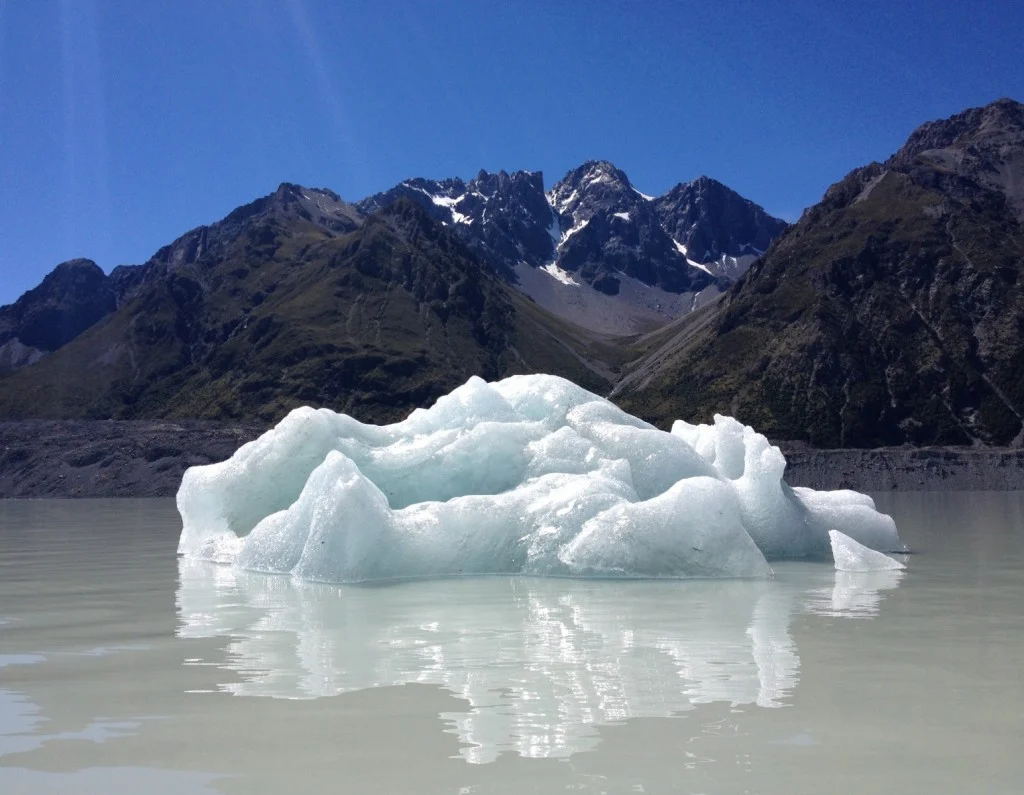
With 2014 officially named the hottest year on record, there is evidence of the effects of rising global temperatures across the globe. The solitary, shimmering iceberg in today’s Imaggeo on Mondays photograph is a reminder that one of the best places to look for evidence of change is in glaciers. Daniela Domeisen tells the story …[Read More]
Imaggeo on Mondays: Iceberg at midnight
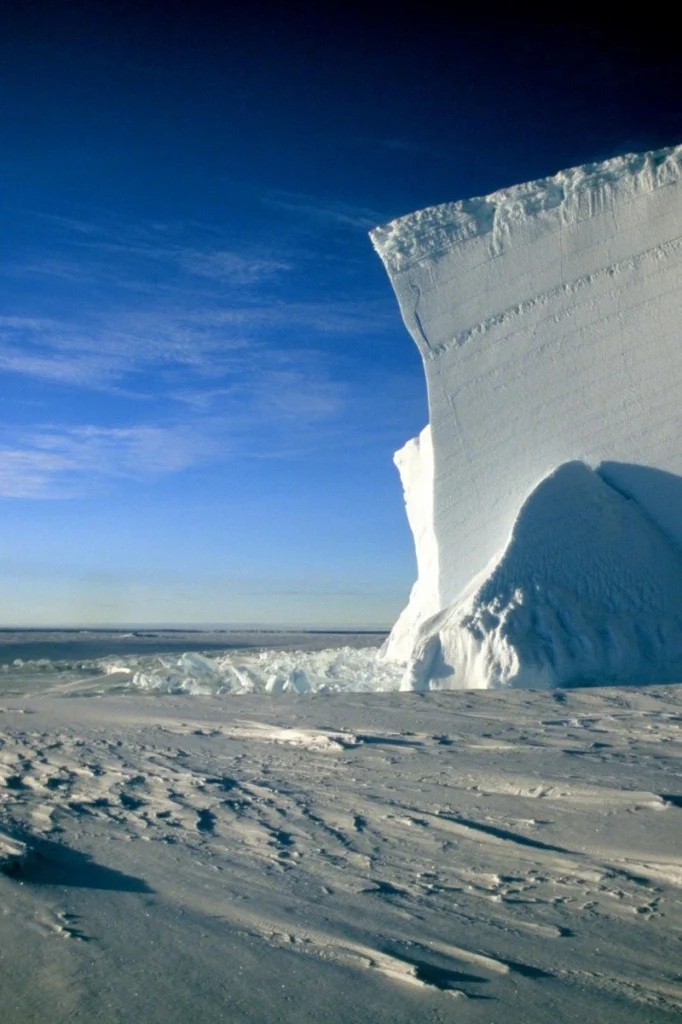
Standing on the vast expanse of gleaming white sea ice of the Atka Bay, Michael Bock took this stunning picture of an Antarctic iceberg. The days, during the Antarctic summer, are never ending. Despite capturing the image at midnight, Michael was treated to hazy sunlight. “Clearly visible [in the iceberg] are the annual snow accumulation …[Read More]
Imaggeo on Mondays: A single beam in the dancing night lights
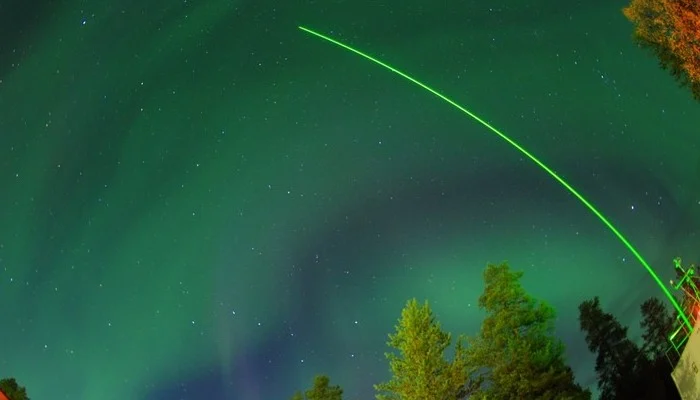
Research takes Earth scientists to the four corners of globe. So, if you happen to have a keen interest in photography and find yourself doing research at high latitudes, chances are you’ll get lucky and photograph the dancing night lights: aurora (or northern lights), arguably one of the planet’s most breath taking natural phenomenon. That …[Read More]
Meltwater ponds halt new sea ice growth
Each September, battered by the relentless sun-filled days of summer, the smooth expanse of the Arctic Ocean reaches the climax of its annual transformation. Replacing the endless blanket of winter ice, a vast jigsaw puzzle stretches across the pole, a mosaic of soggy snow islands floating amid turquoise ponds of meltwater and inlets of dark …[Read More]
Geosciences Column: Using tall trees to tot up tropical carbon
Forests in the tropics account for about half the above-ground carbon on Earth and as the trees grow older they are capable of storing more and more. In fact, their carbon-storing potential is so large that they are increasingly being viewed as a means of mitigating climate change. Take, for example, the United Nations effort to …[Read More]
Imaggeo on Mondays: How sea urchins can help mitigate climate change
This week’s Imaggeo on Mondays stars the humble sea urchin – a creature suffering from the effects of climate change, but one that could also provide a way to sequester some of the CO2 responsible… Carbon dioxide and water react to form carbonic acid – a mixture of bicarbonate and hydrogen ions. Sea urchins bag …[Read More]
Sending GIFT to Africa: A new collaboration between the EGU, UNESCO and ESA
For the past ten years, the EGU’s Geosciences Information for Teachers (GIFT) workshops – spreading first hand scientific research to teachers of primary and secondary schools – have been hugely successful in shortening the time that research takes to disseminate from scientist to textbook to teacher and offering usable practical activities for the classroom. GIFT …[Read More]