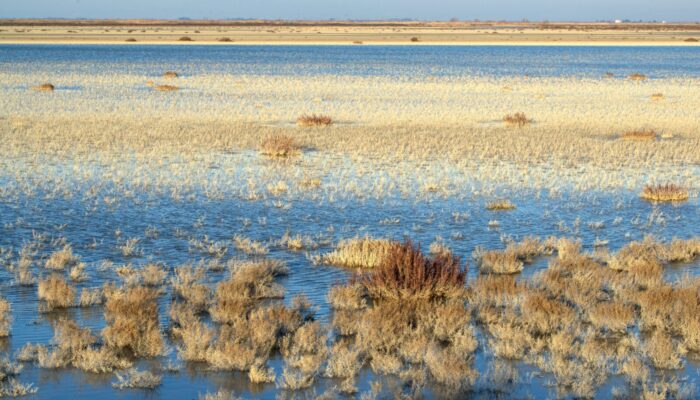
Today marks World Wetlands Day, and this year, the theme is Wetlands and traditional knowledge: Celebrating cultural heritage. Each year, February 2 is a day dedicated to recognising wetlands as places that store carbon, protect water, and hold complex cultural meaning. Wetlands such as mangroves, salt marshes, seagrass beds, peatlands, and floodplains are extremely good at taking carbon out of th ...[Read More]
Geosciences Column: Using volcanoes to study carbon emissions’ long-term environmental effect
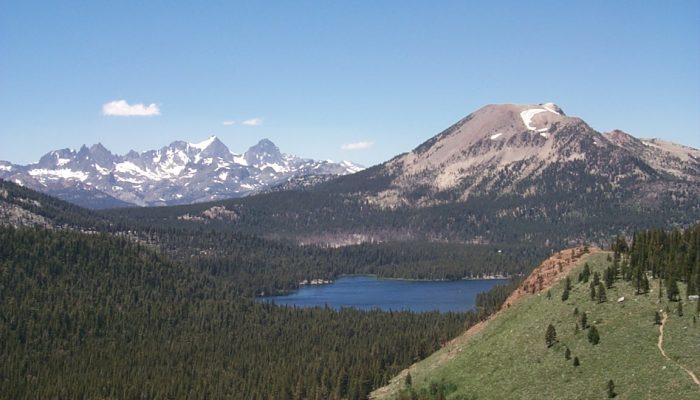
In a world where carbon dioxide levels are rapidly rising, how do you study the long-term effect of carbon emissions? To answer this question, some scientists have turned to Mammoth Mountain, a volcano in California that’s been releasing carbon dioxide for years. Recently, a team of researchers found that this volcanic ecosystem could give clues to how plants respond to elevated levels of carbon d ...[Read More]
Can the EU become carbon neutral by 2050? A new strategy from the EU!
On Wednesday 28 November 2018, the European Commission adopted a strategic long-term vision for a climate neutral economy (net-zero emissions) by 2050! A Clean Planet for All, tactically released ahead of the 24th Conference of the Parties (COP 24), which will be hosted in Katowice, Poland from 2-14 December, describes seven overarching areas that require action and eight different scenarios that ...[Read More]
October GeoRoundUp: the best of the Earth sciences from around the web
Drawing inspiration from popular stories on our social media channels, major geoscience headlines, as well as unique and quirky research, this monthly column aims to bring you the latest Earth and planetary science news from around the web. Major story In October, the UN Intergovernmental Panel on Climate Change (IPCC) released a landmark report and summary statement that detailed the severe conse ...[Read More]
GeoSciences Column: The dirty business of shipping goods by sea
Shipping goods across the oceans is cost-effective and super-efficient; that’s why over 80% of world trade is carried by sea (according to the International Maritime Organisation). But the shipping industry also contributes significant amounts of air pollutants to marine and coastal environments. A new study, published in the EGU’s open access journal Earth System Dynamics, reports on concentratio ...[Read More]
New study of natural CO2 reservoirs: Carbon dioxide emissions can be safely buried underground for climate change mitigation
New research shows that natural accumulations of carbon dioxide (CO2) that have been trapped underground for around 100,000 years have not significantly corroded the rocks above, suggesting that storing CO2 in reservoirs deep underground is much safer and more predictable over long periods of time than previously thought, explains Suzanne Hangx a postdoctoral researcher at the University of Utrech ...[Read More]