GeoLog

Biogeosciences

Tropical rainforest, the lungs of our planet, might be releasing more than just CO2!
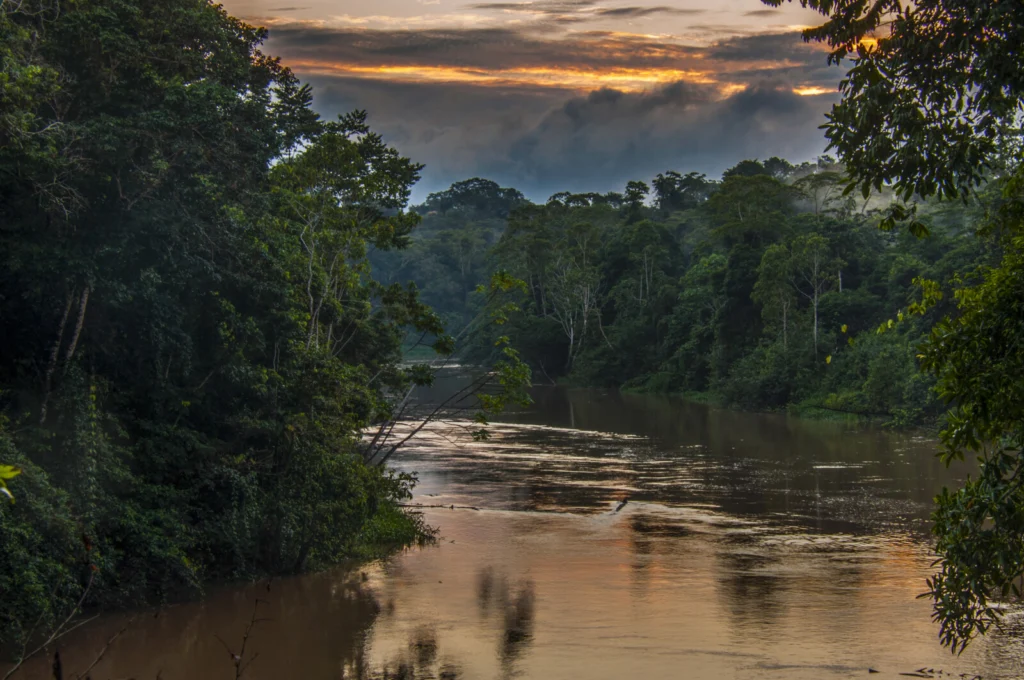
Tropical rainforest, the lungs of our planet, might be releasing more than just CO2!

When I was thirteen years old, my family and I almost lost our lives due to a carbon monoxide (CO) leak. I never stopped thinking about that incident even though it happened over twenty years ago. Not only because it was a premature realisation of my own mortality, but also because of how sneaky it was: We did not smell it, see it, hear it, or feel it. It was a subtle and slow killer that could ha ...[Read More]

Pride on board: working on an ocean-going research vessel as an LGBTQI+ person

Pride on board: working on an ocean-going research vessel as an LGBTQI+ person

Working from home during the pandemic has allowed many of us to look back on past experiences and to long for the days when our work in marine science took us to amazing places all around the world. Pride month is another great opportunity for reflection and to consider how things have changed for us as LGBTQI+ individuals and the community within STEM, including, on the International Day of the S ...[Read More]

Imaggeo On Monday: A marvellous sequoia in spring time

Imaggeo On Monday: A marvellous sequoia in spring time

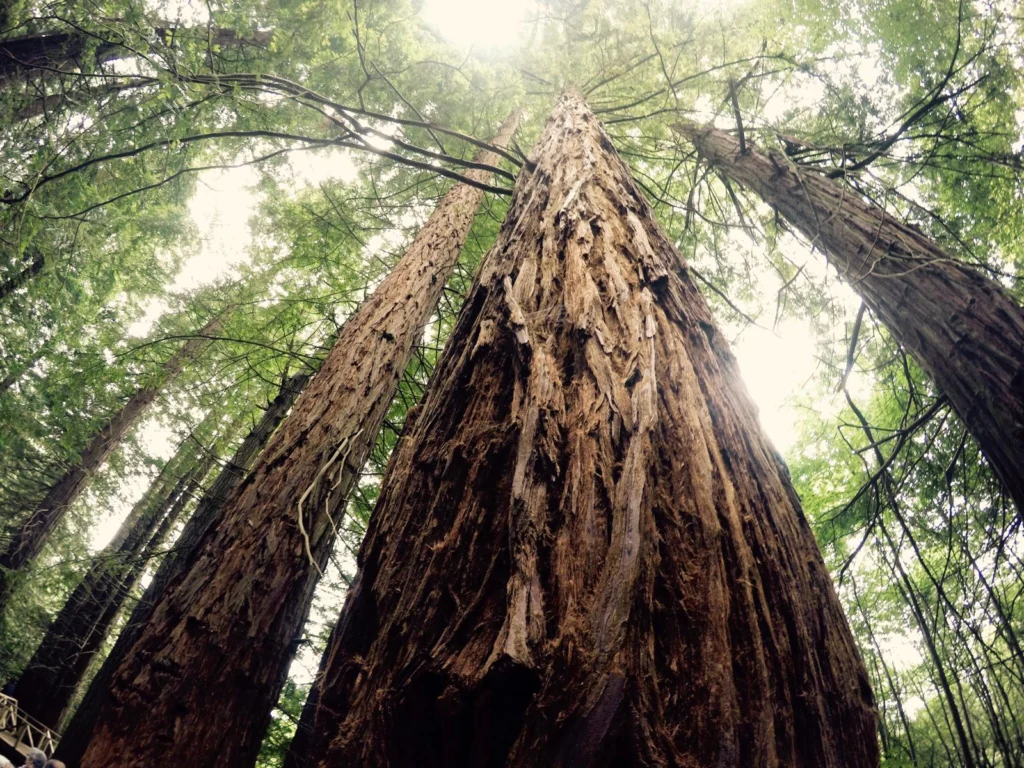
Although more commonly associated with the west coast of the United States, if you visit Cabezón de la Sal in Spain you may come across a stand of giant redwood trees or Sequoia. Around 800 trees were brought to Spain in the 1940s, so are still very young, but even at their young age they are still around 40 meters high! Sequoia groves, as well as being awe-inspiring to look at, provide a uniquely ...[Read More]

#shareEGU20: join our EMRP Division Early Career Scientists for a networking evening!

#shareEGU20: join our EMRP Division Early Career Scientists for a networking evening!

From Monday to Thursday during the week of #shareEGU20, the Early Career Scientists in our various Divisions are going to host a series of evening networking events. Find out more by clicking on the ‘Networking’ session search in the EGU Programme. If you are wondering if these events are for you, check out the Division description by the hosts included below. Every day this week we wi ...[Read More]

The Carbon Potential of Peat

The Carbon Potential of Peat

2020 is being described by many as a tipping point: the year that humanity as a species must take concrete and measurable action to prevent catastrophic climate change. But even if we do manage to slow carbon emissions from 2020 onwards, how would the planet deal with all the carbon dioxide we have produced so far? How much capacity do the planet’s natural carbon sequestration reserves actually ha ...[Read More]

Imaggeo on Mondays: An expedition to better understand Antarctic soils

Imaggeo on Mondays: An expedition to better understand Antarctic soils

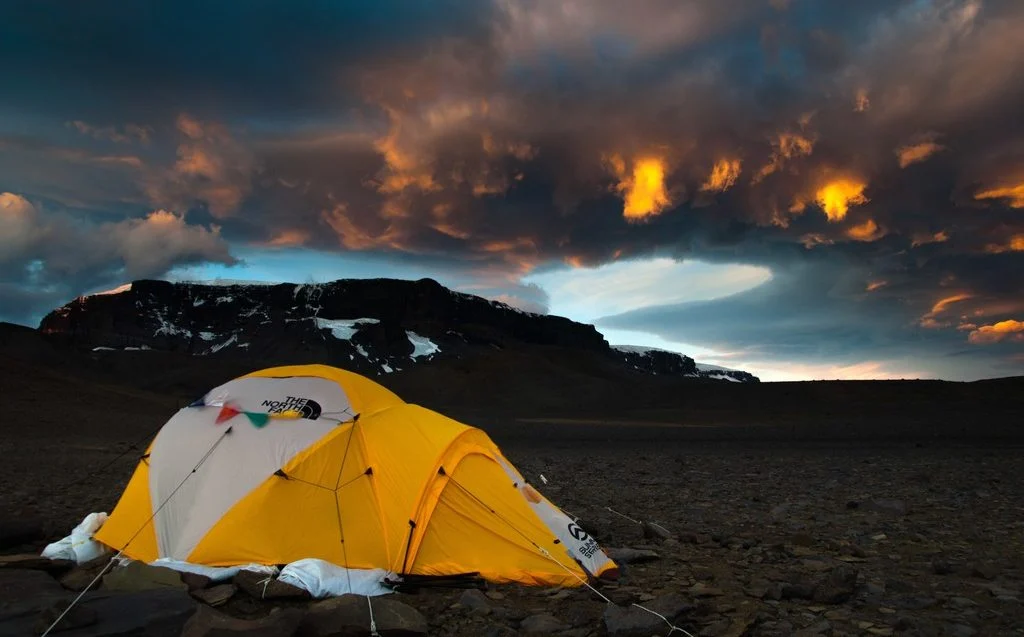
A dramatic evening sky puts the frame to a photo taken during the Brazilian Antarctic expedition to James Ross Island in 2016. Brazilian palaeontologists and soil scientists together with German soil scientists spent over 40 days on the island to search for fossils and sample soils at various locations of the northern part of the island. The island was named after Sir James Clark Ross who led the ...[Read More]

Imaggeo on Mondays: Patterns in the peatland

Imaggeo on Mondays: Patterns in the peatland

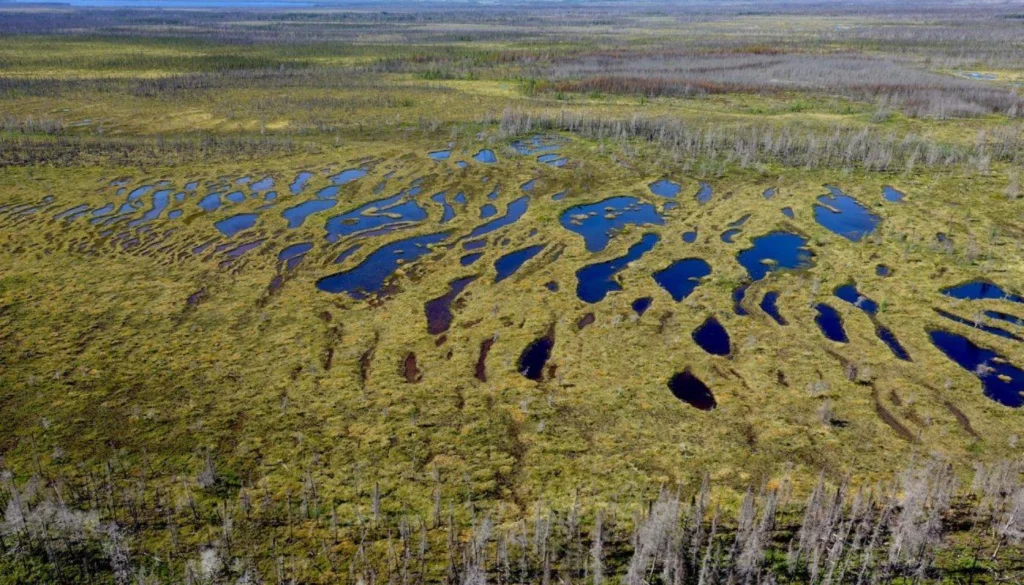
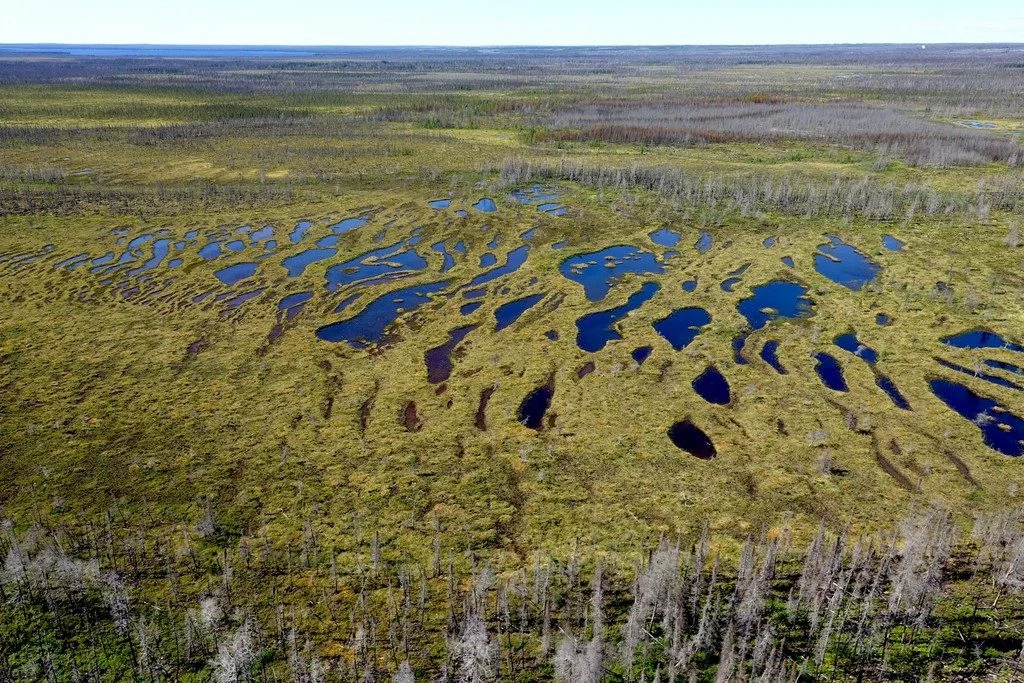
This magnificent pattern is the result of hundreds and hundreds of years of evolution. In this structured minerotrophic peatland in Northern Quebec (Canada), which can also be called a string fen or aapa mire, the green peat ridges (or strings) alternate with water-filled hollows (or flarks). Often flarks are replaced by ponds, which vary in number and size. This pattern of strings and flarks (or ...[Read More]

Geosciences Column: Using volcanoes to study carbon emissions’ long-term environmental effect

Geosciences Column: Using volcanoes to study carbon emissions’ long-term environmental effect

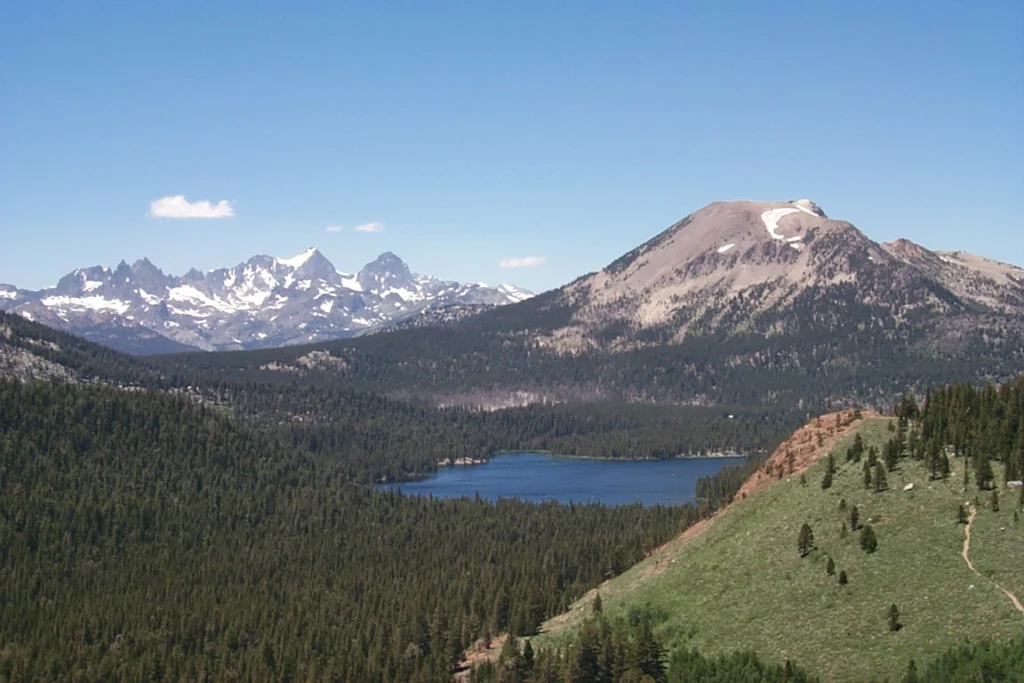
In a world where carbon dioxide levels are rapidly rising, how do you study the long-term effect of carbon emissions? To answer this question, some scientists have turned to Mammoth Mountain, a volcano in California that’s been releasing carbon dioxide for years. Recently, a team of researchers found that this volcanic ecosystem could give clues to how plants respond to elevated levels of carbon d ...[Read More]

Imaggeo on Mondays: Bristlecone pines, some of Earth’s oldest living life forms

Imaggeo on Mondays: Bristlecone pines, some of Earth’s oldest living life forms

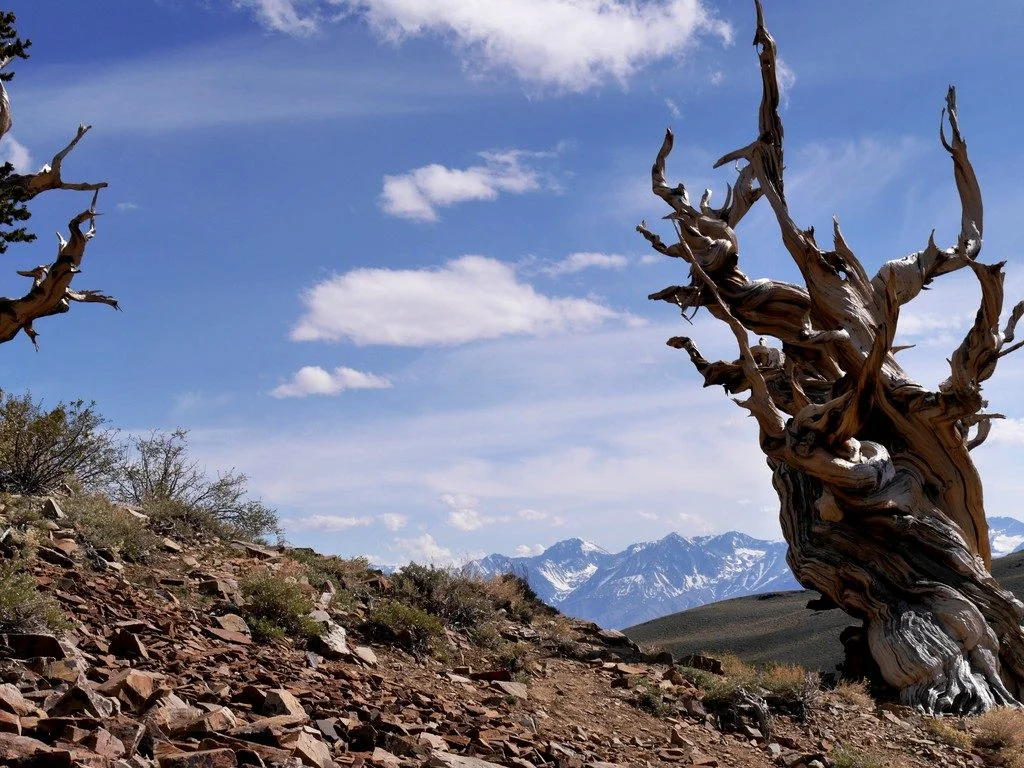
About 5,000 years ago, the ancient city Troy was founded, Stonehenge was under construction, and in the rugged Sierra Nevada mountain range, groves of bristlecone pine seedlings began to take root. Many of these pines are still alive today, making them the world’s oldest known living non-clonal life forms. Raphael Knevels, a PhD student from the Friedrich-Schiller-University’s Department of Geogra ...[Read More]

Imaggeo on Mondays: Iceland’s original birch forest

Imaggeo on Mondays: Iceland’s original birch forest

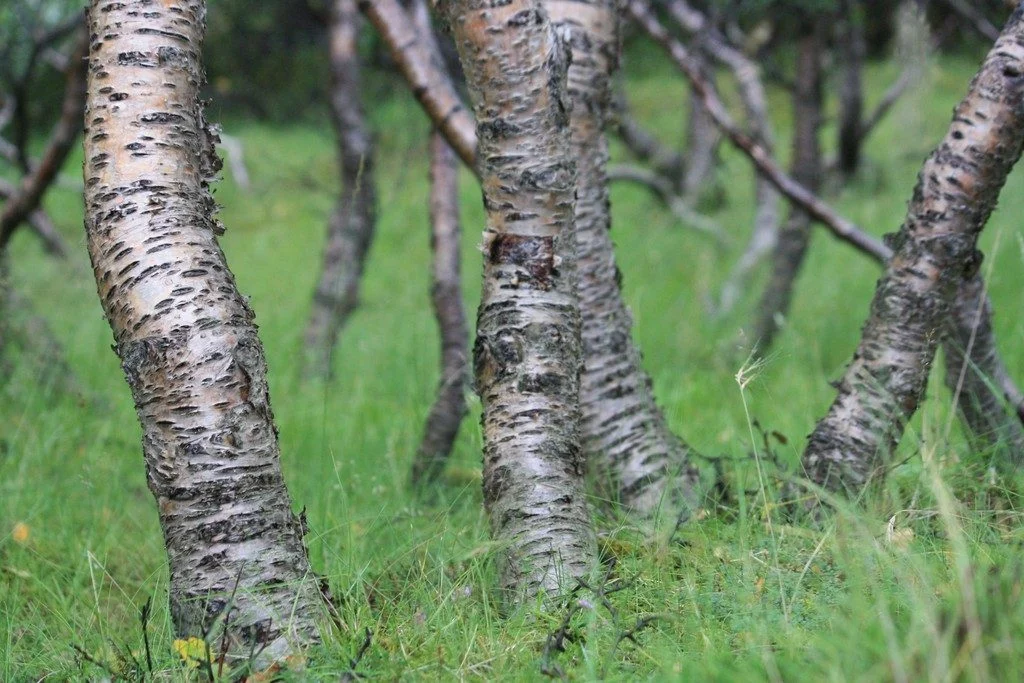
Iceland is a country of dramatically rugged landscapes. The region is home to sweeping valleys and mountain ranges, dotted with lava fields, large glaciers, hot springs and impressive waterfalls. The territory is also notoriously treeless. As of 2016, forests only made up 1.9 percent of Iceland, according to the Icelandic Forest Service. However, about a thousand years ago the country’s landscape ...[Read More]