GeoTalk interviews usually feature the work of early career researchers, but this month we deviate from the standard format to speak to Bárbara Ferreira, EGU’s Media and Communications Manager. Bárbara has been an integral part of the EGU since September 2011, from coordinating science communication between the Union, journalists and the public at large, to overseeing many of EGU’s outreach activi ...[Read More]
GeoLog
The ReSToRE summer school on the sustainable development of Earth resources: reflecting back
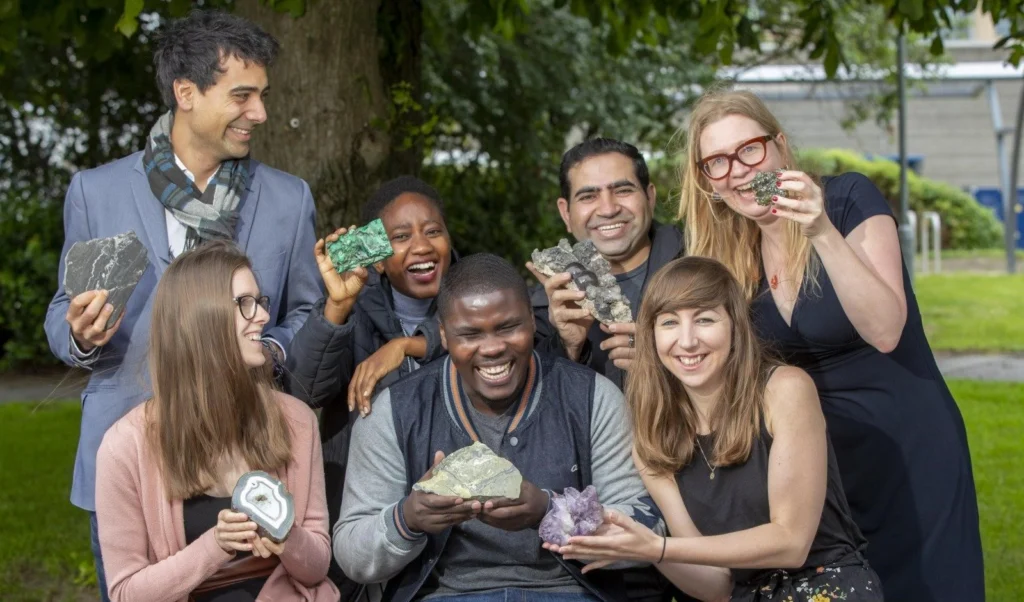
How can we source and use Earth resources in an ethical and responsible way? And how can we bring different actors and communities together to achieve sustainable resource development? These are just some of the questions that early career researchers from around the world came together to discuss during the inaugural Researching Social Theories, Resources, and the Environment International Summer ...[Read More]
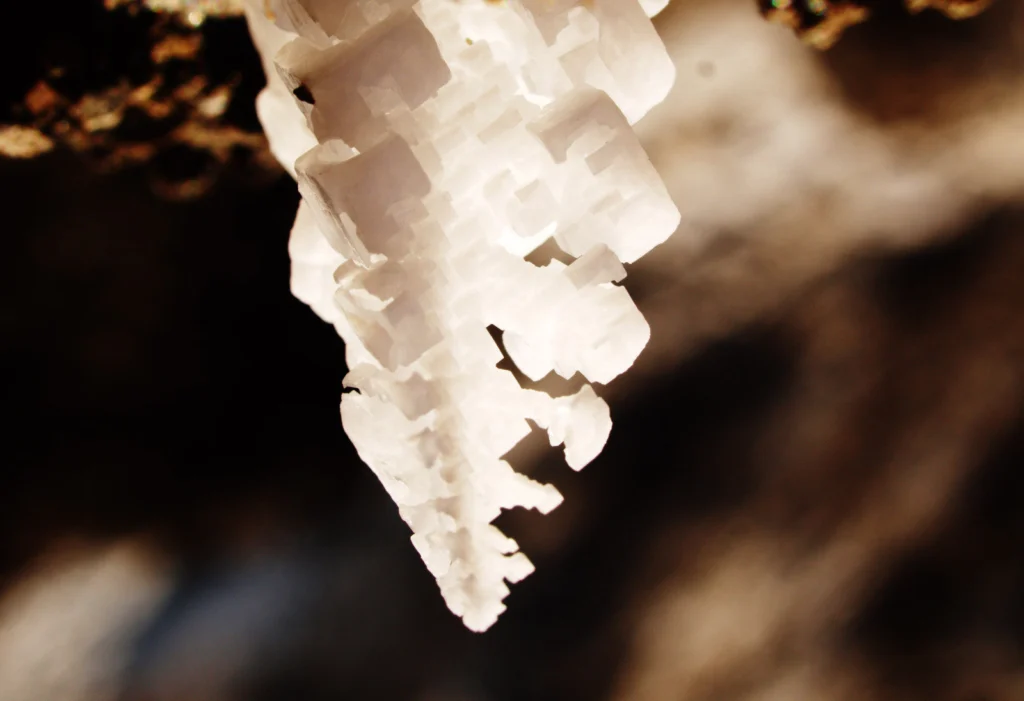
Imaggeo on Mondays: The ephemeral salt crystals
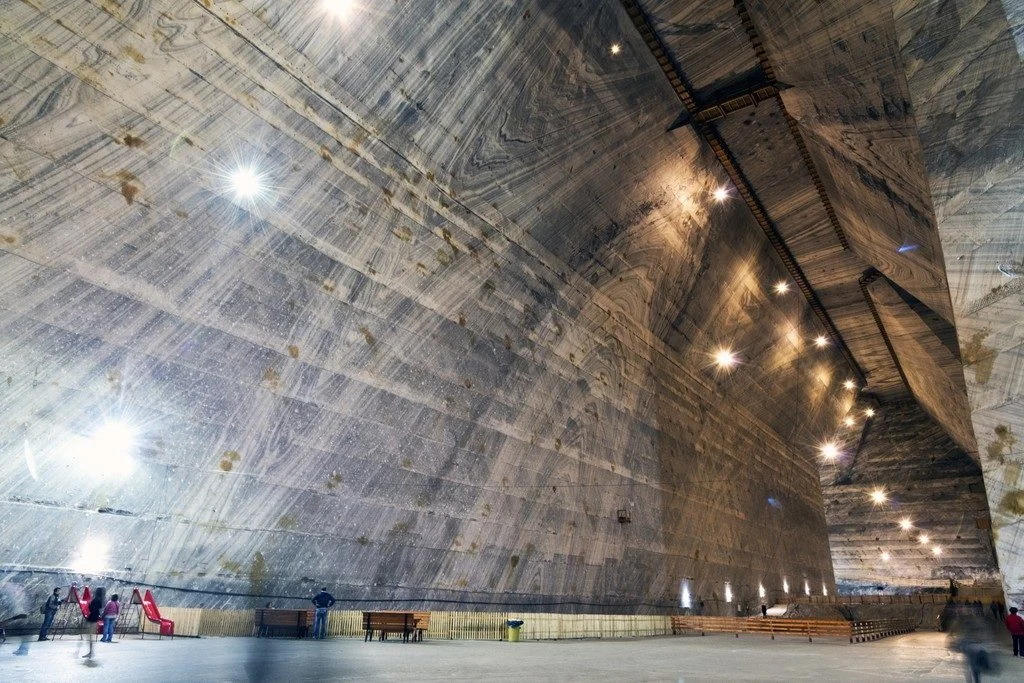
Rock salt stalactites (Speleothems) are the indicators of entrance in a salt cave. These crystal stalactites precipitate from brine only at the entrance in the salt caves, as that is the only place where the physical and chemical properties of the air and the brine dripping from the ceiling allow these crystals to grow and be preserved. And they are extremely fragile – if there is just a sma ...[Read More]
Help shape the conference programme: Inter- and Transdisciplinary Sessions at the 2020 General Assembly
Do you enjoy the EGU’s annual General Assembly but wish you could play a more active role in shaping the scientific programme? Now is your chance! But hurry, the session submission deadline is fast approaching. You’ve got until 5 September to propose changes. As well as the standard scientific sessions, subdivided by Programme Groups, EGU coordinates Inter- and Transdisciplinary Sessions (ITS) at ...[Read More]
Imaggeo on Mondays: Monitoring Antarctica’s ocean current
This week’s featured image depicts a quiet and still oceanic landscape in Antarctica, but polar scientists are studying how energetic and variable the ocean currents in this part of the world can be. In this picture, the marine research vessel RRS James Clark Ross is making its way through the Lemaire Channel, a small passage off the coast of the Antarctic Peninsula, south of the southernmost tip ...[Read More]
July GeoRoundUp: the best of the Earth sciences from around the web
Drawing inspiration from popular stories on our social media channels, major geoscience headlines, as well as unique and quirky research, this monthly column aims to bring you the latest Earth and planetary science news from around the web. Major story The world soaks up the sun This summer our planet experienced the hottest June in recorded history, with the average global temperature reaching 16 ...[Read More]
Pole to Paris: Communicating climate change in a divided society
The recent European Parliament election illustrated how divided Europe has become politically and intergenerationally. While the established parties lost their ground, both far-right populistic, anti-EU and liberal, green pro-EU parties grew in popularity among voters1, with the younger generation favoring the latter and the generations above the former2. What role is there for science in this div ...[Read More]
Imaggeo on Mondays: At the edge of a wildfire
The Carpenter 1 fire burned approximately 11,000 ha in the Spring Mountain National Recreation Area (Humboldt-Toiyabe National Forest) near Las Vegas, Nevada between July 1, 2013 and its containment on August 18, 2013. The left side of the photo shows the fire affected arid desert scrub ecosystems at 1500 m (foreground) to subalpine pine ecosystems at 3400 m (background). The foreground of the pho ...[Read More]
GeoPolicy: What really drives political decision-making?
On July 17 2019, the EU Commission’s Joint Research Centre (JRC) published a report highlighting how thinking is challenged by today’s information environment and the role of evidence-informed policymaking in a well-functioning democracy. Titled Understanding our political nature, the report was produced with the assistance of 60 international experts in the humanities, behavioural and socia ...[Read More]
Organise a short course at EGU 2020: follow this simple guide!
When it comes to supercharging your scientific skills, broadening your base science communication, or picking up tips on how to boost your career, short courses can be one of the highlights of the General Assembly programme. But, did you know that any EGU member planning to go to the General Assembly (you!) can propose a short course? You’ve got until 5 September 2019 to complete your proposal. Th ...[Read More]