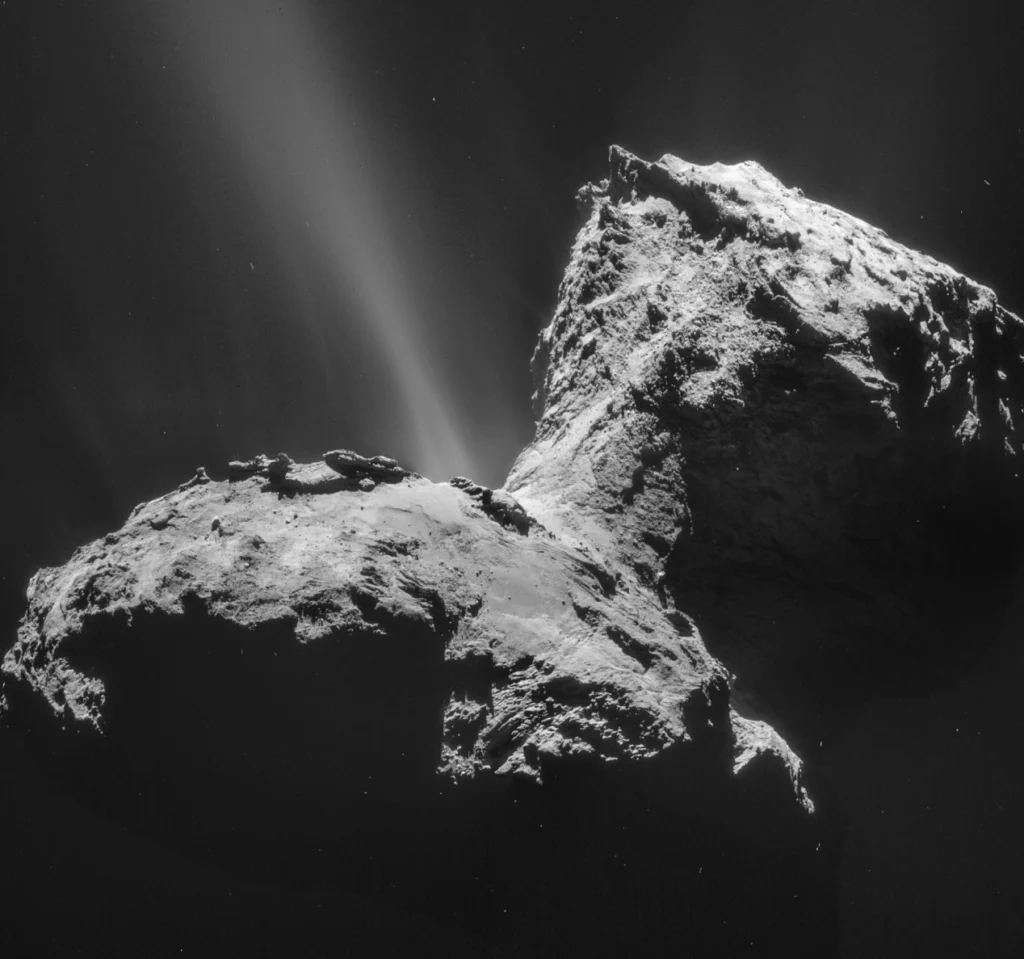
Late last year the Rosetta’s Plasma Consortium (RPC) announced that Comet 67P/Churyumov-Gerasimenko, which the European Space Agency’s Rosetta spacecraft has been studying since August 2014, was singing into space. Now, in a paper published today in the EGU’s open access journal Annales Geophysicae, the RPC team reveals more details about 67P’s song, including why the comet was singing. The sounds ...[Read More]
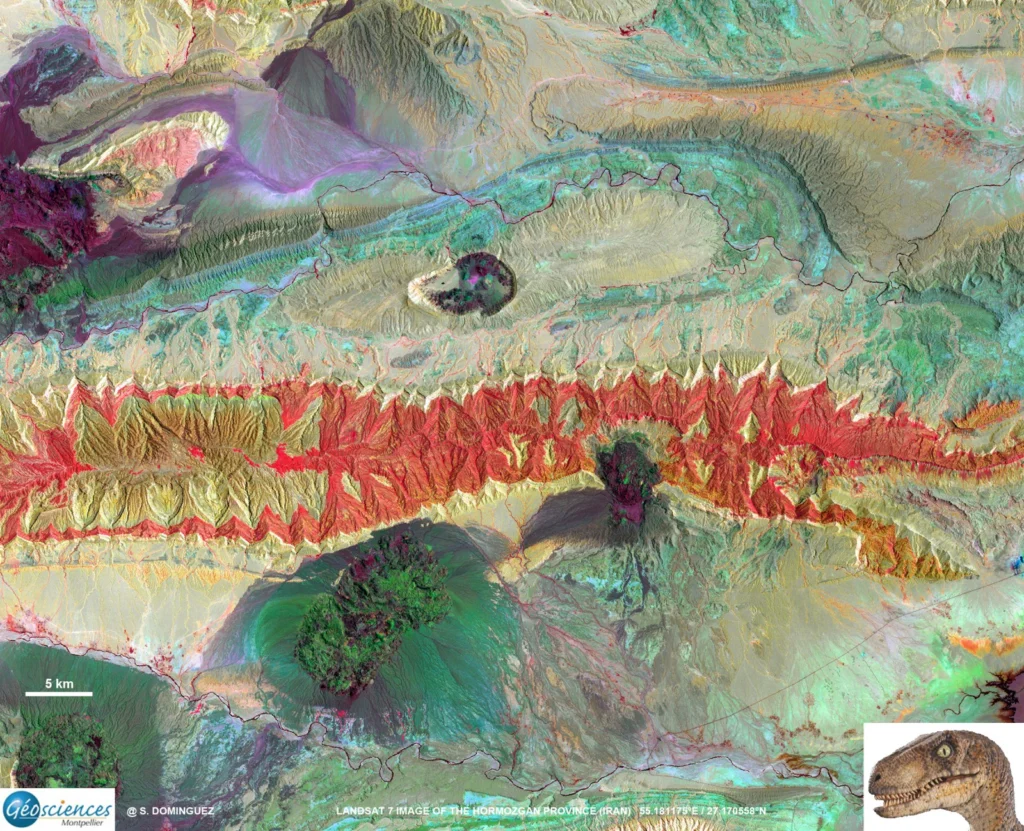
Imaggeo on Mondays: Velociraptor in the Zagros Mountains
How many times have you turned your head up to the sky and spotted familiar shapes in the clouds? Viewing structures from afar can reveal interesting, common and, sometimes, funny patterns. Satellite images are often used to map geological terrains. They offer a bird’s eye view of the planet and the opportunity to see broad scale structures, the scale of which would be impossible to grasp from the ...[Read More]
A guide to convening a session at the EGU General Assembly – Part I
Convening a session at a conference can seem daunting, especially if you are an early career research and a first-time convener. That’s why we’ve put together this two part series to outline the main steps of the process. With the call for sessions for the 2016 EGU General Assembly open until 18 September 2015, now is the perfect time to give it a go! The key ingredients are an idea for a session, ...[Read More]
Imaggeo on Mondays: Mesopotamia, the ancient land between rivers
Mesopotamia, an area rich in history and considered as the cradle of civilisation, with the first populations establishing themselves in the region some 6000 years ago,lies between two great rivers: the Euphrates and the Tigris. The ancient territory spans areas of modern-day Iraq, Kuwait, the northeastern section of Syria and small sections of southeastern Turkey and southwestern Iran. The histor ...[Read More]
Geosciences Column: The calamity of eruptions, or an eruption of benefits?
So here is a question: why would anyone want to live in the vicinity of an active volcano? The risks are well known, with hazards arising from lava flows, lahars, ash falls, debris avalanches, and pyroclastic density currents, with many often having deadly consequences. But despite the danger, more than half a billion people live in the direct vicinity of volcanoes. Could it be that communities pr ...[Read More]
The EGU Network blogs are looking for guest contributions
Are you a budding science writer, or want to try your hand at science communication? You might just be the person for our EGU network bloggers! A number of our network blogs would like to give their pages a bit of a boost and are seeking guest bloggers to contribute new, informative and engaging posts on an ad hoc basis. If you’ve recently been thinking about trying your hand at blogging, but aren ...[Read More]
Imaggeo on Mondays: The warming
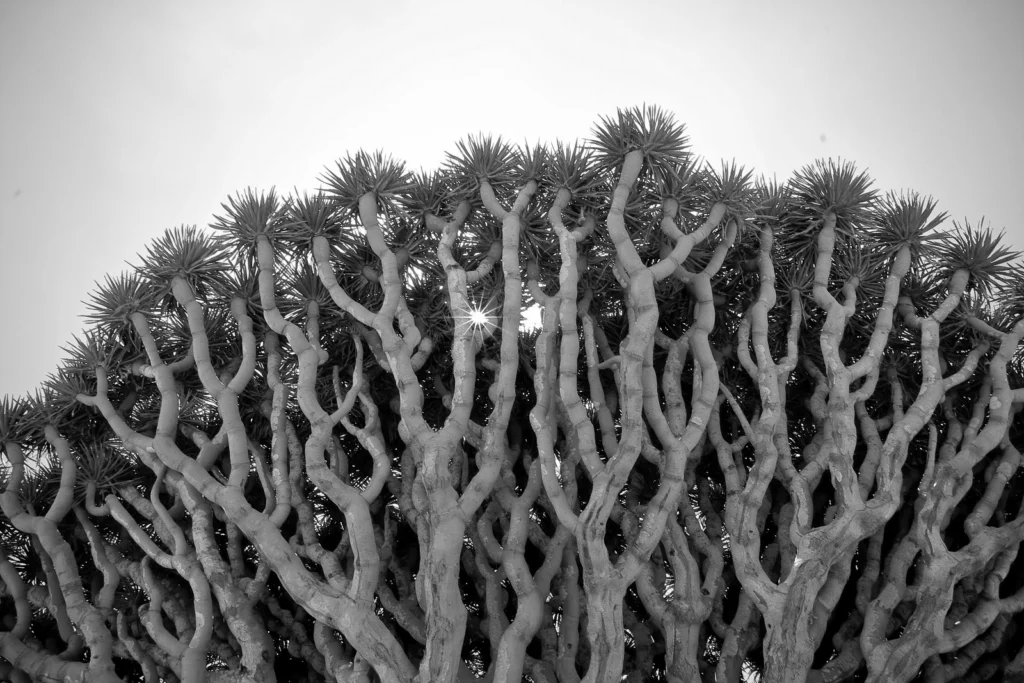
Events of meteorological significance, such as thunderstorms, hurricanes, cyclones, jet streams and global-scale circulations can be described by a general term: atmospheric dynamics. When it comes to it, atmospheric dynamics deals with nothing more than air, which, in truth, is very difficult to directly observe, (with the exception of clouds and precipitation). This makes the study of atmospheri ...[Read More]
GeoEd: EGU General Assembly and GIFT 2015
The most recent issue (Winter/Spring 2015) of the Teachers Clearinghouse for Science and Society Education Newsletter includes a piece, by Earth Science Correspondent, Michael J. Passow, on the 2015 General Assembly and the GIFT (Geosciences Information For Teachers) Workshop. Passow gives an account of this year’s workshop, on the topic of mineral resources, and outlines the participating teacher ...[Read More]
All you ever wanted to know about EGU publications
Did you know that, the EGU, through Copernicus Publications, publishes 17 peer-reviewed open-access journals? The journals cover a range of topics within the Earth, planetary and space sciences: with publications spanning the cryospheric sciences, soil system sciences, through to non-linear processes in geophysics, there is something for everyone. Whatever your area of research, chances are you’ll ...[Read More]
Imaggeo on Mondays: Mountains, rivers and agriculture
This week’s Imaggeo on Mondays image blends a range of geoscience disciplines. The post, by Irene Marzolff, a researcher at Johann Wolfgang Goethe-Universitaet, explores how the mountains, rivers and soils of the High Atlas in Morocco are intrinsically linked to the agriculture of the region. The image was taken in the southern slopes of the Western High Atlas, north of the city of Taroudann ...[Read More]