
One way to improve the impact of your scientific research is to engage with policy. Doing so can create new opportunities for yourself and your research. The main challenges are knowing when and how to effectively communicate scientific results to policy. If the wrong timing or communication method is chosen then results are less likely to be incorporated into the policy process. This month’s GeoP ...[Read More]
Imaggeo on Mondays: what corals can tell us about past climate change
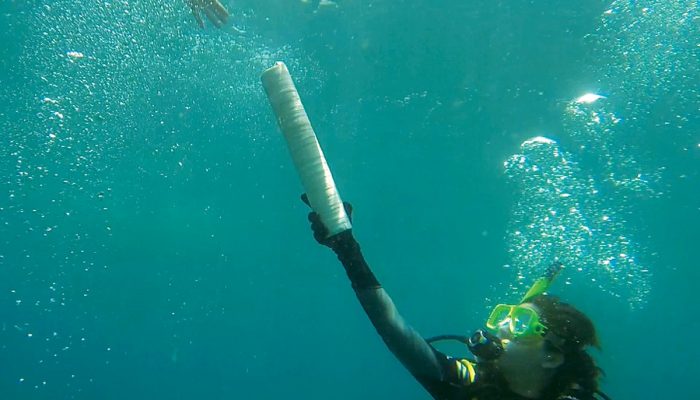
Reconstructing past climates is a tricky task at the best of times. It requires an ample data set and a good understanding of proxies. Add into the mix some underwater fieldwork and the challenge got a whole lot harder! In today’s Imaggeo on Monday’s post, Isaac Kerlow explains how information locked in corals can tell the story of past climates and how important it is, not only to carry out the r ...[Read More]
Geosciences Column: A new rock outcrop map and area estimation for the entire Antarctic continent
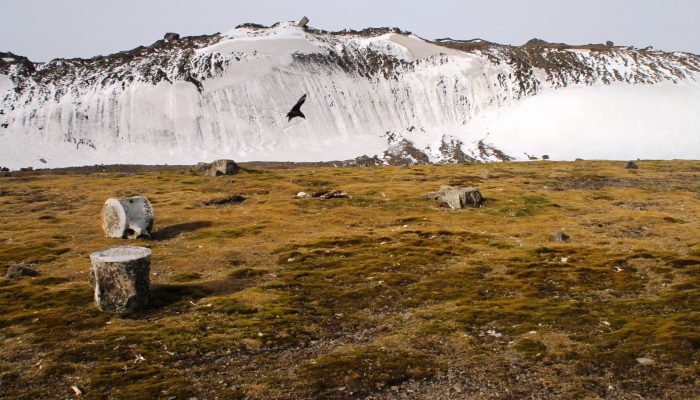
Antarctica has been known as “the frozen continent” for almost as long as we have known of its existence. It may be the only place on Earth where, instead of information on the extent of glaciers or ice caps, there exists a dataset of all non-icy areas compiled from satellite imagery. However, this repository is far from perfect: while satellite resolution and coverage have been steadily improving ...[Read More]
Imaggeo on Mondays: Get involved!
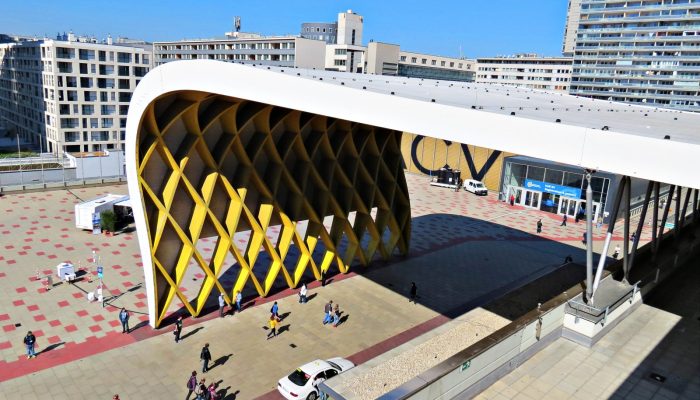
Today’s featured image is a throw back to our 2016 General Assembly! Did you enjoy this year’s 619 unique scientific sessions and 321 side events at conference? Did you know that EGU members and conference attendees can play an active role in shaping the scientific programme of the conference? It is super easy! You can suggest a session (with conveners and description), and/or modifica ...[Read More]
GeoTalk: Raffaele Albano, Early Career Scientist Representative
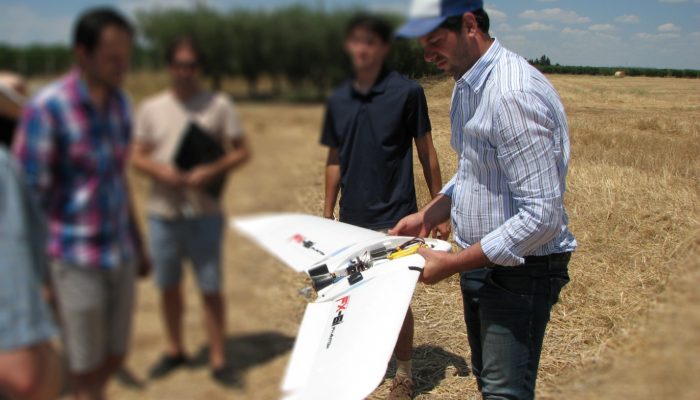
In addition to the usual GeoTalk interviews, were we highlight the work and achievements of early career researchers, over the next few months we’ll be introducing the Division early career scientist representatives (ECS). They are responsible for ensuring that the voice of EGU ECS membership is heard. From organising short courses during the General Assembly, through to running Division Blogs and ...[Read More]
Imaggeo on Mondays: Living flows
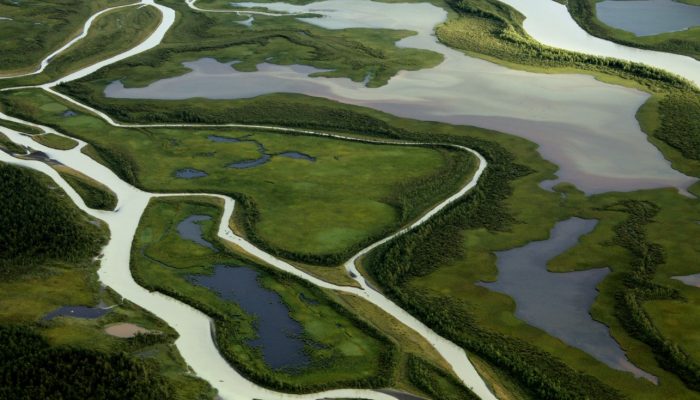
There are handful true wildernesses left on the planet. Only a few, far flung corners, of the globe remain truly remote and unspoilt. To explore and experience untouched landscapes you might find yourself making the journey to the dunes in Sossuvlei in Namibia, or to the salty plain of the Salar Uyuni in Bolivia. But it’s not necessary to travel so far to discover an area where humans have, so far ...[Read More]
GeoSciences Column: Improving together – science writing and football
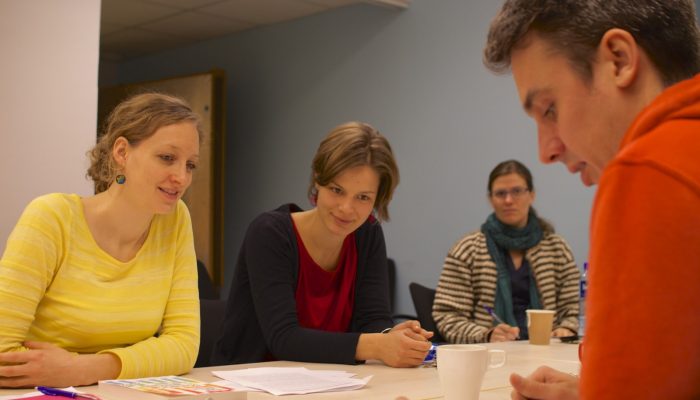
Writing is something that those pursuing a career in academia are expected to be good at. It is a requirement of the job, yet it is a skill few get any formal training in and simply rely on the old saying that practice makes perfect. But what if there is another way? Mathew Stiller-Reeve is a co-founder of ClimateSnack, a writing group organization, which aims to tackle the problem. In today’s pos ...[Read More]
Imaggeo on Mondays: counting stars
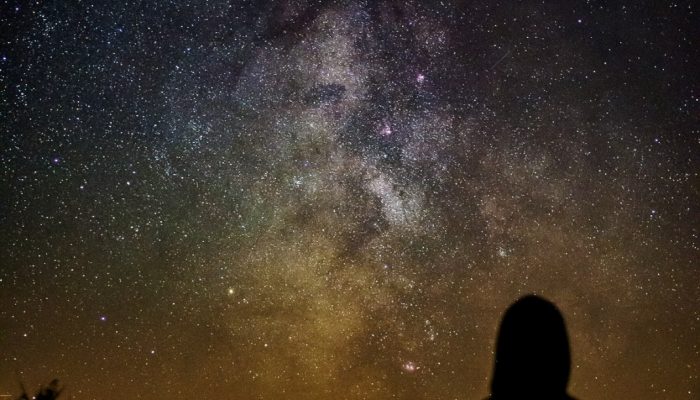
This year’s imaggeo photo contest saw humdreds of great entries. Among the winning images was a stunning night-sky panorama by Vytas Huth. In today’s post, Vytas describes how he captured the image and how the remote location in Southern Germany is one of the few (in Europe) where it is still posssible to, clearly, image the Milk Way. I took the image in October 2015, usually the last ...[Read More]
GeoTalk: REcycle textile posters into useful products
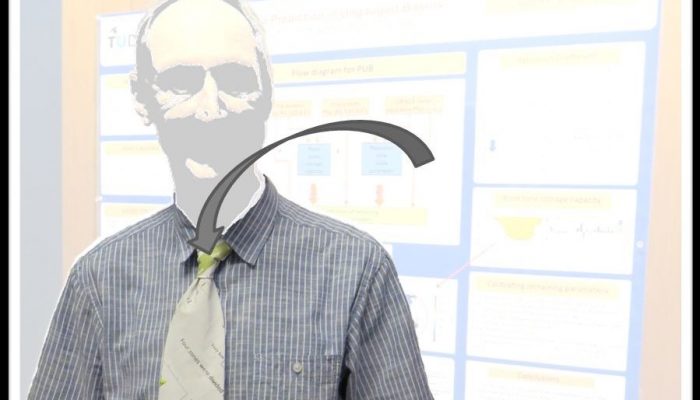
Conference posters: Most scientists spend tens (if not hundreds) of working hours perfecting their conference poster. There’s not just the science to think about, but also the design, the flow, the images, the language… The list is endless. Once complete, you print it, roll it up and feed it into the protective poster tube. Then you travel to the conference venue, whereupon you ‘compete’ with othe ...[Read More]
GeoPolicy: How do Members of European Parliament learn about science?
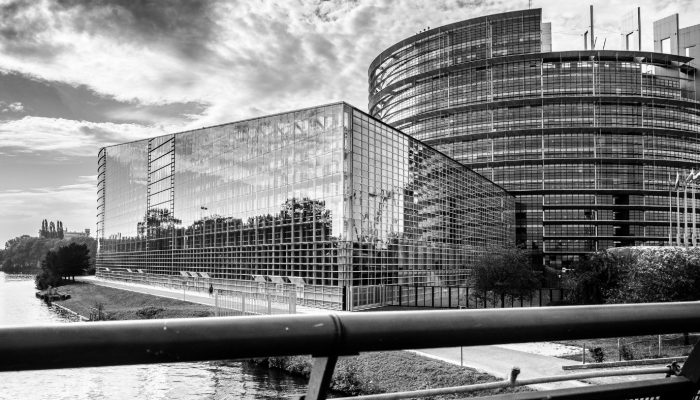
Only ~5% of Members of European Parliament, or MEPs, have a background in the physical sciences1, yet many political challenges require an understanding of the science surrounding these issues. Issues such as locating and extracting mineral resources, understanding climate change impacts, and developing new low-carbon technology. The European Commission (EC) and the European Parliament (EP) have s ...[Read More]