GeoLog

GeoLog

GeoSciences Column: The ‘dirty weather’ diaries of Reverend Richard Davis
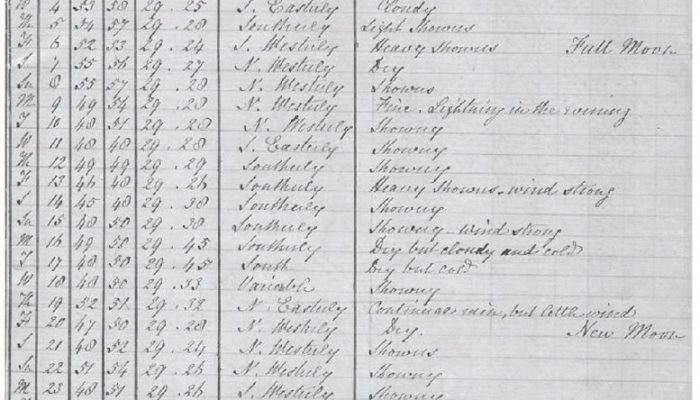
GeoSciences Column: The ‘dirty weather’ diaries of Reverend Richard Davis

Researching the Earth’s climate of the past, helps scientists make better predictions about how the climate and our environment will continue to be affected by, change and adapt to rising temperatures. One of the most invaluable sources of data, when it comes to understanding the Earth’s past climate, are historical meteorological records. Accounts of weather and climate conditions for the Souther ...[Read More]

We are hiring: be our next Science Policy Officer!

We are hiring: be our next Science Policy Officer!

Do you have an interest in science policy and the geosciences? Then this post might be just right for you! We are looking to hire a Science Policy Officer to continue developing the EGU’s policy programme, which is aimed at building bridges between geoscientists and European policymakers, engaging the EGU membership with public policy, and informing decision makers about the Earth, planetary and s ...[Read More]

Imaggeo on Mondays: A look inside a thunderstorm

Imaggeo on Mondays: A look inside a thunderstorm

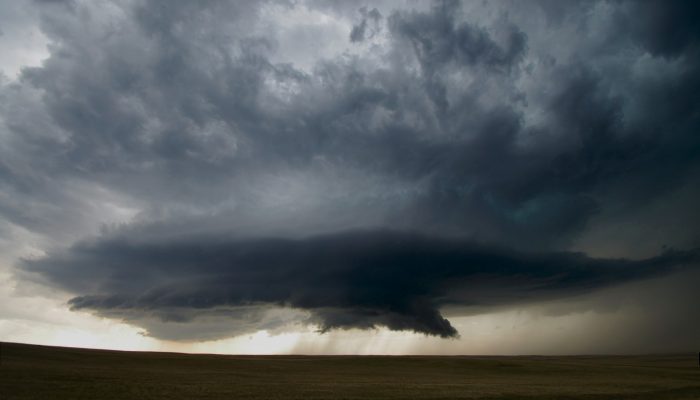
This week’s contribution to Imaggeo on Mondays is a photograph of a mesocyclone – and its rotating wall cloud – photographed by Mareike Schuster, an atmospheric scientist from Freie Universität Berlin, Germany. The picture was taken in June 2012 near Cheyenne, Wyoming in the United States during a field campaign, ROTATE, led by the Center for Severe Weather Research, based in Boulder, Colora ...[Read More]

GeoTalk: Drilling into the crater which contributed to the demise of dinosaurs

GeoTalk: Drilling into the crater which contributed to the demise of dinosaurs

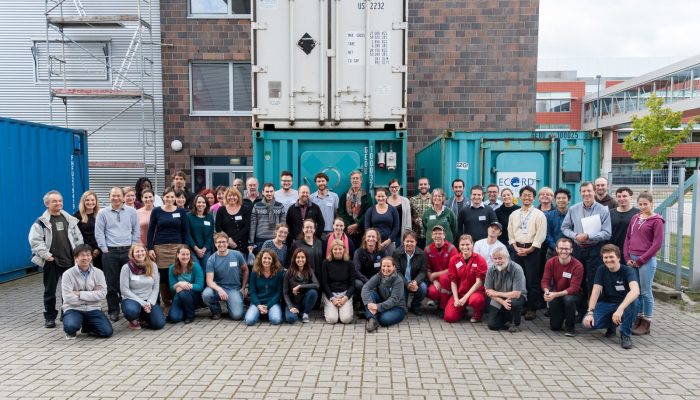
Six months ago, somewhere in the tropical waters off the coast of Mexico, scientists began drilling into one of the most iconic geological features on Earth: the Chicxulub crater; the 66 million year old remnants of a deadly asteroid impact, thought to have contributed to the demise of dinosaurs and most other forms of life which inhabited the Earth at the time. Today we speak to Sonia Tikoo, Assi ...[Read More]

What is in your field rucksack? Backpacking in the wilderness

Inspired by a post on Lifehacker on what your average geologist carries in their rucksack/backpack, we’ve put together a few blog posts showcasing what a range of our EGU members carry in their bags whilst in the field! This bag belongs to: Alexa Van Eaton Field Work location: Glacier Peak volcano, Washington, USA Duration of field work: 12 days What was the aim of the research?: Glacier Peak is a ...[Read More]

Imaggeo on Mondays: Why does a Norwegian glacier look blue?

Imaggeo on Mondays: Why does a Norwegian glacier look blue?

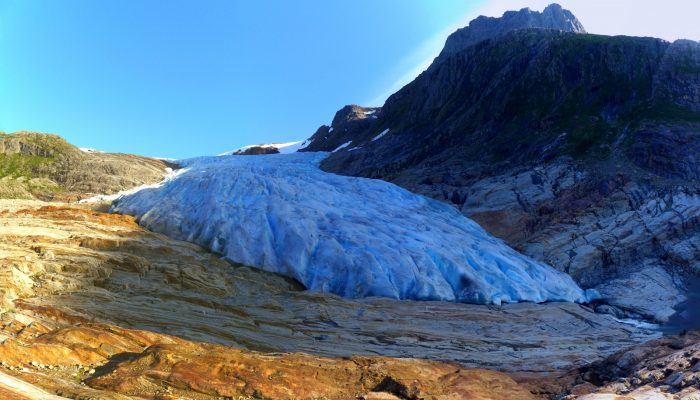
This picture shows the outlet glacier Engabreen running down from the plateau of Svartisen in Norway. Svartisen ice cap comprises two glacier systems of which the Vestre (western) Svartisen is Norway’s second largest glacier. Located right at the polar circle, Svartisen covers a total of 369 km² of the Nordland region. These coastal mountains accumulate a snowpack of 5-7 m depth through the winter ...[Read More]

Join us at EGU 2017: Call-for-abstracts is now open!

Join us at EGU 2017: Call-for-abstracts is now open!

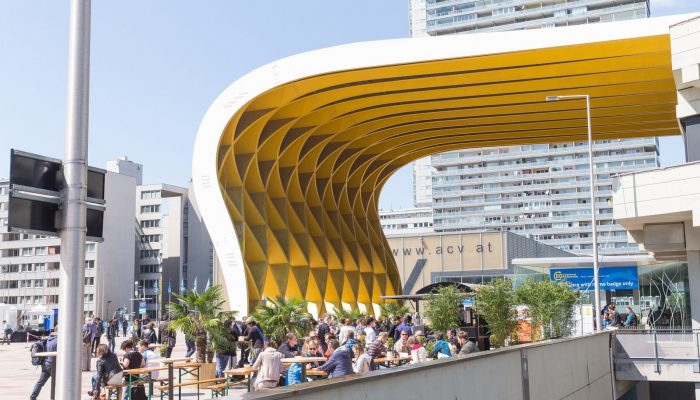
From now, up until 11 January 2017, you can submit your abstract for the upcoming EGU General Assembly (EGU 2017). In addition to established scientists, PhD students and other early career researchers are welcome to submit abstracts to present their research at the conference. Further, the EGU encourages undergraduate and master students to submit abstracts on their dissertations or final-year pr ...[Read More]

GeoPolicy: Living in a post-factual society and why it’s more important than ever for scientists to engage

GeoPolicy: Living in a post-factual society and why it’s more important than ever for scientists to engage

Last week, the EGU Science Policy Fellow packed her bags and flew to Brussels. Now this wasn’t to sample some of the fine beers Belgium has to offer, but to attend the 2nd International Network on Government Science Advice (INGSA) Conference. This conference, co-organised by INGSA and the European Commission, aimed to discuss the major principles needed for effective science advice to governments, ...[Read More]

Imaggeo on Mondays: The odd ‘living’ rocks

Imaggeo on Mondays: The odd ‘living’ rocks

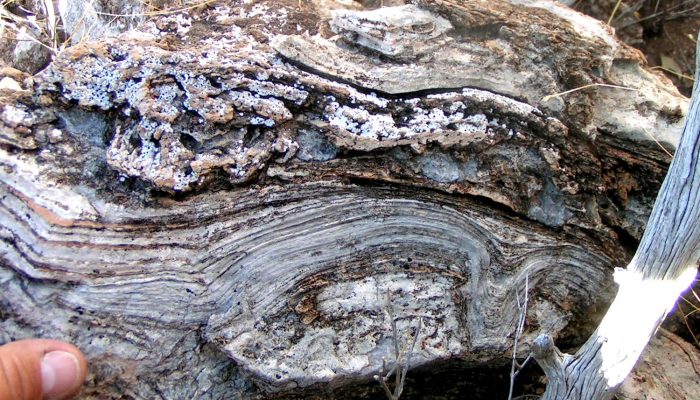
Microbialites – structures which result from the interaction between microbes and sediments – have existed in the rock record since 3700 Ma ago until the present day. The presence of microbes in environments where mineral precipitation is prevalent, usually derives in the development of such chemical sedimentary structures. This can take place in marine, non-marine, and subterranean environm ...[Read More]

Imaggeo on Mondays: recording the Earth’s magnetic field one grain at a time

Imaggeo on Mondays: recording the Earth’s magnetic field one grain at a time

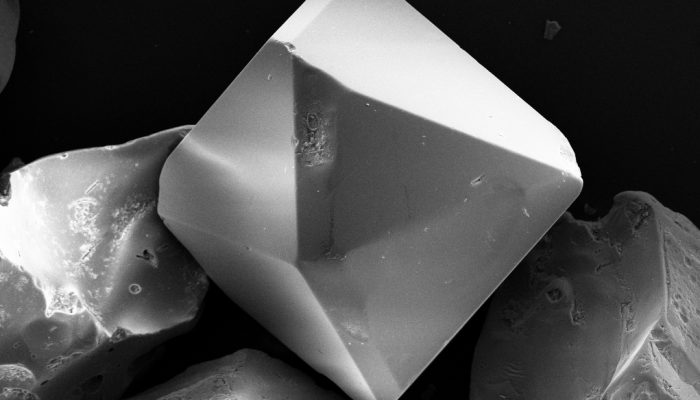
The Earth’s magnetic field extends from the core of the planet, right out to space. It is an invisible, butterfly-like, shield which protects us against the harmful particles ejected by solar flares. In addition, it guards us from atmospheric erosion and water loss caused by solar wind. But how do scientists study the Earth’s magnetic field when it can’t be see? Much of what is known results from ...[Read More]