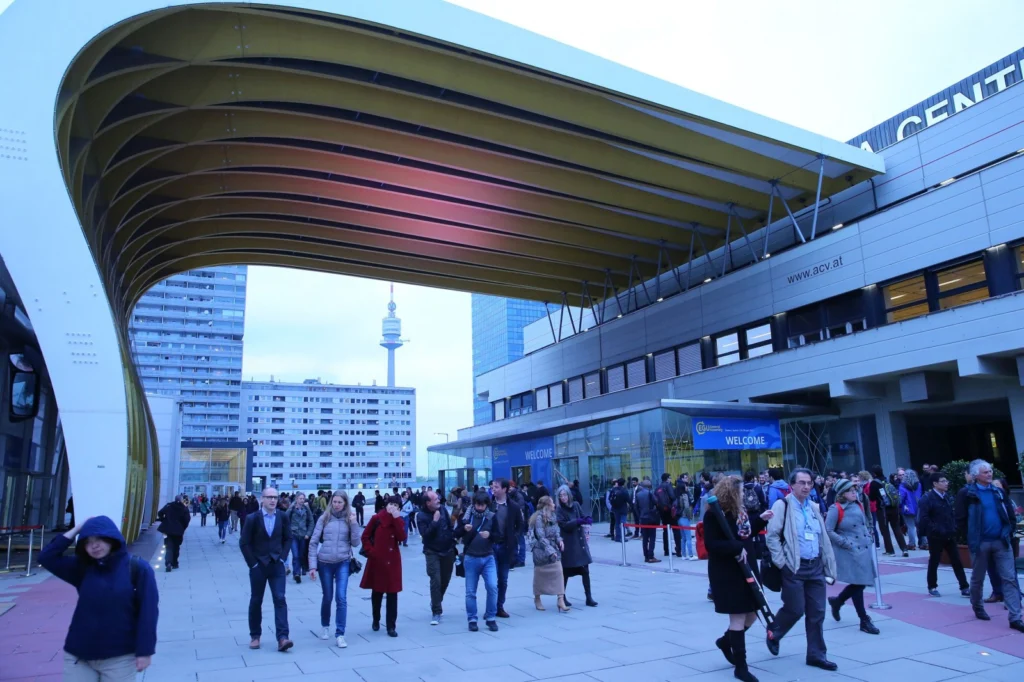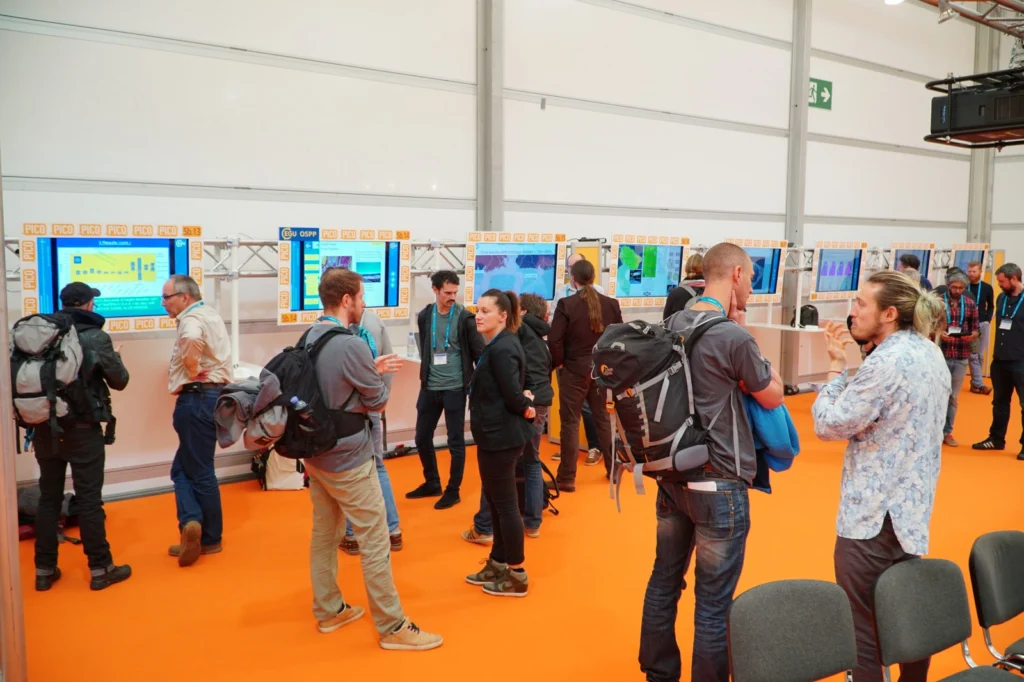
Do you have experience in science education or outreach? Are you looking to get more involved with the EGU community? The EGU Committee on Education and the EGU Outreach Committee are both searching for members interested in promoting the geosciences as well as engaging with the groups inside and outside the science community. The Committee on Education, who is seeking a new committee chair, coord ...[Read More]
February GeoRoundUp: the best of the Earth sciences from across the web
Drawing inspiration from popular stories on our social media channels, as well as unique and quirky research news, this monthly column aims to bring you the best of the Earth and planetary sciences from around the web. Major stories The biggest story in Europe right now is the bone-chilling cold snap sweeping across the continent. This so-called ‘Beast from the East’ sharply contrasts with the Arc ...[Read More]
Imaggeo on Mondays: Winter threatens to freeze over fieldwork
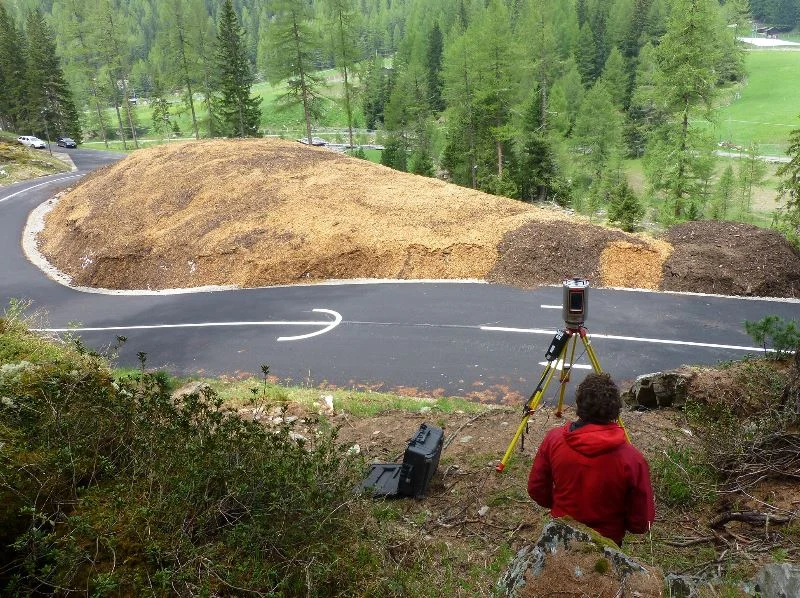
This photo was taken during a fieldwork campaign following the mainshock of the deadly seismic sequence that struck central Italy starting from 24 August 2016. The magnitude 6.2 earthquake severely damaged nearby towns, claimed more than 290 lives and injured nearly 400 people in its wake. As a geologist from the National Institute of Geophysics and Volcanology, I was in charge of measuring the ma ...[Read More]
Geopolicy: Combating plastic pollution – research, engagement and the EU Plastic Strategy
Awareness around the prevalence of plastic pollution, particularly in our oceans, has been growing over the last few years. This is not surprising considering that plastic production has surged from 15 million tonnes in 1964 to 311 million tonnes in 2014 and models have shown that this number will double again within the next 20 years in a business as usual scenario. Furthermore, research conducte ...[Read More]
EGU 2018 General Assembly programme is now online!
The EGU General Assembly 2018 programme is available here. Take a look and – if you haven’t already – register for the conference by 1 March to make the early registration rates! This year’s scientific programme of the General Assemby includes Union-wide Sessions, such as the medal lectures, great debates, short courses, education and outreach symposia, as well as townhall and splinter meeti ...[Read More]
Imaggeo on Mondays: The birth of a new ocean
This is a photograph of Zin (or Tzin) Valley, taken from Midreshet Ben Gurion at Sede Boker, Negev Desert in Israel. The Zin Valley takes its name from the River Zin, which is now a dry river except for a few days of the year when heavy rainfall can form dangerous flash floods. The River Zin originates from the Makhtesh Ramon (Crater Ramon), the biggest erosion crater in the world. It is located a ...[Read More]
GeoTalk: Stephanie Zihms, Early Career Scientist Representative
In addition to the usual GeoTalk interviews, where we highlight the work and achievements of early career researchers, this month we’ll also introduce one of the Division early career scientist representatives (ECS). They are responsible for ensuring that the voice of EGU ECS membership is heard. From organising short courses during the General Assembly, through to running and attending regular EC ...[Read More]
Last chance to enter the EGU Photo Contest 2018!
If you are pre-registered for the 2018 General Assembly (Vienna, 8 -13 April), you can take part in our annual photo competition! Winners receive a free registration to next year’s General Assembly! But hurry, there are only a few days left to enter! Every year we hold a photo competition and exhibit in association with our open access image repository, Imaggeo, and our annual General Assembly. Th ...[Read More]
Imaggeo on Mondays: Tasman Lake Down Under
The Tasman Glacier Terminal Lake, seen in this photograph, lies in the Aoraki Mount Cook National Park in New Zealand’s south island. The photographer, Martina Ulvrova, stated she “finally got to see the largest glacier in New Zealand after several days of heavy rain, during which the landscape was bathing in mist”. The Tasman Glacier is 23 km long and is surrounded by a terminal proglacial lake w ...[Read More]
Geosciences Column: How fast are Greenland’s glaciers melting into the sea?
The Greenland ice sheet is undergoing rapid change, and nowhere more so than at its margins, where large outlet glaciers reach sea level. Because these glaciers are fed by very large reservoirs of ice, they don’t just flow to the coast, but can extend many kilometres out into the ocean. Here, the ice – being lighter than water – will float, but remain connected to the ice on the mainland. This phe ...[Read More]