GeoLog

Science Communication

Geosciences Column: The calamity of eruptions, or an eruption of benefits?
Geosciences Column: The calamity of eruptions, or an eruption of benefits?
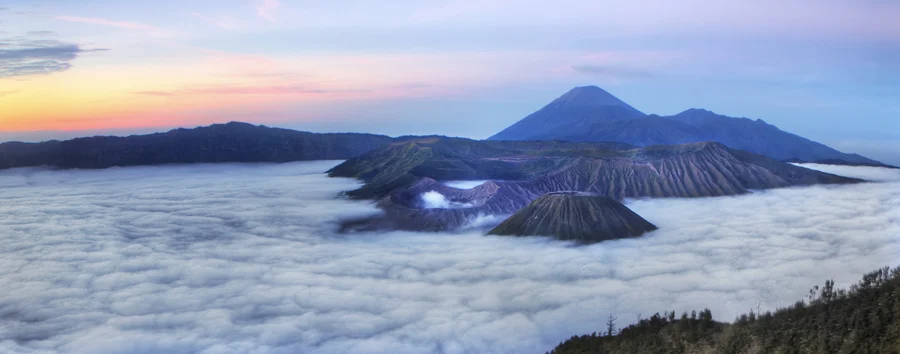
So here is a question: why would anyone want to live in the vicinity of an active volcano? The risks are well known, with hazards arising from lava flows, lahars, ash falls, debris avalanches, and pyroclastic density currents, with many often having deadly consequences. But despite the danger, more than half a billion people live in the direct vicinity of volcanoes. Could it be that communities pr ...[Read More]

The EGU Network blogs are looking for guest contributions

Are you a budding science writer, or want to try your hand at science communication? You might just be the person for our EGU network bloggers! A number of our network blogs would like to give their pages a bit of a boost and are seeking guest bloggers to contribute new, informative and engaging posts on an ad hoc basis. If you’ve recently been thinking about trying your hand at blogging, but aren ...[Read More]

All you ever wanted to know about EGU publications

All you ever wanted to know about EGU publications

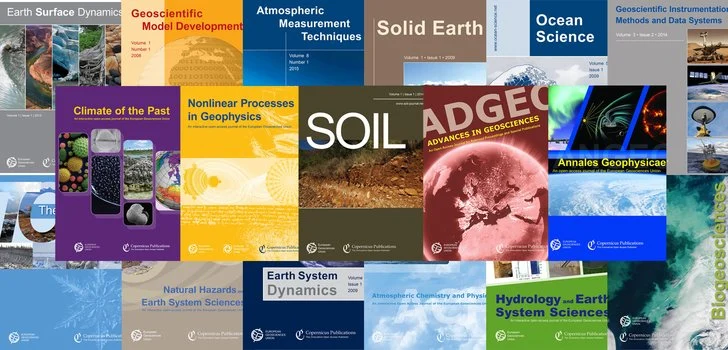
Did you know that, the EGU, through Copernicus Publications, publishes 17 peer-reviewed open-access journals? The journals cover a range of topics within the Earth, planetary and space sciences: with publications spanning the cryospheric sciences, soil system sciences, through to non-linear processes in geophysics, there is something for everyone. Whatever your area of research, chances are you’ll ...[Read More]

GeoEd: Social Communications

GeoEd: Social Communications

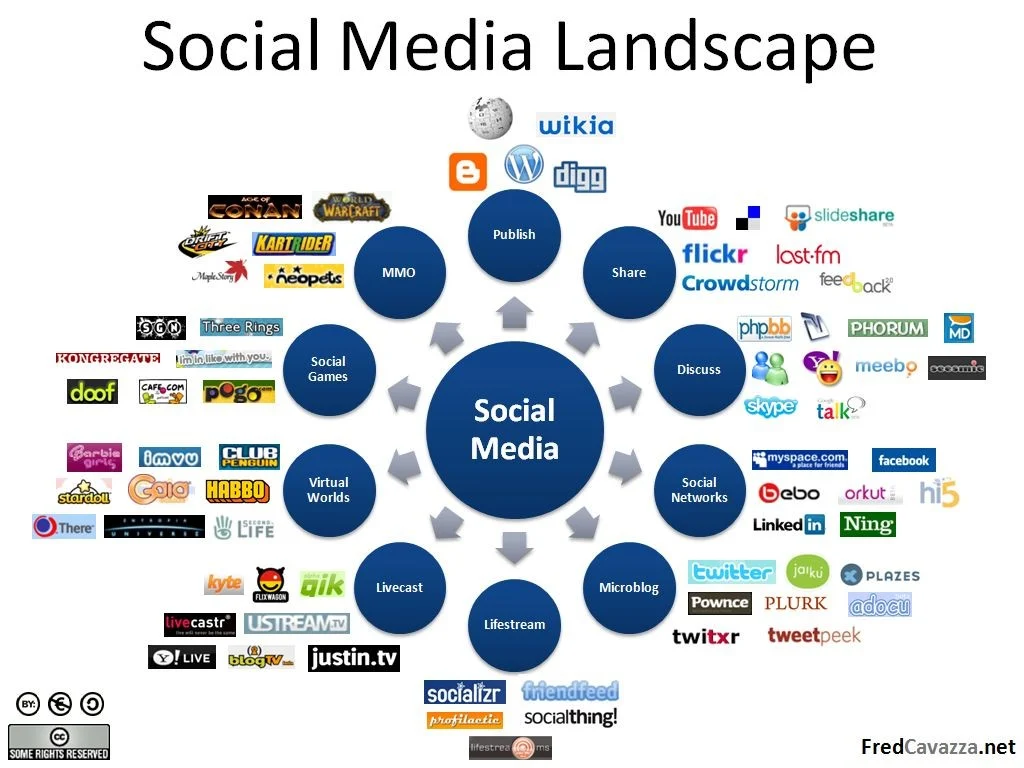
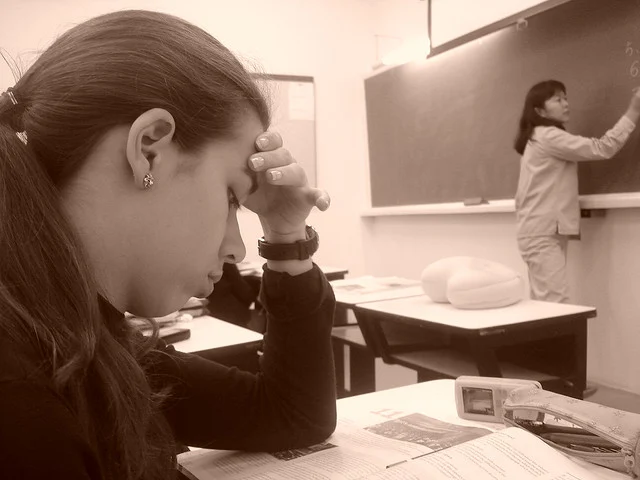
We all know that social media is an excellent way in which we can communicate our research (and indeed our rants, dreams, and favourite cat pictures) to the general public, but can we also use it to communicate our research in the classroom? From kindergarten to higher education, social media can be a fantastic learning tool, which can help to open up digital windows into the world of geosciences. ...[Read More]

Film review: Revolution

Film review: Revolution

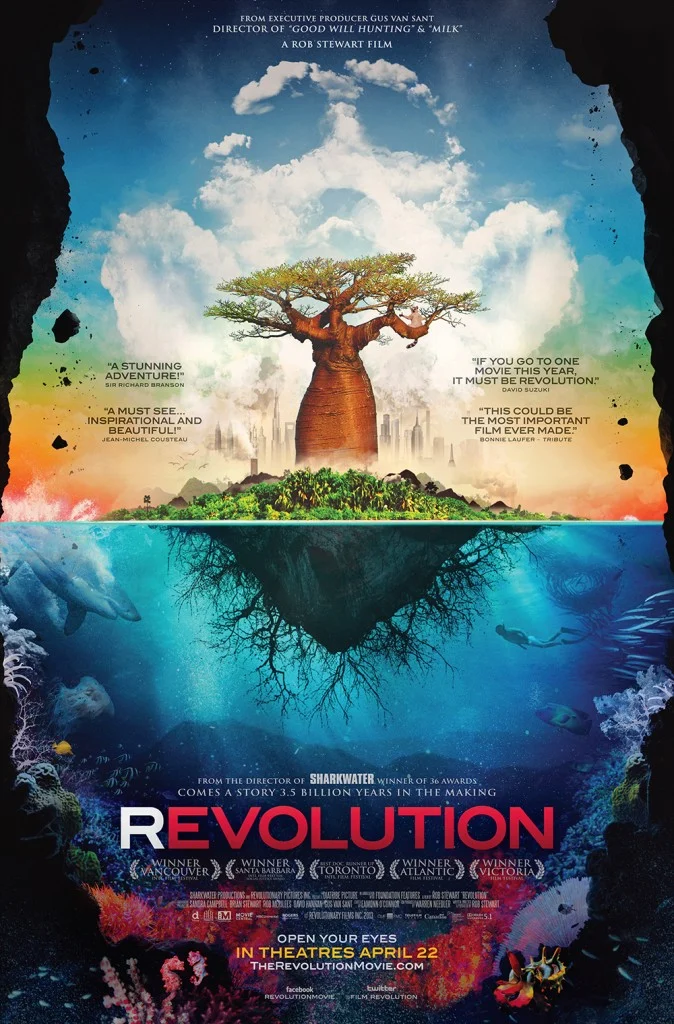
It’s not every day you are asked to review a film, and since it’s a documentary that encompasses a few of EGU’s sciences (such as climate sciences, biogeosciences, and energy, resources and the environment), I couldn’t say no. I’ll start by giving it a rating, 3.5/5 stars, though I would probably give it more if I were part of the film’s main target audience. Revolution, by biologist-photographer ...[Read More]

GeoTalk: Meet Andi Rudersdorf, winner of I’m a Geoscientist 2015!

GeoTalk: Meet Andi Rudersdorf, winner of I’m a Geoscientist 2015!

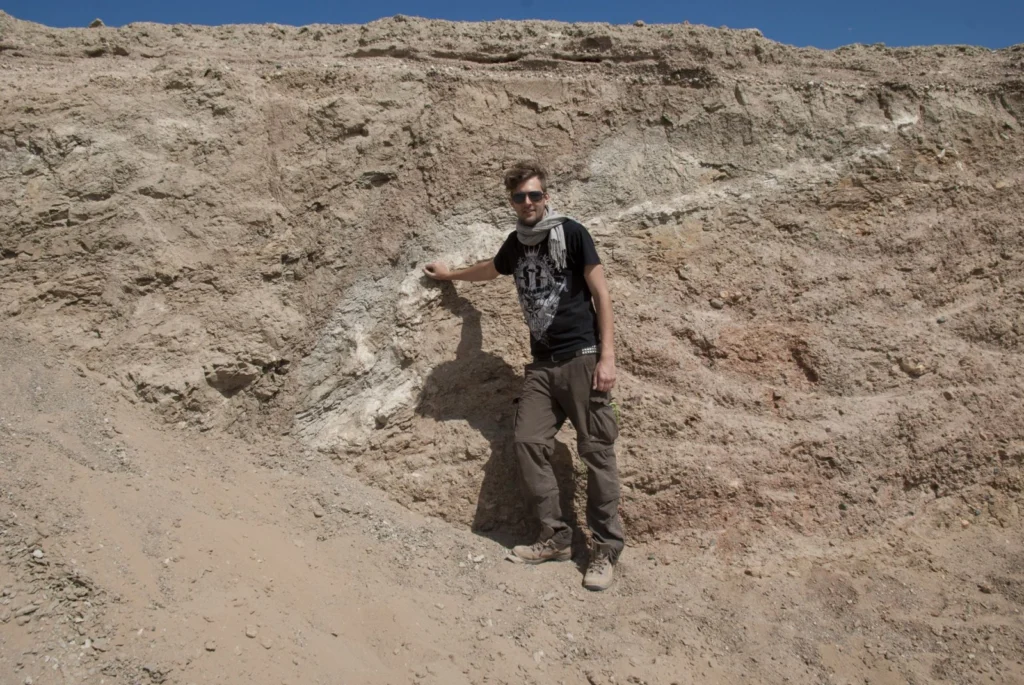
Earlier this year we ran the second I’m a Geoscientist event, an online chat-based game show in which school kids vote for their favourite geoscience communicators. In this week’s GeoTalk, Laura Roberts  talks to Andi Rudersdorf, a neotectonics PhD student and winner of this year’s I’m a Geoscientist… First, for those who didn’t been following I’m a Geoscientist, can you tell us a little about you ...[Read More]

Studying an active volcano – in pictures

Studying an active volcano – in pictures

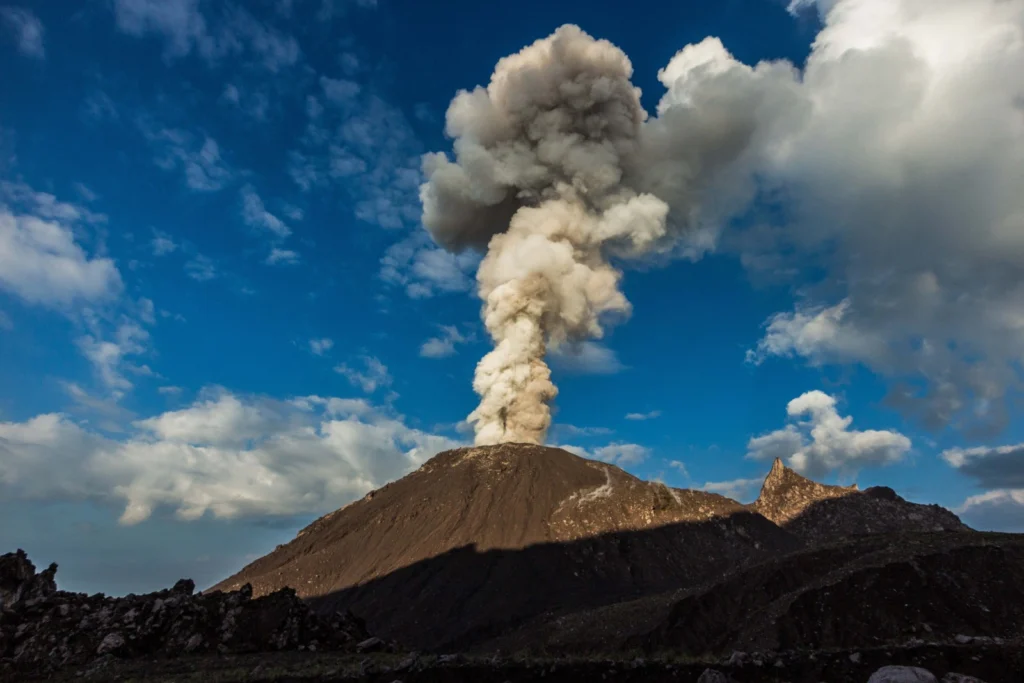
Santiaguito volcano in Guatemala is one of the most active volcanoes in Central America: currently erupting every 45-90 mintues, from its active lava dome Caliente, while at the same time sending a lava flow down its flanks. This makes it an ideal study object for volcanology. A group of volcanologists from the University of Liverpool, in the UK, installed a network of geophysical stations around ...[Read More]

GeoEd: I’m a Geoscientist 2015

Imagine a talent show where contestants get voted off depending on their skills in their area of choice. Then imagine that this talent show is populated by geoscientists with school students voting them off based on the scientist’s ability to communicate their research well. This is the basis of an educational initiative called I’m a Geoscientist, a spinoff of UK’s I’m a Scientist. I’m a Geoscient ...[Read More]

GeoEd: Why So Serious?

In this edition of GeoEd, Sam Illingworth, a lecturer in science communication at Manchester Metropolitan University, explores the benefits of a more informal teaching style and how the incorporation of play into everyday teaching can help to engage and enthuse students who oterhwise struggle to connect with the sciences. Despite the hard work, there are some real perks to being a scientists: fiel ...[Read More]