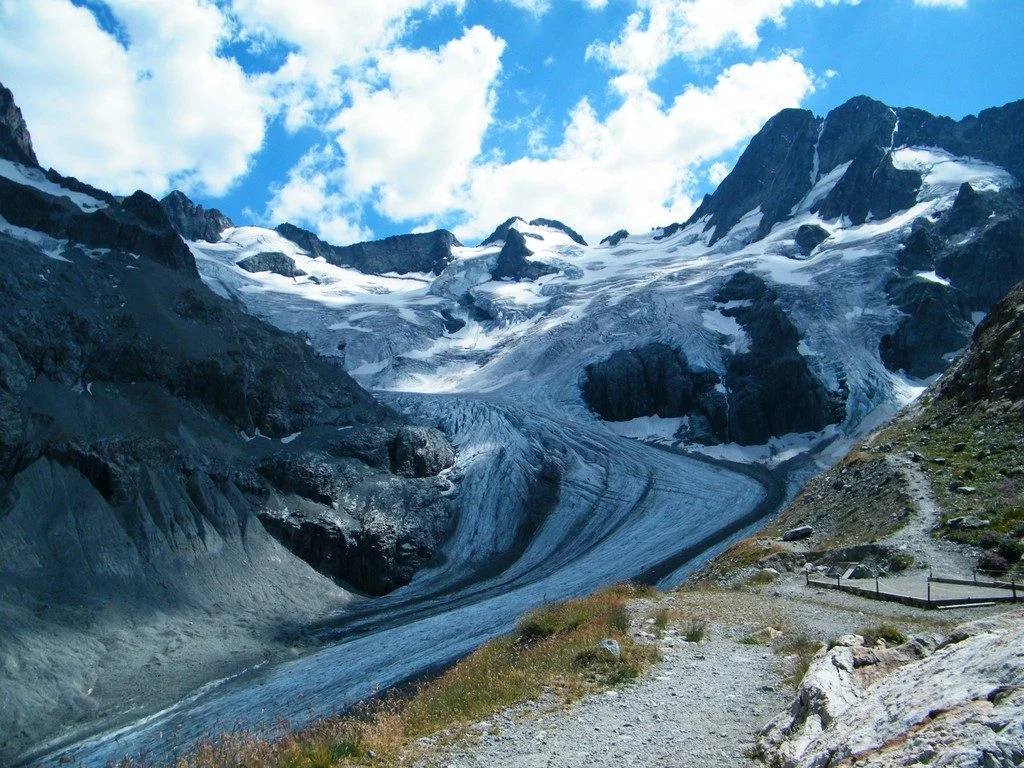
Drawing inspiration from popular stories on our social media channels, major geoscience headlines, as well as unique and quirky research, this monthly column aims to bring you the latest Earth and planetary science news from around the web. Major stories Latest IPCC report puts the oceans and cryosphere in focus Last month the United Nations’ …[Read More]
Regular Features
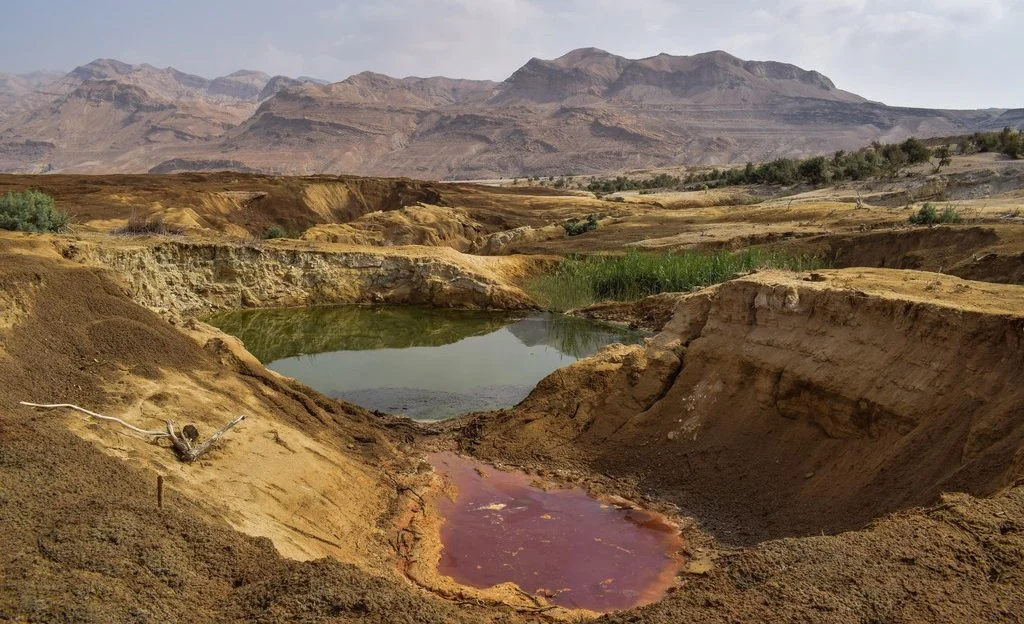
Imaggeo on Mondays: The colourful sinkhole clusters at Ghor Al-Haditha
Sinkholes that form on the Dead Sea shore at Ghor Al-Haditha, Jordan, often occur in clusters, with many holes packed into a small area. However the visual appearance of neighbouring sinkholes can vary significantly. Mineral precipitation in the foremost sinkhole in this picture, which has no fresh water supply, gives it a garish pink-orange colouration. …[Read More]
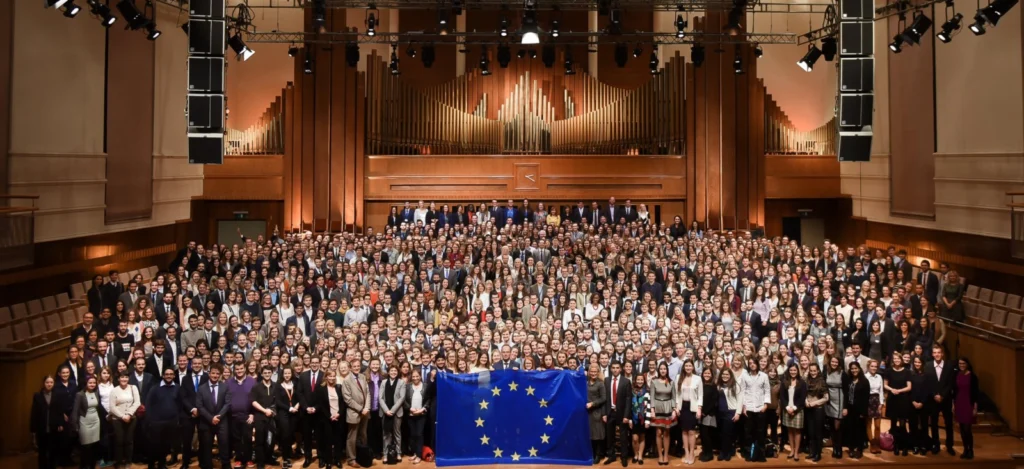
GeoPolicy: One American’s way into the European Commission
An unsolicited email to a LinkedIn connection holding the title “science communicator” led me to the European Commission. My journalism master’s thesis was now complete, and I was in hasty pursuit of a career in citizen engagement of science. The EGU’s Policy Officer Chloe Hill responded to my spontaneous request for career direction and forwarded …[Read More]
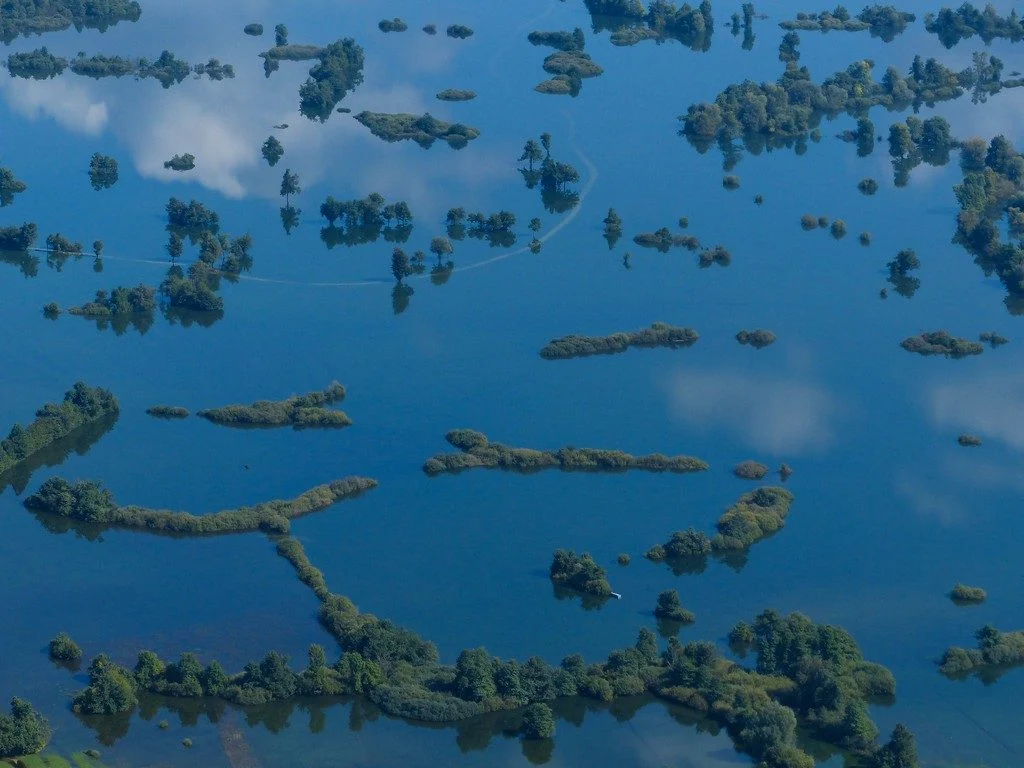
Imaggeo on Mondays: The polje between sky and Earth
Poljes are one of the most impressive features existing in karst landscapes. These large flat closed depressions are prone to regular flooding that can form temporary lakes on their surface. Planinsko Polje [in Slovenia] is surely the most famous example of polje existing. The highest floods can reach up to 8 metres above the gauging …[Read More]
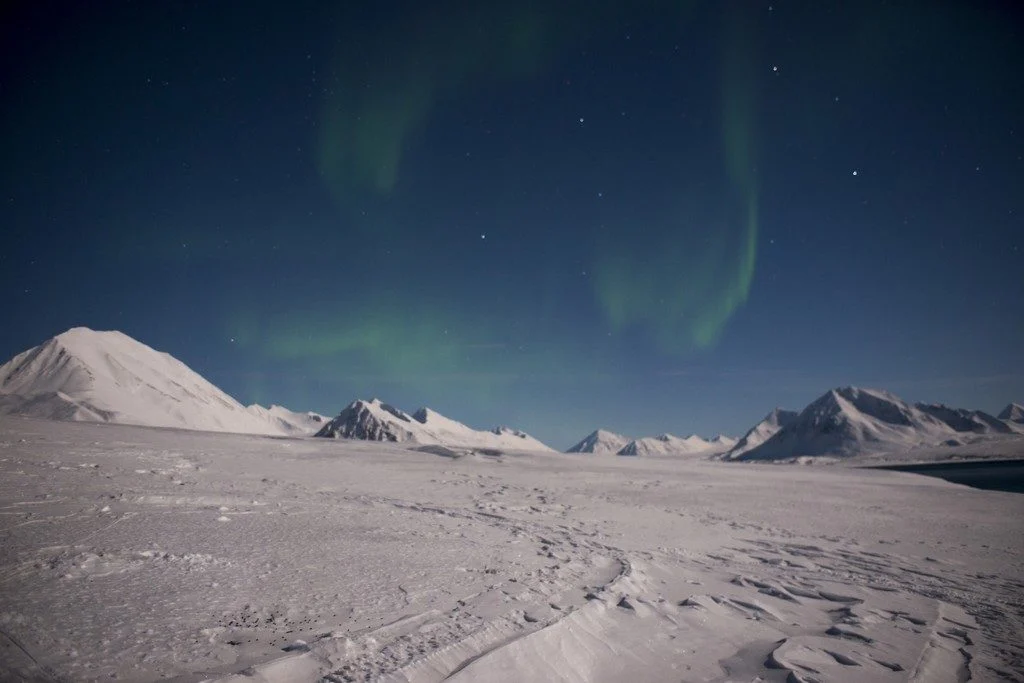
Imaggeo on Mondays: How do Earth’s Northern Lights form?
Aurora Borealis, which means Northern Lights are caused by electrically charged particles from the sun, which enter the Earth’s atmosphere and collide with gases such as oxygen and nitrogen. When the charged particles are blown towards the Earth by the solar wind, they are largely deflected by the Earth’s magnetic field. However, the Earth’s magnetic …[Read More]
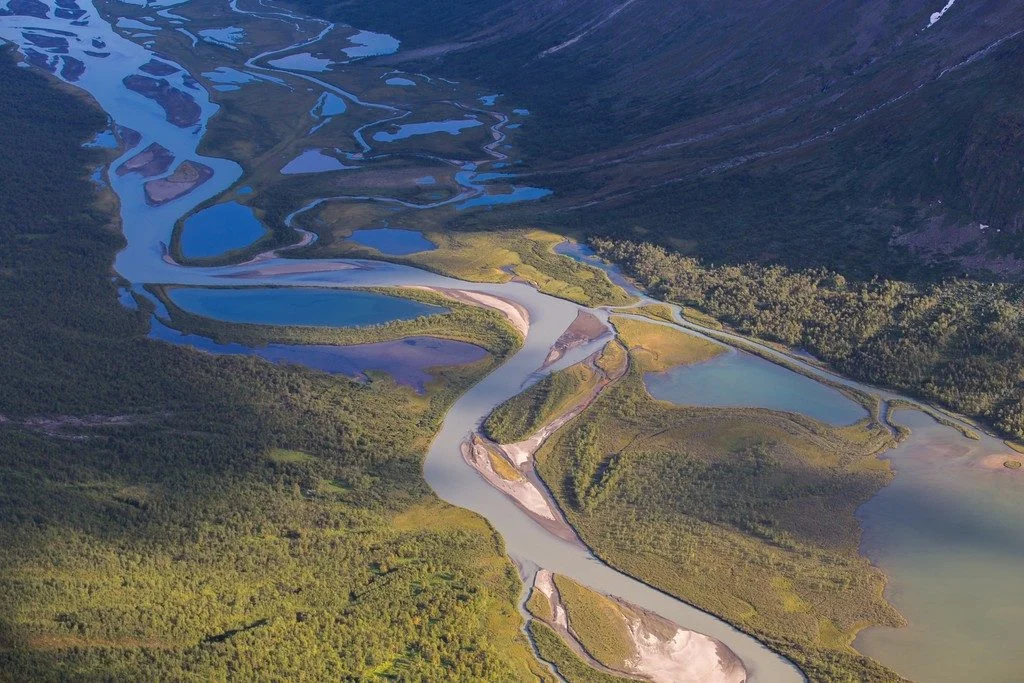
Imaggeo on Mondays: A lifeline between light and shadow
The Rapaälven making its way through the Rapadalen valley in Northern Sweden. After over a week of hiking through pure wilderness I reached the summit of Skierffe together with three friends. We were just blown away by the view and completely in awe for the beautiful shape of the rivers course… little lakes in between …[Read More]
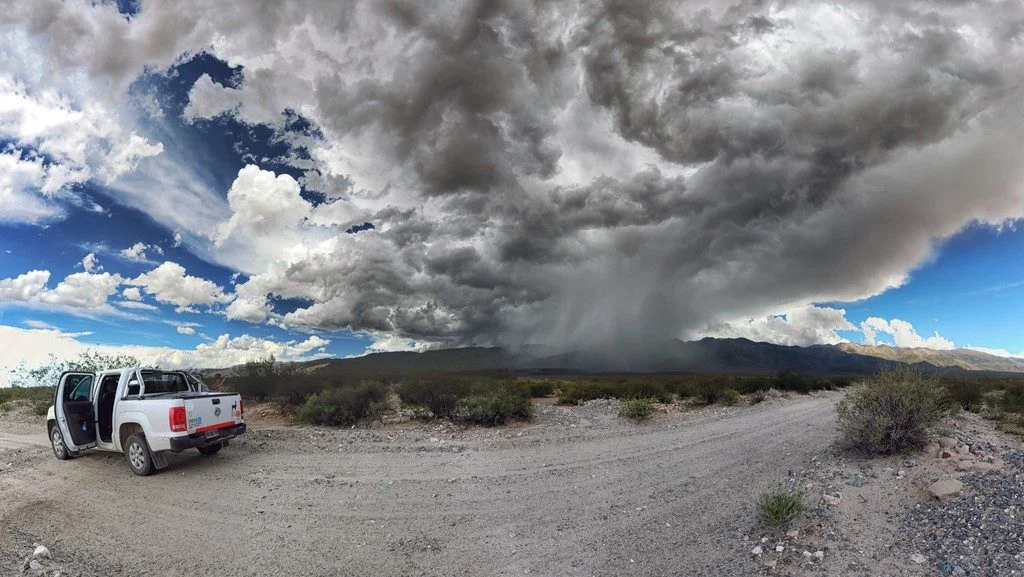
Imaggeo on Mondays: how short-term storms can impact our landscapes
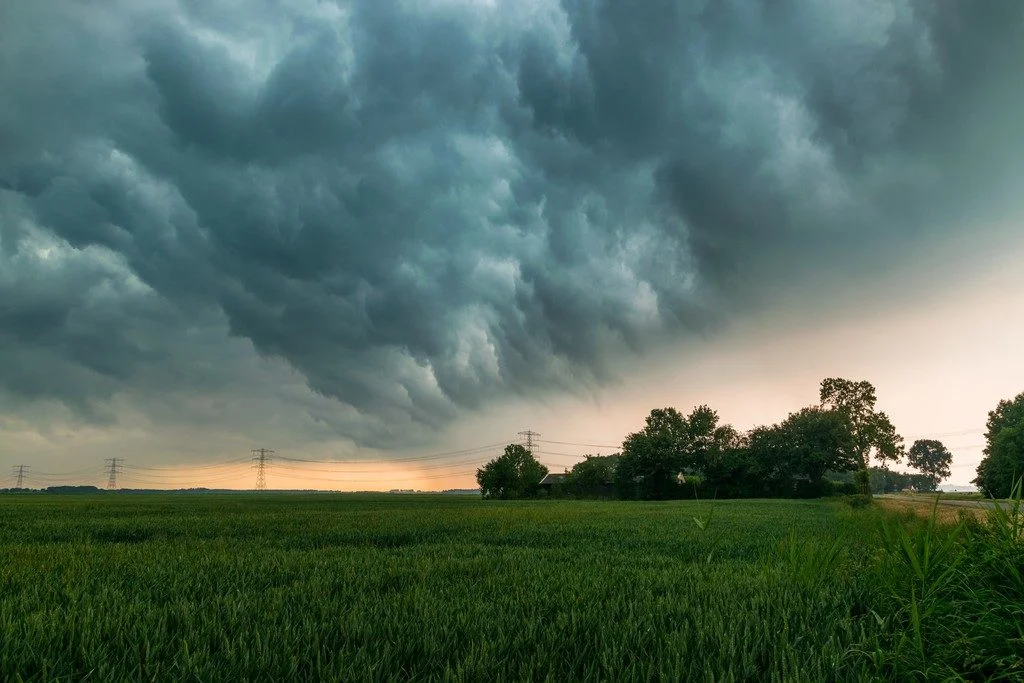
In the Sierra de Aconquija, a mountain range in the southern Central Andes of Argentina, strong storms often come and go at a moment’s notice, but they can have a long-lasting impact on the Earth’s surface. The thunderstorm cell featured in this photo formed in less than half an hour, giving all those nearby only …[Read More]
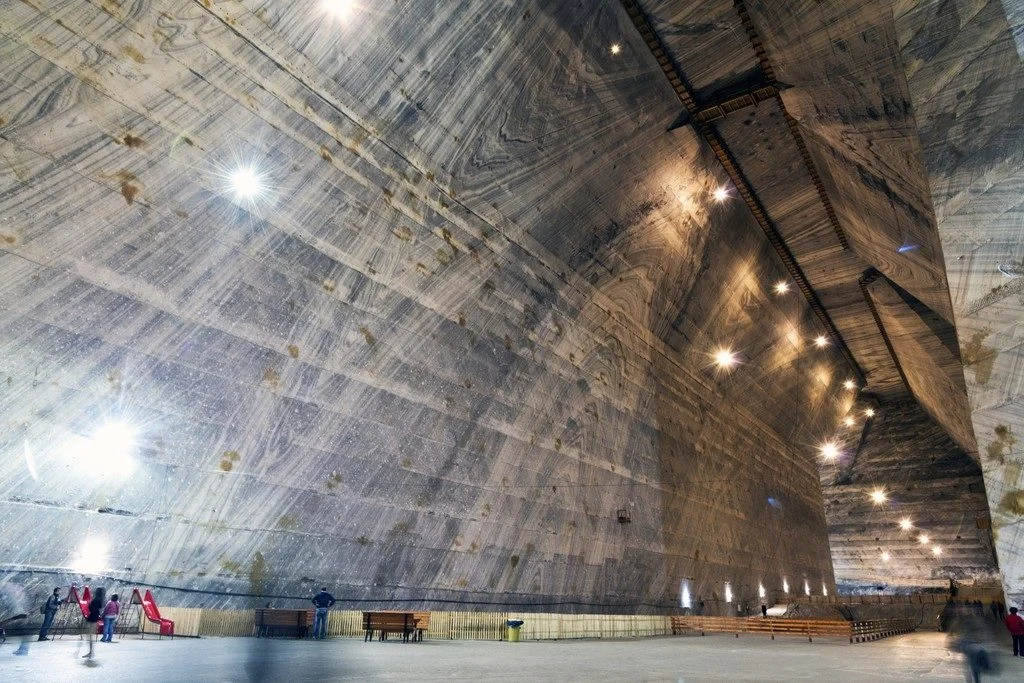
Imaggeo on Mondays: The salt mine carving into the Carpathians
The image gives us a glimpse into the Slănic Salt Mine in central Romania, about 100 kilometres north of the capital city Bucharest. The region was actively mined for almost 30 years, from 1943 to 1970. The Slănic Salt Mine is the largest salt mine in Europe, and the facility consists of 14 large chambers, …[Read More]
Imaggeo on Mondays: Inside the whale’s mouth
Often there are moments in our lives when we are reminded of the strength and magnitude of our environment, whether that’s trekking through a mountain range or gazing at the horizon from the ocean shore. Yet arguably there are few things that can make you feel as small as a particularly powerful summer storm. “The …[Read More]
GeoTalk: Bárbara Ferreira – reflections on a science communication career with EGU
GeoTalk interviews usually feature the work of early career researchers, but this month we deviate from the standard format to speak to Bárbara Ferreira, EGU’s Media and Communications Manager. Bárbara has been an integral part of the EGU since September 2011, from coordinating science communication between the Union, journalists and the public at large, to …[Read More]