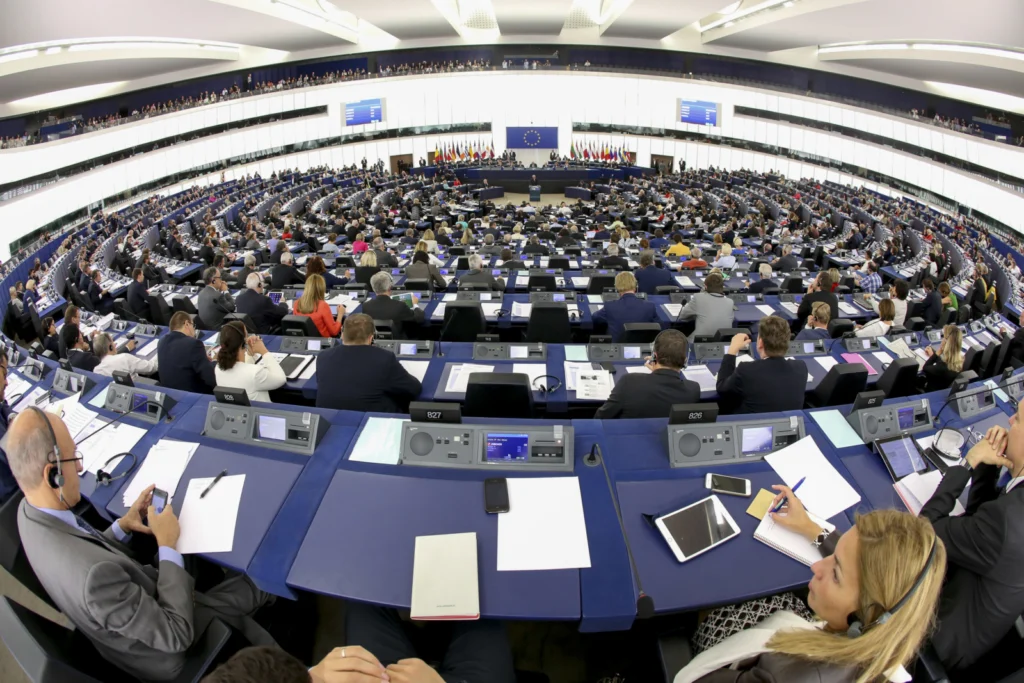
As a European scientific union with over 20,000 members, the EGU is well positioned to provide feedback on the current and future state of research and innovation funding in Europe. The recent cuts to the EU’s 2021-2027 research budget from European Parliament’s initial proposal of €120 billion to the current proposal of €81 billion (at 2018 prices), will not only affect researchers througho ...[Read More]
Regular Features
Imaggeo On Monday: Tragédia em Petropolis (Brazil)
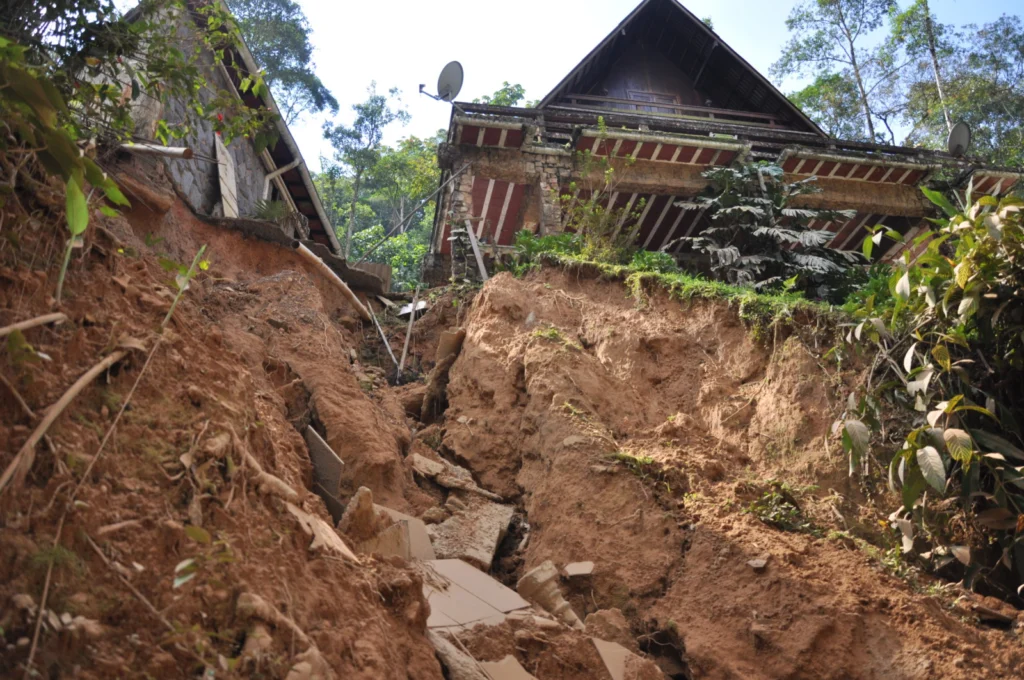
A series of deadly landslides and debris flows occurred in March 2013 in Petropolis, a municipality in the Brazilian state of Rio de Janeiro. This photo has been shot a little more than a month later. It highlights the important “supporting role” played by sewer pipes in this disaster. Description by Michele Calvello, after the description on imaggeo.egu.eu. Imaggeo is the EGU’s ...[Read More]
GeoTalk: #BlackInTheMud panellists reflect on Black in Geoscience Week 2020
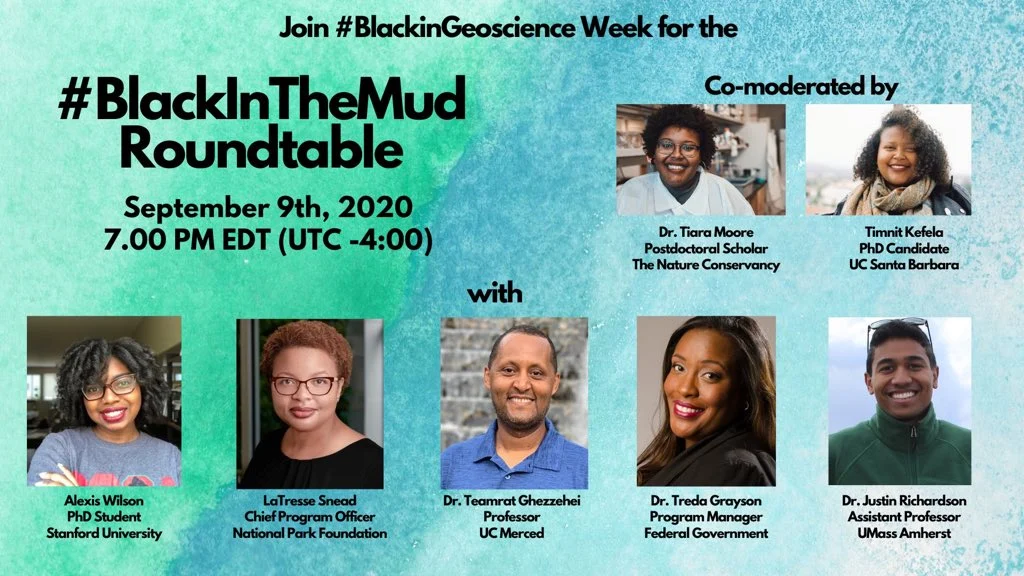
After telling a personal and traumatizing field experience to my fellow colleagues of color, I found that we all had shared similar events! Shocked and outraged, I wanted to find a place to expose and highlight these events thus the #BlackInTheMud panel was created. This event was inspired by this picture. And it’s so funny because this photo has been used, until it’s almost like a stock photo on ...[Read More]
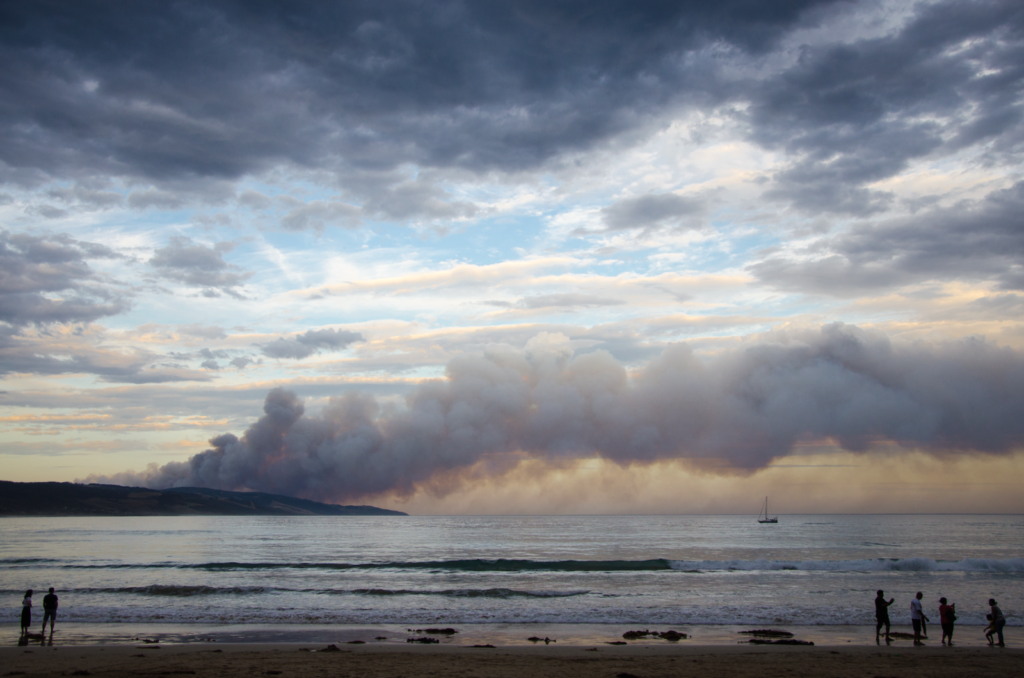
Imaggeo On Monday: The many sides of Australia’s bushfires
Bushfires in Australia are frequent in the hot and dry months characteristic of its climate. Their severity and seasonality is affected by climate change, and they impact extensive areas every year. At first sight, they might look harmful and dangerous, since they can cause property damage and loss of human life. However, the natural ecosystem has developed different strategies to either re ...[Read More]
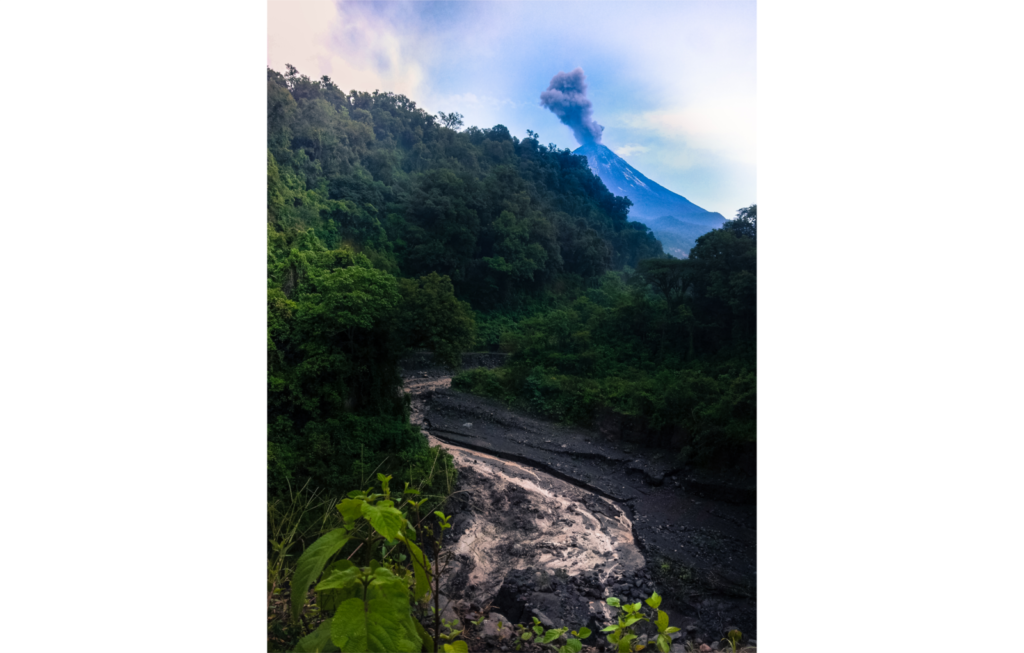
Imaggeo On Monday: Lahar in the jungle, Mexico
Volcán de Colima currently is the most active volcano in Mexico where many rain-induced lahars occur every year. La Lumbre ravine is the ephemeral channel that drains the west-southwestern slopes of the volcano. In 2016, while Volcán de Colima experienced a prolonged explosive phase, several lahars were documented in this channel. One of them is shown in his picture, taken on August 13, 2016, du ...[Read More]
GeoRoundup: the highlights of EGU Journals published during September!
Each month we feature specific Divisions of EGU and during the monthly GeoRoundup we will be putting the journals that publish science from those Divisions at the top of the Highlights roundup. For September, the Divisions we are featuring are: Energy, Resources and Environment (ERE) and Geochemistry, Mineralogy, Petrology and Volcanology (GMPV). They are served by the journals: Geoscientific Mode ...[Read More]
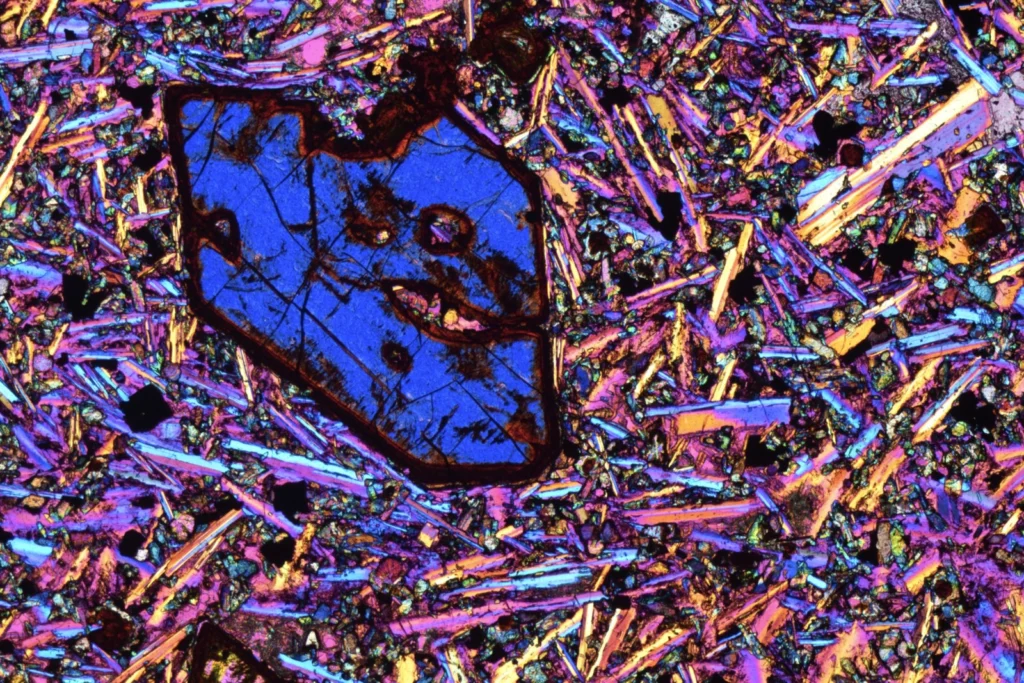
Imaggeo On Monday: Blue Olivine in an unusual basalt
Blue Olivine set in a matrix of pyroxene, magnetite and plagioclase in a basalt collected by the photographer, Bernardo Cesare, on the shore of the Sea of Galilee, Israel. Polarized light photomicrograph. Crossed polarizers and red tint plate. Width c. 2.7 mm. Who may have been throwing this stone a couple millennia ago? Description by Bernardo Cesare, after the description on imaggeo.egu.e ...[Read More]
Imaggeo On Monday: Hedenbergite – Ilvaite skarn, Calamita, Island of Elba
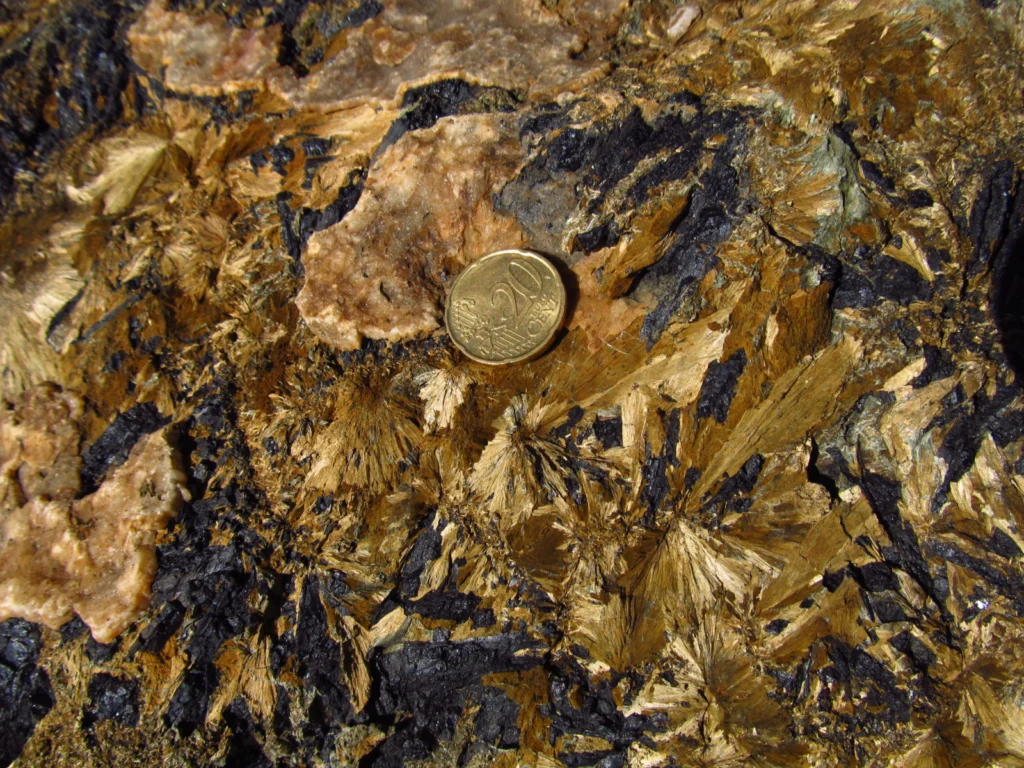
In this photo taken on the Isle of Elba in Italy you can see several radiating crystals of greenish Hedenbergite, inter-grown with blackish coloured Ilvaite in skarn bodies. Skarn is an unique formation that formed as a result of the interaction between geothermal fluids and the host rock. In this case the geothermal fluids come from the Late Miocene Porto Azzurro monzogranite, and Mesozoic marble ...[Read More]
Imaggeo On Monday: Emoji from meteorites; impact spherule
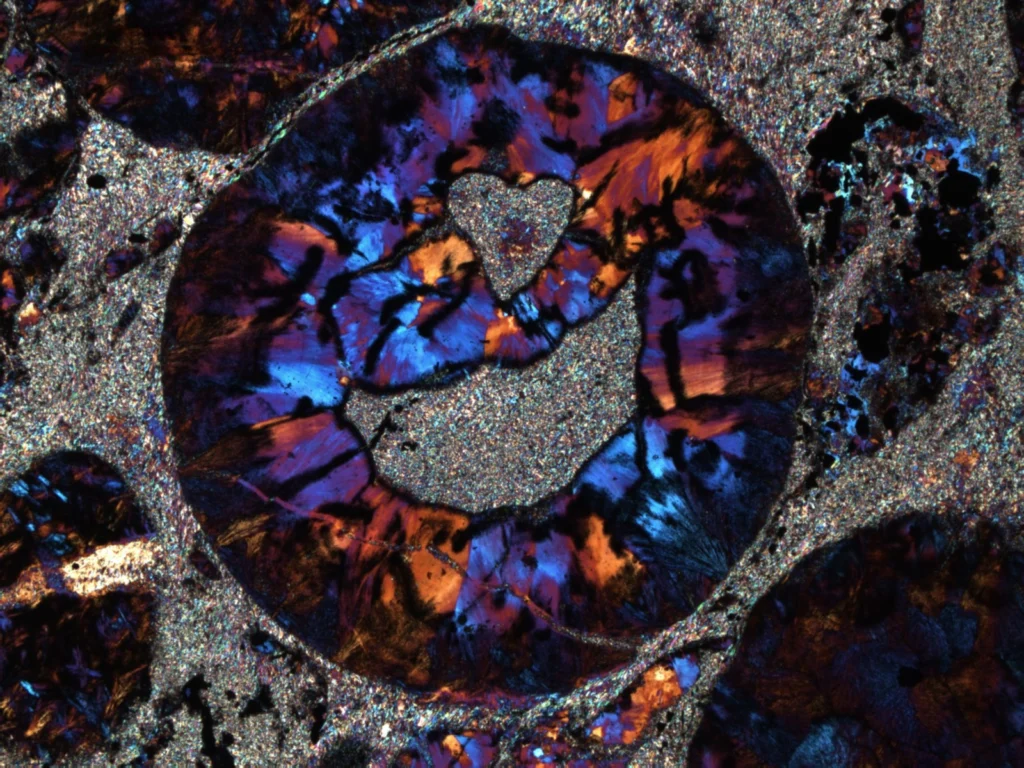
This is a crossed polarized light photomicrograph of an impact spherule; a small mineralisation made when a meteorite hits the Earth and melts the rock at the point of impact, from Barberton Greenstone Belt, in South Africa. These spherules are the only remnants of Early Earth’s meteorite impact history, from between of 3.2 and 3.5 billion years ago. In this photo you can see the K-feldspar ...[Read More]
GeoTalk: Nadine Gabriel, creator of #AreYouSiO2? and Assistant Curator of Fossil Mammals.
Hi Nadine, thanks for speaking with us today, can you tell us a little bit about your background and how you got to where you are now? Thank you for inviting me! I’m a geologist and the Assistant Curator of Fossil Mammals at the Natural History Museum, London. I studied MSci Geology at University College London and I absolutely enjoyed the subject. It was really interesting to learn about the geol ...[Read More]