GeoLog

Regular Features

Imaggeo On Monday: Catch the wave hitting on the rocks

Imaggeo On Monday: Catch the wave hitting on the rocks

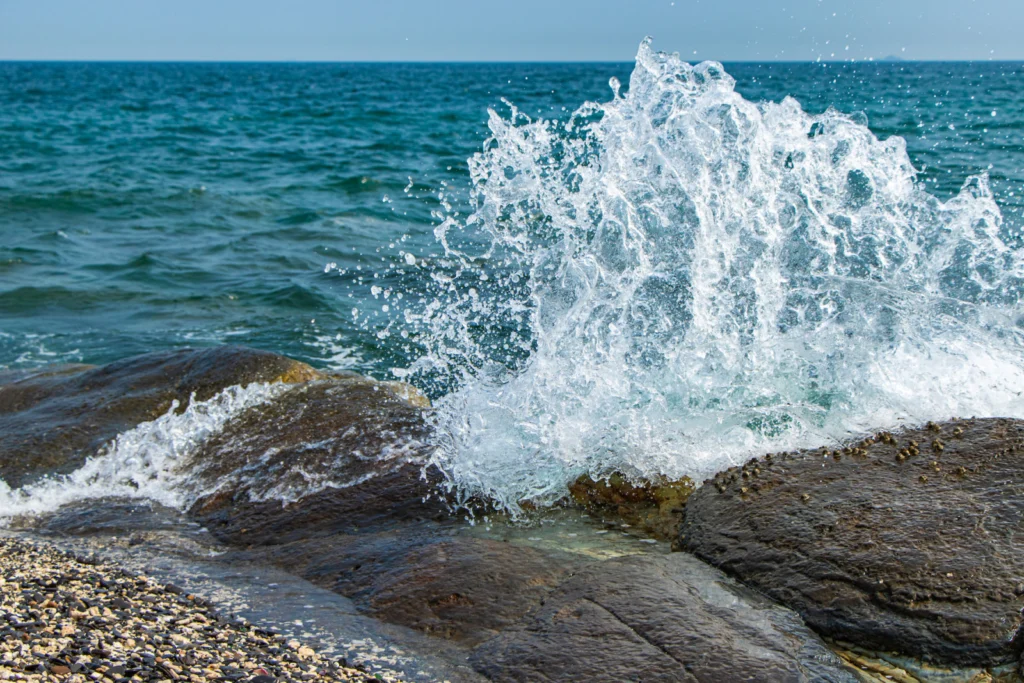
A wave is caught on camera when it hits the rocks on Tung Ping Chau, an offshore island in the northeastern corner of Hong Kong. Tung Ping Chau is unique island in Hong Kong that is mainly made up of sedimentary rock. Weathering and erosion have great impacts on forming the current landscape and geologic …[Read More]

Imaggeo On Monday: Water Force

Imaggeo On Monday: Water Force

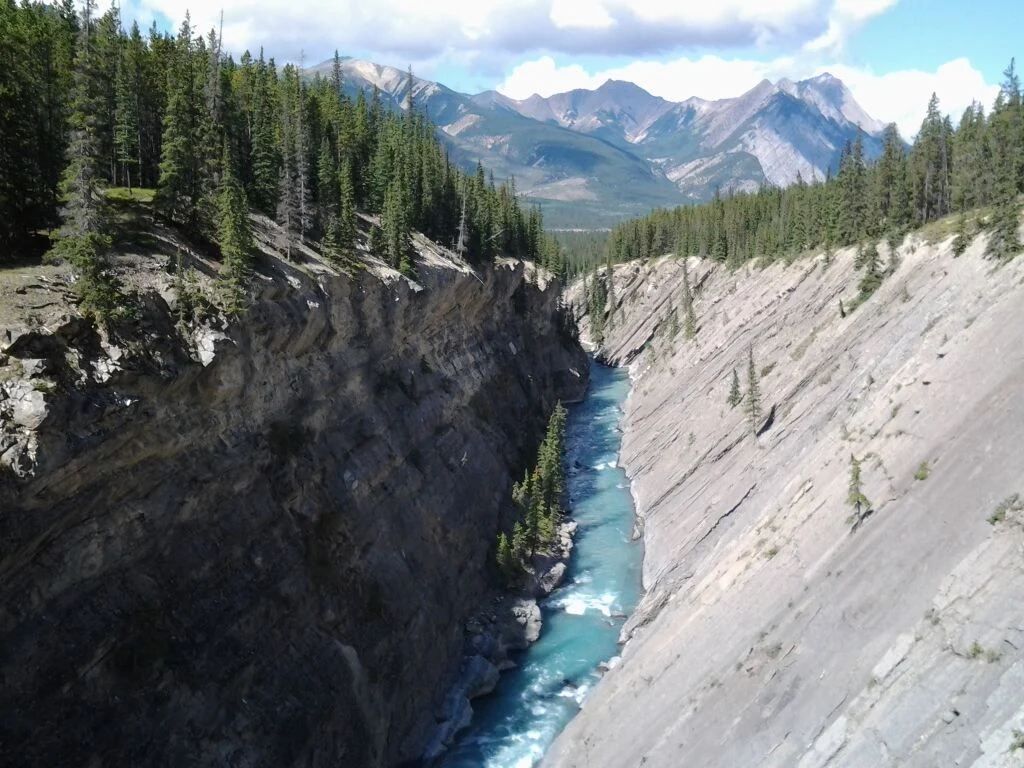
A force is a push or pull upon an object resulting from the object’s interaction with another object. This image shows the most magnificent force in nature; water, interacting with an inclined rock formation, with a backdrop of the magnificent landscapes of Canada.   Description by Daniela Lobianco, after the description on imaggeo.egu.eu.   Imaggeo is …[Read More]

GeoRoundup: the highlights of EGU Journals published during May!

GeoRoundup: the highlights of EGU Journals published during May!

Each month we feature specific Divisions of EGU and during the monthly GeoRoundup we will be putting the journals that publish science from those Divisions at the top of the Highlights roundup. For May, the Divisions we are featuring are: Geodynamics (GD) and Earth Magnetism and Rock Physics (EMRP). They are served by the journals: …[Read More]

EGU virtual Science-Policy Pairing Scheme with MEP Maria Spyraki

EGU virtual Science-Policy Pairing Scheme with MEP Maria Spyraki

The EGU sponsors an annual science-policy pairing scheme each year to help promote a culture of evidence-informed policymaking and encourage stronger science-policy partnerships! The EGU’s 2020/21 pairing scheme was slightly different from normal, being run virtually rather than in person as a result of the COVID-19 restrictions. This month’s GeoPolicy blog post is written by …[Read More]

Imaggeo On Monday: Yardangs in the Gobi desert

Imaggeo On Monday: Yardangs in the Gobi desert

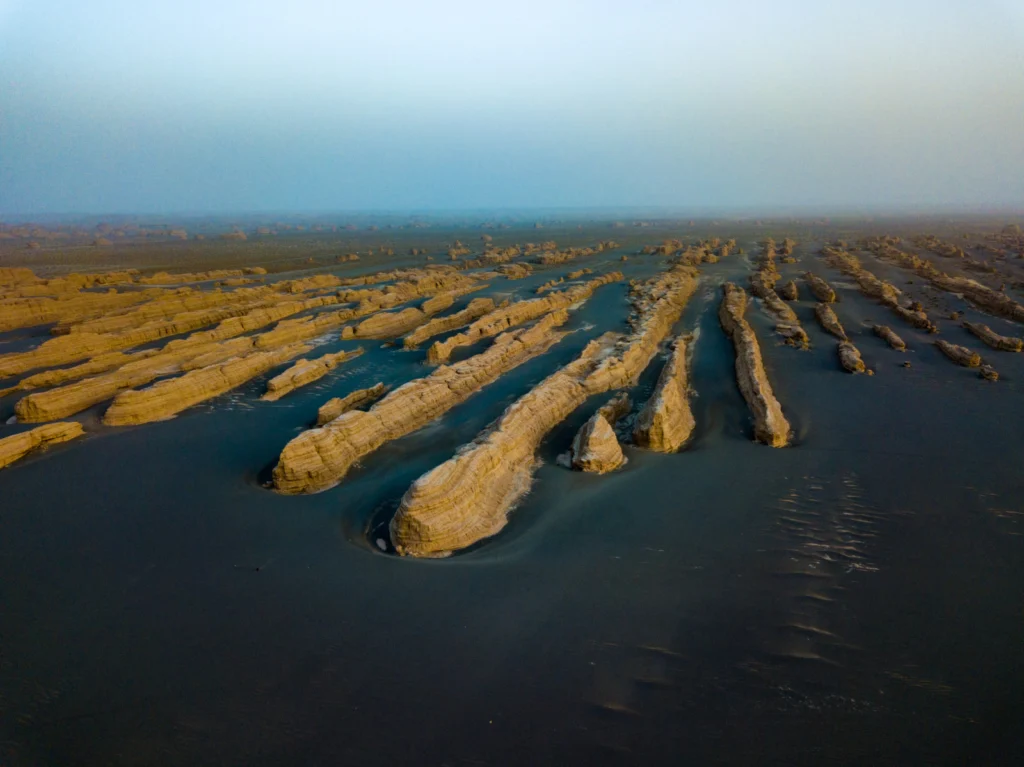
Seeing the Yardang rock formations during sunset was a surreal experience. While they seem to have be standing in a sea of water that formed them, the fluid dynamics that actually lead to their existence is the result of wind abrasion by dust and sand and the removal of loose material by wind turbulence. The …[Read More]

Imaggeo On Monday: Lichtenberg Figure Visualisation

Imaggeo On Monday: Lichtenberg Figure Visualisation

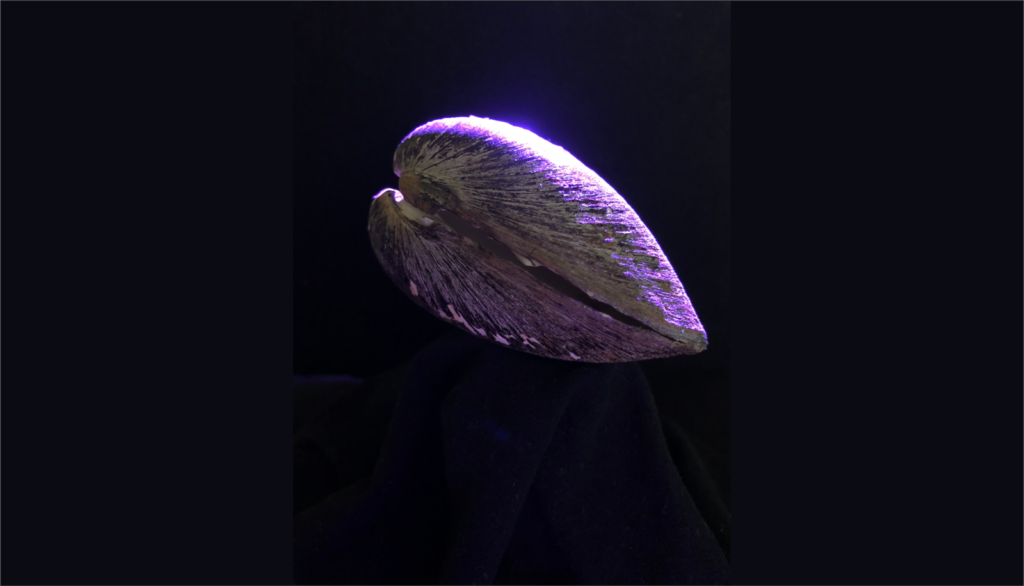
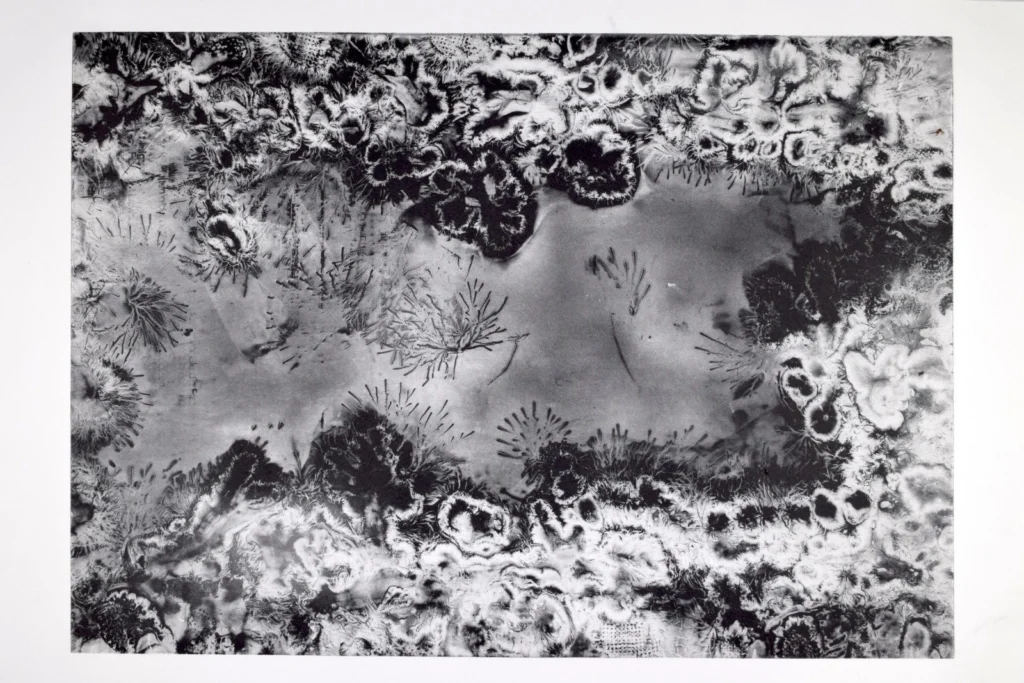
A visualisation of an electrical charge moving through plastic. Machines are used to discharge electricity onto surfaces then metallic powders are used to visualise the static. The image is then exposed onto a photopolymer plate and etched with ink. Is is called the photogravure process.   Description by Nicolas Strappini, after the description on imaggeo.egu.eu. …[Read More]

Imaggeo On Monday: Tides at Young Sound

Imaggeo On Monday: Tides at Young Sound

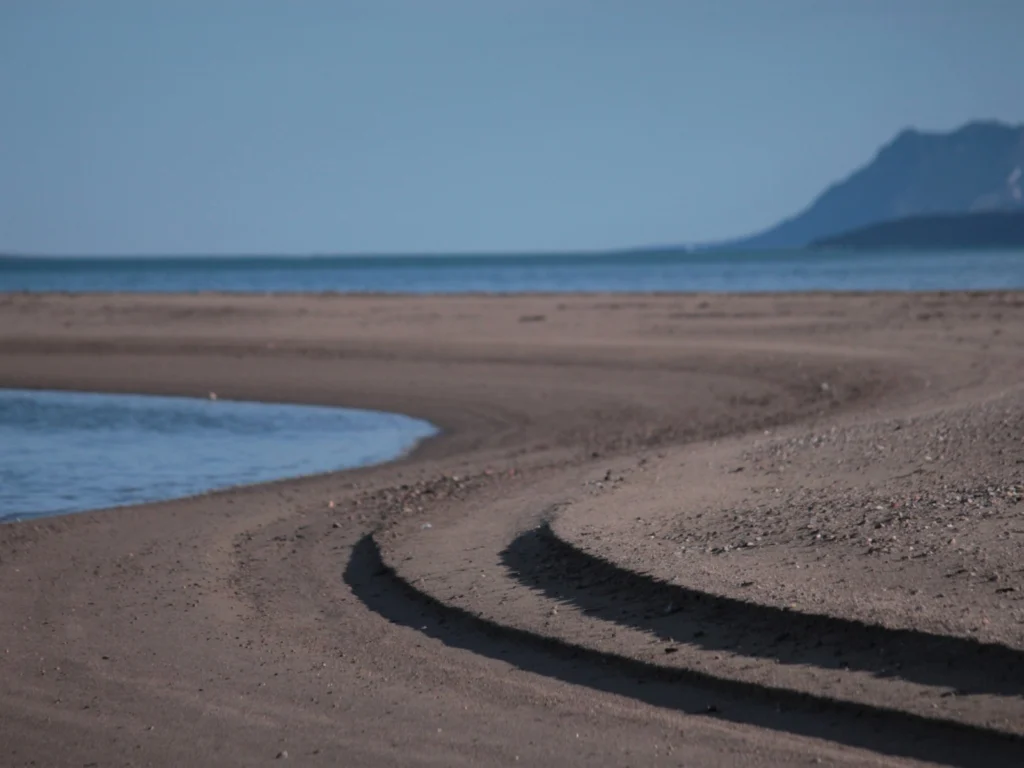
The work of the autumn tides at Young Sound, Northeast Greenland, created a fine sand artwork just before the freezing in of the fjord with the approaching winter. Due to the changing sediment of the nearby Zackenberg river, the local coastal erosion is an object of great recent investigations.   Description by Maria Scheel, after …[Read More]

GeoPolicy: Your guide to science for policy at #vEGU21!

GeoPolicy: Your guide to science for policy at #vEGU21!

The EGU General Assembly is the largest geoscience meeting in Europe. It has a wide range of scientific sessions that you can attend to gain a greater understanding about specific topics both within and outside of your research area. Every year there are also numerous non-scientific sessions that can attend to expand your network, diversify …[Read More]