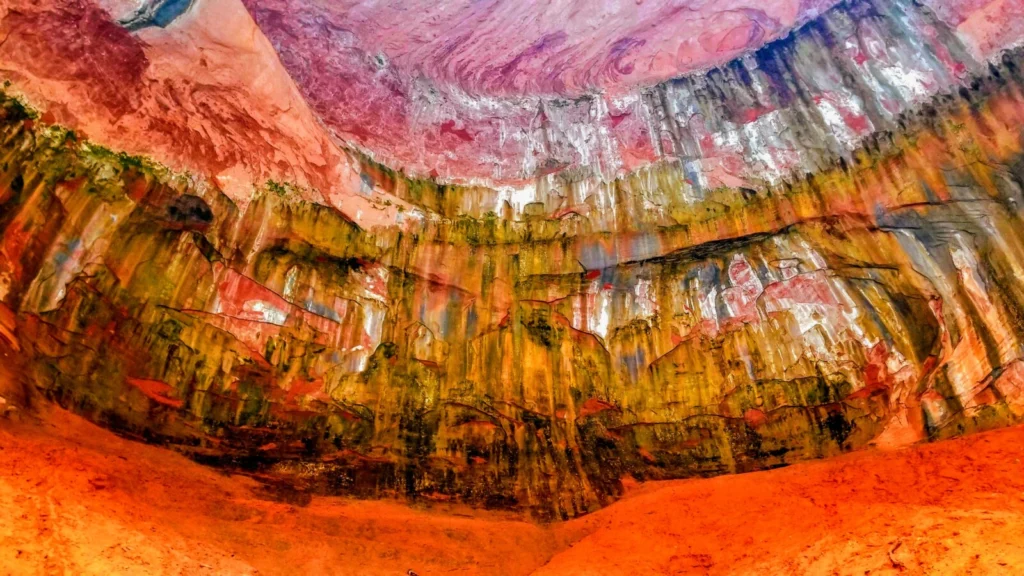
The image shows an incredible blend of colors in a natural cave in Kolob Canyons near Zion National Park, Utah. Formed by the oxidation of minerals lining the walls of the cave and snow melt, the sight feels like a natural inspiration for impressionist painting. This well-hidden gem is a lesser known treasure at the end of a hike in a lesser frequented part of the region near the more-famous Zion ...[Read More]
Imaggeo on Mondays
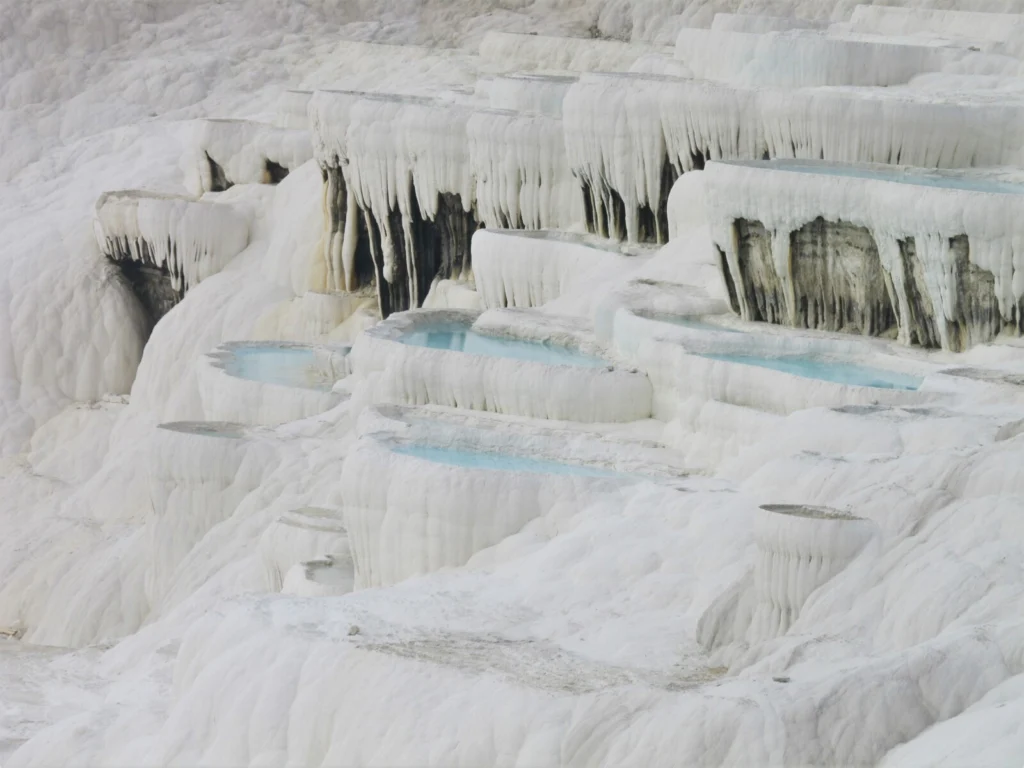
Imaggeo On Monday: Pamukkale, the cotton castle
Pamukkale, the cotton castle by Paula Ballikaya. (distributed via imaggeo.egu.eu). Terraces of rock are crowned with the candle wax-like deposits of travertine, the white, fibrous limestone which characterises the Pamukkale UNESCO World Heritage Site and which is featured in the photo above. Despotised and moulded over 400,000 years by the calcite-rich mineral water flowing from the site ...[Read More]
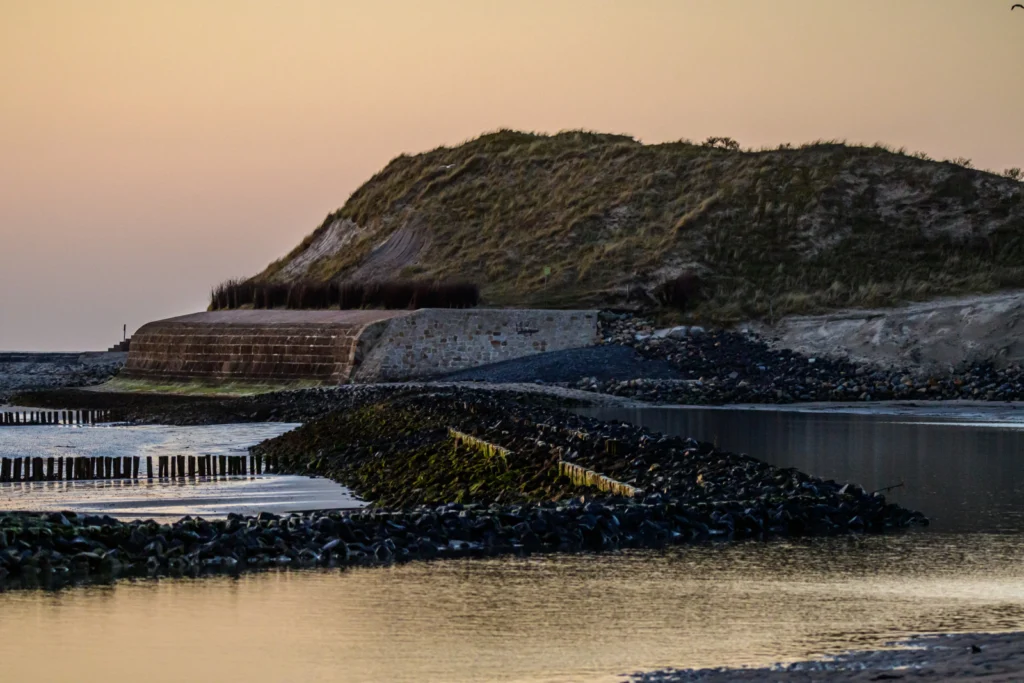
Imaggeo On Monday: Different structures for coastal management
Different structures for coastal management at Spiekeroog, Germany. The structures include a groyne and a revetment. Groynes are cross-shore structures, linearly ordered from the shoreline and into the sea. Typically made of rock or wood, groynes are built to limit the longshore transport and loss of shore material like sand or shingle. The build-up shore material captured by the groynes re ...[Read More]
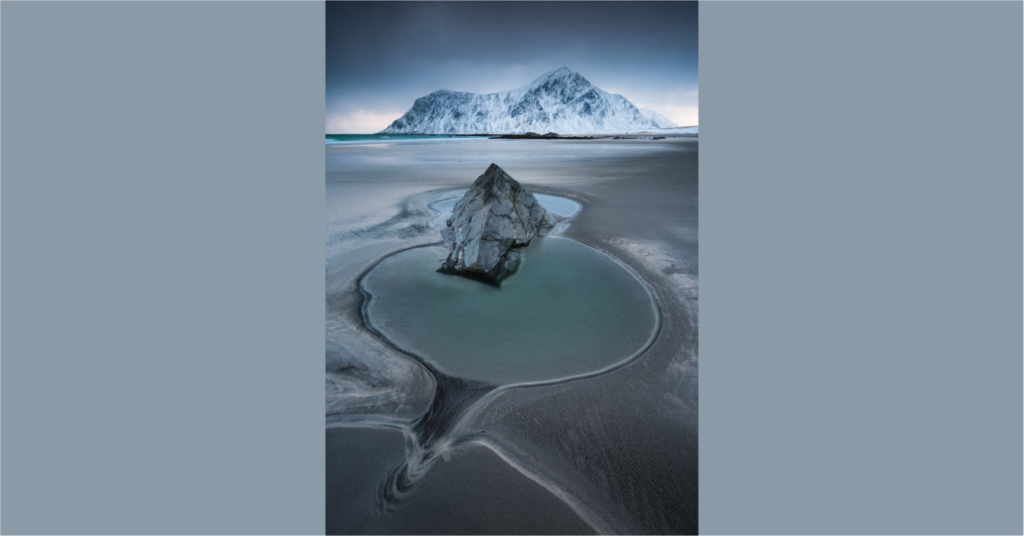
Imaggeo On Monday: Where mountains meet the sea
Skagsanden beach is a stunning destination located in the Lofoten archipelago in Norway. This beautiful white sandy beach stretches for 800 meters and offers breathtaking views of the surrounding mountains and crystal-clear waters. From a geological standpoint, Skagsanden beach is a fascinating site. It is believed that the beach was formed by the erosive power of the sea, which shaped and sculpte ...[Read More]
Imaggeo On Monday: The movement of the tides
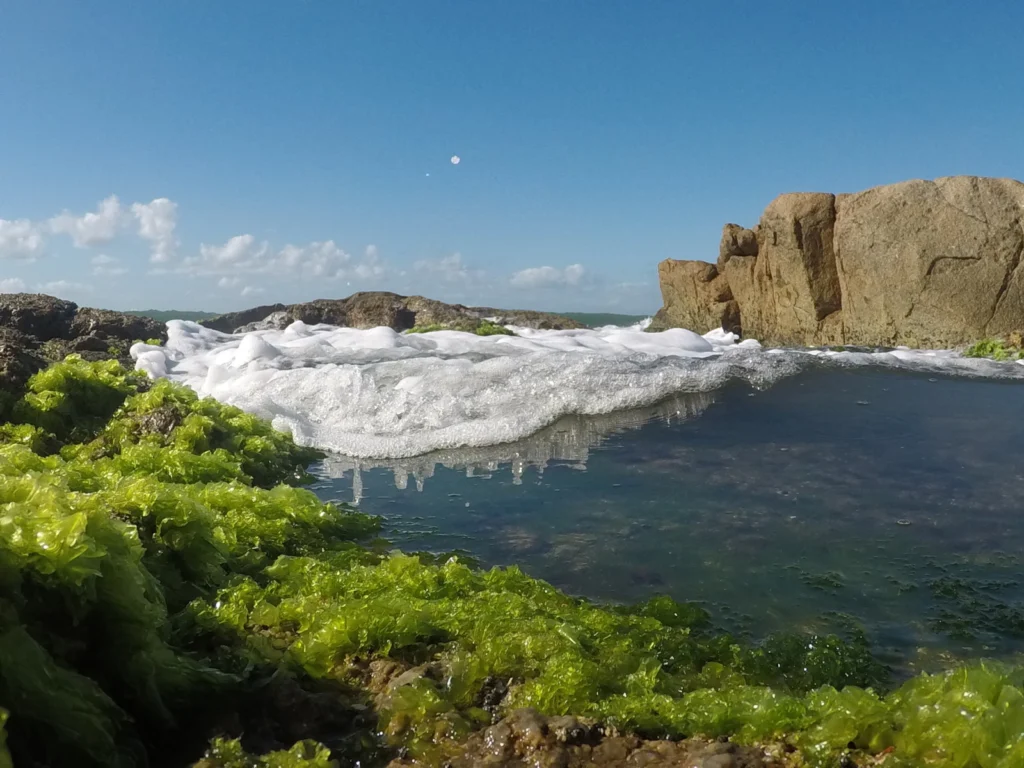
Tides are very long-period waves characterized by the rise and fall of sea levels. This phenomenon occurs in response to forces exerted jointly by the moon and sun, generated in the ocean, and propagating toward the coast. Tides can be divided into two main types: low tide and high tide. High tide occurs when sea water rises above the mean level while low tide occurs when sea water falls below the ...[Read More]
Imaggeo On Monday: Pot of Gold: Ngorongoro Crater
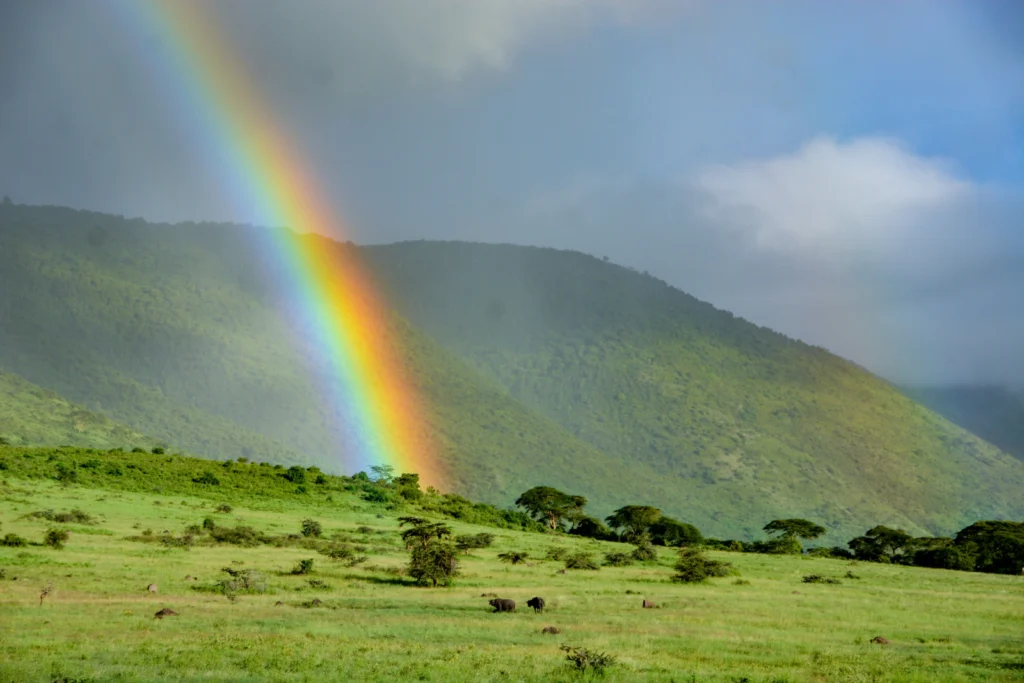
A double rainbow beams into the Ngorongoro Crater after rainfall as a couple of African buffalos graze within this UNESCO World Heritage Site. The largest intact caldera in the world, it extends 20 kilometres in diameter and is home to the Big 5 (lion, leopard, rhino, elephant, and African buffalo) – a true pot of gold. Photo and caption by Jack Park, shared on imaggeo.egu.eu. ...[Read More]
Imaggeo On Monday: Vanished glaciers of the past
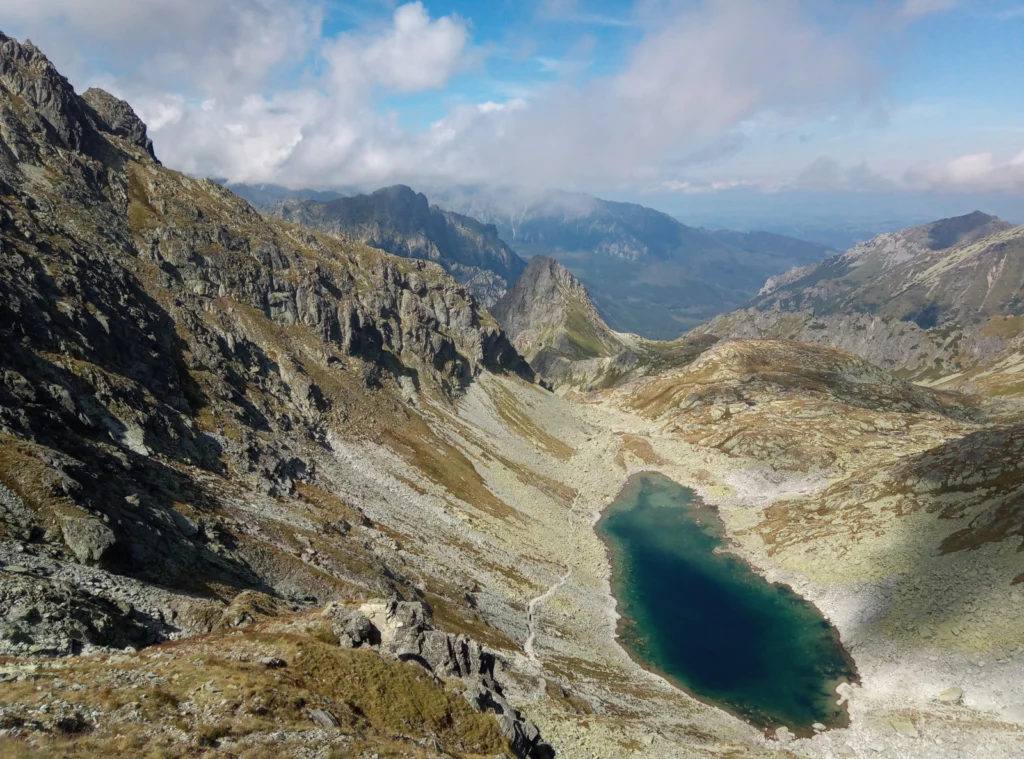
No glaciers remained in the High Tatras since the last glaciation, but beautiful glacially carved landscapes and a multitude of small glacial lakes. This one, Zamrznuté pleso (2045 a.s.l.) is at one of the beautiful hike trails in the eastern part of the Tatras, the path through Poľský hrebeň and to the summit Východná Vysoká (2429 a.s.l.). Photo and caption by Petronela Ševčíková, shared o ...[Read More]
Imaggeo On Monday: Landmannalaugar – Iceland’s geoscience wonder
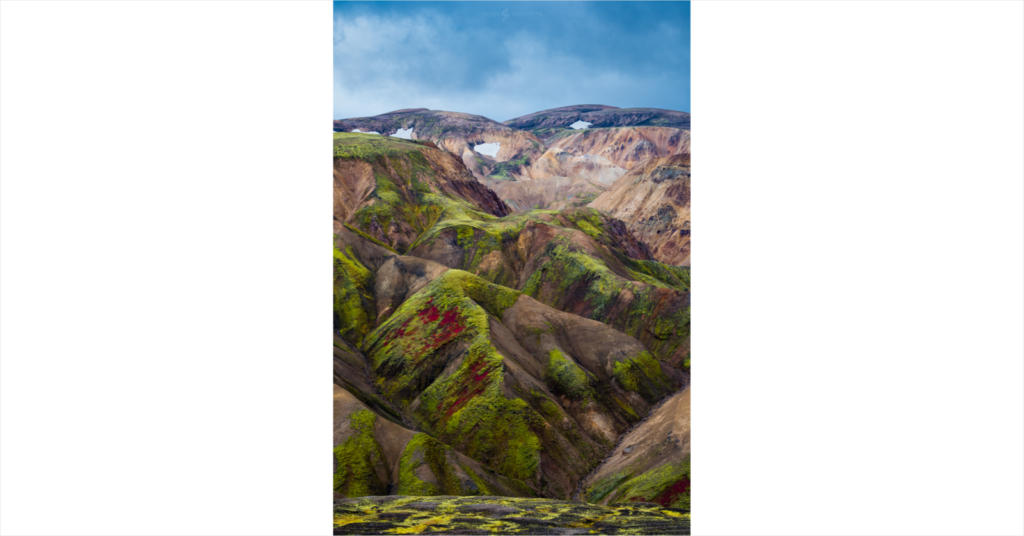
Landmannalaugar is a unique and beautiful area in Iceland, nestled in the highlands of the country. It is known for its stunning scenery, including green-covered mountains, vast lava fields, and natural hot springs. This area served as the end destination of my hiking adventure where I crossed Iceland from north to south, and it’s easy to see why. Aside from its natural beauty, Landma ...[Read More]
EGU23 Photo Competition finalists – who will you vote for?
This year’s Photo Competition judging panel did a fantastic job of narrowing down the outstanding photo submissions to the EGU’s Photo Competition to just 10 finalists! The finalist photos are listed below and on the Imaggeo website where you can vote for them from Sunday 23 April until Thursday, 27 April 2023 – voting closes at 18:00 CEST. The three photos with the most votes will be ...[Read More]
Imaggeo On Monday: the EGU Photo Competition – ONE WEEK LEFT!
In 2010 EGU held our first annual Photo Competition at the General Assembly in Vienna. Since then hundreds of photos have been shared on imaggeo by geoscientists and researchers just like you, with a lucky few being selected each year to be highlighted during the meeting and voted on by our members. These images can be of anything to do with geology or geoscience – we get many beautif ...[Read More]