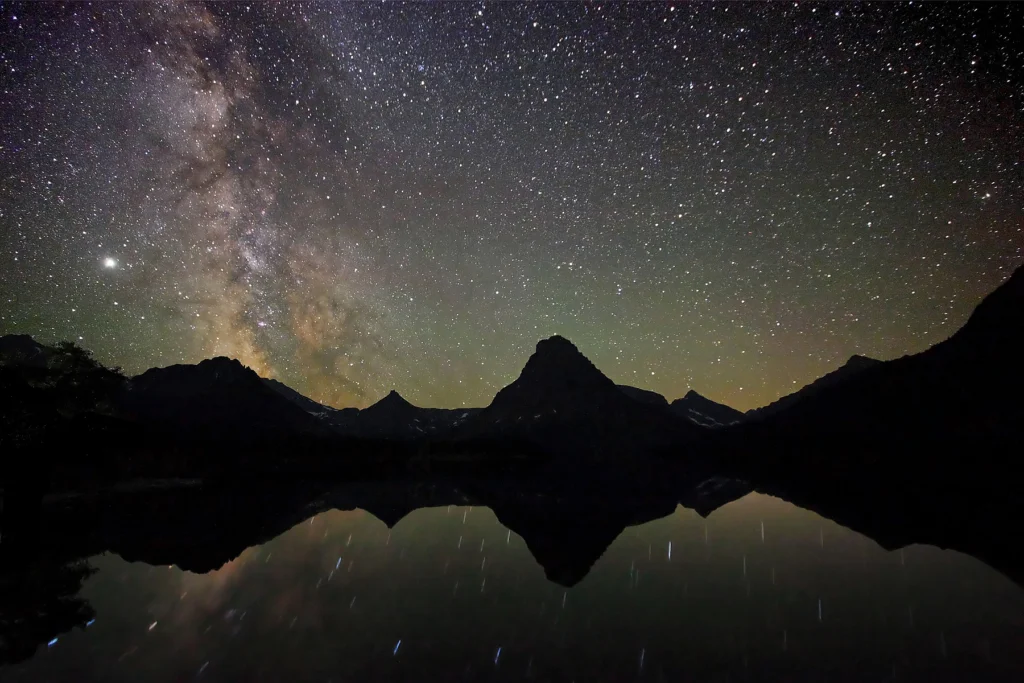
This year’s Photo Competition judging panel did a fantastic job of narrowing down the outstanding photo submissions to the EGU’s Photo Competition to just 10 finalists! The finalist photos are listed below and on the Imaggeo website where you can vote for them from Sunday 14 April until Thursday, 18 April 2024 – voting closes at 18:00 CEST. The three photos with the most votes will be ...[Read More]
Imaggeo on Mondays
Imaggeo On Monday: the EGU Photo Competition – 3 DAYS LEFT!
We are so excited for your images to show us other ways of experiencing this wonderful planet and our place in the wider dance of our solar system, in the EGU24 Photo Competition just like one of our first ever winners, Christian Klepp did with this gorgeous image ‘Patterns in the Void’ in 2010. Remember your image can be of anything, even a gif or a video, and can have been captured a ...[Read More]
Imaggeo On Monday: the EGU Photo Competition – not just landscapes!
In 2010 EGU held our first annual Photo Competition at the General Assembly in Vienna. Since then hundreds of photos have been shared on imaggeo by geoscientists and researchers just like you, with a lucky few being selected each year to be highlighted during the meeting and voted on by our members. These images can be of anything to do with geology or geoscience – we get many beautif ...[Read More]
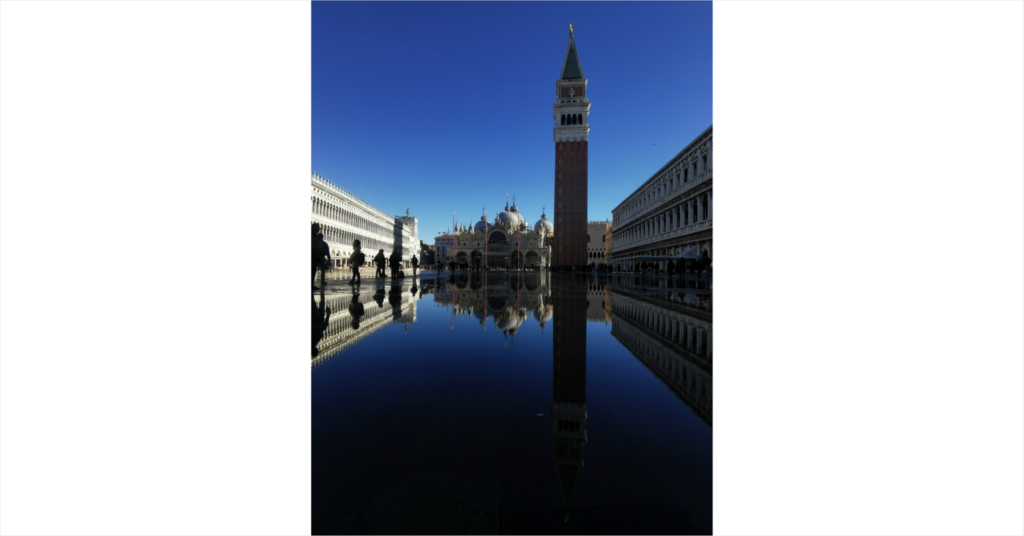
Imaggeo On Monday: Venice, the city of resilience, the city of mirrors and mirages
High tide captured during the morning of November 6th, 2023 in Piazza San Marco, Venice (Italy). The MOSE system of mobile gates, designed to defend the Venice lagoon from tides up to 3 metres high, is not activated for tide levels below 110 cm. However, when the tide reaches 83 cm, the lowest point of St. Mark’s Square begins to flood. Photo and caption by Maria Katherina Dal Barco, shared ...[Read More]
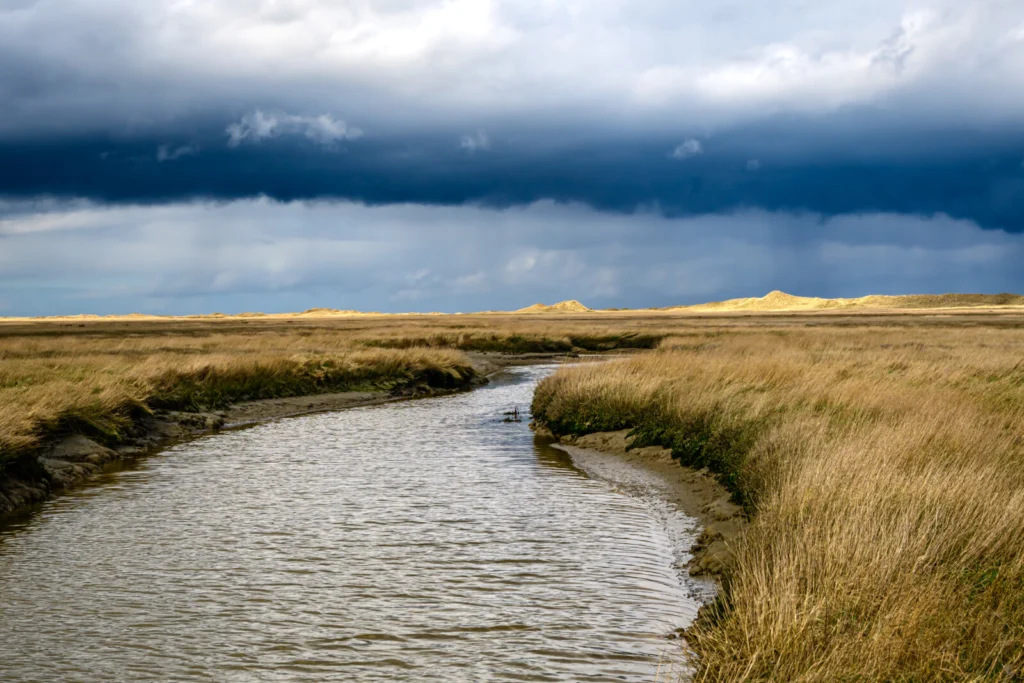
Imaggeo On Monday: Tidal channel and saltmarsh in Germany
“A tidal channel (‘Priel’) in a saltmarsh of the Wadden Sea, northern Germany.” Tidal channels are an integral part of salt marshes and form naturally, connecting the marsh with the nearest water body. These tidal channels provide an ecological bounty for a diverse range of life, from plants to invertebrates to birds and mammals – and include many benefits for the peo ...[Read More]
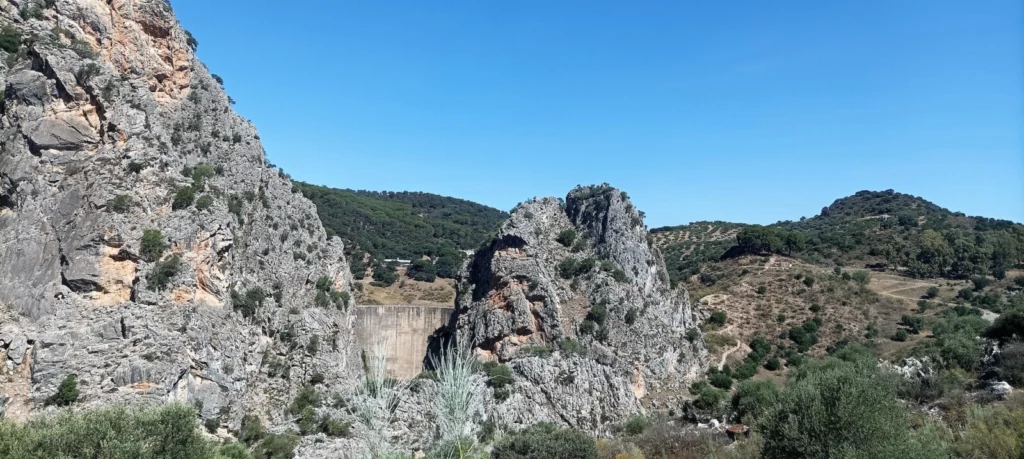
Imaggeo On Monday: Elegance with no functionality
The Montejaque dam, with its 84 meters of height, is one of the first vaulted dams built in Europe. Currently, it remains only as a vestige of one of the major hydroelectric projects by the “Sevillana de Electricidad” company. Preliminary studies for its construction began in 1917. Some of these studies indicated that the project was unfeasible due to the karstic nature of the terrain, ...[Read More]
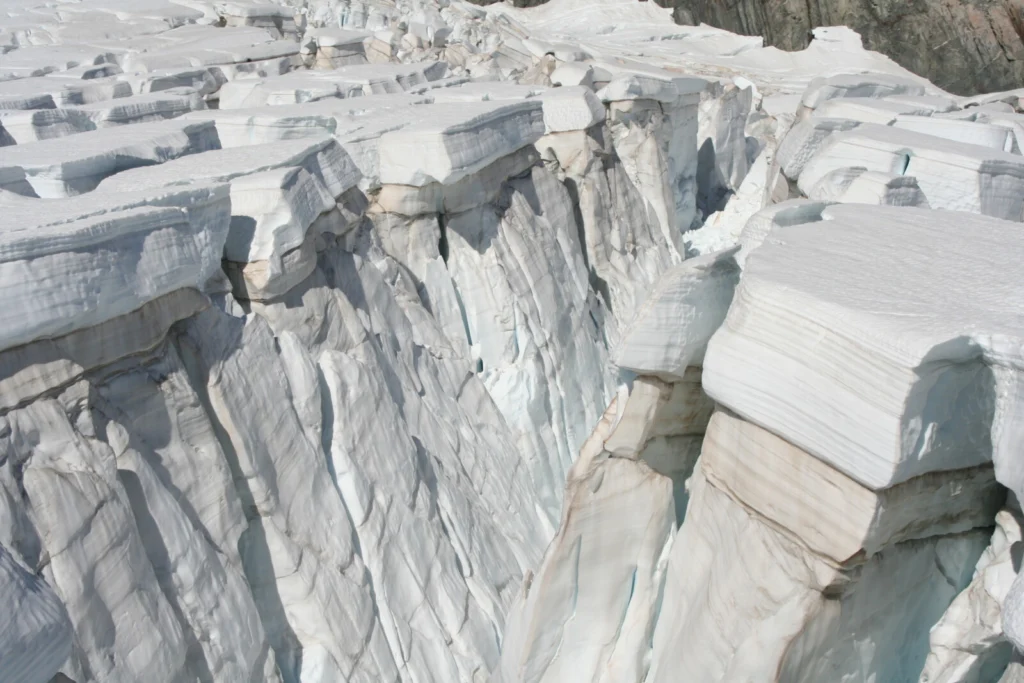
Imaggeo On Monday: Layers of dust and snow
This image shows layers of dust and snow at the surface of Fox Glacier, Southern Alps, New Zealand. The glacier surface in the upper part of Fox Glacier’s ice fall is heavily crevassed and intersected into seracs. Individual layers of fresh and old snow are visible, some with visible thin dust layers at their surface. The more reddish dust layers in the lower part of the image had been gener ...[Read More]
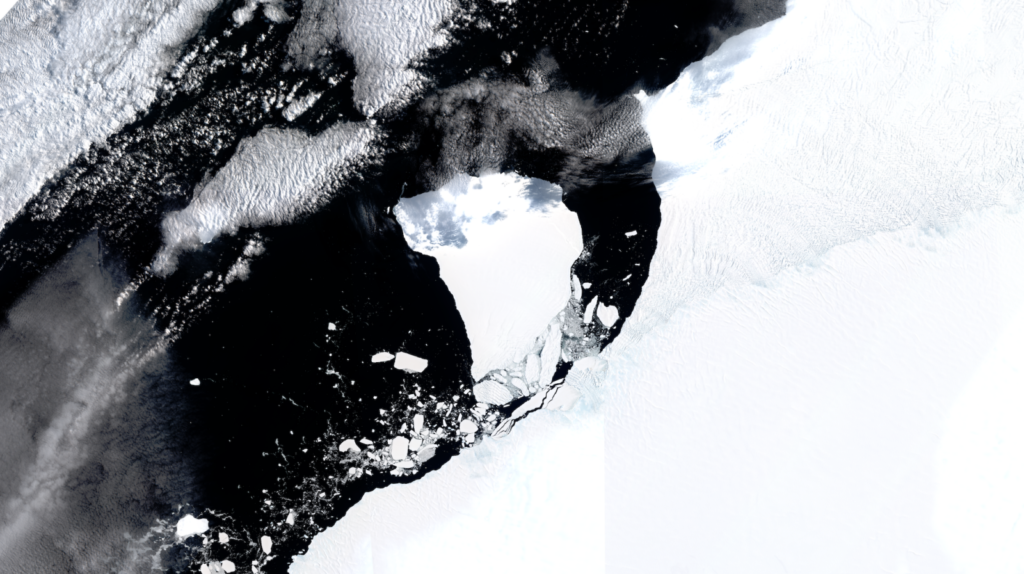
Imaggeo On Monday: Iceberg A-81, Brunt Ice Shelf, Antarctica
Information from a British Antarctic Survey Press Release. A huge iceberg (1550 km²), almost the size of Greater London, has broken off the 150m thick Brunt Ice Shelf. It calved after cracks that have been developing naturally over the last few years extended across the entire ice shelf, causing the new iceberg to break free. This occurred on Sunday 22 January between 19.00 and 20.00 UTC during a ...[Read More]
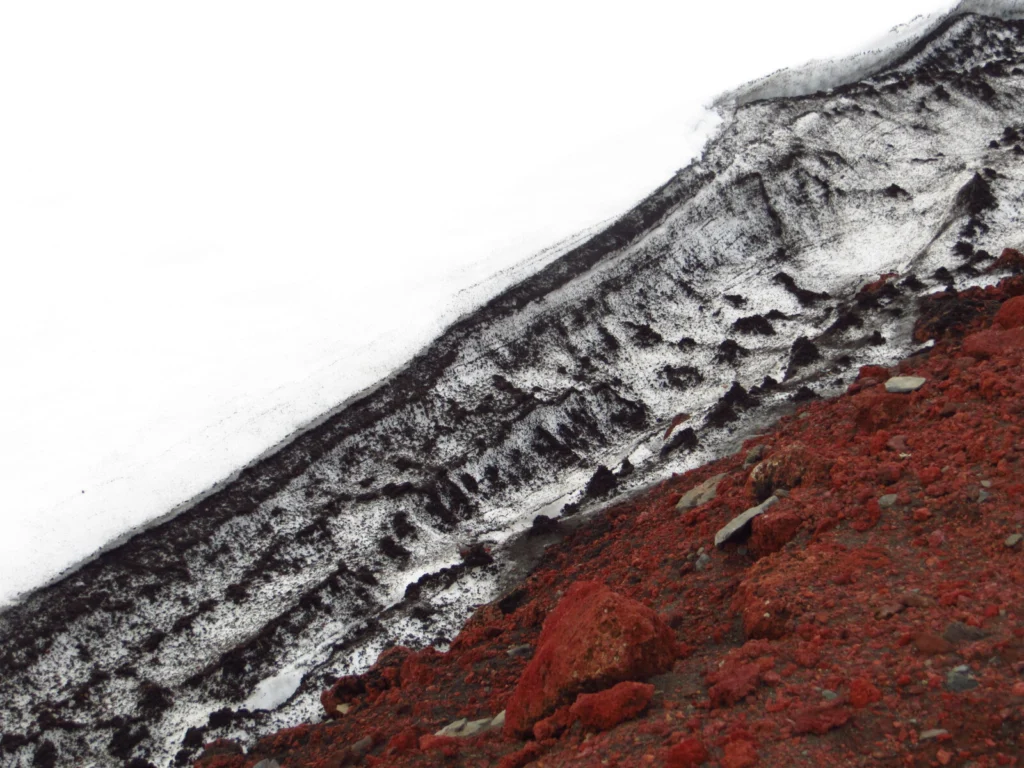
Imaggeo On Monday: Eyjafjallajökull – hot and cold
Active volcano Eyjafjallajökull is covered by 80 square kilometres of glaciers. Quite often one can feel the warmth from the red igneous rocks that protrude from the ice cap. The volcano is known for the eruption in April 2010, which released ash clouds so large that in some areas they turned daylight into darkness. Many flights in Europe were cancelled. A significant part of the glacier melted in ...[Read More]
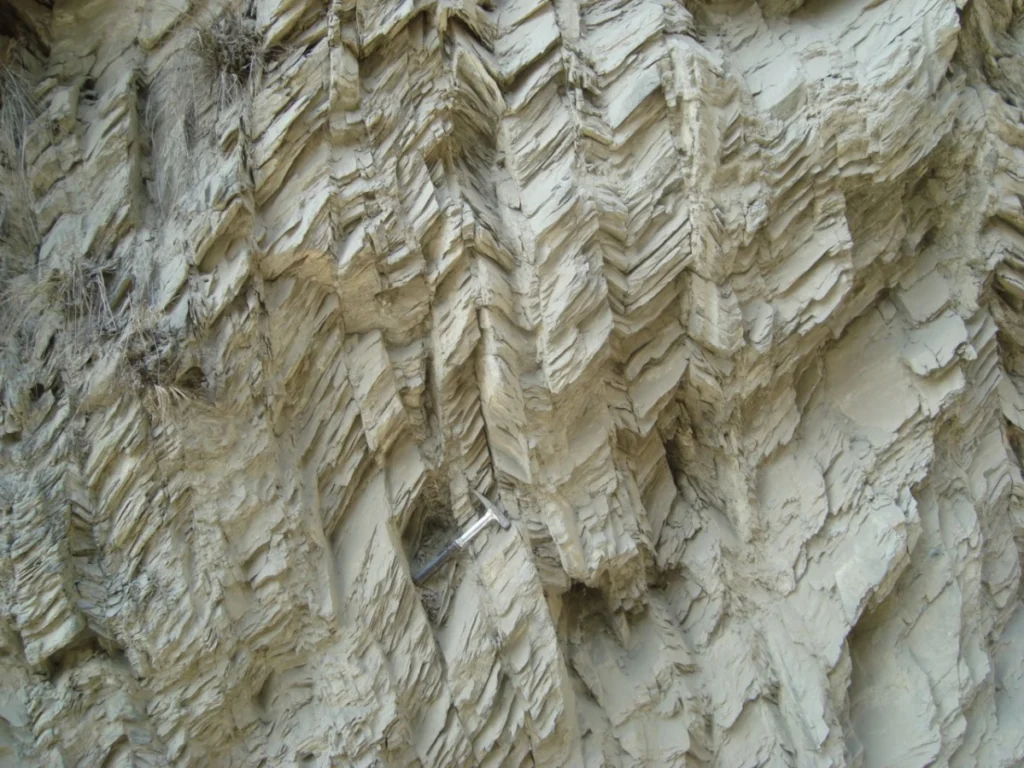
Imaggeo On Monday: High amplitude ‘V-shaped’ kink fold with axial plane cleavage
The Himalayan-Tibetan orogeny has been considered the youngest collisional fold belt in the Earth and a classic example of intercontinental collision orogeny. It is comprised of different litho-tectonic units manifested by normal/thrust faults and suture zones (Valdiya, K.S., 1977). The Himalayan region has experienced multifaced deformation, spectacular rock assemblages with high-pressure-tempera ...[Read More]