GeoLog

Imaggeo

General Assembly 2015 – Highlights
General Assembly 2015 – Highlights
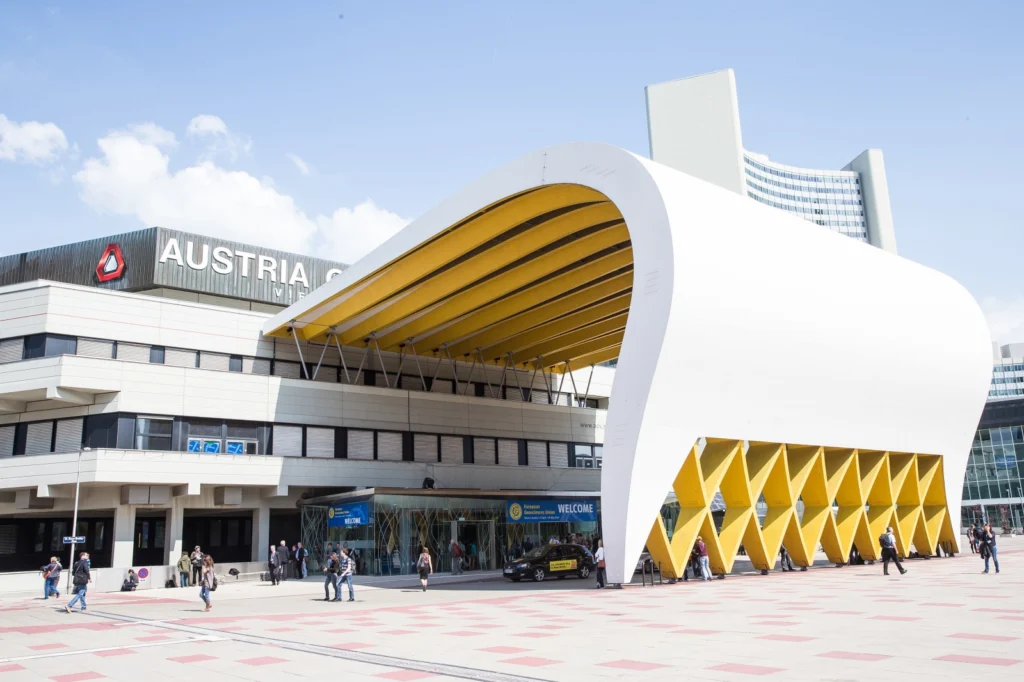
It’s been just over a month since the EGU General Assembly 2015 in Vienna. The conference this year was a great success with 4,870 oral, 8,489 poster, and 705 PICO presentations. There were 577 unique scientific sessions, complimented by an impressive 310 side events, making for an interesting and diverse programme. The conference brought together 11,837 scientists from 108 countries, 23% of ...[Read More]

Imaggeo on Mondays: A thermal inversion

Imaggeo on Mondays: A thermal inversion

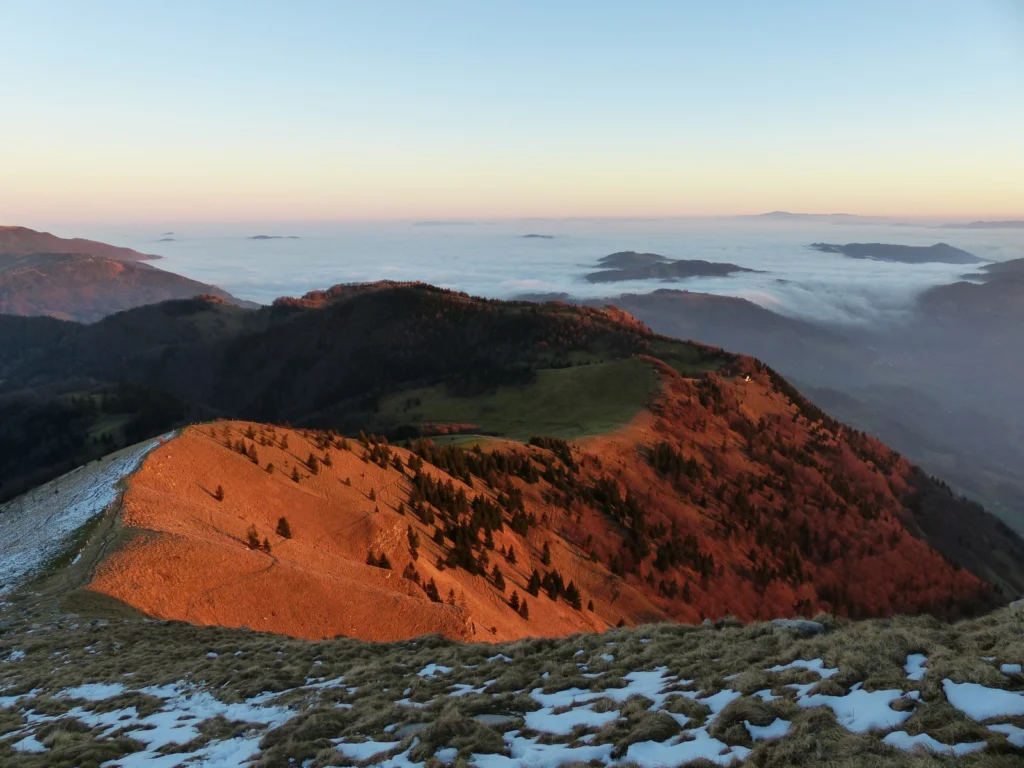
This week’s Imaggeo on Mondays image is brought to you by Cyril Mayaud, from the University of Graz (Austria), who writes about an impressive hike and layers of cold and warm air. Thermal inversion is a meteorological phenomenon which occurs when a layer of cold air is trapped near the Earth’s surface by an overlying layer of warmer air. This can happen frequently at the boundary between mountaino ...[Read More]

Imaggeo on Mondays: Foehn clouds

Imaggeo on Mondays: Foehn clouds

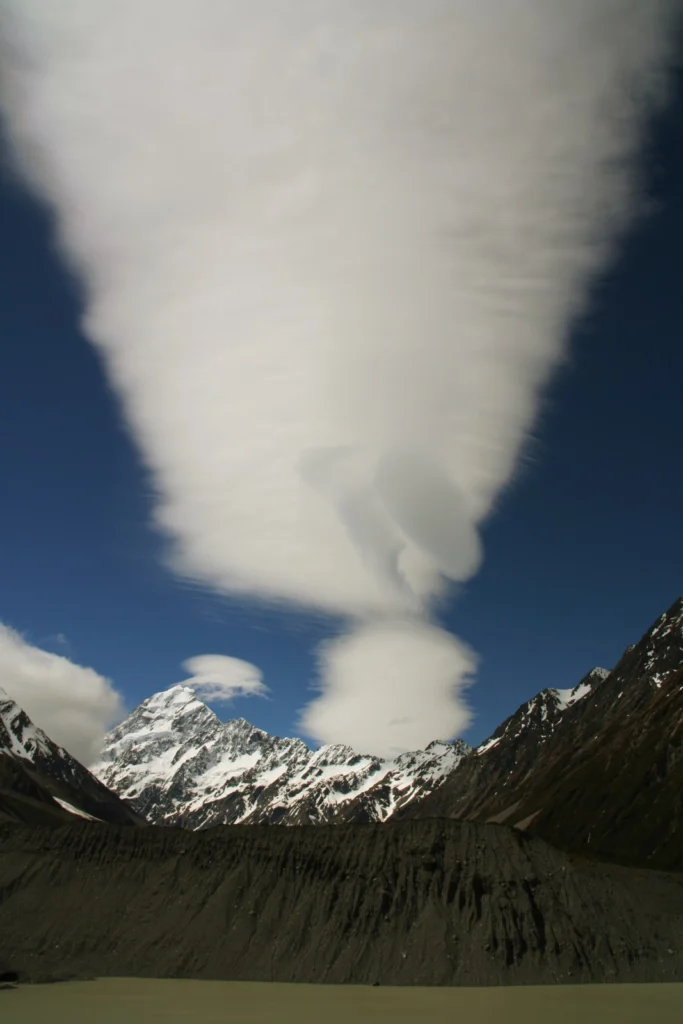
This week’s post is brought to you by Stefan Winkler, a Senior Lecturer in Quaternary Geology & Palaeoclimatology, who explains how the mountain tops of the Southern Alps become decorated by beautiful blanket-like cloud formations. The Sothern Alps of New Zealand are a geoscientifically dynamic environment in all aspects. They are arguably one of the youngest high mountain ranges in the ...[Read More]

Imaggeo on Mondays: Finger Rock

Finger

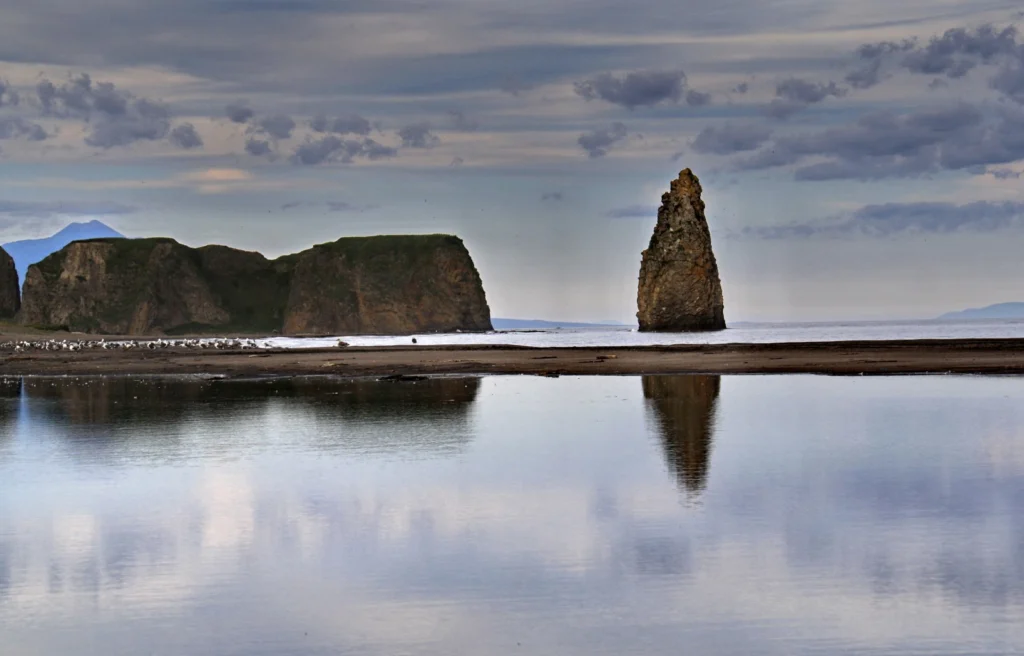
Standing proud amongst the calm waters of Golovnina Bay is ‘The Devil’s Finger’, a sea stack composed of volcanic sediments. Located on the Pacific coast of Kunashir Island -which is controlled by Russia but claimed by Japan – the stack is testament to the volcanic nature of the region. The island itself is formed of four active volcanoes which are joined together by low-lying geothermally active ...[Read More]

Imaggeo on Mondays: Earthquake Lake

Imaggeo on Mondays: Earthquake Lake

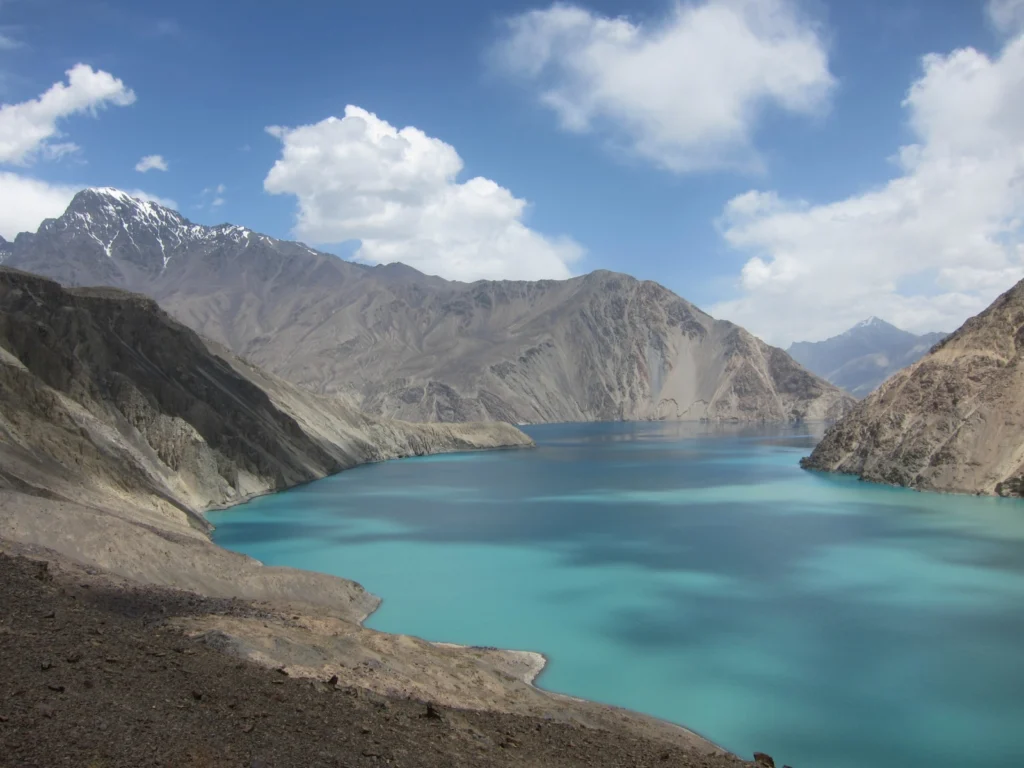
Despite its alluring turquoise waters and rugged mountain backdrop the story behind this beautiful lake is rather more troubling. In today’s Imaggeo on Mondays, the first post since our short break from the traditional format during the General Assembly, Alexander Osadchiev writes about the shaky origins of Sarez Lake. Lake Sarez is situated in Tajikistan, deep in the Pamir Mountains. In 1911 a lo ...[Read More]

Imaggeo on Mondays: Mirror Image

Imaggeo on Mondays: Mirror Image

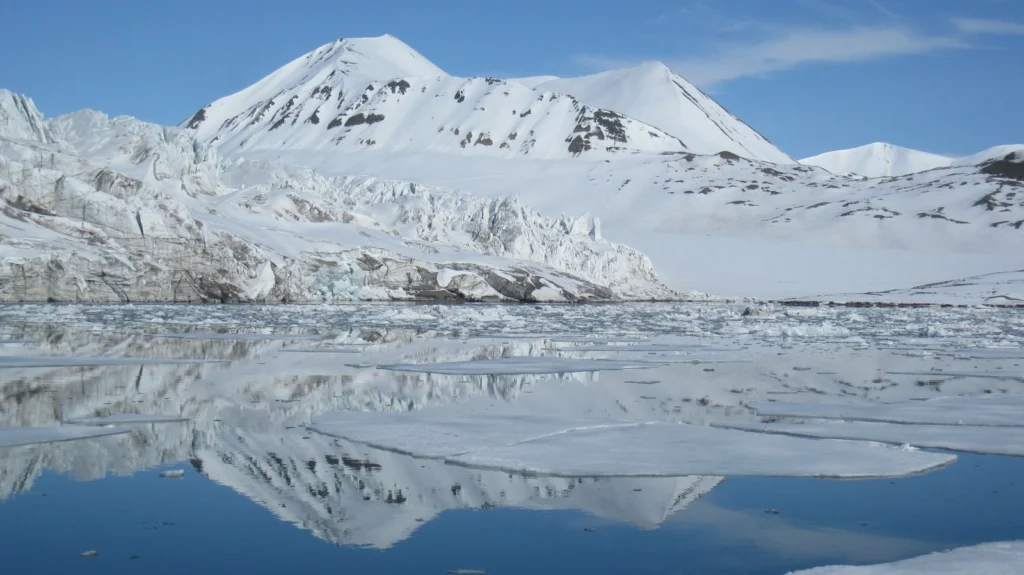
This week’s Imaggeo on Mondays image is brought to you by Fabien Darrouzet, who visited the icy landscapes of Svalbard back in 2012. Whilst the aim of his trip was not to better understand the geology of the landscapes, his eyes were very much focused on goings on up, up in the sky, it didn’t stop him taking this still of the snow covered peaks. This picture was taken in Svalbard (78° lat.) in Jun ...[Read More]

Imaggeo on Mondays: Drumlins Clew Bay

Imaggeo on Mondays: Drumlins Clew Bay

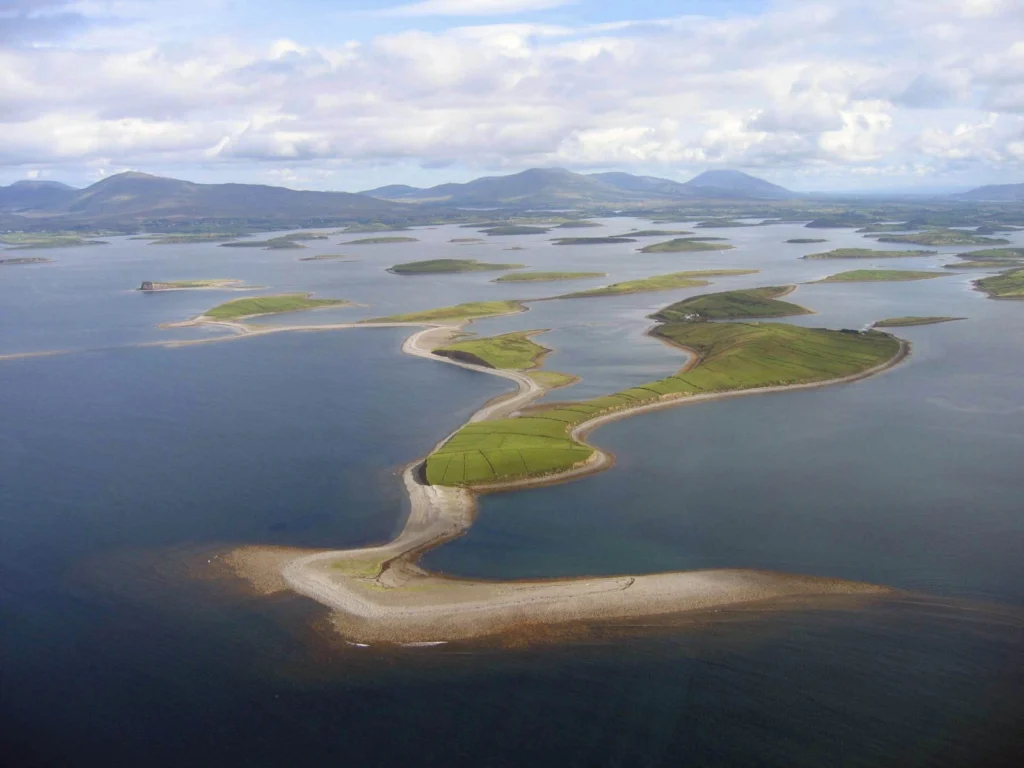
During ice ages landscapes are sculpted by the power of advancing glaciers. From rock scratches, to changing mountains and the formation of corries, cirques and aretes, through to the formation of valleys and fjords, the effects of past glaciations are evident across the northern hemisphere landscape. Perhaps not so familiar, drumlin fields are also vestiges of the erosive power of ancient ice she ...[Read More]

Imaggeo on Mondays: Pyroclastic flow, Montserrat

Imaggeo on Mondays:  Pyroclastic flow, Montserrat

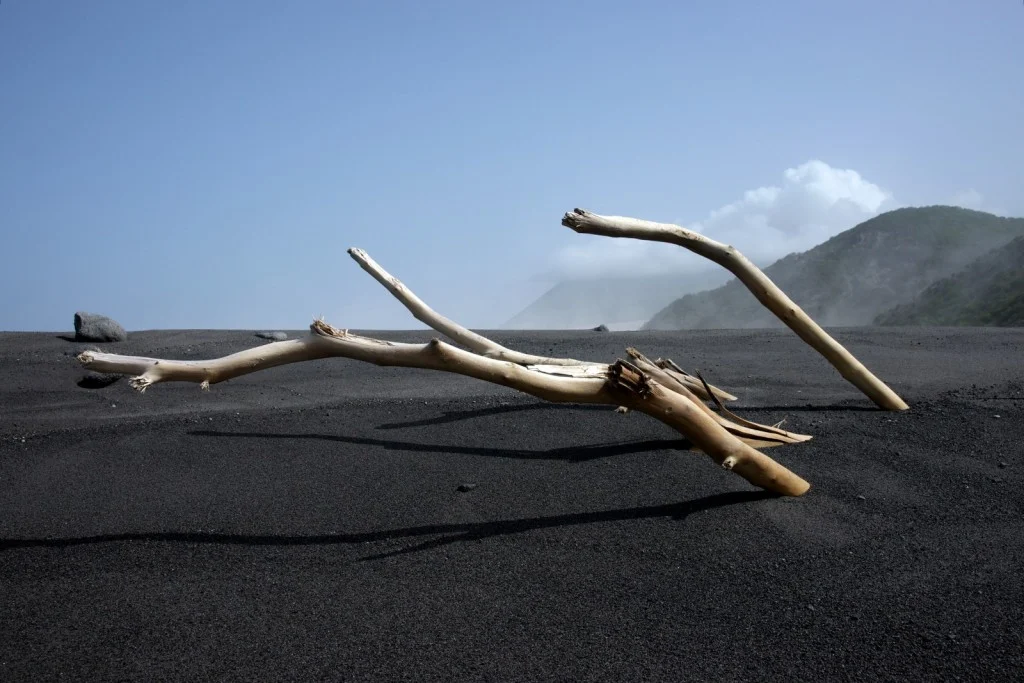
Below the warm and tranquil waters of the Caribbean, some 480 km away from Puerto Rico, the North America Plate is being subducted under the Caribbean Plate. This has led to the formation of the Lesser Antilles volcanic arc; the result of the formation of reservoirs of magma as fluids from the down going North America Plate are mixed with the rocks of the overlying Caribbean Plate. The continued m ...[Read More]

Imaggeo on Mondays: The largest fresh water lake in world

Imaggeo on Mondays: The largest fresh water lake in world

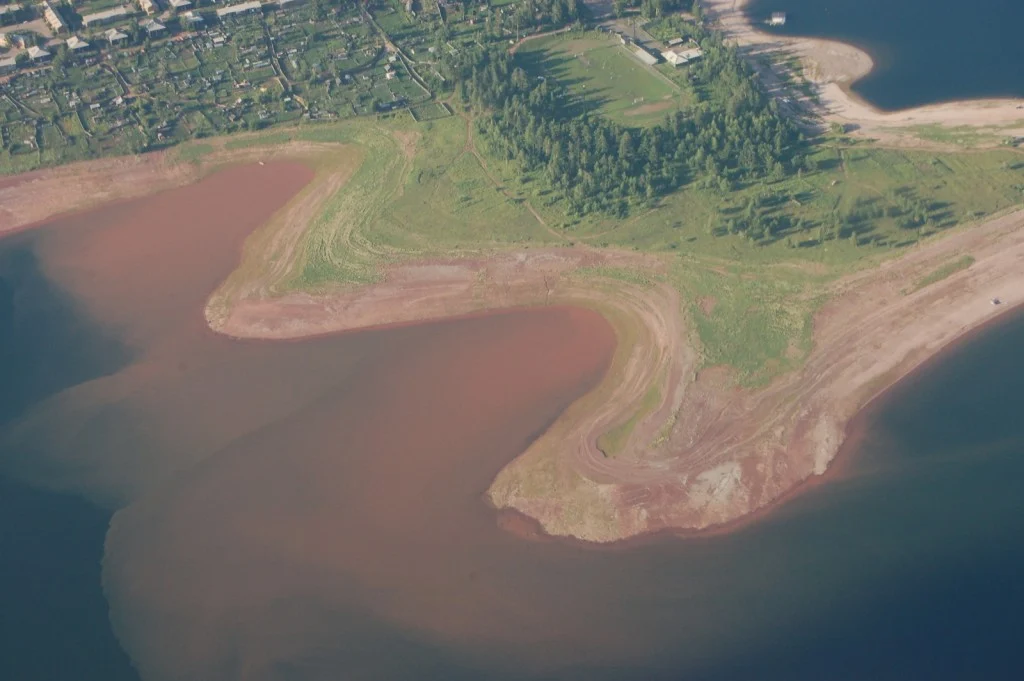
Most lakes in the Northern hemisphere are formed through the erosive power of glaciers during the last Ice Age; but not all. Lake Baikal is pretty unique. For starters, it is the deepest fresh water lake in the world. This means it is the largest by volume too, holding a whopping 23,615.39 cubic kilometres of water. Its surface area isn’t quite so impressive, as it ranks as the 7th largest in the ...[Read More]

Last chance to enter the EGU Photo Contest!

Last chance to enter the EGU Photo Contest!

If you are pre-registered for the 2015 General Assembly (Vienna, 12 -17 April), you can take part in our annual photo competition! Winners receive a free registration to next year’s General Assembly! But hurry, there are only a few days left to enter! Every year we hold a photo competition and exhibit in association with our open access image repository, Imaggeo and our annual General Assembly. Th ...[Read More]