GeoLog

Imaggeo

Congratulations to the winners of the EGU24 Photo Competition!

Congratulations to the winners of the EGU24 Photo Competition!

For this year’s Photo Contest, EGU received a number of amazing images capturing a broad spectrum of the geosciences. Since the selection committee whittled the field down to 10 finalists, you have been voting for your favourites throughout EGU24’s week-long conference, both on-site in Vienna at the EGU booth, and online. After an enthusiastic response …[Read More]

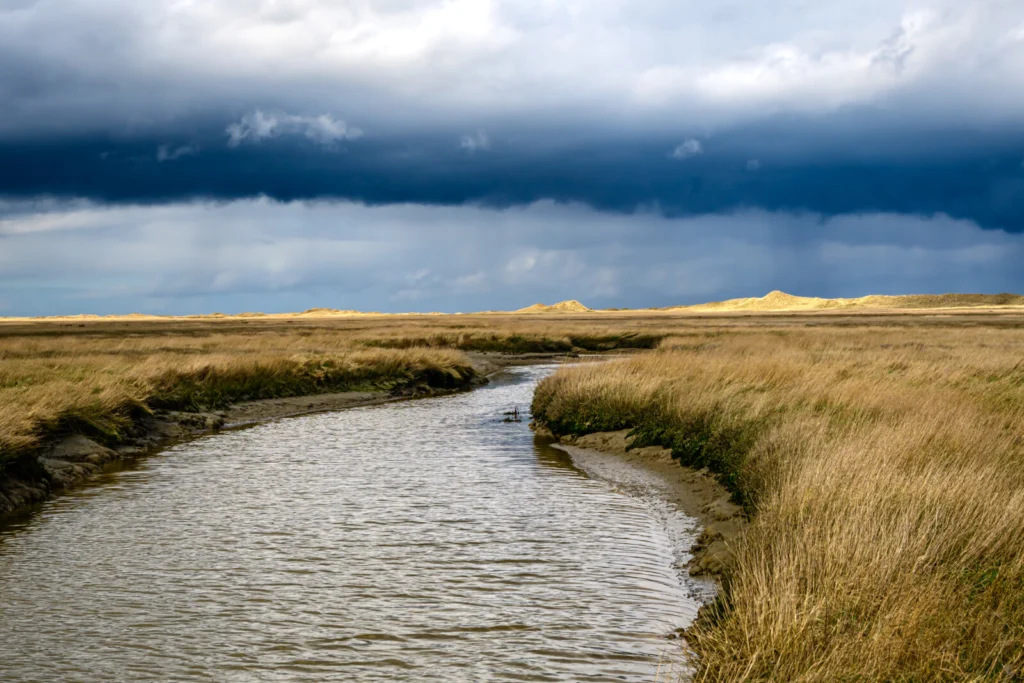
Imaggeo On Monday: Tidal channel and saltmarsh in Germany

Tidal channel and saltmarsh in Germany

“A tidal channel (‘Priel’) in a saltmarsh of the Wadden Sea, northern Germany.” Tidal channels are an integral part of salt marshes and form naturally, connecting the marsh with the nearest water body. These tidal channels provide an ecological bounty for a diverse range of life, from plants to invertebrates to birds and mammals – …[Read More]

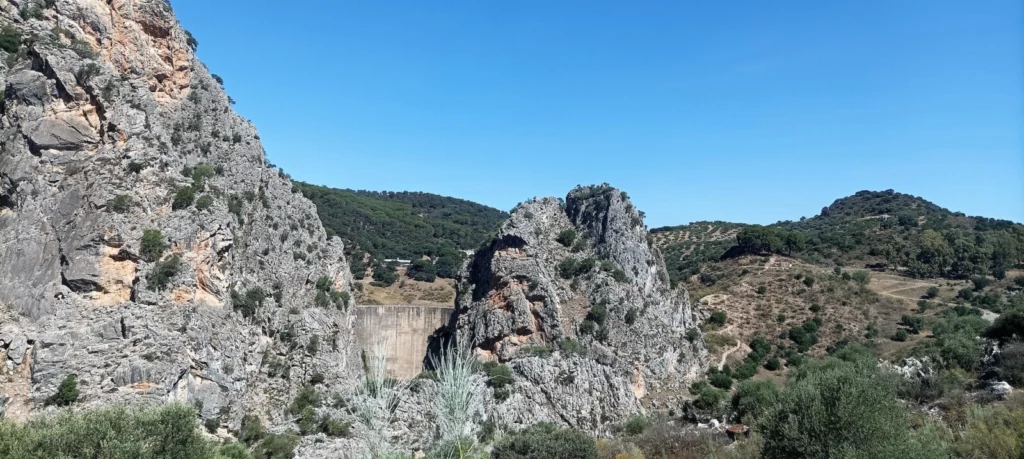
Imaggeo On Monday: Elegance with no functionality

Imaggeo On Monday: Elegance with no functionality

The Montejaque dam, with its 84 meters of height, is one of the first vaulted dams built in Europe. Currently, it remains only as a vestige of one of the major hydroelectric projects by the “Sevillana de Electricidad” company. Preliminary studies for its construction began in 1917. Some of these studies indicated that the project …[Read More]

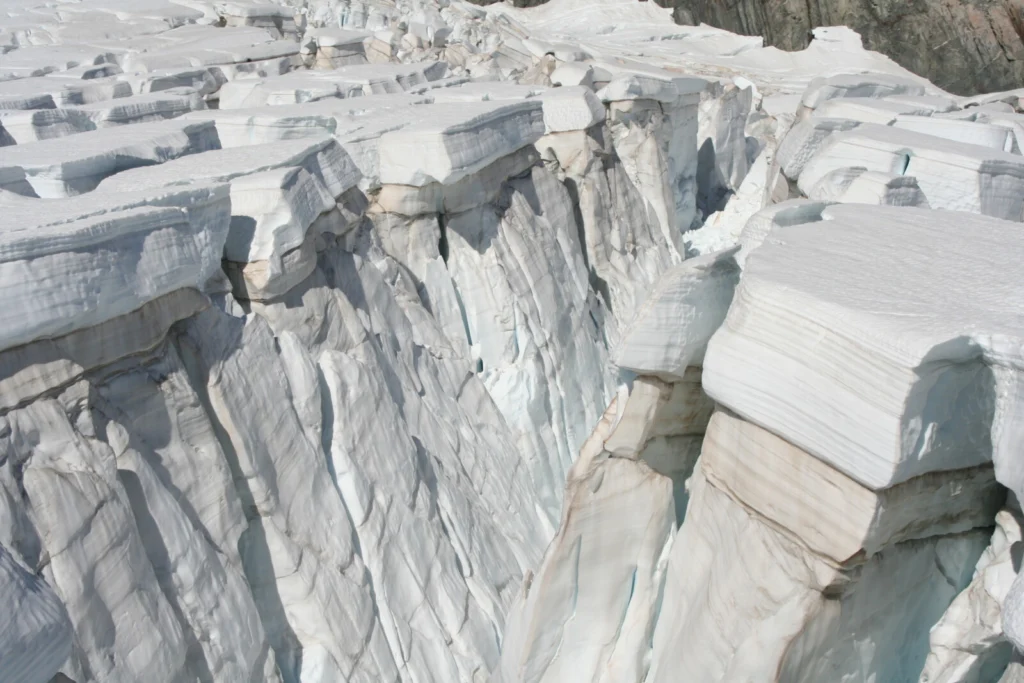
Imaggeo On Monday: Layers of dust and snow

Imaggeo On Monday: Layers of dust and snow

This image shows layers of dust and snow at the surface of Fox Glacier, Southern Alps, New Zealand. The glacier surface in the upper part of Fox Glacier’s ice fall is heavily crevassed and intersected into seracs. Individual layers of fresh and old snow are visible, some with visible thin dust layers at their surface. …[Read More]

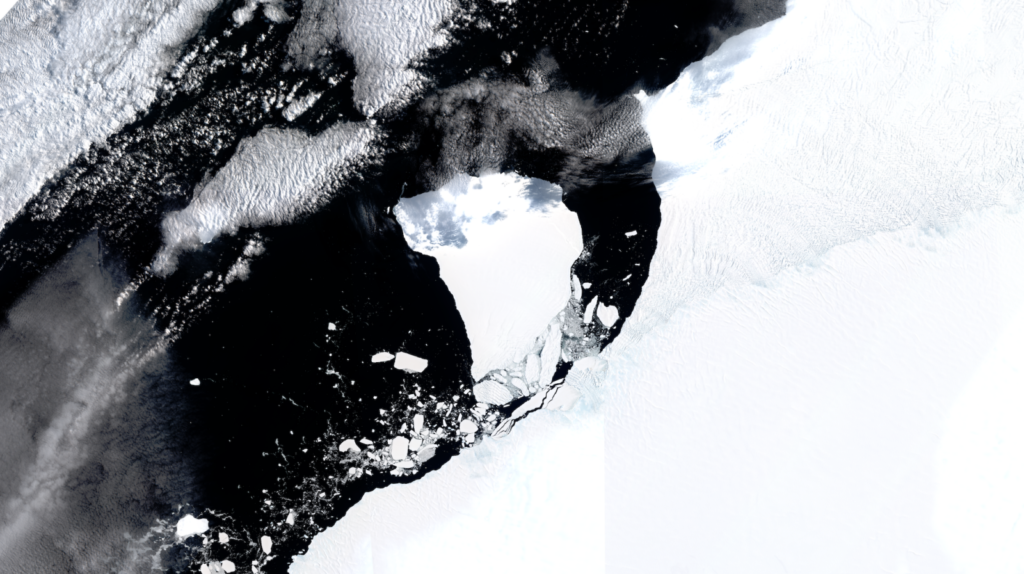
Imaggeo On Monday: Iceberg A-81, Brunt Ice Shelf, Antarctica

Imaggeo On Monday: Iceberg A-81, Brunt Ice Shelf, Antarctica

Information from a British Antarctic Survey Press Release. A huge iceberg (1550 km²), almost the size of Greater London, has broken off the 150m thick Brunt Ice Shelf. It calved after cracks that have been developing naturally over the last few years extended across the entire ice shelf, causing the new iceberg to break free. …[Read More]