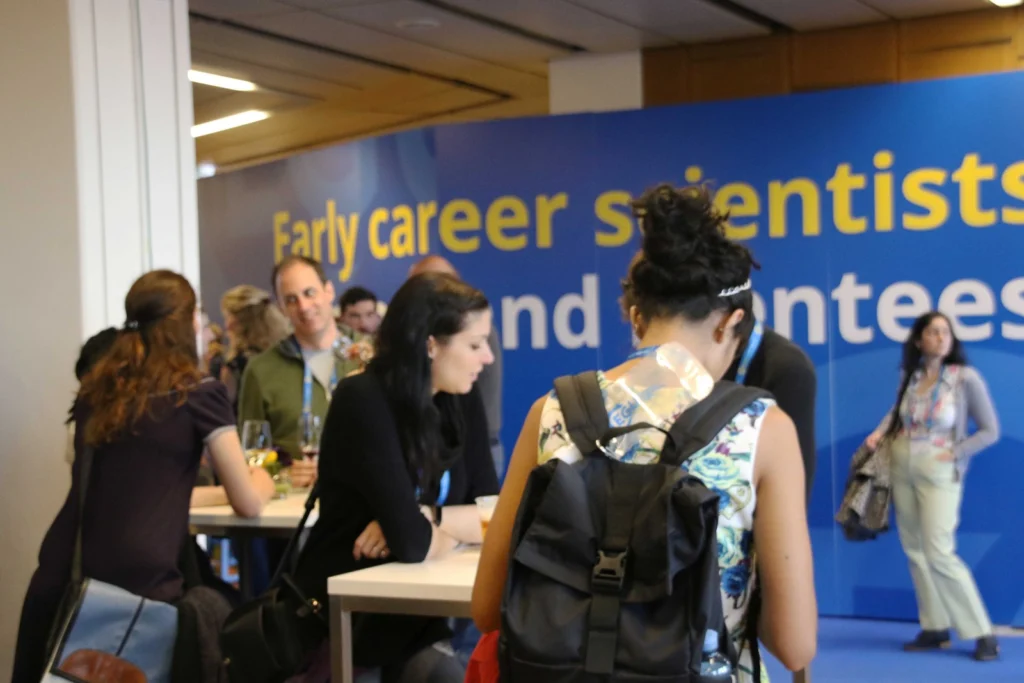
In addition to the usual GeoTalk interviews, where we highlight the work and achievements of early career researchers, this month we’ll also introduce one of the Division early career scientist representatives (ECS). They are responsible for ensuring that the voice of EGU ECS membership is heard. From organising short courses during the General Assembly, through …[Read More]
Vienna
A young participant’s experience at the 2018 General Assembly: So much to discover!
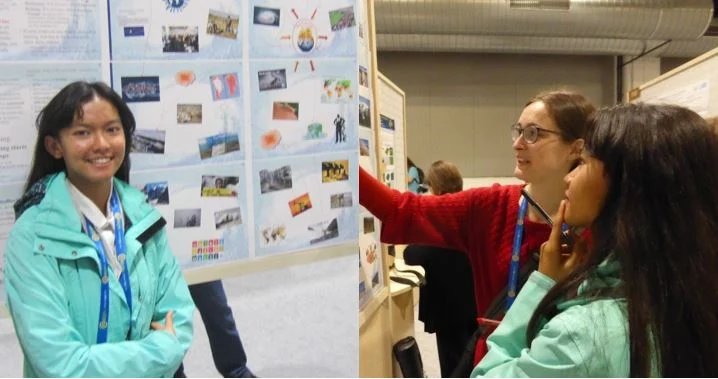
Today we welcome probably one of the youngest participants who attended the 2018 General Assembly, Pariphat Promduangsri, a 16-year-old science baccalaureate student at Auguste Renoir high school in Cagnes-sur-mer, France, as our guest blogger. With a deep interest in the natural world and in taking care of the environment, Pariphat was a keen participant at …[Read More]
Imaggeo on Mondays: Getting involved with EGU!
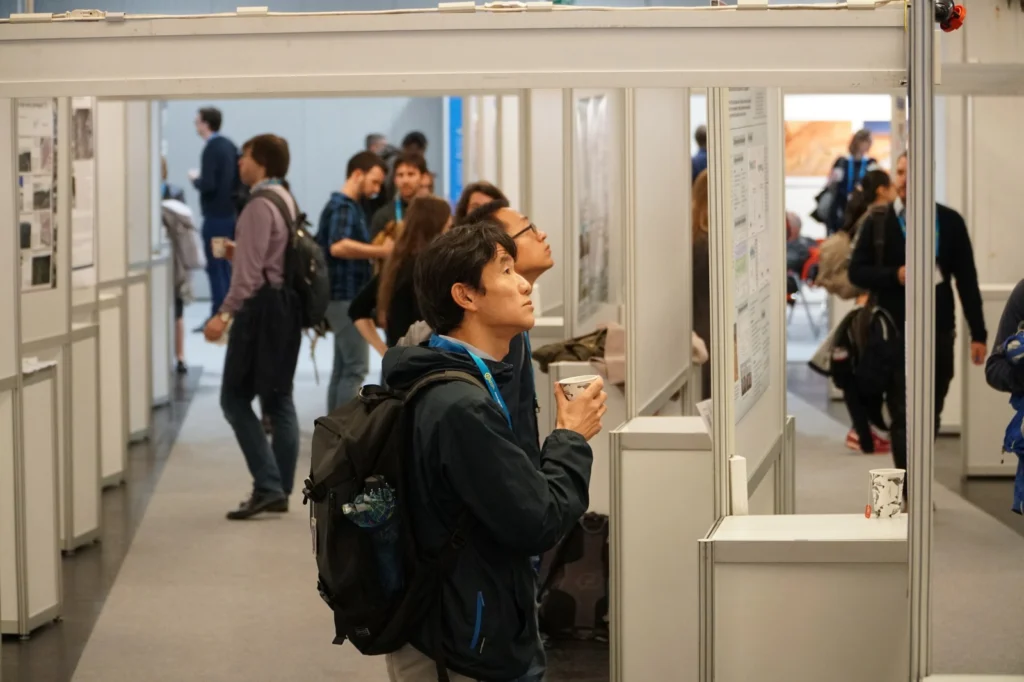
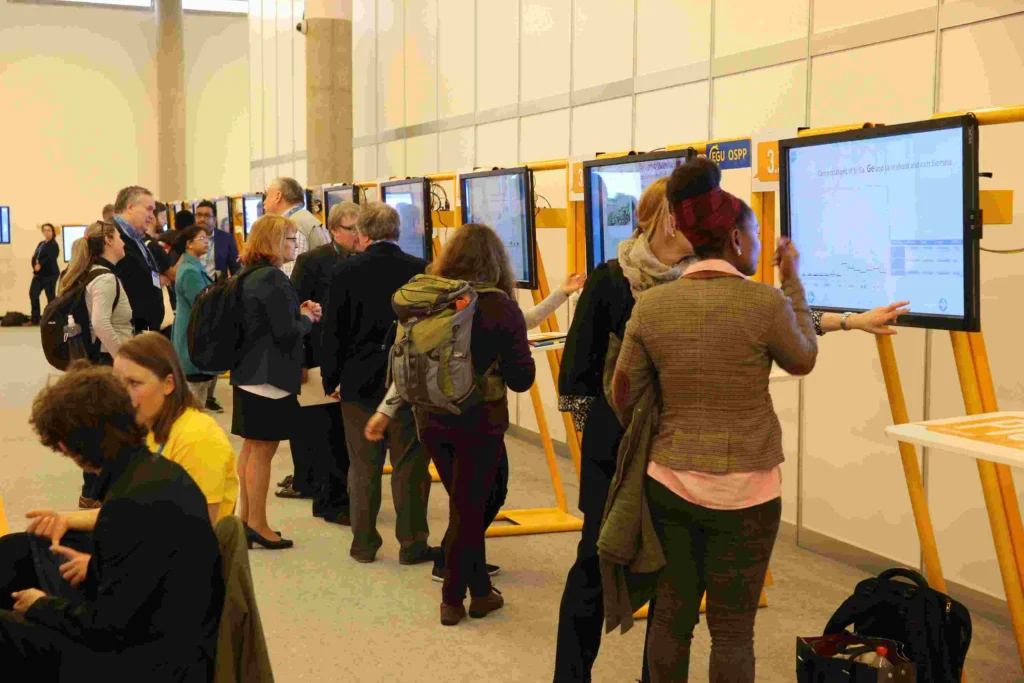
Today’s featured photo comes from the 2017 General Assembly. Did you enjoy this year’s 666 unique scientific sessions, 68 short courses and 294 side events? Did you know that EGU members and conference attendees can play an active role in shaping the scientific programme of the conference? It’s super easy! You can suggest a session (with …[Read More]
Help shape the conference programme: Inter- and Transdisciplinary Sessions at the 2019 General Assembly
Do you enjoy the EGU’s annual General Assembly but wish you could play a more active role in shaping the scientific programme? Now is your chance! But hurry, the session submission deadline is fast approaching. You’ve got until September 6th to propose changes. As well as the standard scientific sessions, subdivided by Programme Groups, EGU coordinates Inter- and …[Read More]
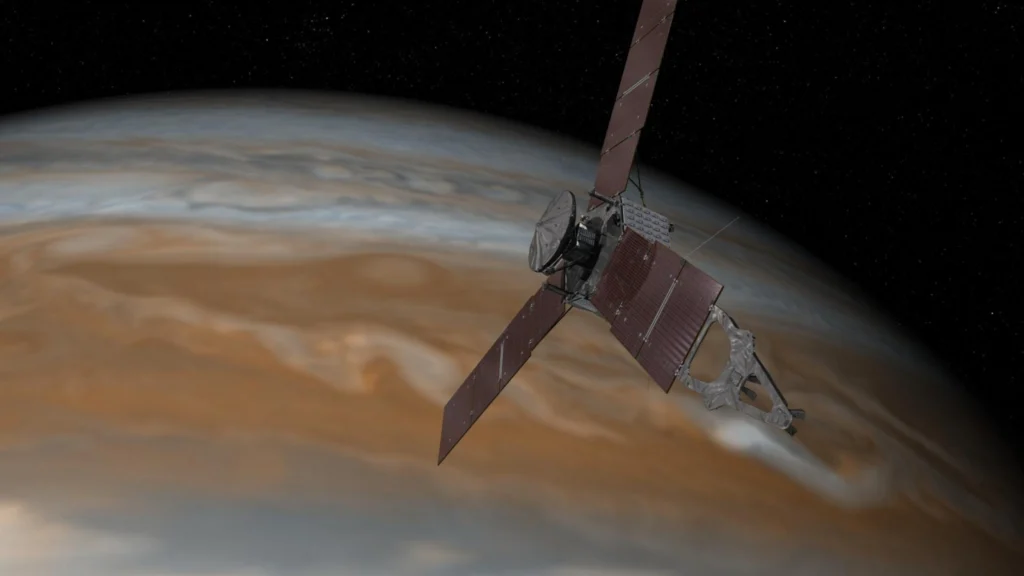
NASA’s Juno mission reveals Jupiter’s magnetic field greatly differs from Earth’s
NASA scientists have revealed surprising new information about Jupiter’s magnetic field from data gathered by their space probe, Juno. Unlike earth’s magnetic field, which is symmetrical in the North and South Poles, Jupiter’s magnetic field has startlingly different magnetic signatures at the two poles. The information has been collected as part of the Juno program, …[Read More]
Shape the EGU 2019 scientific programme: The call for sessions is open!
Do you enjoy the EGU’s annual General Assembly but wish you could play a more active role in shaping the scientific programme? Now is your chance! From today, until 6 Sep 2018, you can suggest: Sessions (with conveners and description), Short Courses, or; Modifications to the existing skeleton programme sessions Plus from now until 18 January 2019, …[Read More]
How to convene a session at the General Assembly… in flow charts!
Convening a session at a conference can seem daunting, especially if you are an early career scientist (ECS) and a first-time convener. At the 2018 General Assembly, Stephanie Zihms, the Union-level ECS representative, discussed the basics of proposing, promoting and handling a session in the short course ‘How to convene a session at EGU’s General …[Read More]
Give us the foundation to build our transferrable skills!
The EGU Early Career Scientists’ (ECS) Great Debates offer early career scientists at the EGU General Assembly the chance to network and voice their opinions on important topics in the format of round-table discussions. At the end of the debate, each table delivers a statement that summarises the discussion and recommendations. By publishing the results, …[Read More]
Giving back to the city: First EGU Public Lecture at the General Assembly 2018 in Vienna
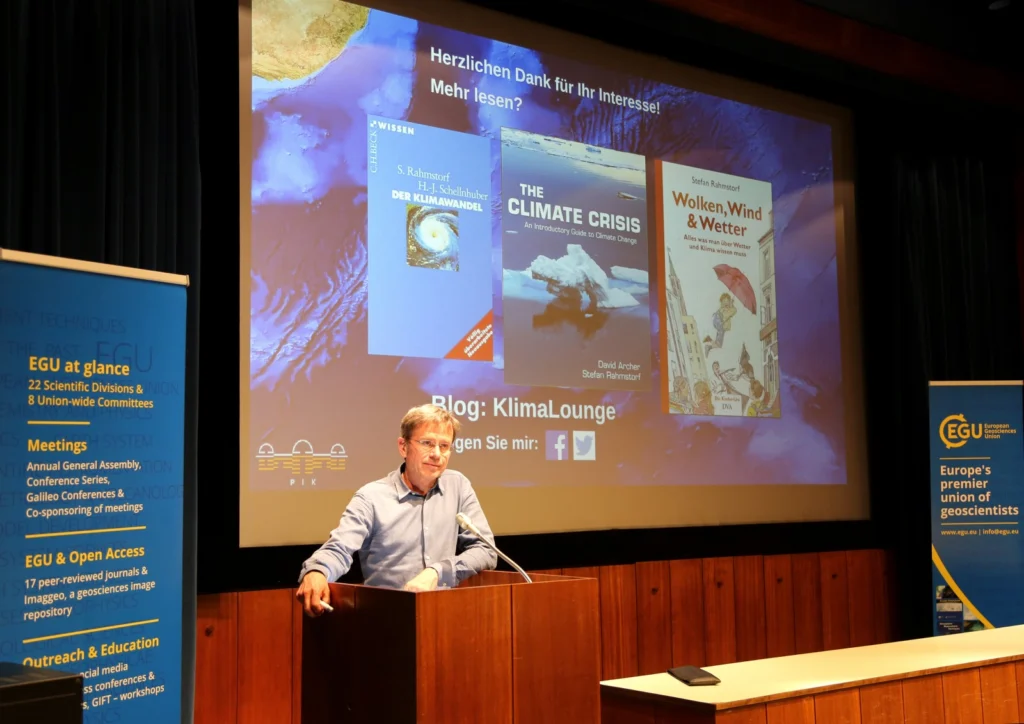
The inaugural EGU Public Lecture, titled ‘After Paris: Are we getting the climate crisis under control?’, took place last April at the 2018 General Assembly in the Natural History Museum of Vienna. In this first public lecture, Stefan Rahmstorf, a climate scientist at the Potsdam Institute for Climate Impact Research in Germany, took the audience …[Read More]
Uploading your 2018 General Assembly presentation
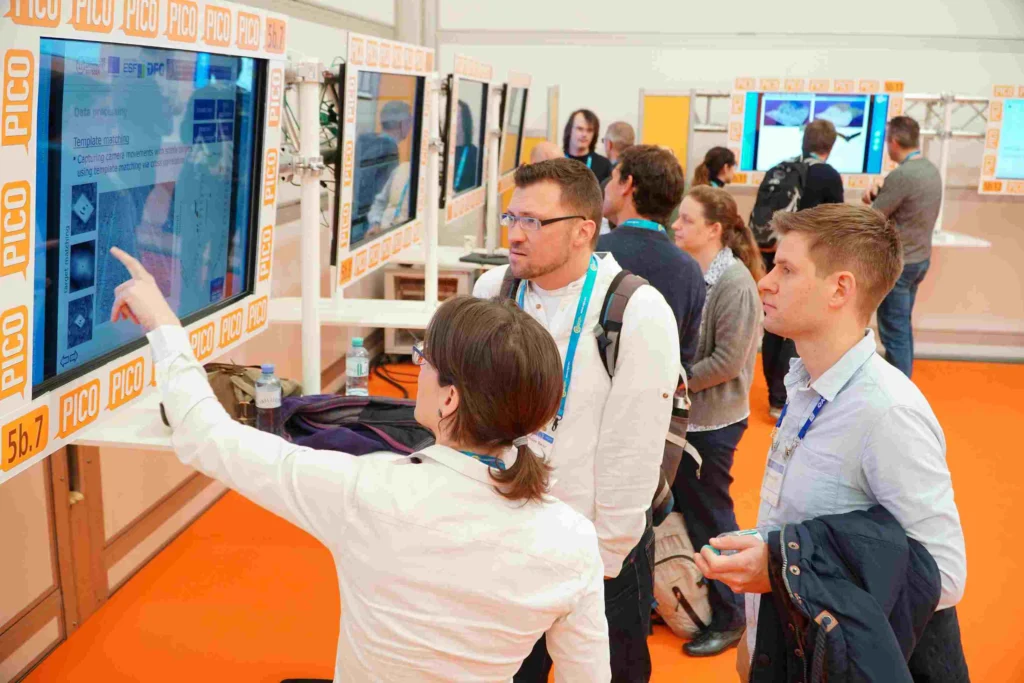
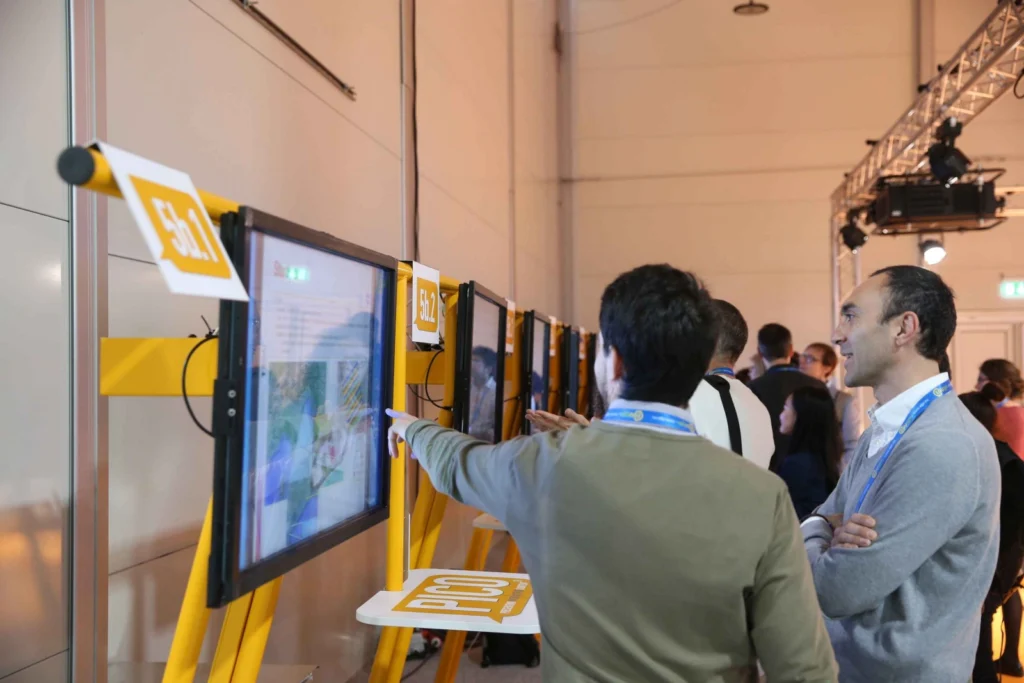
This year it is, once again, possible to upload your oral presentations, PICO presentations and posters from EGU 2018 for online publication alongside your abstract, giving all participants a chance to revisit your contribution – hurrah for open science! Files can be in either PowerPoint or PDF format. Note that presentations will be distributed under the Creative Commons Attribution 4.0 License. Uploading …[Read More]