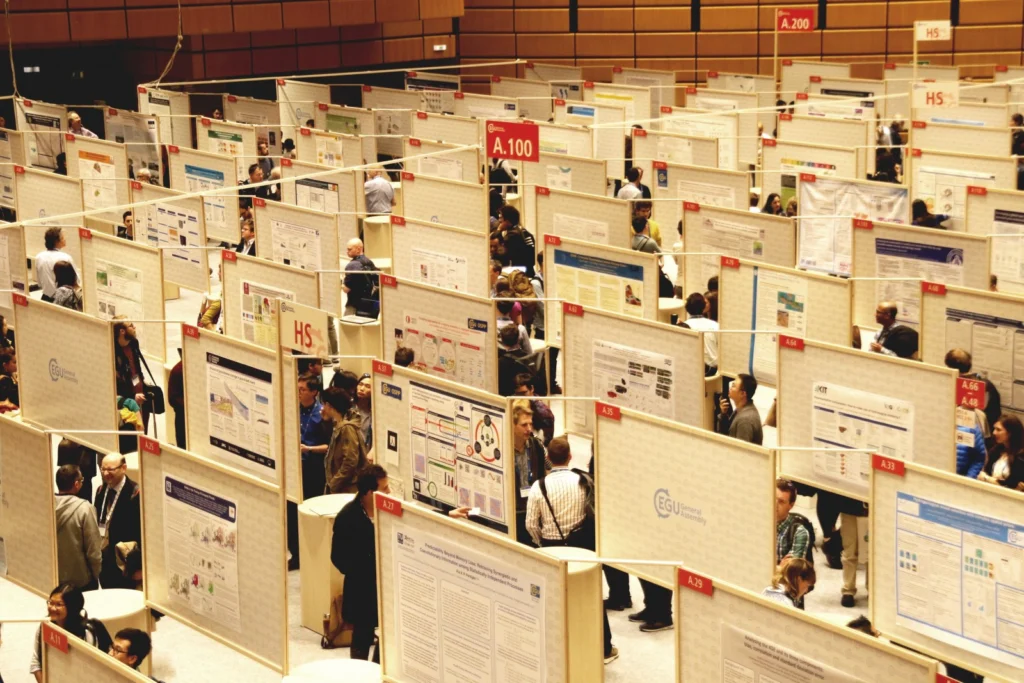
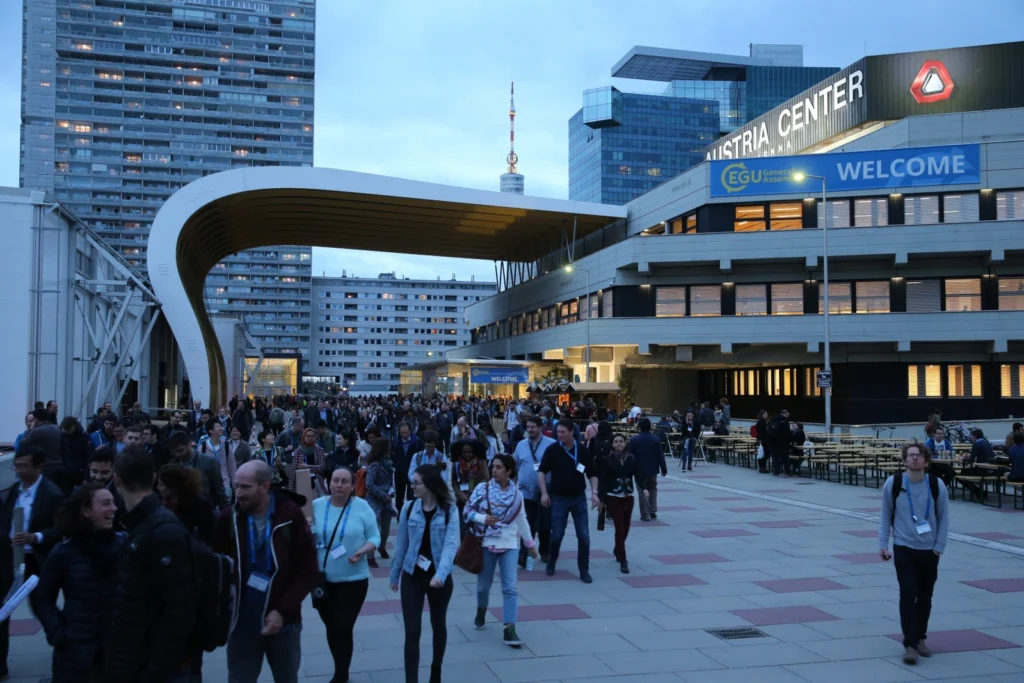
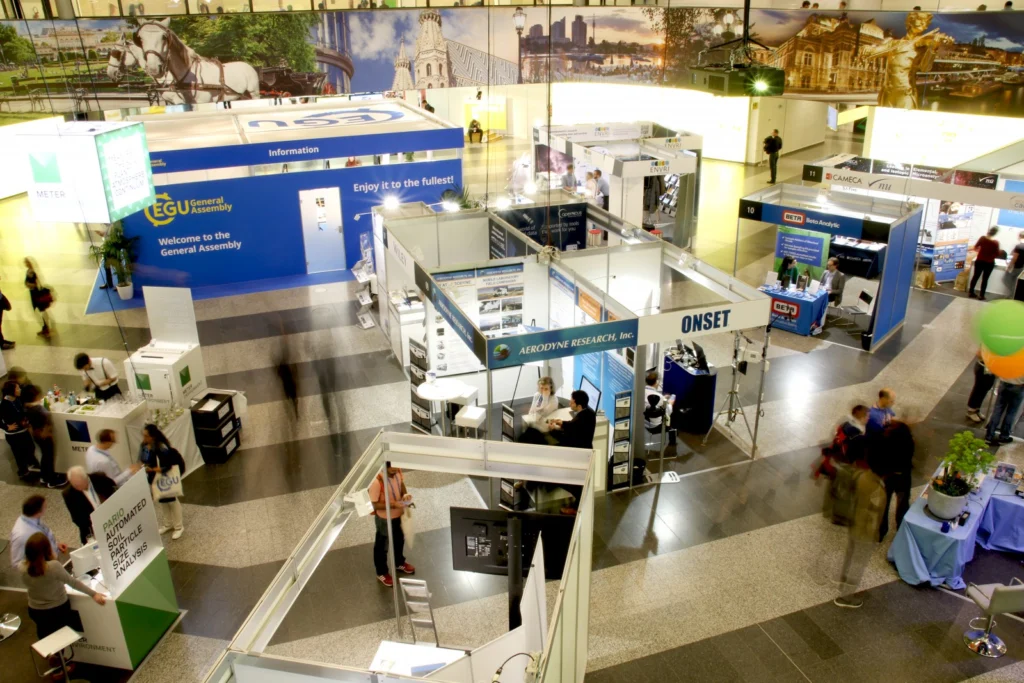
With the conference only a few weeks away here is a brief, and by no means comprehensive, introduction of how to get to Vienna and what to do when you’re there! Getting here Vienna’s International Airport is served by many of the major European airlines. If you would like to consider reaching Vienna by train or bus …[Read More]
Vienna
EGU 2019 General Assembly programme is now online!
The EGU General Assembly 2019 programme is available here. Take a look and – if you haven’t already – register for the conference by 28 February to make the early registration rates! This year’s scientific programme of the General Assemby includes Union-wide Sessions, such as the medal lectures, great debates, short courses, education and outreach sessions, as well as townhall and splinter …[Read More]
EGU 2019: How to make the most of your time at the General Assembly without breaking the bank
Attending a conference is not cheap, even if you’ve been lucky enough to secure some funds to help with travel, accommodation and/or registration costs. However, with a little insider knowledge from those who’ve attended the General Assembly many times before, it is possible to have a (scientifically) rewarding week in Vienna, without breaking the bank. …[Read More]
Get involved: become an early career scientist representative
Early career scientists (ECS) make up a significant proportion of the EGU membership and it’s important to us that your voices get heard. To make sure that happens, each division appoints an early career scientists representative: the vital link between the Union and the ECS membership. After tenure of two or four years, a few of the …[Read More]
Do’s and don’ts for attending your first General Assembly
The prospect of attending a large international conference during your PhD can be really daunting, especially if you’re only in your second year and in the early stages of data collection. That’s why I hadn’t planned on going to one until my third year. But thanks to winning some travel funds, this time last year …[Read More]
Being a mentor at the General Assembly
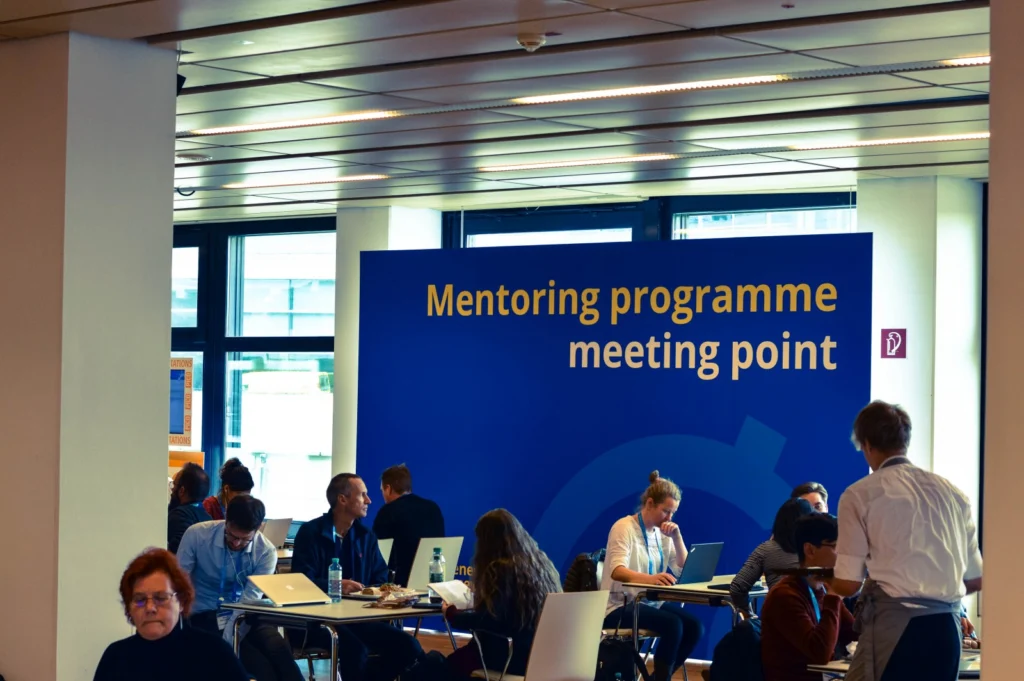
With more than 15,000 participants, 4,700 oral presentations, 11,000 posters and 1,400 PICO presentations, the EGU General Assembly can be an overwhelming experience for any scientist, whether it’s your first time or 10th time attending. However, you can make conference networking a bit easier by signing up for the EGU 2019 Mentoring Programme! This mentoring …[Read More]
GeoTalk: Alena Ebinghaus, Early Career Scientist Representative
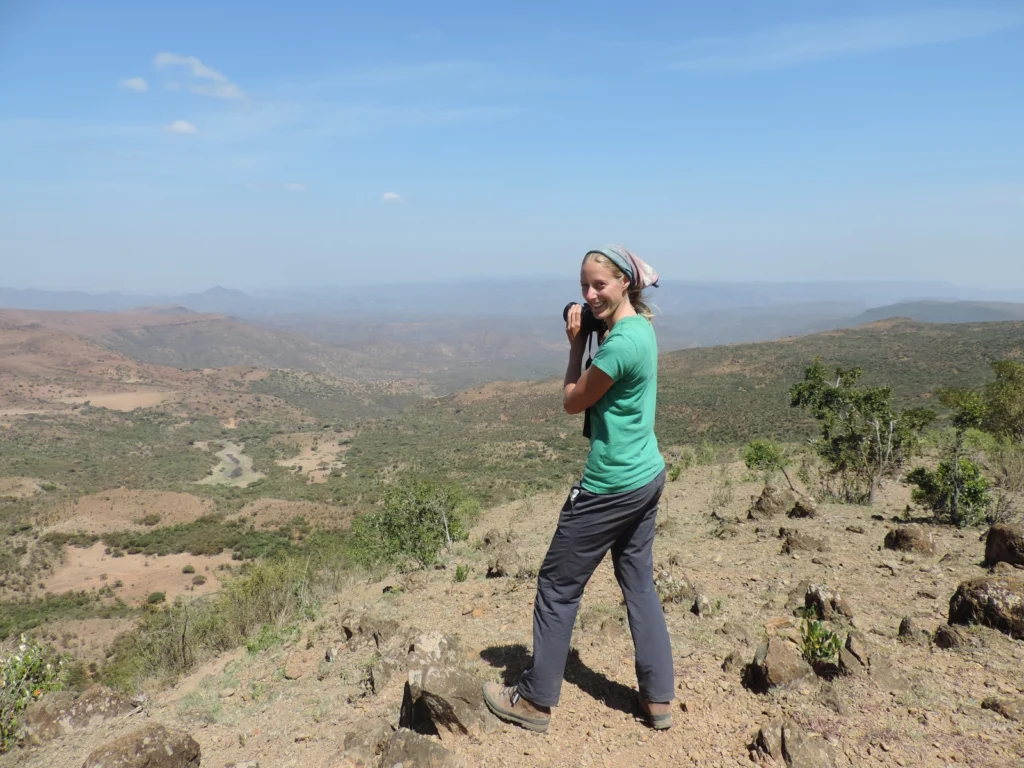
In addition to the usual GeoTalk interviews, were we highlight the work and achievements of early career scientists, this month we’ll also introduce one of the (outgoing) Division early career scientist representatives (ECS). The representatives are responsible for ensuring that the voice of EGU ECS membership is heard. From organising short courses during the General …[Read More]
EGU Photo Competition 2019: Now open for submissions!
If you are pre-registered for the 2019 General Assembly (Vienna, 7 – 12 April), you can take part in our annual photo competition! Winners receive a free registration to next year’s General Assembly! The tenth annual EGU photo competition opened on 15 January. Up until 15 February, every participant pre-registered for the General Assembly can submit up to …[Read More]
What’s new for the 2019 General Assembly?
Along with our conference organisers, Copernicus, we aim to improve the experience of General Assembly attendees with each passing year. Over the last few months we’ve introduced some changes that we hope will make the 2019 edition of our meeting even better! This post highlights the new rules for submitting an abstract and some changes …[Read More]
GeoTalk: the climate communication between Earth’s polar regions
Geotalk is a regular feature highlighting early career researchers and their work. In this interview, we caught up with Christo Buizert, an assistant professor at Oregon State University in Corvallis, who works to reconstruct and understand climate change events from the past. Christo’s analysis of ice cores from Greenland and Antarctica helped reveal links between …[Read More]