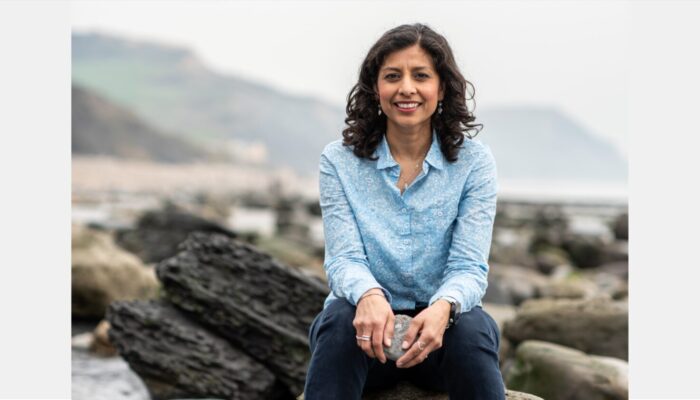
This month for GeoTalk we were lucky enough to speak with Anjana Khatwa, the author of a new geoscience book ‘The Whispers of Rock’. Dr Anjana Khatwa is an award-winning Earth Scientist, science communicator, writer, presenter and advocate for diversity in natural heritage spaces. For over twenty years, Anjana has worked as a learning and engagement professional in the natural heritage ...[Read More]
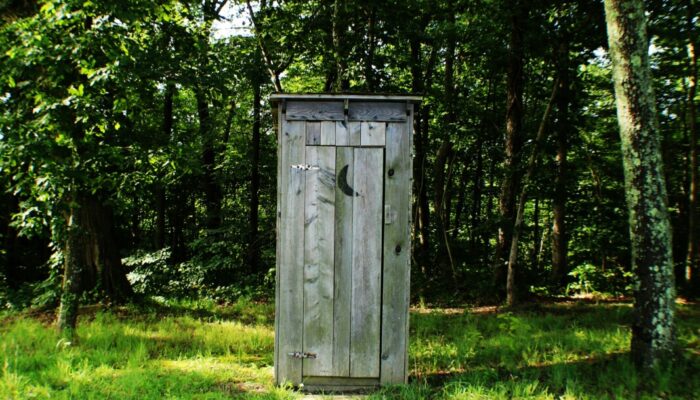
Holding it in (the learning, not the pee) – The gendered importance of toilet breaks for geoscience students during field-courses
Field-based teaching is a cornerstone of geoscience education. Concepts such as scale, complexity, spatial awareness, 3D geometries, methods, skills, and techniques are inherently difficult to teach from a lecture theatre. However, achieving the benefits of field-based teaching might require a learning module not always considered as a prerequisite: planning and providing information about bathroo ...[Read More]
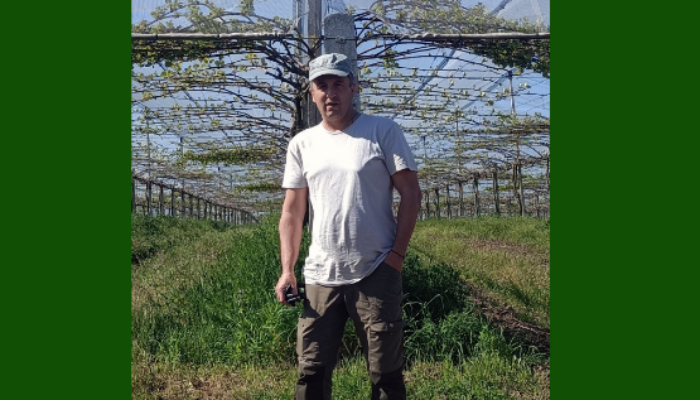
GeoTalk: Adriano Sofo, soil chemist and microbiologist, National Geographic Explorer, and EGU Biodiversity Task Force member
Adriano, welcome to GeoTalk! As an Associate Professor of Agricultural Chemistry and Plant Biology, you work a lot on microbiology and chemistry related to soil management. Can you tell us a bit about how your work is relevant for society? Thank you, Chloe! It is a pleasure. My research in soil chemistry and microbiology directly contributes to understanding factors influencing crop yield and qual ...[Read More]
GeoPolicy: Fluvial geomorphology and its potential for policy impact
In this month’s GeoPolicy blog post, Dr Grace Skirrow outlines how researchers can share their expertise with environmental regulators to have policy impact and the role that fluvial geomorphology can play in policy decisions. Fluvial Geomorphology and why it is relevant for policymakers Fluvial Geomorphology (“fluvial”, derived from the Latin “fluvialis”, meaning “of the river”) is the study of l ...[Read More]