Want to communicate your research to a wider audience and try your hand at video production? Now’s your chance! The competition is open to early career scientists (ECS) who intend to register for the EGU General Assembly. The aim is to produce a video up-to-three-minutes long to share your research with the general public. The winning entry will receive a free registration to the General Assembly ...[Read More]
Geochemistry, Mineralogy, Petrology & Volcanology
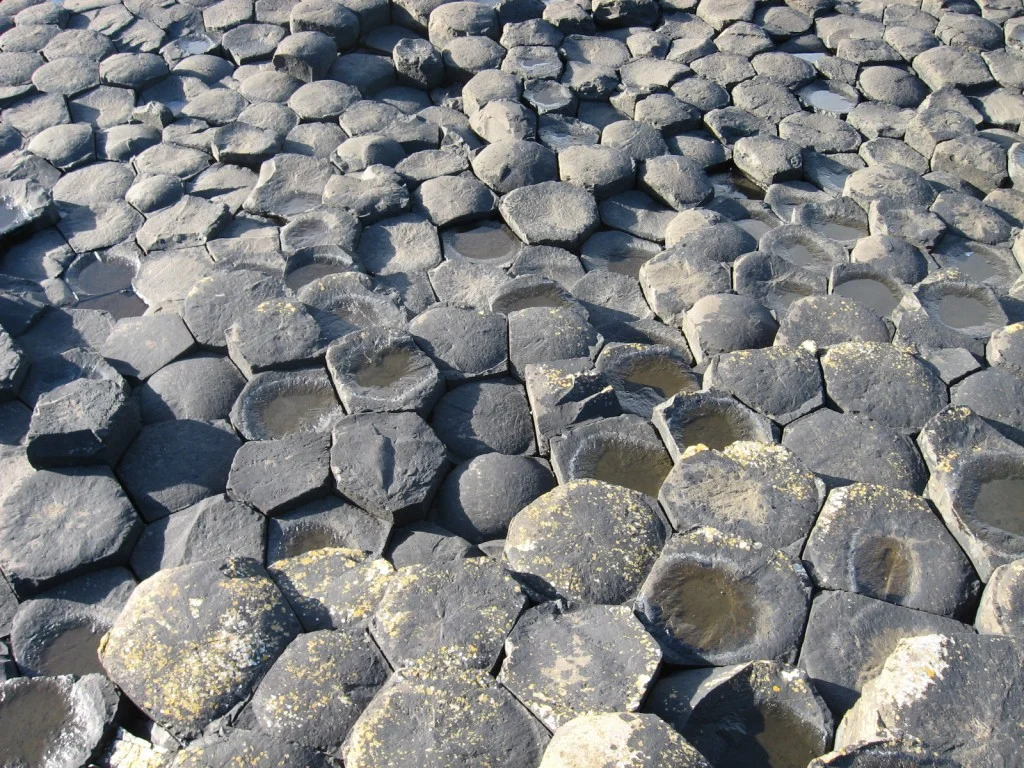
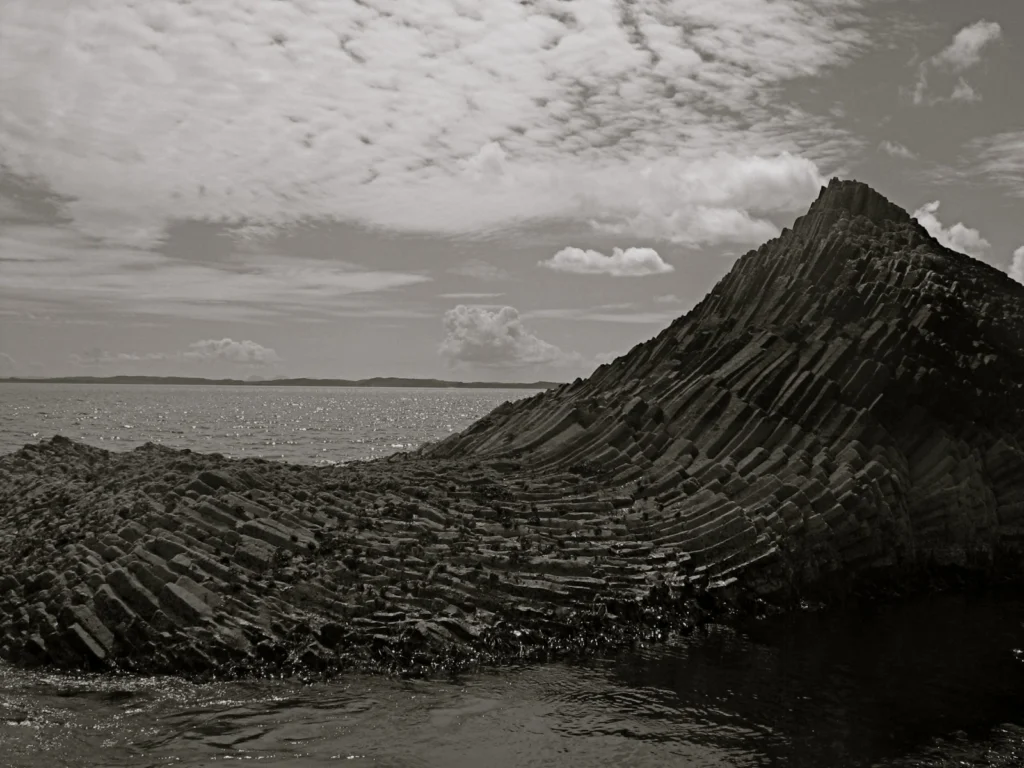
Imaggeo on Mondays: Giants Causeway
Since its discovery back in the late 1600s the origin of the spectacular polygonal columns of the Giants Causeway, located on a headland along the northern coast of Ireland, has been heavily debated. Early theories for its origin ranged from being sculpted by men with picks and chisels, to the action of giants, through to the force of nature. It wasn’t until 1771 that Demarest, a Frenchman, sugges ...[Read More]
Geoscience hot topics – Part I: The Earth’s past and its origin
What are the most interesting, cutting-edge and compelling research topics within the scientific areas represented in the EGU divisions? Ground-breaking and innovative research features yearly at our annual General Assembly, but what are the overarching ideas and big research questions that still remain unanswered? We spoke to some of our division presidents and canvased their thoughts on what the ...[Read More]
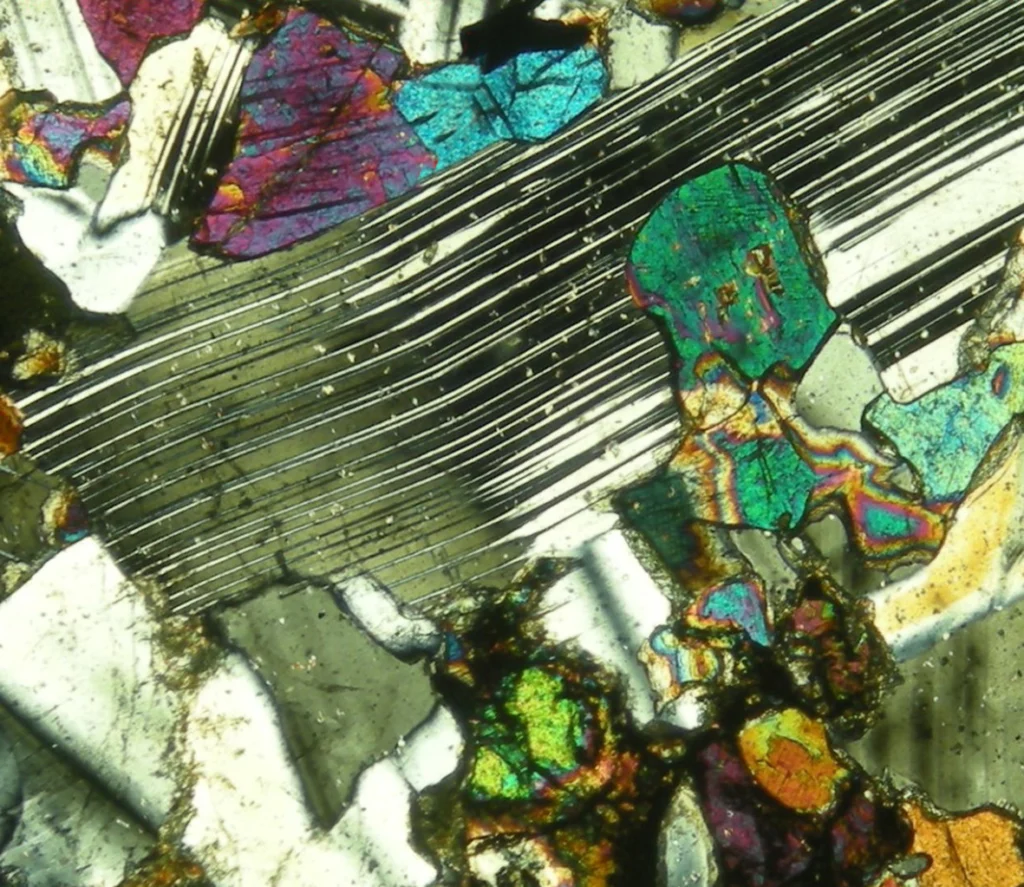
Imaggeo on Mondays: What a thin section has to say about the deformation of the Zagros Mountains
The impressive Zagros Orogeny, as seen from a bird’s-eye view, has featured on Imaggeo on Monday’s blog posts a few times recently. From its fluvial dissection features, through to a false colour LANDSAT 7 image which reveals a velociraptor hiding among fold and thrusts, we’ve looked at the broad scale structures which shape the Zagros mountains. This week, the scale changes entirely: we zoom righ ...[Read More]
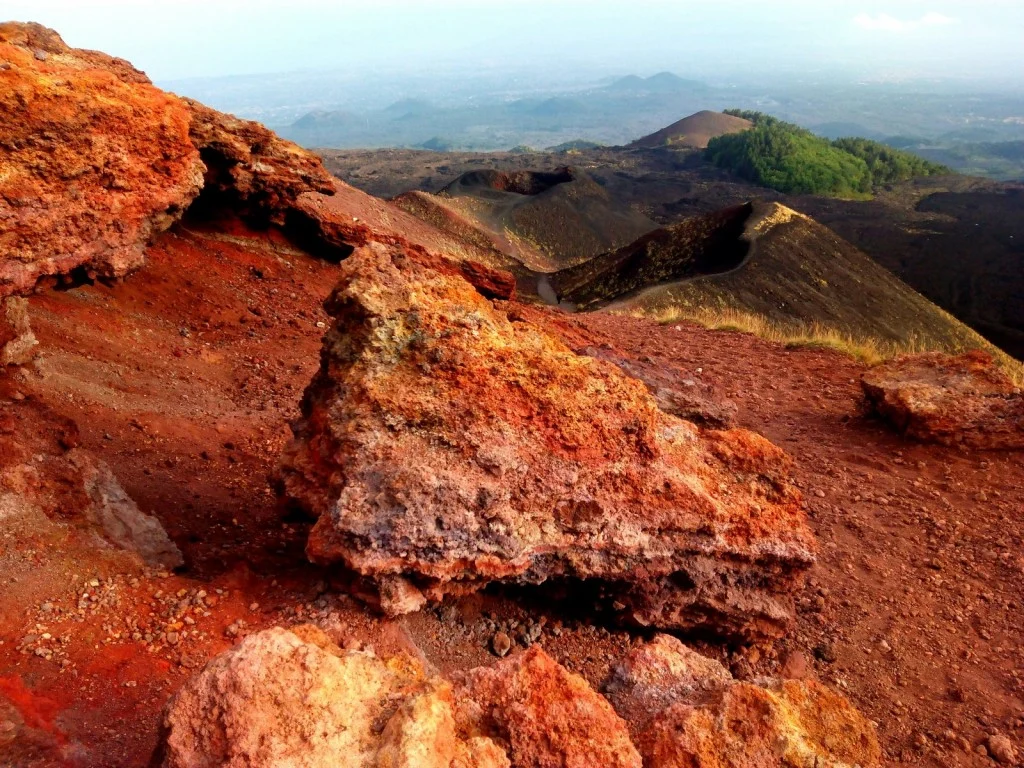
Imaggeo on Mondays: Mount Etna
In this week’s Imaggeo on Monday’s image an almost Martian looking landscape, with ombre coloured soils, gives way to gently rolling hills, covered in luscious woods and vegetation. Were it not for the trees in the distance, you would be forgiven for thinking this image had been captured by a Mars rover. In truth, it is an entirely more earthly landscape: welcome to the slopes of Mt. Etna! Keep on ...[Read More]
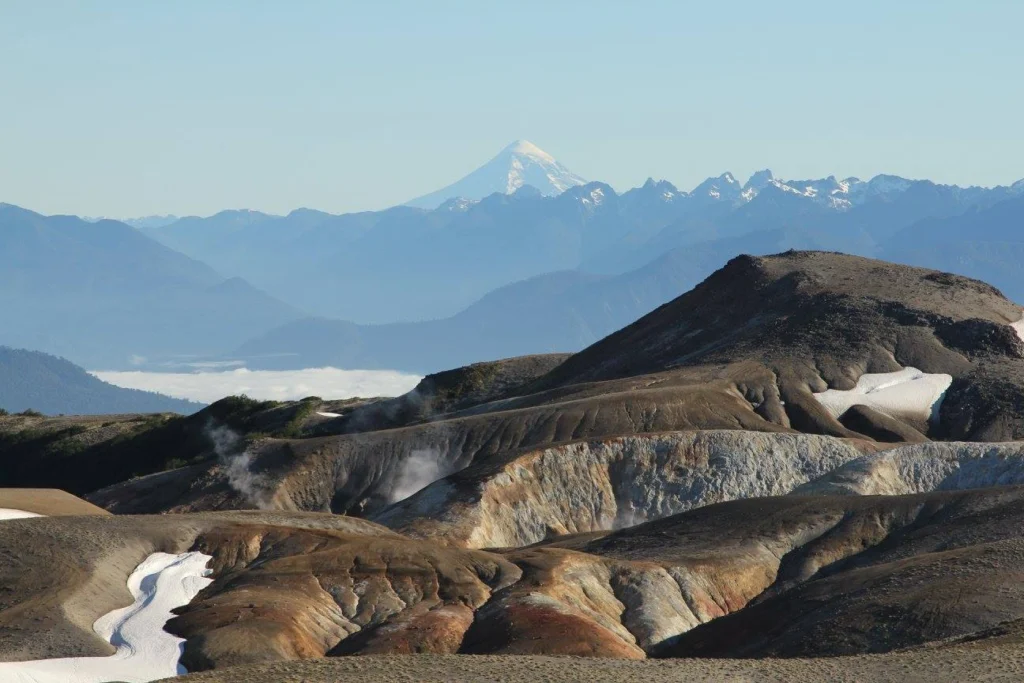
A journey into the Cordon Caulle volcano
There is no escaping the fact that one of the perks of being an Earth scientist is the opportunity to visit incredible places while on field work. There is also no doubt that, geologist or not, walking on an active volcano is awe inspiring. Maybe you’ve had the experience of doing so yourself (if so, share your story with us in the comments section, we’d love to hear from you!), but if ...[Read More]
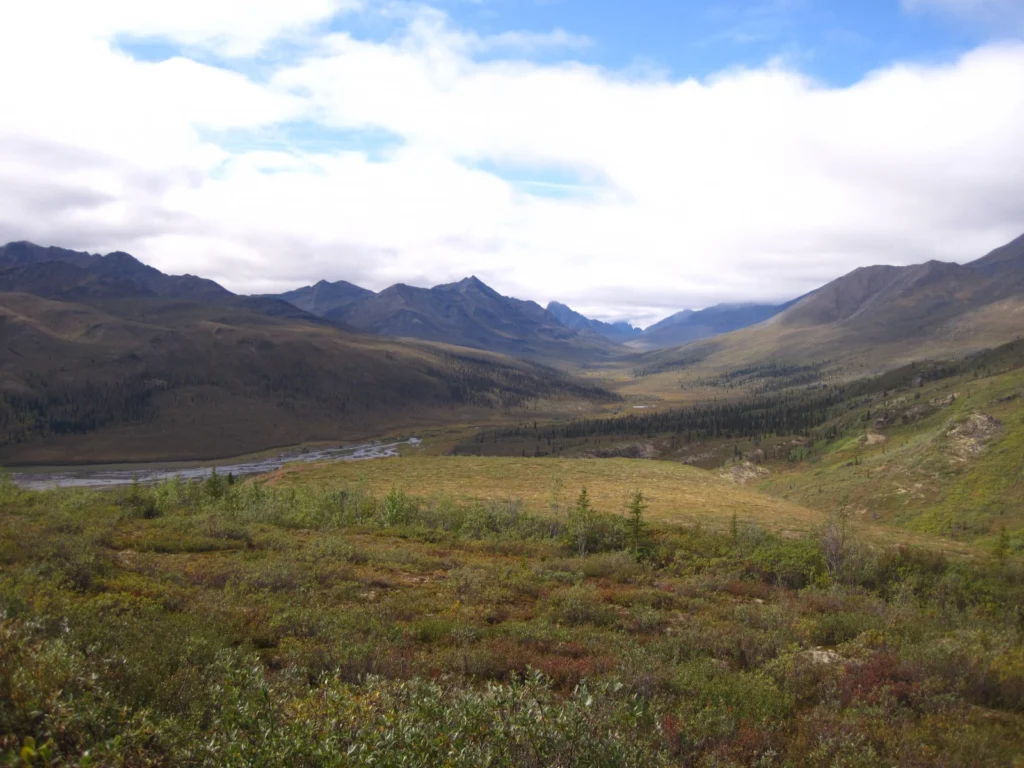
Imaggeo on Mondays: Tombstones Mountains
This week’s Imaggeo image is brought to you by one of our network bloggers, Matt Herod. Of the image, Matt said ” this particular one is one of my all time favourites. I have even blown it up and hung it on my wall at home,” and we couldn’t agree more; this Canadian landscape is breathtaking. Dive into this post and let Matt take you on a tour of the hydrology, archaeology ...[Read More]
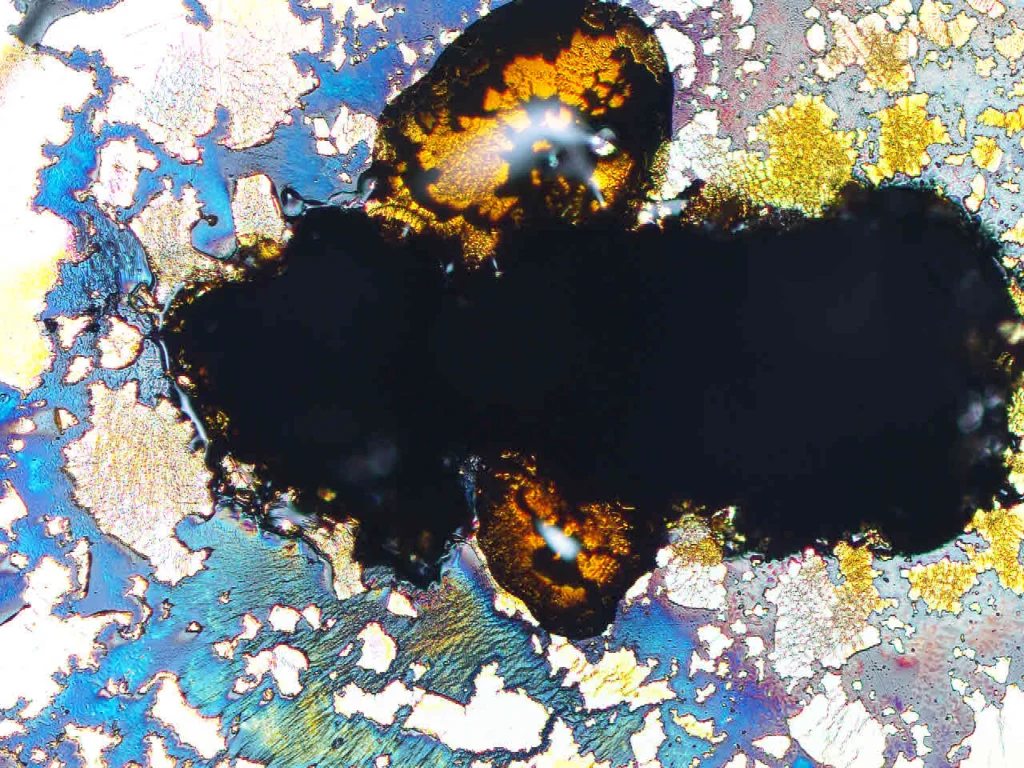
Imaggeo on Mondays: Electron cloud gone wrong
Deciphering the past history of rocks and what they might reveal about the Earth’s future is a key part of geology, and tools such as Ion Probes can be used by Earth Scientists to extract valuable information about a rock’s past. Today’s Imaggeo on Monday’s image was acquired by Sarah Glynn, a researcher at the University of the Witwatersrand, in South Africa, who was analysing a potential calcite ...[Read More]
Geosciences Column: The calamity of eruptions, or an eruption of benefits?
So here is a question: why would anyone want to live in the vicinity of an active volcano? The risks are well known, with hazards arising from lava flows, lahars, ash falls, debris avalanches, and pyroclastic density currents, with many often having deadly consequences. But despite the danger, more than half a billion people live in the direct vicinity of volcanoes. Could it be that communities pr ...[Read More]
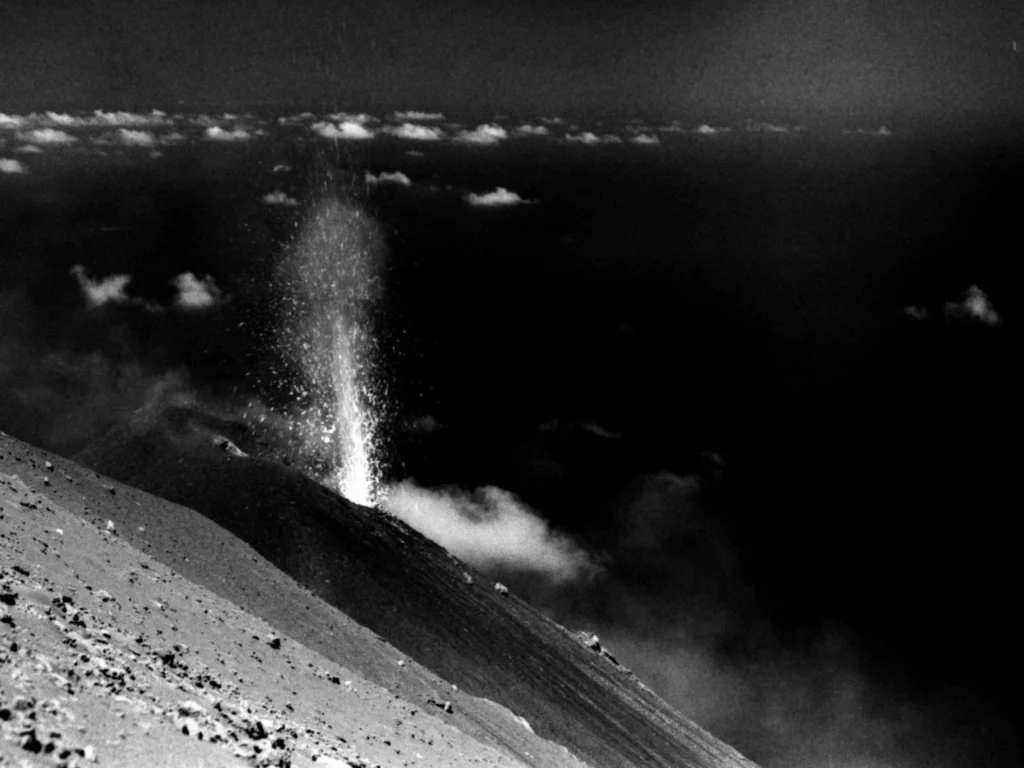
Imaggeo on Mondays: Strombolian eruption
Jonas Kuhn, a researcher at Heidelberg University , took the photograph during a field campaign at Stromboli volcano in Italy. The objective of this campaign was to gather data from different gaseous compounds of the volcanic plume. Via emission fluxes of volcanic gases (e.g. SO2, CO2, halogen compounds…) or the ratio of emitted gases, one can retrieve information about the interior of the v ...[Read More]