GeoLog

Energy, Resources and the Environment

Geosciences Column: The calamity of eruptions, or an eruption of benefits?

Geosciences Column: The calamity of eruptions, or an eruption of benefits?

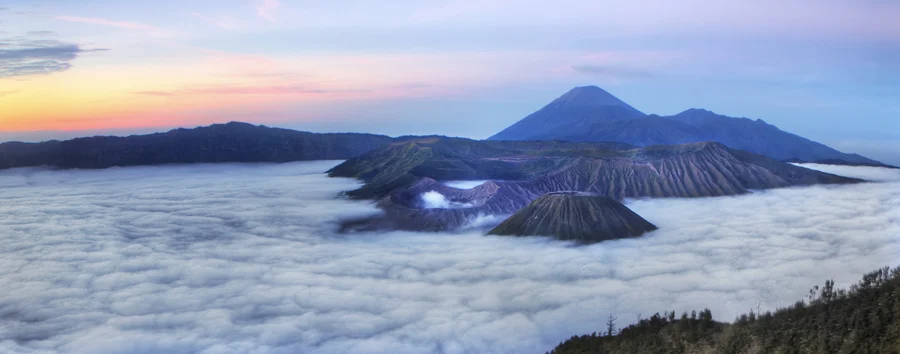
So here is a question: why would anyone want to live in the vicinity of an active volcano? The risks are well known, with hazards arising from lava flows, lahars, ash falls, debris avalanches, and pyroclastic density currents, with many often having deadly consequences. But despite the danger, more than half a billion people live in the direct vicinity of volcanoes. Could it be that communities pr ...[Read More]

Imaggeo on Mondays: Mountains, rivers and agriculture

Imaggeo on Mondays: Mountains, rivers and agriculture

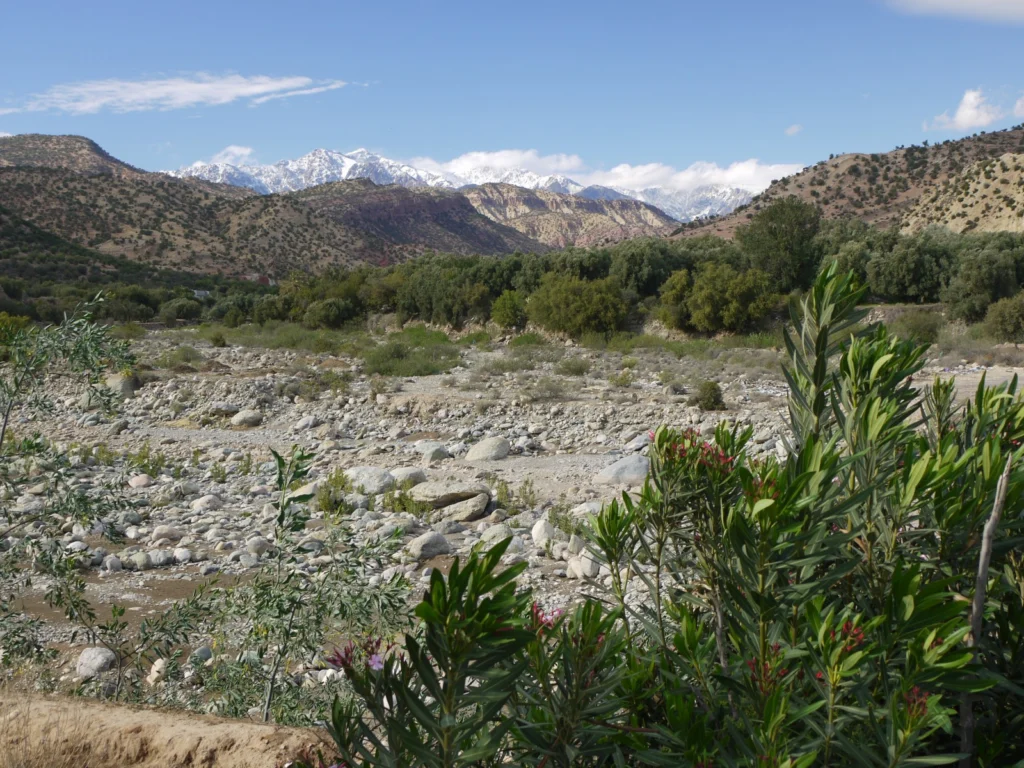
This week’s Imaggeo on Mondays image blends a range of geoscience disciplines. The post, by Irene Marzolff, a researcher at Johann Wolfgang Goethe-Universitaet, explores how the mountains, rivers and soils of the High Atlas in Morocco are intrinsically linked to the agriculture of the region. The image was taken in the southern slopes of the Western High Atlas, north of the city of Taroudann ...[Read More]

Geosciences Column: When water is scarce, understanding how we can save it is important

Geosciences Column: When water is scarce, understanding how we can save it is important

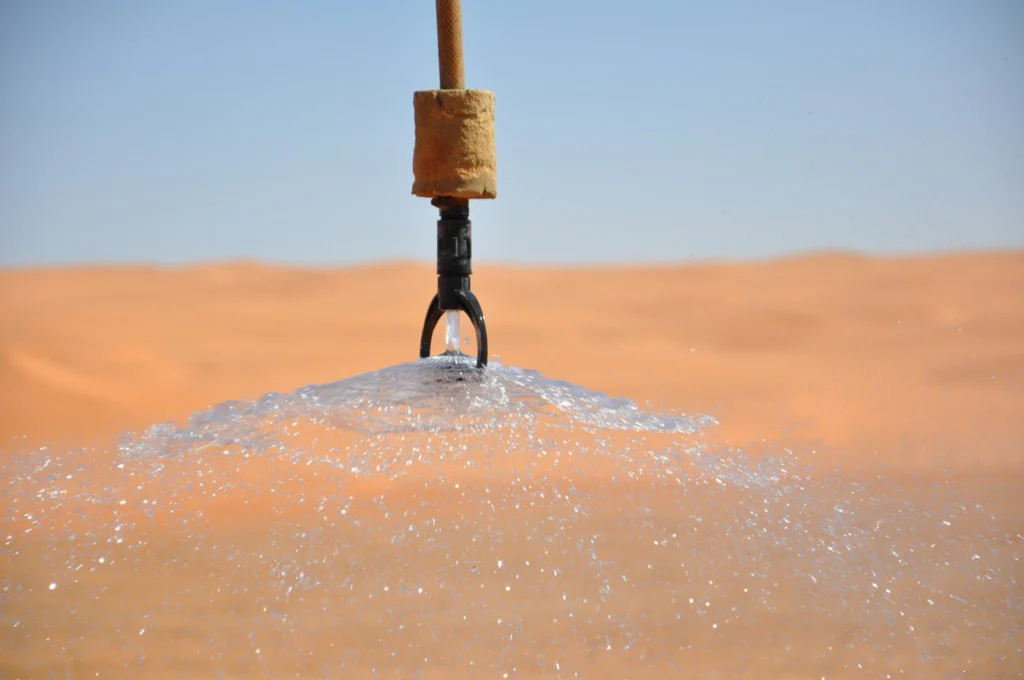
Supplies of water on Earth are running dry. The rate at which an ever growing population consumes this precious resource is not matched by our Planet’s ability to replenish it. Water scarcity is proving a problem globally, with regions such as California and Brazil facing some of the most severe water shortages on record. Used for drinking, agriculture and industrial processes, water forms an fund ...[Read More]

Film review: Revolution

Film review: Revolution

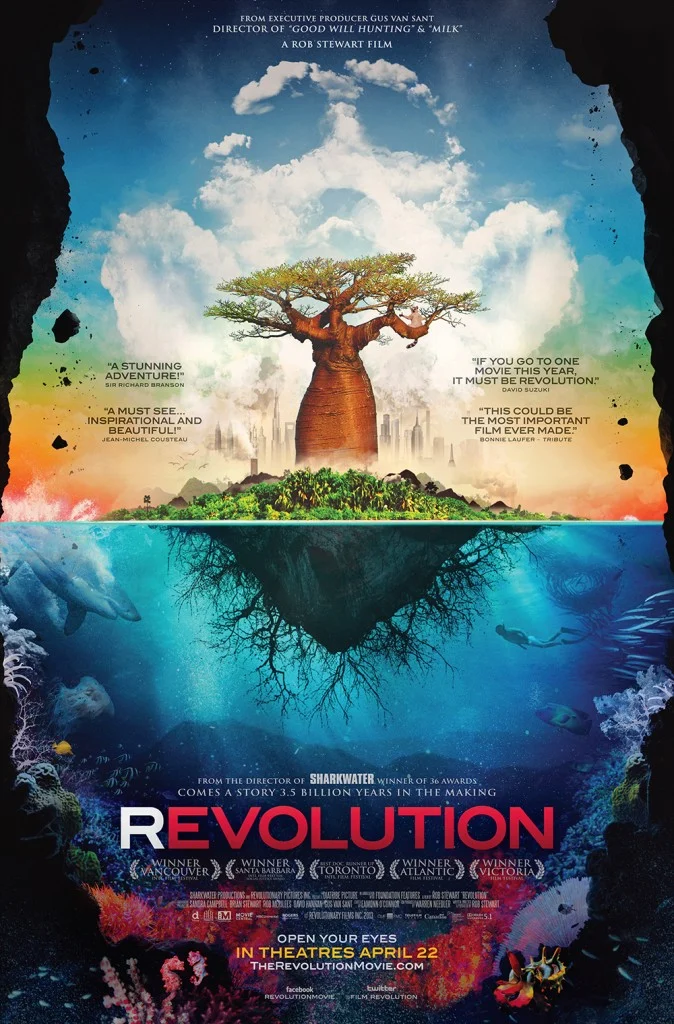
It’s not every day you are asked to review a film, and since it’s a documentary that encompasses a few of EGU’s sciences (such as climate sciences, biogeosciences, and energy, resources and the environment), I couldn’t say no. I’ll start by giving it a rating, 3.5/5 stars, though I would probably give it more if I were part of the film’s main target audience. Revolution, by biologist-photographer ...[Read More]

The day the Earth trembled: A first-hand account of the 25 April Nepal earthquake

The day the Earth trembled: A first-hand account of the 25 April Nepal earthquake

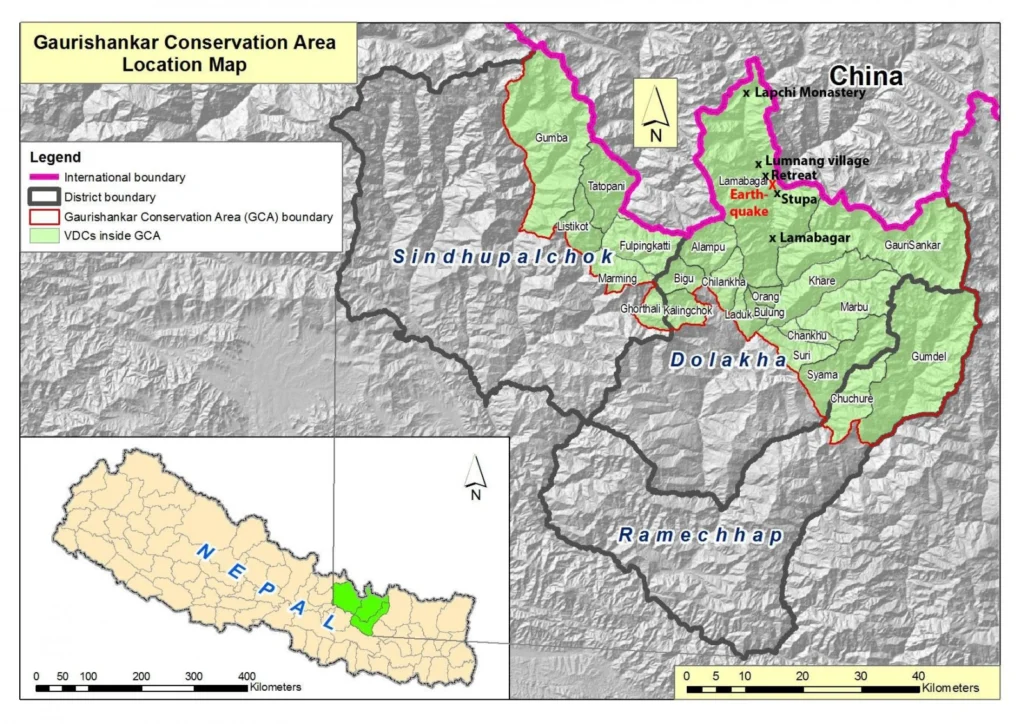
On the 25th April 2015, Viktor Bruckman, a researcher at the Austrian Academy of Sciences, and a team of his colleagues were a few hours into a hike between the settlements of Lamabagar, in a remote area of northeastern Nepal, and the Lapchi Monastery when a magnitude 7.8 earthquake struck Nepal. Their journey cut short by the trembling Earth, stranded in the heights of the Himalayas, this is thei ...[Read More]

The ethics of mining

The ethics of mining

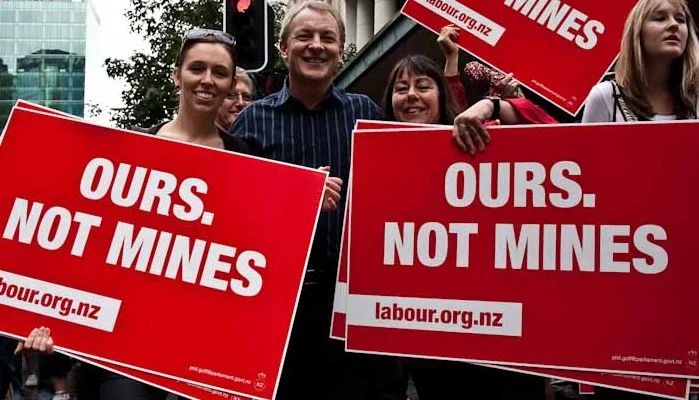
This guest blog post is brought to you by Nick Arndt, Professor at ISTerre and convenor of the the Great Debate at last year’s General Assembly, Metals in our backyard: to mine or not to mine. During the Great Debate the issue of whether the environment impact of mining outweighs the benefits vs. domestic metal production was questioned. With Europe currently importing between 60-100% of the metal ...[Read More]

Imaggeo on Mondays: Marble outcrops

This week’s Imaggeo on Mondays image was taken by Prof. Konstantinos Kourtidis, in Alykes, along the southern coast of Thassos island, where he photographed the beautifully white marbles that outcrop along the coastline. The Greek Island of Thassos is located in northeastern Greece, close to the coast of Thrace in the Aegean Sea, although geographically it belongs to the Macedonia region. There is ...[Read More]

GeoCinema Online: Our changing Climate

Welcome to the third instalment of Geocinema! The focus this week is on climate change and how it impacts on local communities. Sit back, relax and make sure you’ve got a big bucket of popcorn on the go, as this post features a selection of short documentaries as well as trailers of feature length films. Documenting the effects of the warming conditions on the surface of our planet is the primary ...[Read More]

GeoCinema Online: The Geological Storage of CO2

 Welcome to week two of GeoCinema Screenings! In a time when we can’t escape the fact that anthropogenic emissions are contributing to the warming of the Earth, we must explore all the options to reduce the impact of releasing greenhouse gases into the atmosphere. The three films this week tackle the challenge of separating CO2 from other emissions and then storing it in geological formations deep ...[Read More]

Imaggeo on Mondays: Soil and water conservation in the Dogon Plateau, Mali

Velio Coviello, a scientist from the Research Institute for Hydrogeological Protection, Italy, and one of the winners of the EGU 2014 Photo Contest, brings us this week’s Imaggeo on Mondays. He sheds light on his winning image and the problems associated with conserving soils and water in Western Africa…  This picture was taken on Mali’s Dogon plateau during the dry season, in the course of a late ...[Read More]