GeoLog

Early Career Scientists

EGU2017: Financial support to attend the General Assembly

EGU2017: Financial support to attend the General Assembly

The EGU is committed to promoting the participation of both early career scientists and established researchers from low and middle income countries who wish to present their work at the EGU General Assembly. In order to encourage participation of scientists from both these groups, a limited amount of the overall budget of the EGU General Assembly is reserved to provide financial support to those ...[Read More]

We are hiring: be our next Science Policy Officer!

We are hiring: be our next Science Policy Officer!

Do you have an interest in science policy and the geosciences? Then this post might be just right for you! We are looking to hire a Science Policy Officer to continue developing the EGU’s policy programme, which is aimed at building bridges between geoscientists and European policymakers, engaging the EGU membership with public policy, and informing decision makers about the Earth, planetary and s ...[Read More]

What is in your field rucksack? Backpacking in the wilderness

What is in your field rucksack? Backpacking in the wilderness

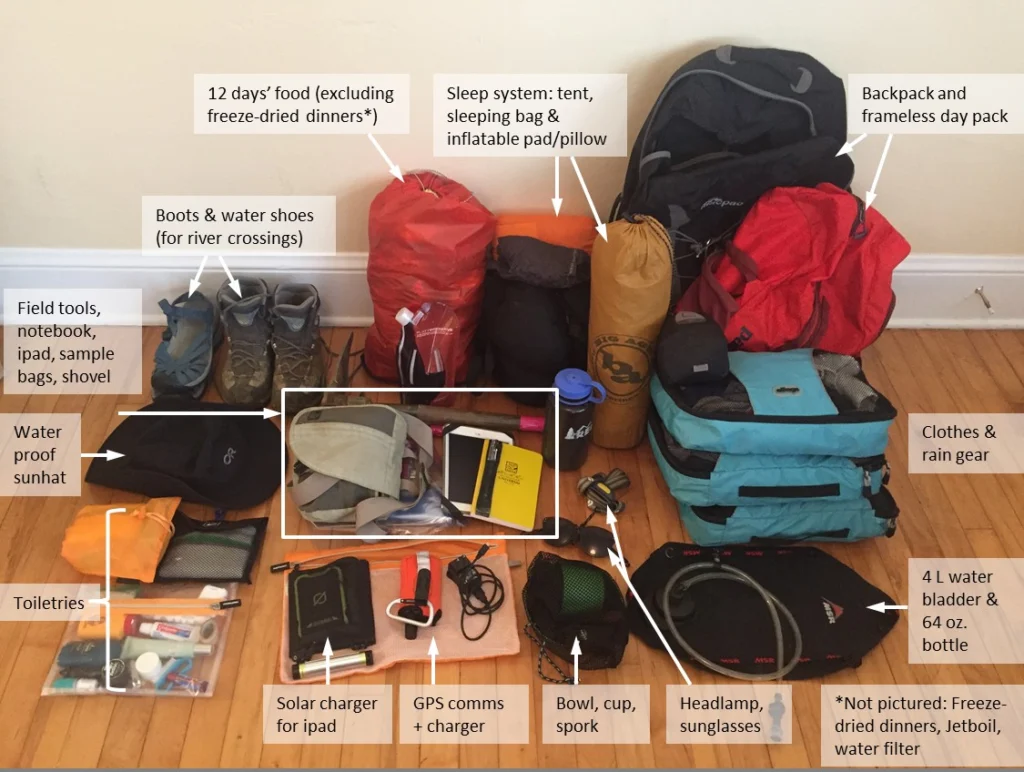
Inspired by a post on Lifehacker on what your average geologist carries in their rucksack/backpack, we’ve put together a few blog posts showcasing what a range of our EGU members carry in their bags whilst in the field! This bag belongs to: Alexa Van Eaton Field Work location: Glacier Peak volcano, Washington, USA Duration of field work: 12 days What was the aim of the research?: Glacier Peak is a ...[Read More]

Imaggeo on Mondays: Why does a Norwegian glacier look blue?

Imaggeo on Mondays: Why does a Norwegian glacier look blue?

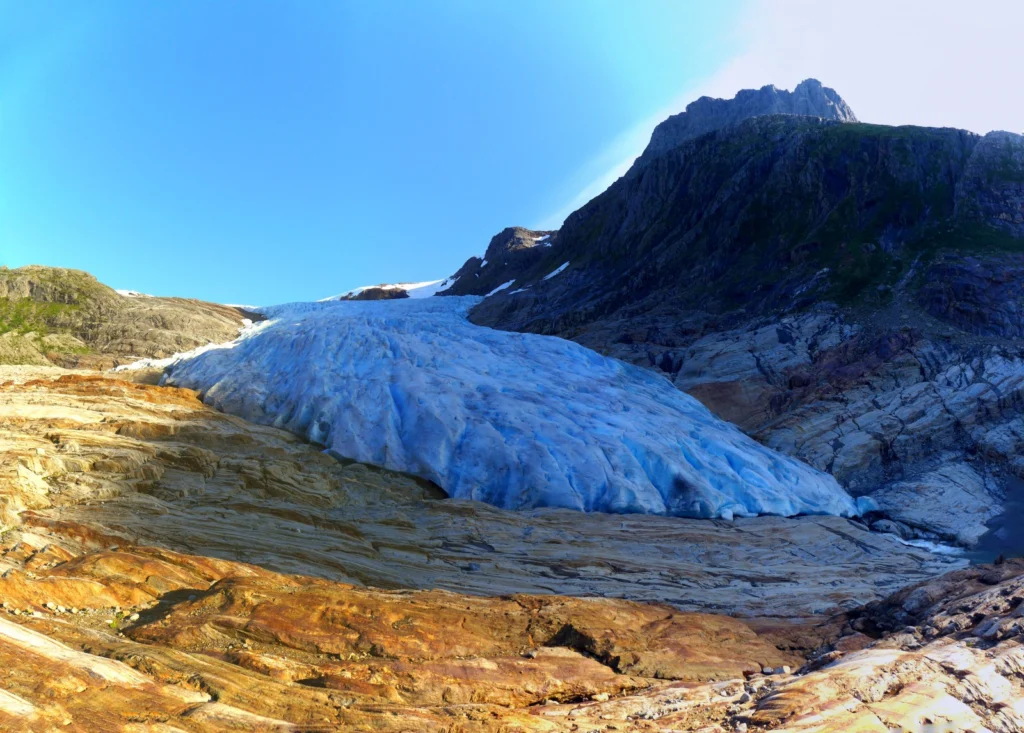
This picture shows the outlet glacier Engabreen running down from the plateau of Svartisen in Norway. Svartisen ice cap comprises two glacier systems of which the Vestre (western) Svartisen is Norway’s second largest glacier. Located right at the polar circle, Svartisen covers a total of 369 km² of the Nordland region. These coastal mountains accumulate a snowpack of 5-7 m depth through the winter ...[Read More]

Join us at EGU 2017: Call-for-abstracts is now open!

Join us at EGU 2017: Call-for-abstracts is now open!

From now, up until 11 January 2017, you can submit your abstract for the upcoming EGU General Assembly (EGU 2017). In addition to established scientists, PhD students and other early career researchers are welcome to submit abstracts to present their research at the conference. Further, the EGU encourages undergraduate and master students to submit abstracts on their dissertations or final-year pr ...[Read More]

Celebrating Earth Science Week!

Celebrating Earth Science Week!

For those not so familiar with the Earth sciences, geosciences and all its subdisciplines might be shrouded in mystery:  boring, unfathomable, out of reach and with little relevance to everyday life. Nothing could be further from the truth! Earth Science Week, an international annual celebration founded by the American Geosciences Institute in 1998, aims to change the public’s perception of the ge ...[Read More]

This calls for a celebration: GeoLog’s 1000 post!

This calls for a celebration: GeoLog’s 1000 post!

As far as blogging milestones go, today is pretty special. This is GeoLog’s 1000 post! Since the EGU’s official blog launched back in March 2010 (that’s right, there’s over 6 years of back catalogue for you to enjoy!), we’ve shared posts about research spanning almost every discipline in the Earth sciences; highlighted member’s adventures in the field and showcased the work of outstanding early ca ...[Read More]

Stop the press!: How to pitch your research to a journalist or editor

Stop the press!: How to pitch your research to a journalist or editor

Why does some research make it into the main stream media, while so many stories languish in the expanse between the lab bench and research papers? The answer isn’t straightforward. A variety of factors come into play: is the research newsworthy; is it timely; does it represent a ground-breaking discovery; or is it of human and societal interest? Newsworthiness isn’t the be all and end all. Someti ...[Read More]

GeoTalk: Investigating the transport of plastic pollution in the oceans

GeoTalk: Investigating the transport of plastic pollution in the oceans

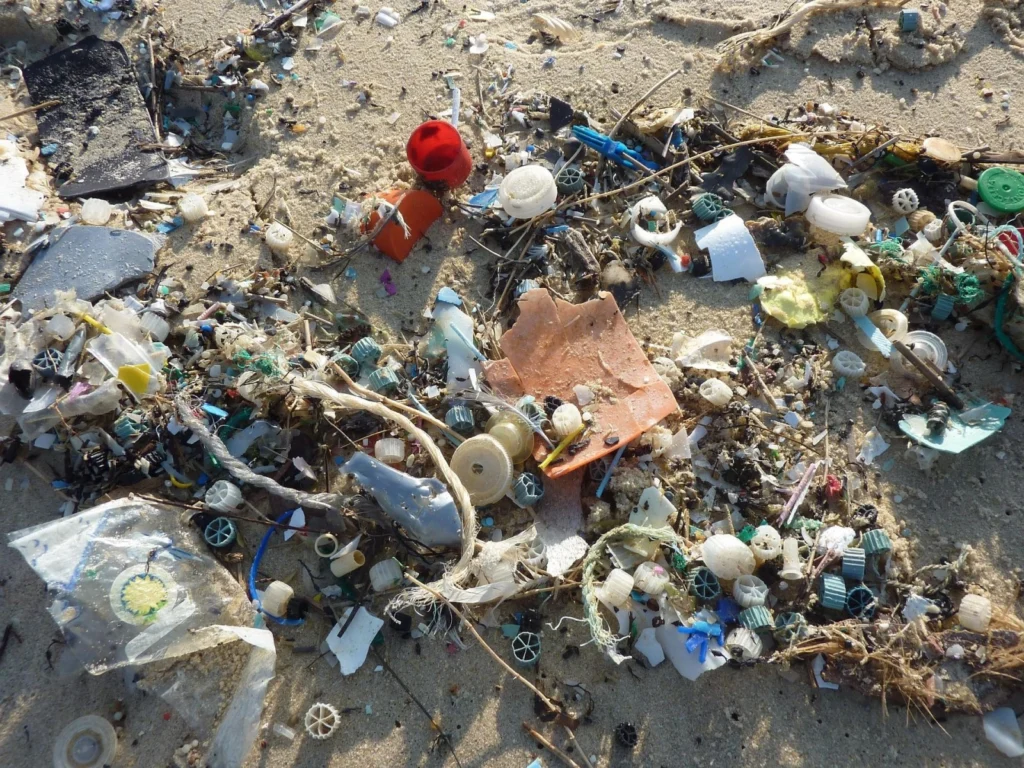
Geotalk is a regular feature highlighting early career researchers and their work. In this interview we speak to Erik van Sebille, an oceanographer at the Grantham Institute at Imperial Collage London, and winner of the 2016 OS Outstanding Young Scientist Award. As an expert in understanding how oceans transport all kinds of materials, from water and heat through to plastics, Erik has gained detai ...[Read More]

Imaggeo on Mondays: Get involved!

Imaggeo on Mondays: Get involved!

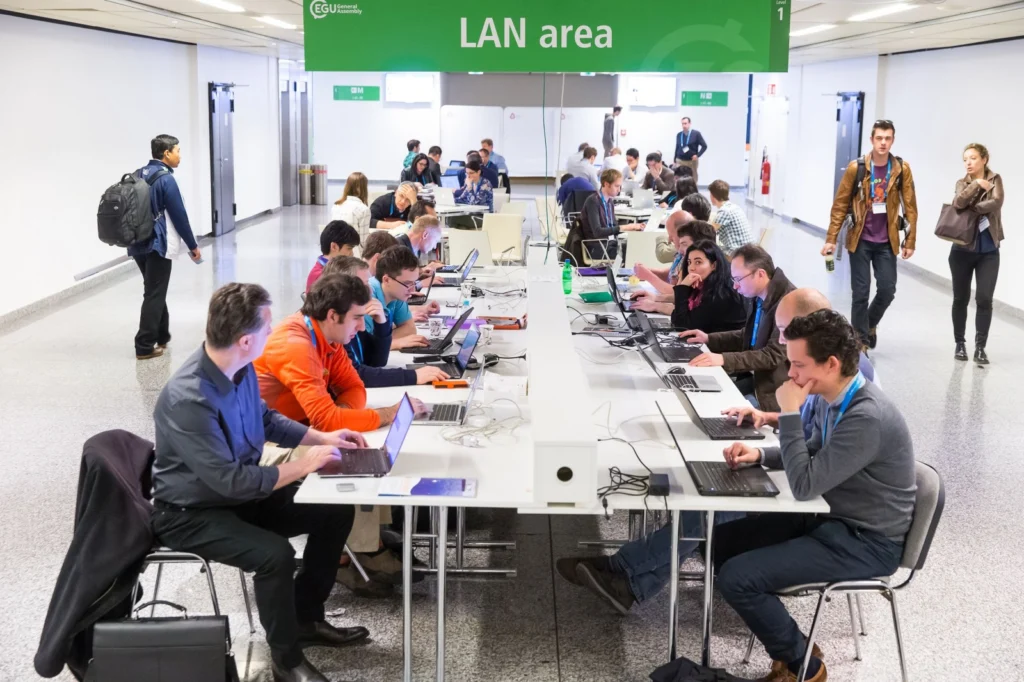
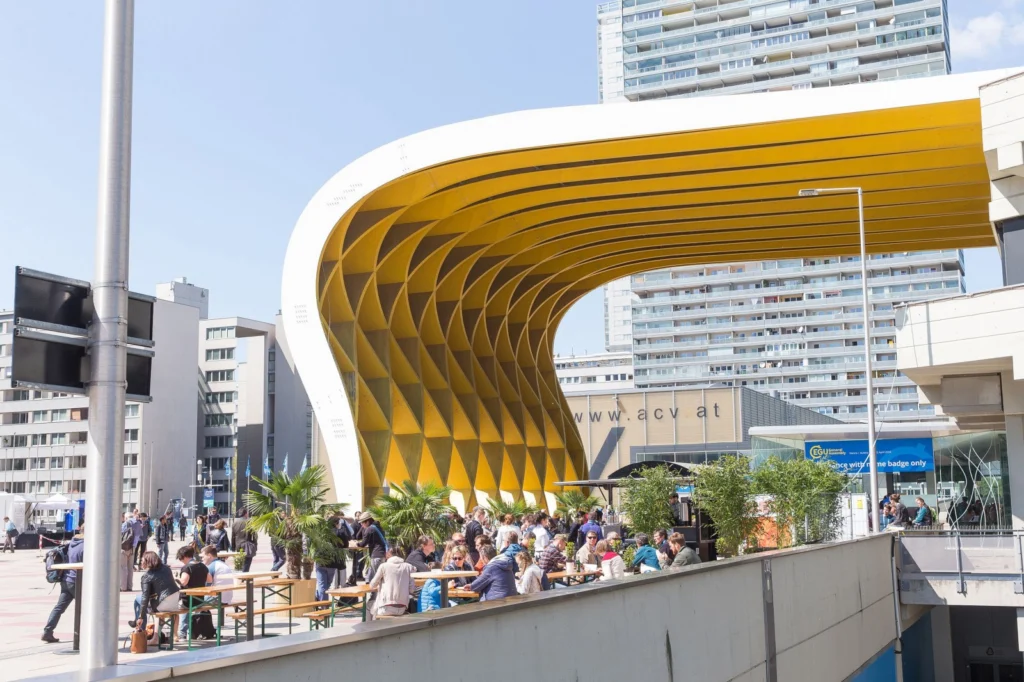
Today’s featured image is a throw back to our 2016 General Assembly! Did you enjoy this year’s 619 unique scientific sessions and 321 side events at conference? Did you know that EGU members and conference attendees can play an active role in shaping the scientific programme of the conference? It is super easy! You can suggest a session (with conveners and description), and/or modifica ...[Read More]