Do you enjoy the EGU’s annual General Assembly but wish you could play a more active role in shaping the scientific programme? Now is your chance! But hurry, the session submission deadline is fast approaching. You’ve got until September 8th to propose changes. As well as the standard scientific sessions, subdivided by Programme Groups, EGU …[Read More]
Early Career Scientists
GeoTalk: Meet the EGU’s President, Jonathan Bamber
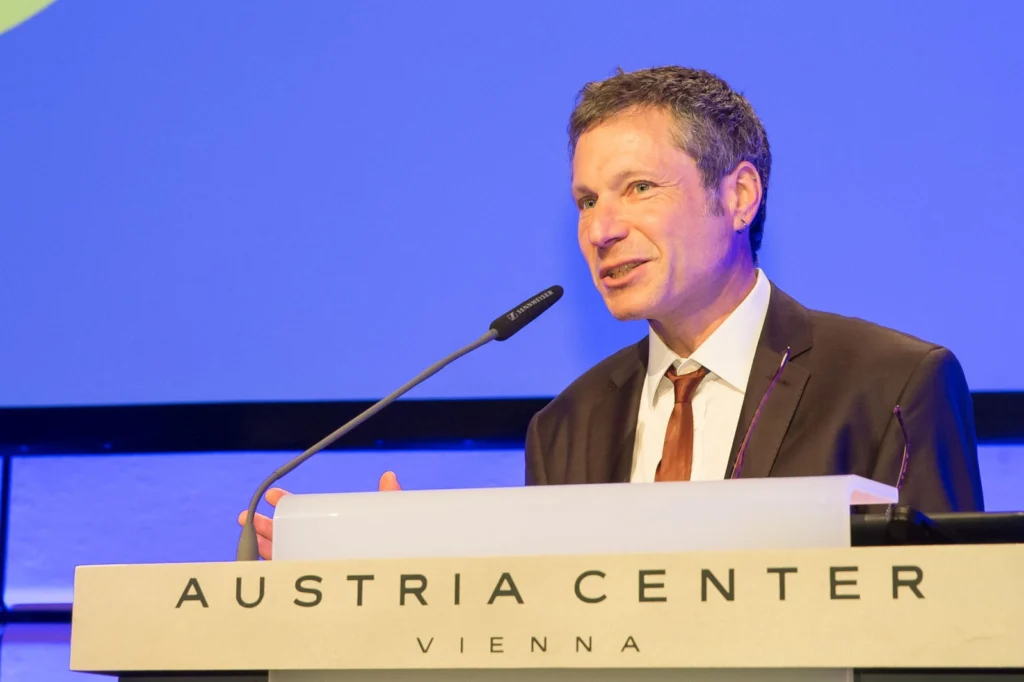
GeoTalk interviews usually feature the work of early career researchers, but this month we deviate from the standard format to speak to Jonathan Bamber, the EGU’s President. Jonathan has a long-standing involvement with the Union, stretching back almost 20 years. Following a year as vice-president, Jonathan was appointed President at this year’s General Assembly in …[Read More]
Volcanic ash layers in Svalbard hold clues to the formation of the North Atlantic
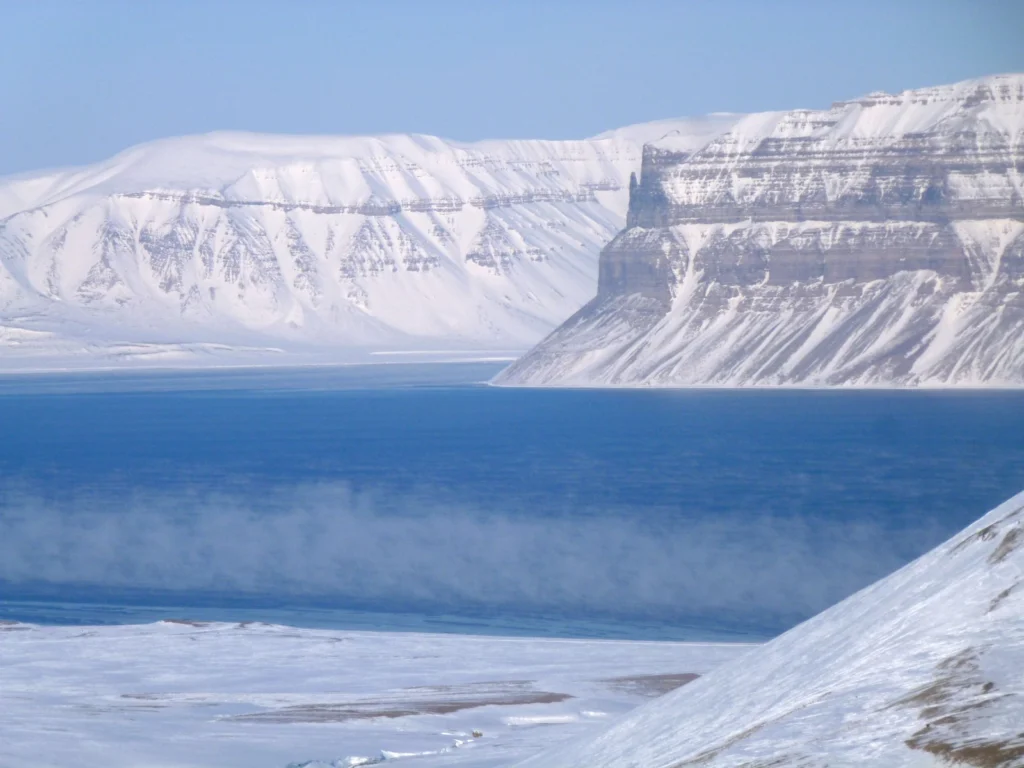
This guest post by Dr Morgan Jones (a Researcher in Volcanology at the Centre of Earth Evolution and Dynamics (CEED) at the University of Oslo, Norway) describes the latest findings of his multidisciplinary research into how the North Atlantic formed. His open access study, in collaboration with colleagues at CEED and the Massachusetts Institute of Technology …[Read More]
GeoPolicy: How can geoscientists make the most of the Horizon 2020 programme?
As a geoscientist, I’m sure that you have heard of Horizon 2020, an EU programme that is allocating almost €80 billion to research and innovation over 7 years (from 2014 to 2020). This money is distributed throughout various scientific divisions and provides a plethora of opportunities for scientists, not only within the EU but also …[Read More]
Shape the EGU 2018 scientific programme: Call-for-sessions is open!
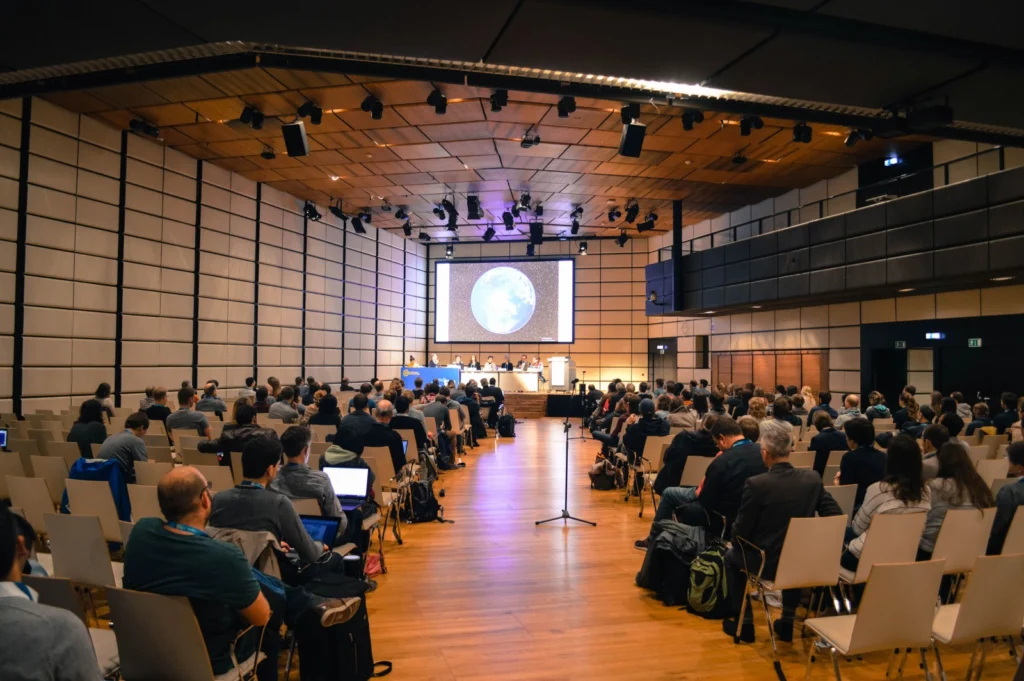
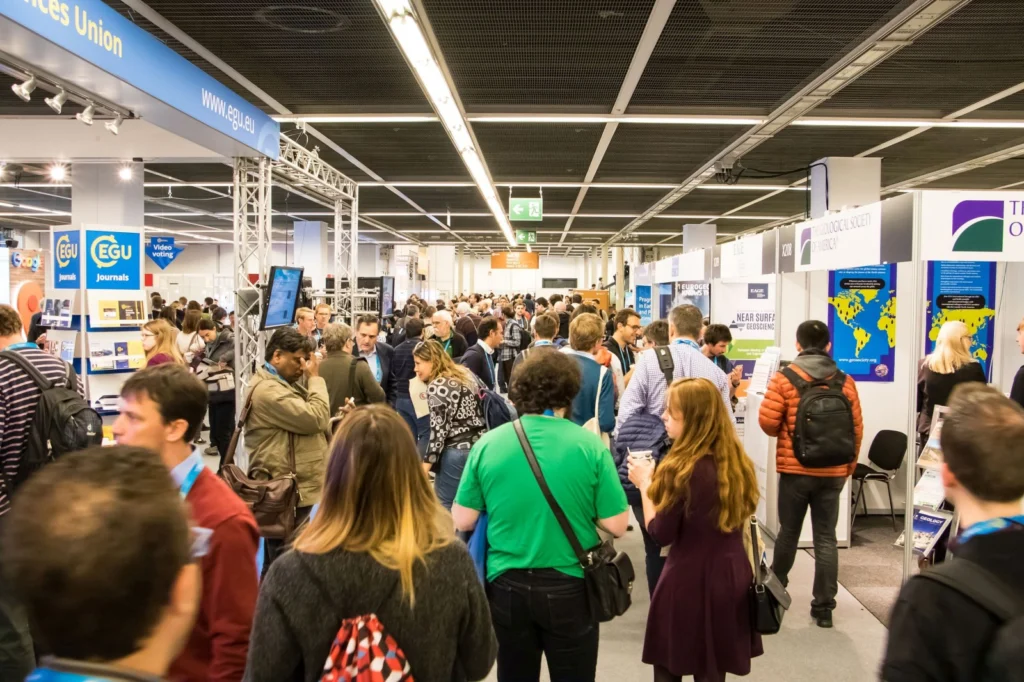
Do you enjoy the EGU’s annual General Assembly but wish you could play a more active role in shaping the scientific programme? Now is your chance! From today, until 8 Sep 2017, you can suggest: Sessions (with conveners and description), or; Modifications to the existing skeleton programme sessions NEW! Suggestions for Short courses (SC) will …[Read More]
GeoPolicy: What are science-policy placements and are they for you?
This month’s GeoPolicy blog will examine science-policy internships, fellowships, secondments and pairing-schemes in closer detail – highlighting the reasons for undertaking a placement and interviewing Dr Michelle Cain, an EGU member who participated in NERC’s Policy Placement Fellowship Scheme Science-policy placements provide scientists with the opportunity to use their knowledge within a policy-orientated organisation. This could include working …[Read More]
EGU geoscientists are out of this world!
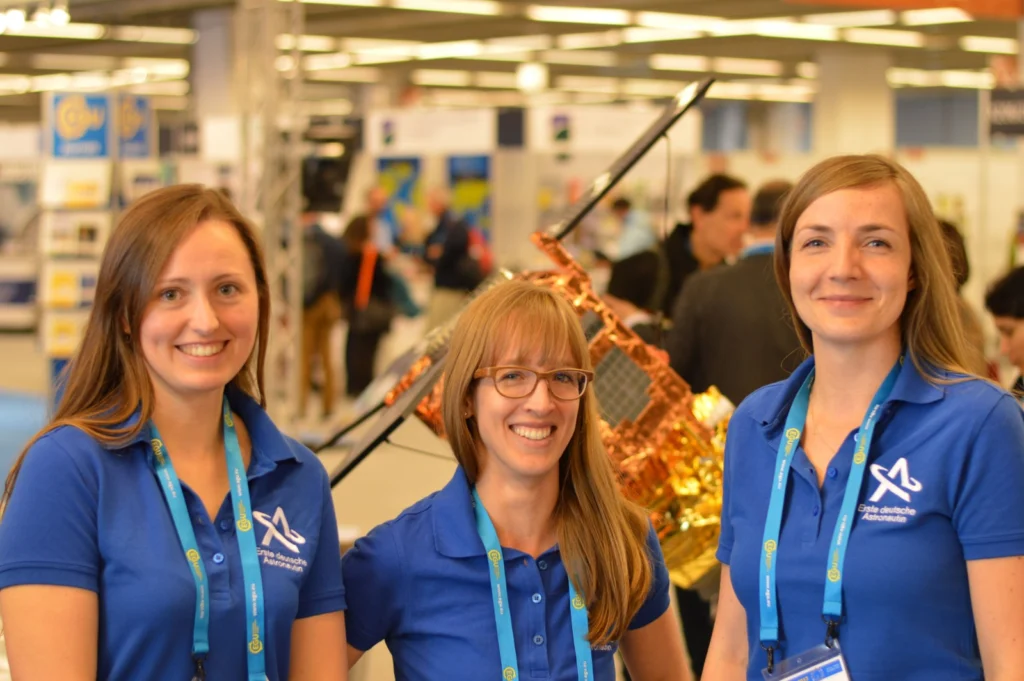
Space science has always been an exciting relative of the geosciences, and so it may come as no surprise that the woman who could become Germany’s first female astronaut attended the EGU General Assembly this year. Insa Thiele-Eich has made it to the final of Germany’s ‘Die Astronautin’ competition, which intends to send a German …[Read More]
GeoTalk: The life and death of an ocean – is the Atlantic Ocean on its way to closing?
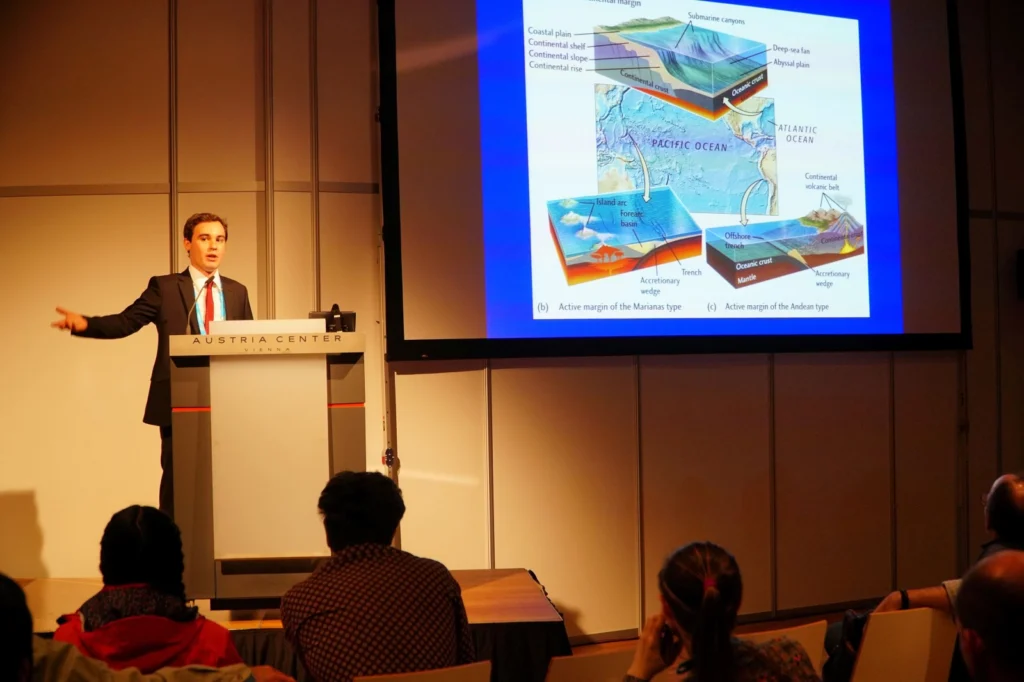
Geotalk is a regular feature highlighting early career researchers and their work. Following the EGU General Assembly, we spoke to João Duarte, the winner of a 2017 Arne Richter Award for Outstanding Early Career Scientists. João is a pioneer in his field. He has innovatively combined tectonic, marine geology and analogue modelling techniques to further …[Read More]
Cartooning science at EGU 2017 with Matthew Partridge (a.k.a Errant Science)
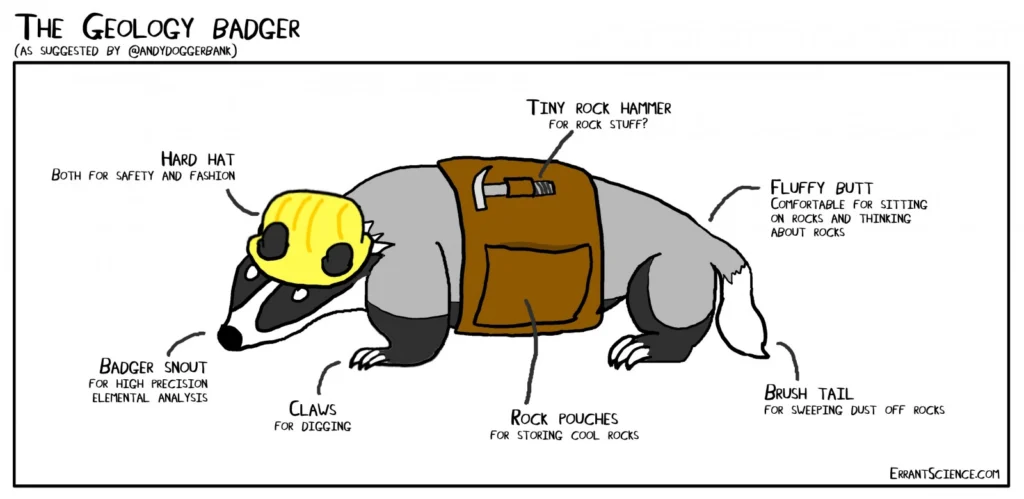
Most researchers are regular conference-goers. Tell a geoscientist you are attending the EGU General Assembly and they will most likely picture rooms full of people listening to a miriad of talks, many an hour chatting to colleagues old and new and you desperately trying to find your way around the maze that is the Austria …[Read More]
Enmeshed in the gears of publishing – lessons from working as a young editor
Editors of scientific journals play an important role in the process research publication. They act as the midpoint between authors and reviewers, and set the direction of a given journal. However, for an early career scientist like me (I only defended my PhD in early December 2016) the intricacies of editorial work remained somewhat mysterious. …[Read More]