GeoLog

Biogeosciences

Geosciences Column: Pollen tells a 7300 year old story of Malta’s climate and vegetation
Geosciences Column: Pollen tells a 7300 year old story of Malta’s climate and vegetation
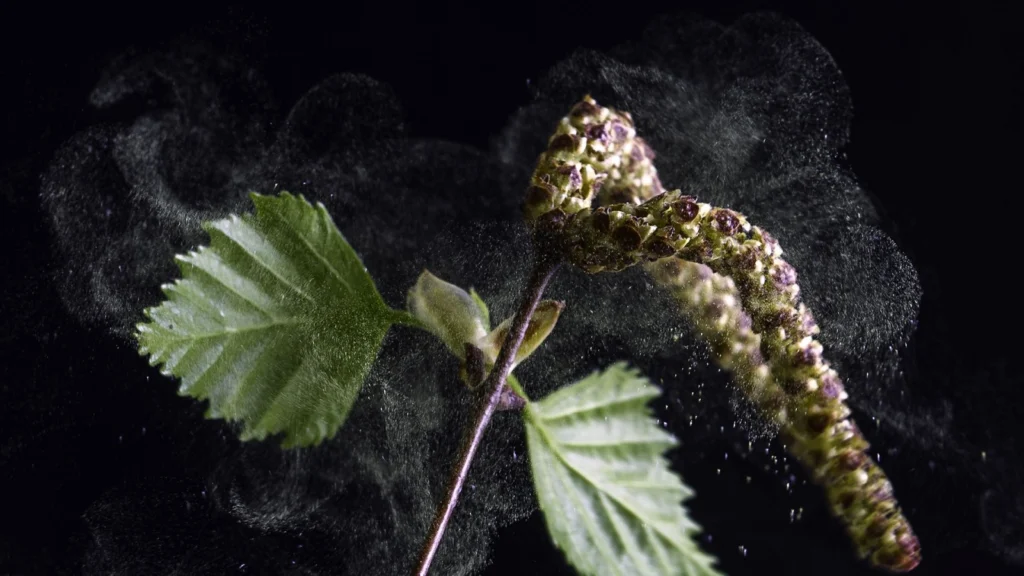
Figuring out what the climate was like, and how it changed, throughout Earth’s history is like trying to complete a 1000 piece puzzle. Except that scientists usually don’t have all the nuggets and building a comprehensive picture relies on a multidisciplinary approach in order to fill in the blanks. This is particularly true during the Holocene, which spans the last 11,700 years of the Earth&#8217 ...[Read More]

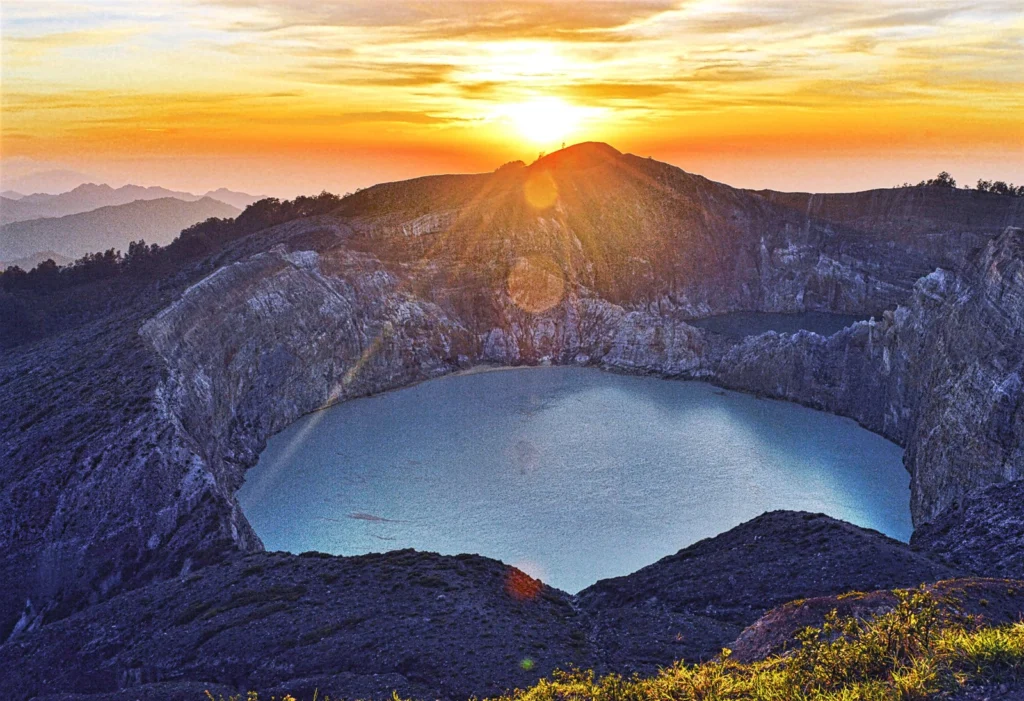
Imaggeo on Mondays: A sunrise over Kelimutu’s three-colour lakes

Imaggeo on Mondays: A sunrise over Kelimutu’s three-colour lakes

Volcanoes are undeniably home to some of the most beautiful landscapes on Earth. It doesn’t take much imagination to picture slopes of exceedingly fertile mineral rich soils, covered in lush vegetation; high peaks punching through cloud cover offering stunning vistas and bubbling pools of geothermally warmed waters were one can soak ones worries away. What about strikingly coloured crater lakes? Y ...[Read More]

Volcanic darkness marked the dawn of the Dark Ages

Volcanic darkness marked the dawn of the Dark Ages

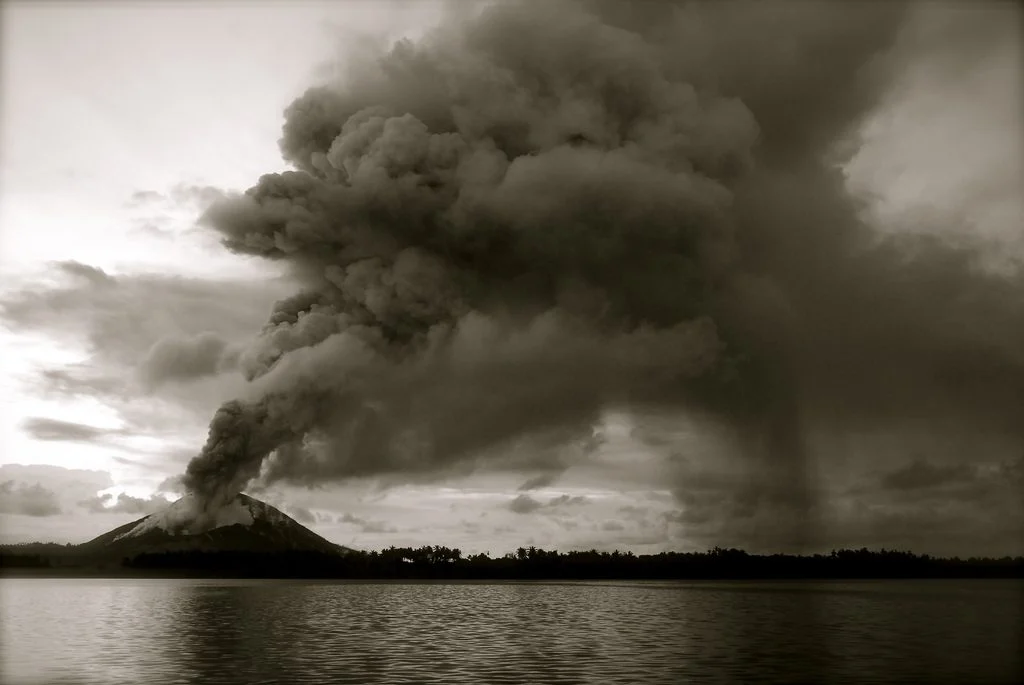
The dawn of the Dark Ages coincided with a volcanic double event – two large eruptions in quick succession. Combined, they had a stronger impact on the Earth’s climate than any other volcanic event – or sequence of events – in the last 1200 years. Historical reports reveal that a mysterious dust cloud dimmed the sun’s rays between in 536 and 537 CE, a time followed by global societal decline. Now, ...[Read More]

Testing triggers of catastrophic climate change

Testing triggers of catastrophic climate change

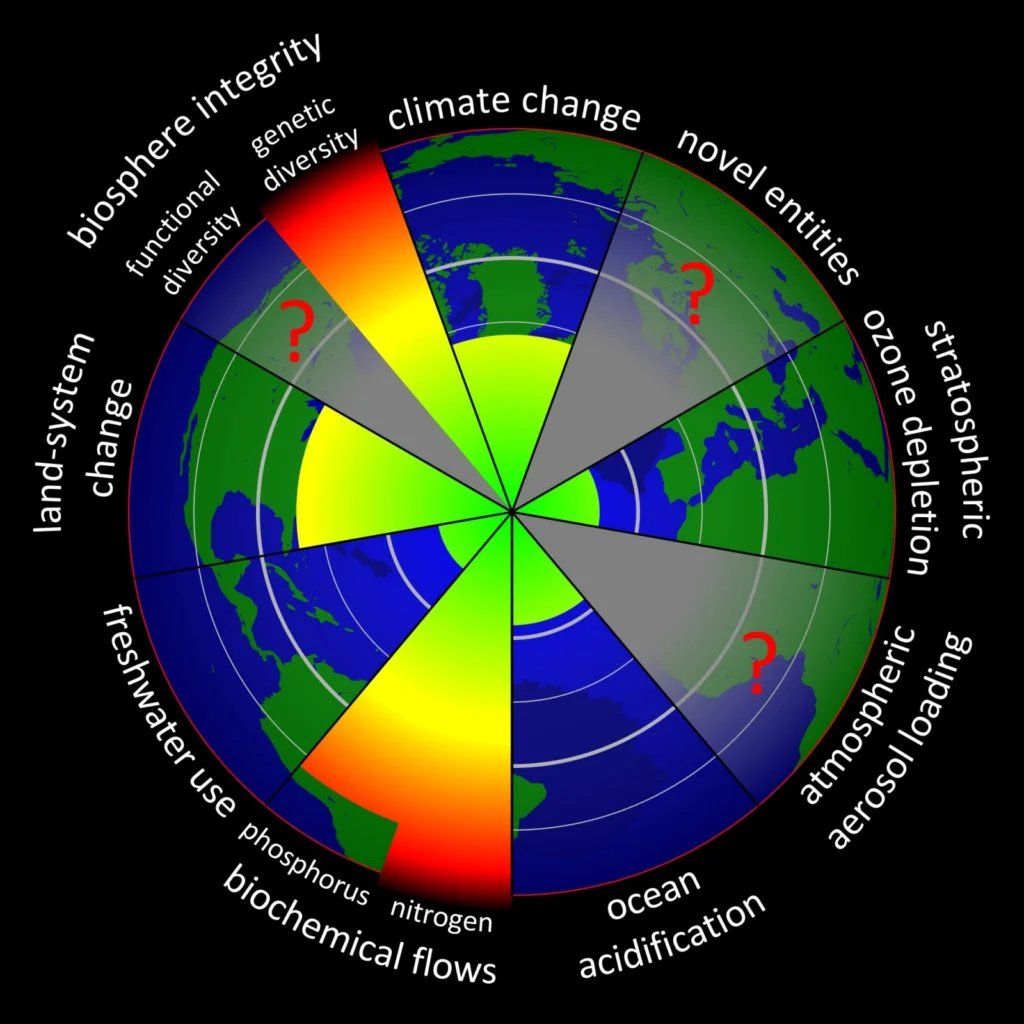
The research presented during the EGU’s 2016 General Assembly have wide-reaching implications for how we understand planet Earth. In today’s post, Sara Mynott, an EGU press assistant during the conference, writes about findings presented at the meeting which highlight the importance of the biosphere when it comes to understanding the threat posed to our planet by environmental challenges. With the ...[Read More]

Imaggeo on Mondays: Storm on the Rock

Imaggeo on Mondays: Storm on the Rock

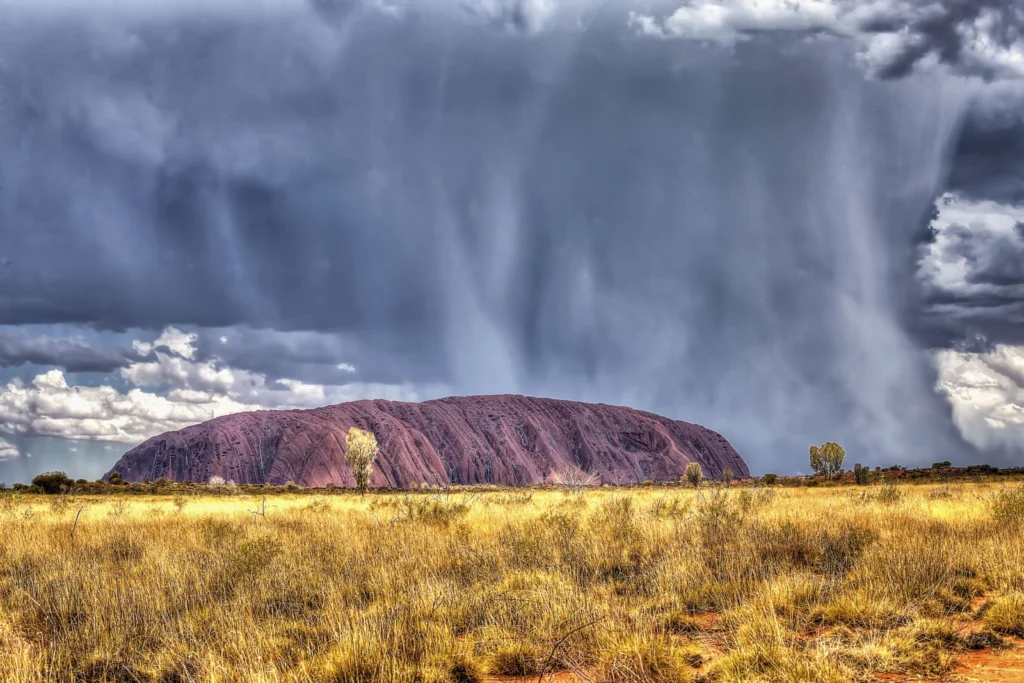
This is a photograph of Uluru, in the Northern Territory of Australia, on a hot and humid summer afternoon. As lightning flashed about, torrential rains swept across the landscape and silver rivulets of water began to rush down the sides of the mountain. Uluru is made of red-coloured Proterozoic arkosic sandstones, a coarse grained lithology rich in quartz and feldspars. However, on rare days such ...[Read More]

Imaggeo on Mondays: Moving images – Photo Contest 2016

Imaggeo on Mondays: Moving images – Photo Contest 2016

Since 2010, the European Geosciences Union (EGU) has been holding an annual photo competition and exhibit in association with its General Assembly and with Imaggeo – the EGU’s open access image repository. In addition to the still photographs, imaggeo also accepts moving images – short videos – which are also a part of the annual photo contest. However, 20 or more images have to be submitted ...[Read More]

Announcing the winners of the EGU Photo Contest 2016!

Announcing the winners of the EGU Photo Contest 2016!

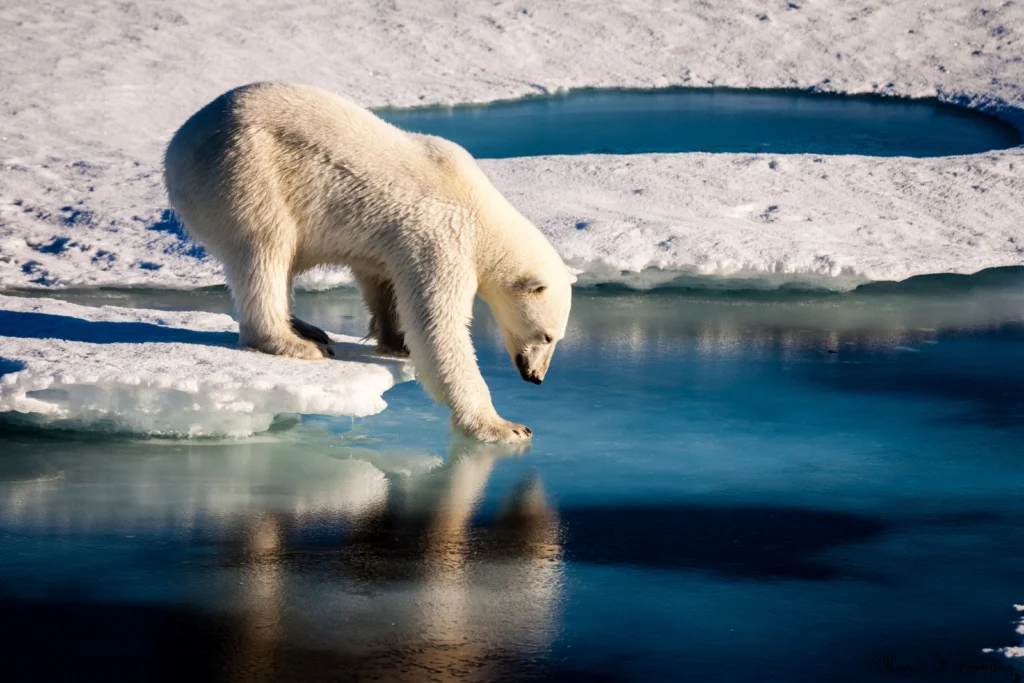
The selection committee received over 200 photos for this year’s EGU Photo Contest, covering fields across the geosciences. Participants at the 2016 General Assembly have been voting for their favourites throughout the week  of the conference and there are three clear winners. Congratulations to 2016’s fantastic photographers! In addition, this year, to celebrate the theme of the EGU 2016 General ...[Read More]

Methane seeps – oases in the deep Arctic Ocean

Methane seeps – oases in the deep Arctic Ocean

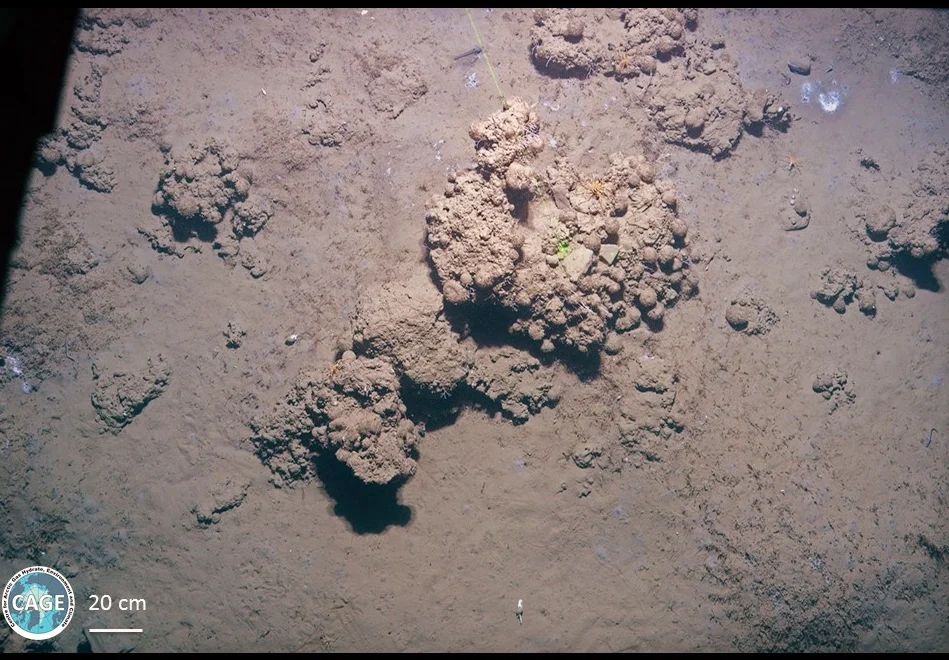
The deep Arctic Ocean is not known for its wildlife. 1200 metres from the surface, well beyond where light penetrates the water and at temperatures below zero, it it’s a desolate, hostile environment. There are, however, exceptions to this, most notably around seeps in the seafloor that leak methane into the water above. Here, methane is the fuel for life, not sunlight, creating oases in an otherw ...[Read More]

Photo Contest finalists 2016 – who will you vote for?

Photo Contest finalists 2016 – who will you vote for?

The selection committee received over 400 photos for this year’s EGU Photo Contest, covering fields across the geosciences. The fantastic finalist photos are below and they are being exhibited in Hall X2 (basement, Brown Level) of the Austria Center Vienna – see for yourself! Do you have a favourite? Vote for it! There is a voting terminal (also in Hall X2), just next to the exhibit. The results w ...[Read More]

Imaggeo on Mondays: Through the hole

Imaggeo on Mondays: Through the hole

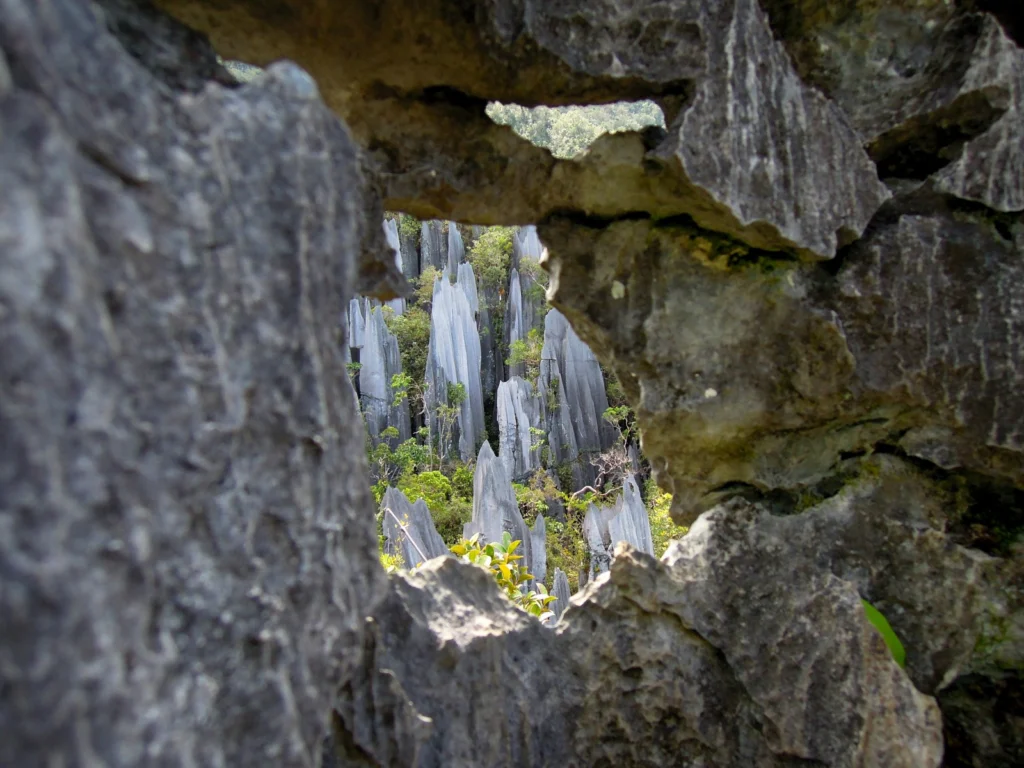
The Gunung Mulu National Park is an area so geologically remarkable and home to such incredibly diverse fauna and flora it has been declared a World Heritage Area.  Located on the island of Borneo, the park is famous for its over 100 different palm species and 3500 other plant types. Geologically speaking, a trip though the varied landscapes will be rewarded with views of deep gorges and hidden va ...[Read More]