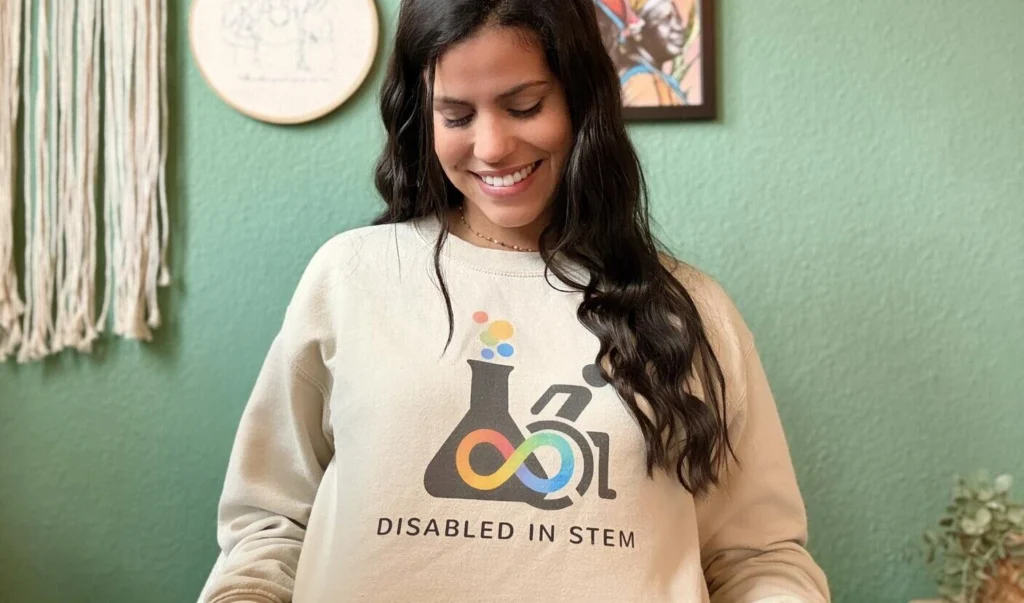
Hi! I am Fernanda Matos, an Oceanographer and autistic! Autism is considered a hidden disability, but it is not at all an easy disability. Unlike popular opinion, I am not like Sheldon from The Big Bang Theory, nor am I like my autistic peers. I am unique and part of a spectrum. When we talk …[Read More]
Accessibility and inclusivity at EGU
Your visa guide for the EGU General Assembly 2026: Navigating the Schengen process
Attending the European Geosciences Union (EGU) General Assembly in Vienna is an invaluable experience, where scientists, researchers, and professionals come together from all over the world to share knowledge, expand networks, and strengthen the geosciences community. However, if you’re coming from a non-EU country and require a visa, preparing for your trip may feel overwhelming. …[Read More]
On LGBTQIA+ Challenges and Allyship in STEM
During November, several important dates are recognised, including the International LGBTQIA+ in STEM Day on November 18. This month is also designated as Transgender Awareness Month, culminating in the recognition of Transgender Day of Remembrance yesterday, November 20. In celebration of our LGBTQIA+ community, this blog highlights some of the activities we undertook throughout the …[Read More]
It’s more than just a date: Unpacking the importance of the International Day of LGBTQIA+ in STEM – Perspectives of a queer woman in science
We cannot solve the world’s most complex problems, from climate change to curing disease, if scientists must leave parts of themselves at the laboratory door. This is a reality that we must acknowledge in Science, Technology, Engineering, and Mathematics (STEM). The demand for conformity, the fear of judgment, and the reality of discrimination act as …[Read More]
Letting in instead of coming out? Reflections on shifting from disclosure to self-compassion
Saturday, October 11, 2025, marked World Coming Out Day. In this blog post, my colleague, Simon Clark, and I want to take a moment to share our experiences with you. We believe in the power of relatability and how it can help others feel less alienated in their own experiences. So keep reading, because today, …[Read More]
Trans masculinities, embodied geographies and the River Neath
How do our environments shape who we are? How do we shape them? Most people have a place (or places) that they know or love so deeply it feels inextricable from themselves. A place they keep coming back to over time, maybe even after years of resisting it. For me, it’s the River Neath in …[Read More]
Queer Quarterly: LGBTQIA+ Inclusion during fieldwork
It’s pride month and we are delighted to feature a post on queer inclusion in fieldwork written by members of EGU’s pride group. Queer Quarterly is the blog series of the EGU pride group, an LGBTQIA+ team of geoscientists engaged to uphold and improve the rights of the community at EGU. This quarterly post is …[Read More]
Pride Month: support your LGBTQ+ colleagues in science
Imagine this: you are at work, casually discussing your weekend plans with colleagues. One is planning a hike with her husband. Another jokes about meeting his girlfriend’s parents for dinner, nerves barely concealed. Then you mention a date night with your partner. The conversation halts. The atmosphere becomes taut. One of your colleagues makes a …[Read More]
Unethical science: On gender, discomfort, and the stories we tell
Reflections following the discussions held in the EGU25 Great Debate “Gender in Geoscience” (available to watch online if you missed it). “Fairytales are the fossils of human culture.” […] said Francesca Cavallo, author of Good Night Stories for Rebel Girls, during the Union Symposium US8 on “Gender in Geoscience” on the final day of the …[Read More]
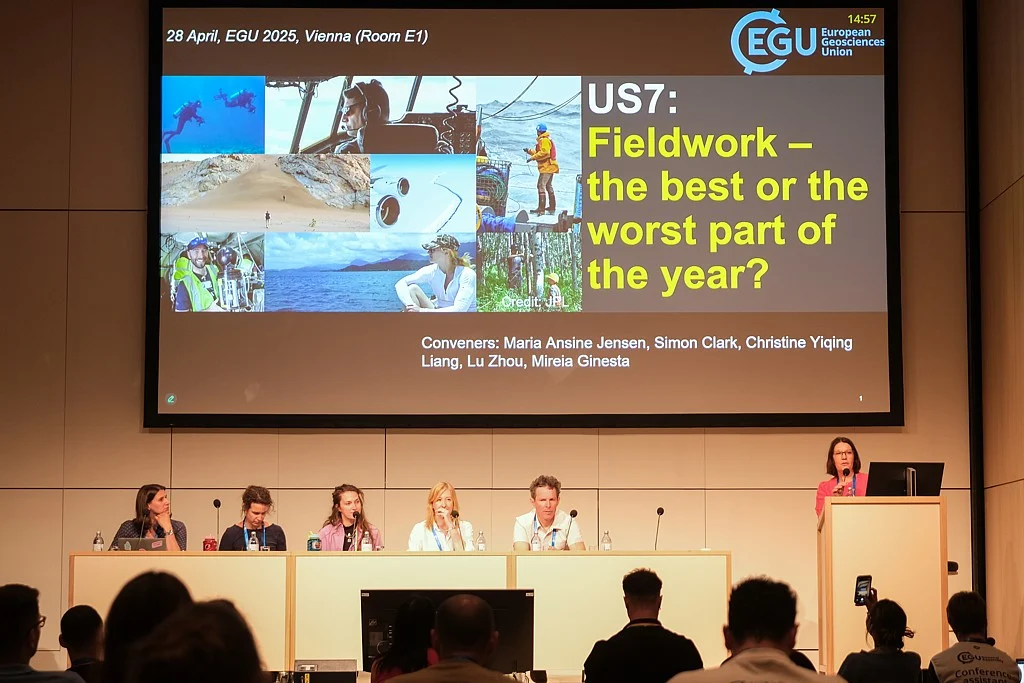
Fieldwork maze: where are we and where are we going?
Bracing the elements to be rewarded with new data — and spectacular views in the process — can be an experience of a lifetime. Yet, zooming out of the easily romanticized image can quickly paint a different scene, where negative experiences from fieldwork drive people away from the research. Moreover, some fieldwork practices prevent people …[Read More]