Trying to understand the reasons behind the global warming of our climate is a never ending quest for scientists across the geosciences. Scientists often rely on deciphering past change to help us understand, and perhaps predict, what might happen in the future. Many will be familiar with the common saying ‘the past is the key …[Read More]
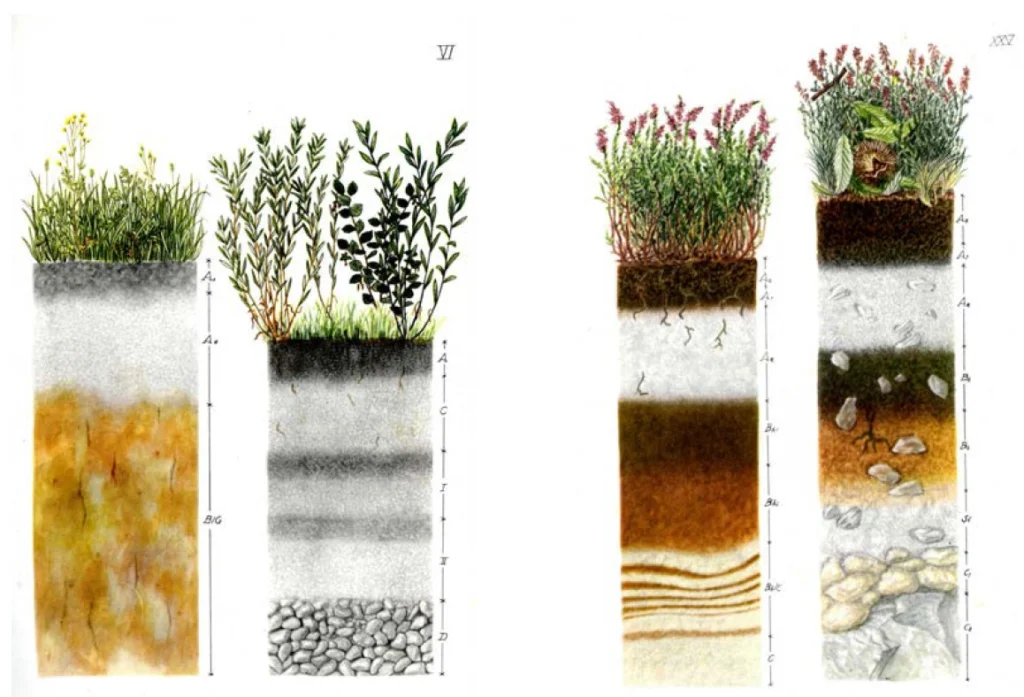
Geosciences Column: Soil in art
When you think of soil, what is the first thing that comes to mind? The answer will depend on your perception of soil: to some it has a patriotic meaning (“soil of Britain”, for example), while to others it has a strong agricultural connection and to an Earth scientist, well, it’ll depend on their field …[Read More]
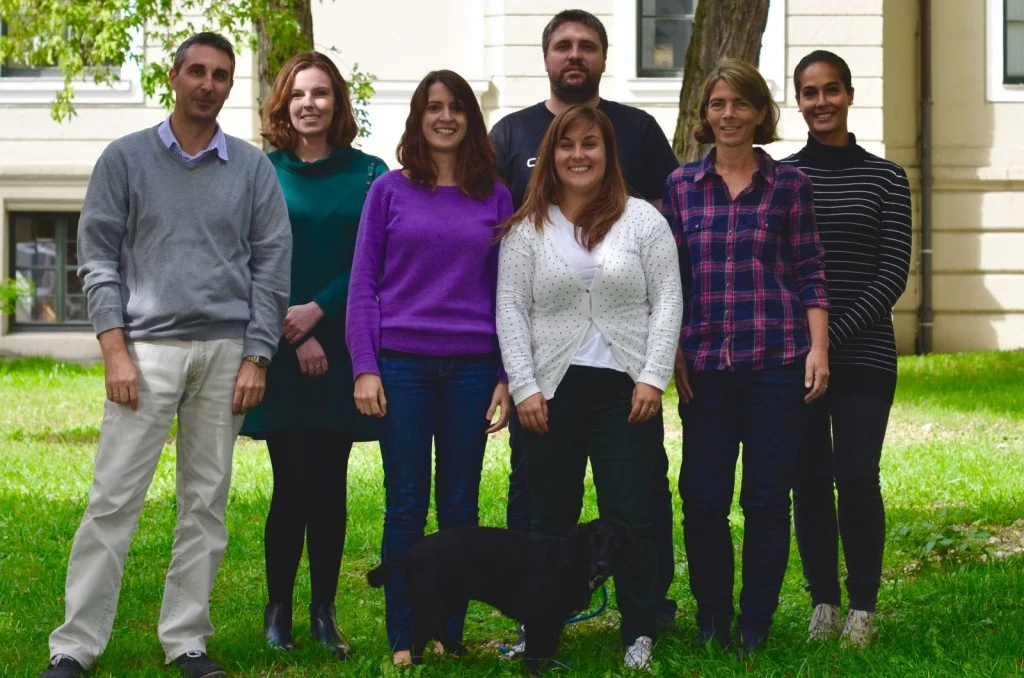
Introducing the EGU Executive Office
With so many thinking the EGU’s activities are restricted to the organisation and running of the General Assembly, we thought we’d share a behind-the-scenes peek at the team who works year-round to promote the Earth, ocean and planetary sciences and the work of the members of the Union. At the EGU Executive Office in Munich, …[Read More]
A guide to convening a session at the General Assembly – Part II
Convening a session at a conference can seem daunting, especially if you are an early career research and a first-time convener. That’s why we’ve put together this two part series to outline the main steps of the process, with more detailed instructions to be published on the 2016 EGU General Assembly in due course. Remember, …[Read More]
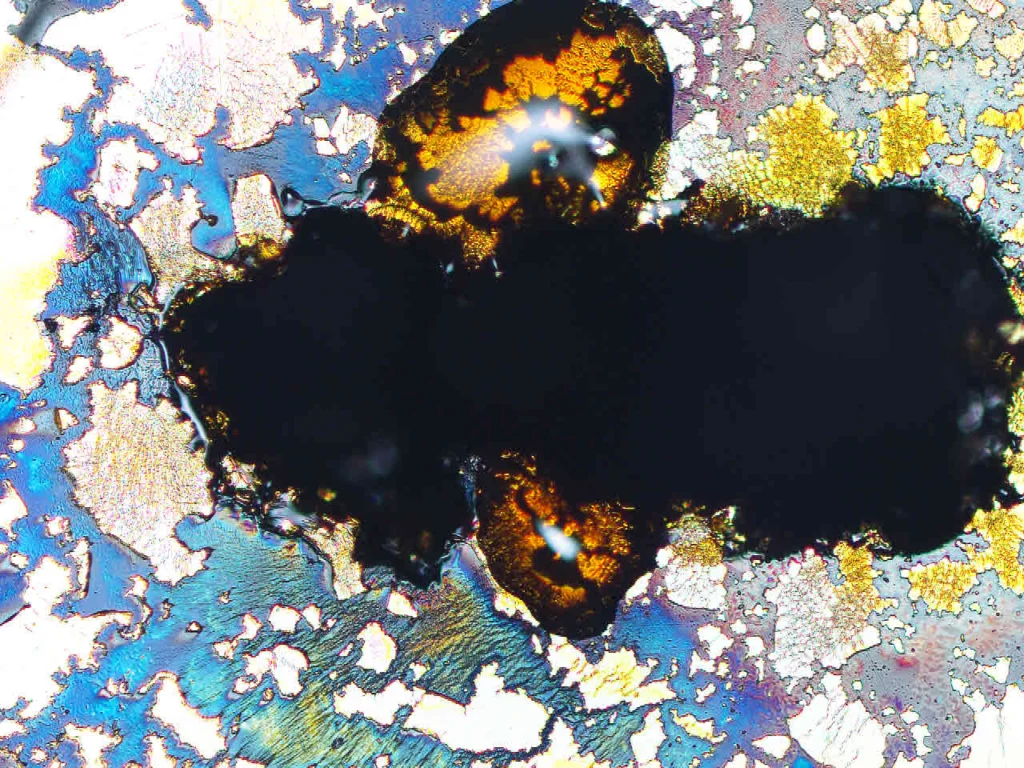
Imaggeo on Mondays: Electron cloud gone wrong
Deciphering the past history of rocks and what they might reveal about the Earth’s future is a key part of geology, and tools such as Ion Probes can be used by Earth Scientists to extract valuable information about a rock’s past. Today’s Imaggeo on Monday’s image was acquired by Sarah Glynn, a researcher at the …[Read More]
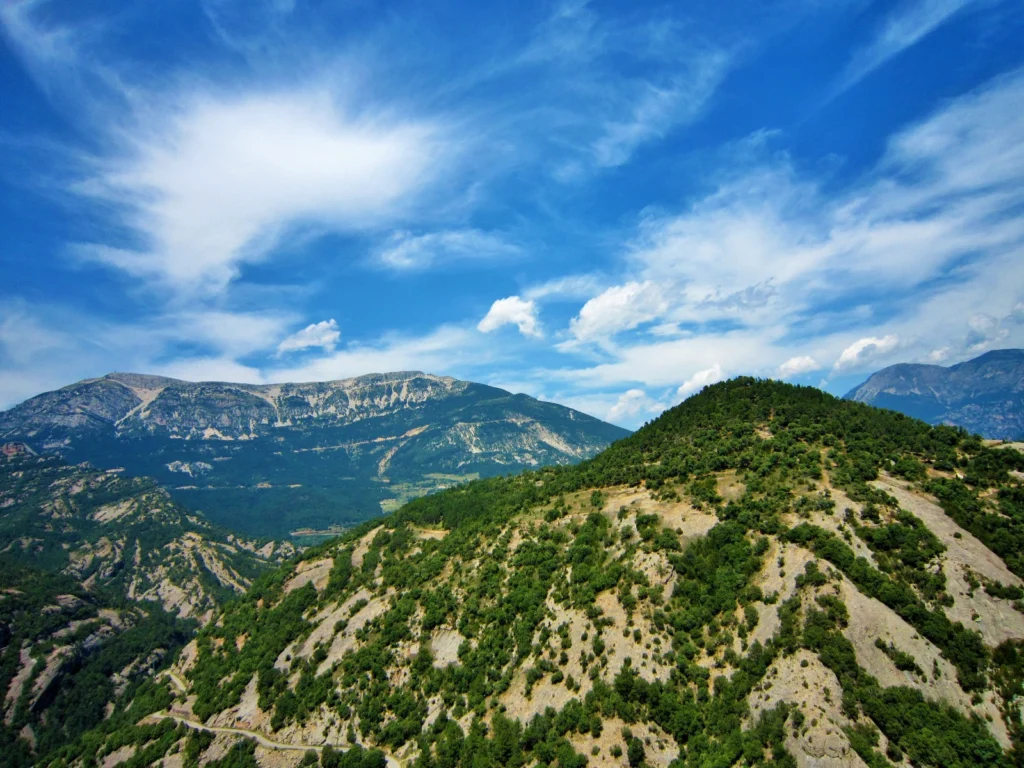
Imaggeo on Mondays: Mola de Lord
From the easterly Atlantic waters of the Bay of Biscay to the Catalan wild coast (Costa Brava) in the west, the Spanish Pyrenees stretch 430 km across the north of the country. At the foothills of the Catalan Pyrenees you’ll find the Pre-Pyrenees. Despite not reaching the soaring heights of the peaks of the Pyrenees, …[Read More]
GeoEd: A Framework Too Far?
In this month’s edition of GeoEd, Sam Illingworth, former ECS PC representative and Lecturer of Science Communication at Manchester Metropolitan University, talks about a new framework introduced by the UK government to measure the quality of teaching at higher education institutions. Although Sam explores the issue from a UK perspective, there is no doubt cross …[Read More]
Join the EGU Blog Network!
After announcing earlier this week that we are sadly saying goodbye to the EGU network blog Between a Rock and Hard Place, the time has come to find a new blog to take their place. If you are an Earth, planetary or space researcher (a PhD student, an early career scientist, or a more established …[Read More]
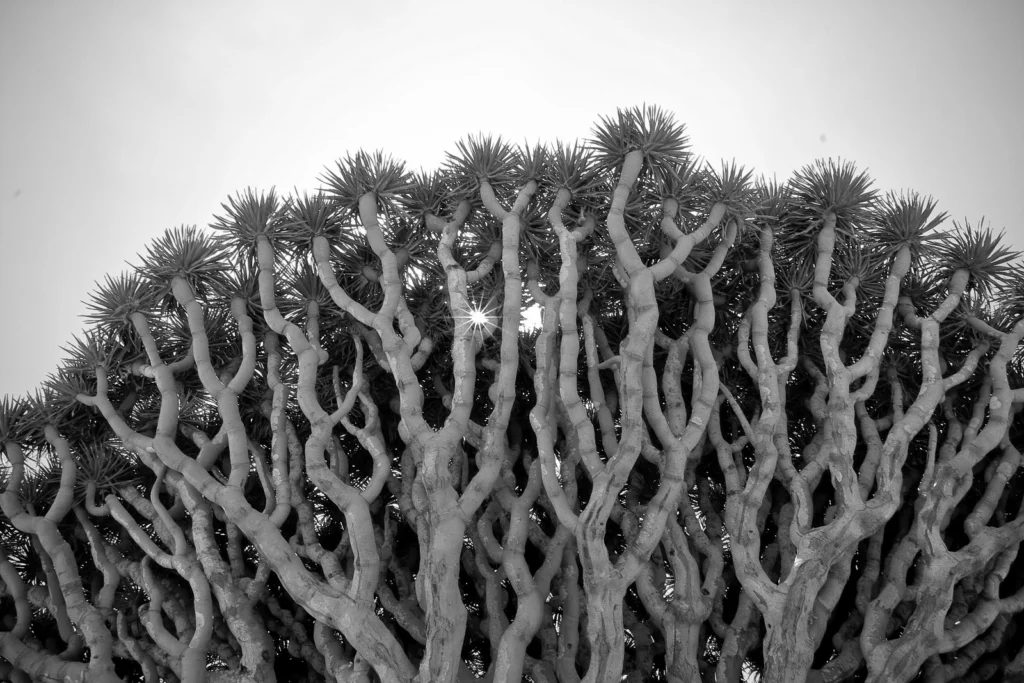
Imaggeo on Mondays: Dragon Blood Tree
On a small and isolated island in the Indian Ocean you’ll find an endemic population of Dragon Blood Trees (Dracaena cinnabari). Burly, with an interesting umbrella-shaped fractal canopy, these unique trees are a sight to behold. To see them for yourself, you’ll have to travel to the little known Socotra archipelago. Off the coast of …[Read More]
GeoTalk: Wouter Berghuijs, Union Level Early Career Scientist Representative
The EGU offers a platform for early career scientists (ECS) to become involved in interdisciplinary research in the Earth, planetary and space sciences, through sessions, social events and short courses at the annual General Assembly in April. One of the ways of ensuring that the voice of the Union’s ECS membership is heard is via …[Read More]