Detail of a photo: Large angular boulder beside a shallow pebbly stream in a grassy mountain valley, below steep forested slopes and rocky peaks under a dramatic blue sky, in heavily processed colours.
EGU Blogs

Division blogs

SSP

Tropical conditions in southern Germany: Investigating the sedimentation of Middle Jurassic shallow marine environments in the South German Basin by cyclostratigraphy
Tropical conditions in southern Germany: Investigating the sedimentation of Middle Jurassic shallow marine environments in the South German Basin by cyclostratigraphy
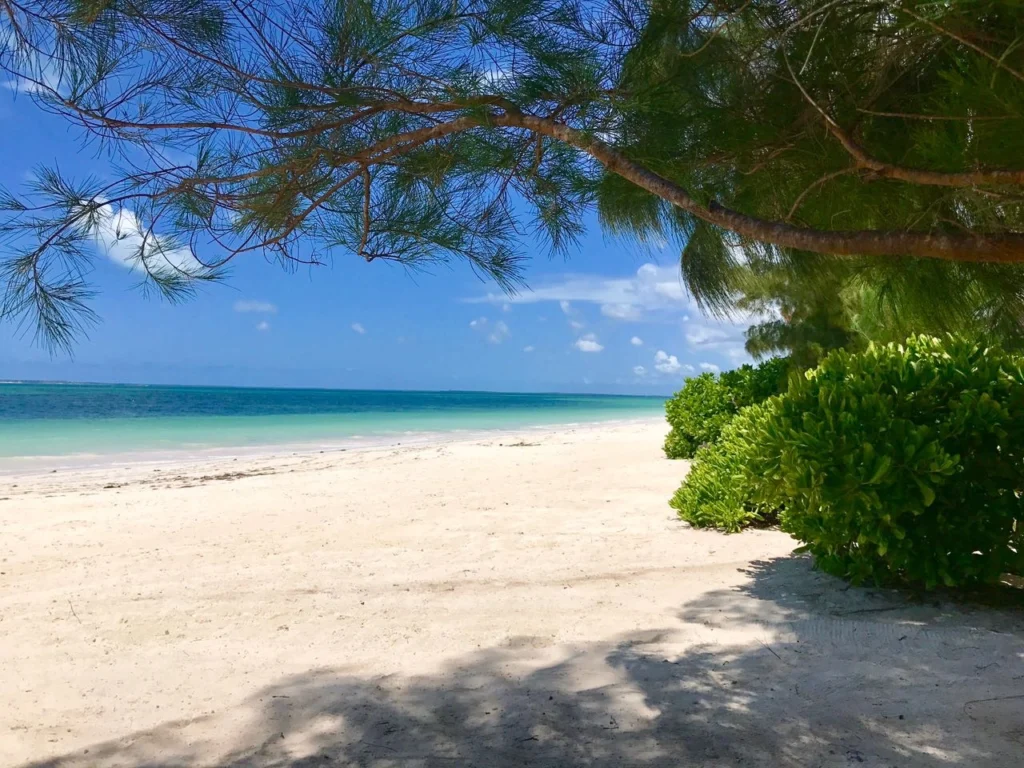
Most people would not relate Central Europe to a tropical environment today. During the Middle Jurassic (174-163 Ma ago), however, such conditions prevailed in most parts of the nowadays  landmass that was almost completely covered by a shallow epicontinental sea (estimated 0-100 m water depth) except for several emerged areas and islands. During this time, …[Read More]

GD

How does slab tearing evolve?

How does slab tearing evolve?

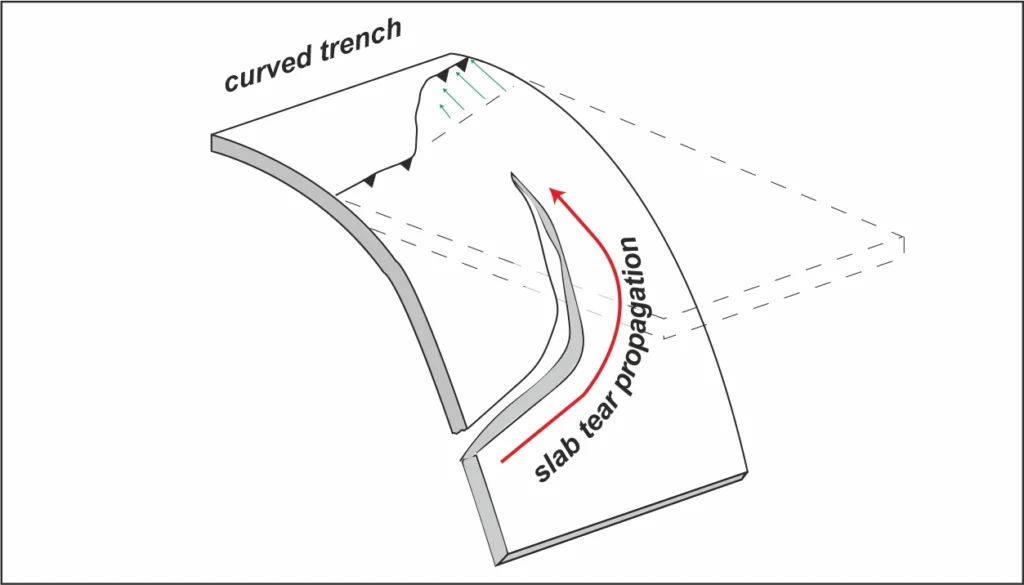
Slab tearing refers to the gradual propagation of the break-off of a subducting plate. As observed in numerous modern and ancient convergent tectonic settings, the growth of the tear “window” in the downgoing plate has strongly influenced various geologic and geodynamic processes, such as depocenter migration of foreland basins, uplift rates in mountain ranges, earthquakes, …[Read More]

HS

New spheres of scientific publishing

New spheres of scientific publishing

Many of you have noticed that EGUsphere went online, the new preprint repository hosted by EGU, as a service for the entire geosciences community. This repository can be used by any geoscientist to deposit their preprint even those that are not submitted to Copernicus journals. If you submit a preprint, your manuscript will receive a …[Read More]

BG

Guest post: Pal(a)eoPERCS

Pal(a)eoPERCS Logo

June 2020, amidst a global COVID-19 pandemic where social distancing and isolation brought the world to a standstill, a grassroots seminar series (Pal(a)eoPERCS) was started with the aim to bolster scholarly engagement and create a convivial space through weekly virtual seminars for Early Career Researchers and Professionals (ECRs).  Three years later, with June 2023 quickly …[Read More]

NH

Connecting the dots: the importance of recognising multi-hazard events in disaster reporting

Connecting the dots: the importance of recognising multi-hazard events in disaster reporting

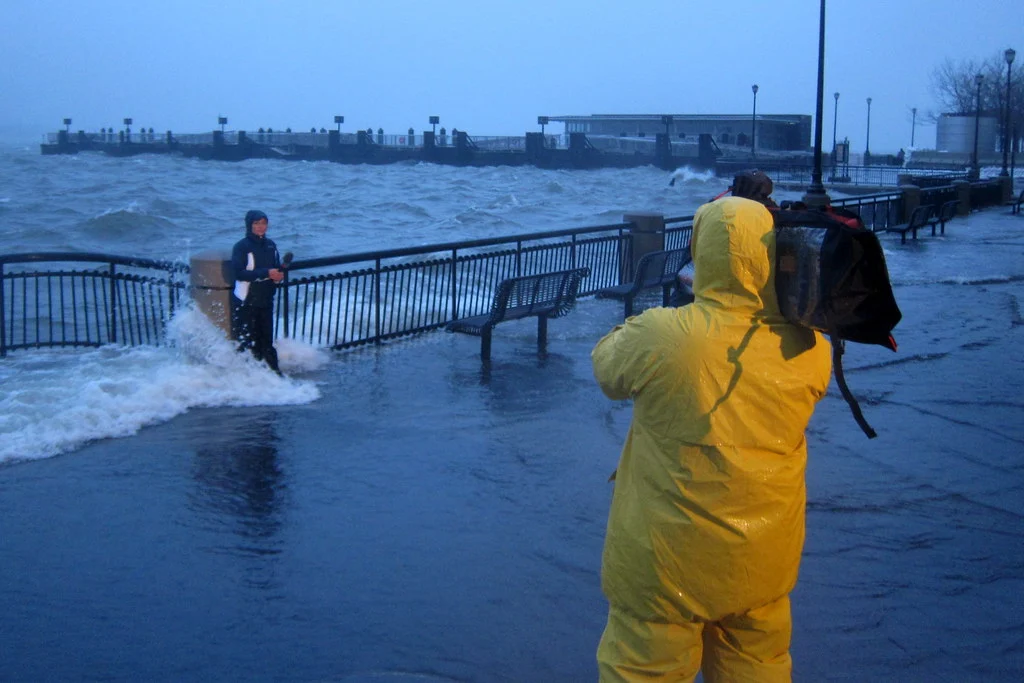
In the past year, the world has witnessed many severe disasters caused by multiple hazards whose impacts overlapped in time and space. February this year, two severe earthquakes hit Syria and Turkey shortly after each other, followed by two more powerful earthquakes and over a hundred aftershocks in subsequent weeks [1,2]. The disaster caused over …[Read More]

GM

LANDSCAPE LIVE Seminar Upcoming Talks

LANDSCAPE LIVE Seminar Upcoming Talks

Spring and the new Landscape Live weekly online seminar series are just starting. It is freely accessible to the international scientific community covering a wide range of geomorphological topics. The weekly meeting is on Thursday at 4 pm (CET/CEST). Over the last few years, Landscape Live became a key pillar for the virtual activist of …[Read More]

GD

The first observational evidence for a volcanically active Venus

The first observational evidence for a volcanically active Venus

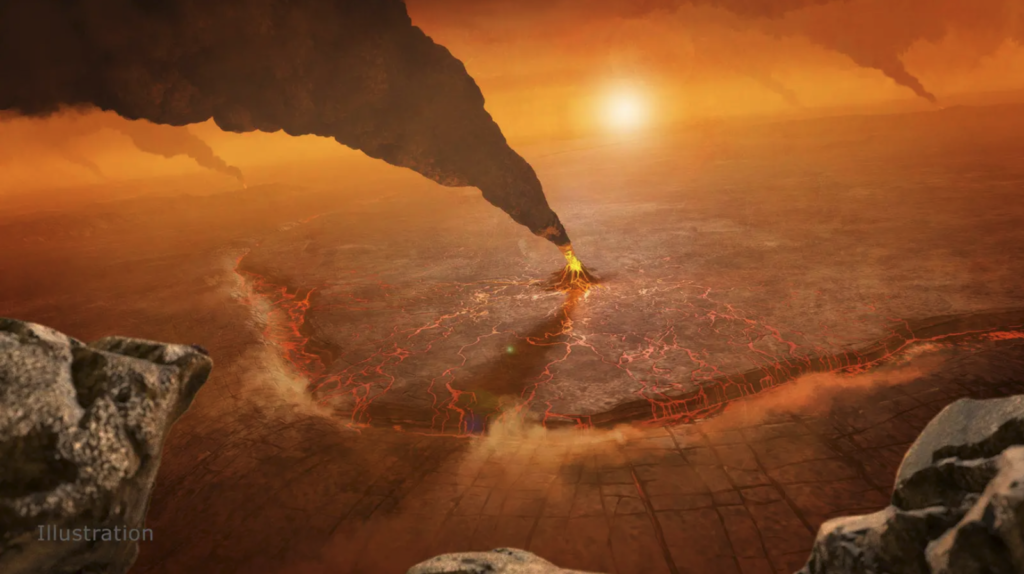
Our neighbouring planet Venus is gaining popularity in the terrestrial planetary sciences, especially since the selection of three new Venus missions by NASA and ESA in 2021. Now, for the first time ever, scientists have directly observed surface changes that indicate active volcanism on Venus. This discovery was made with data from NASA’s 30-year-old Magellan …[Read More]