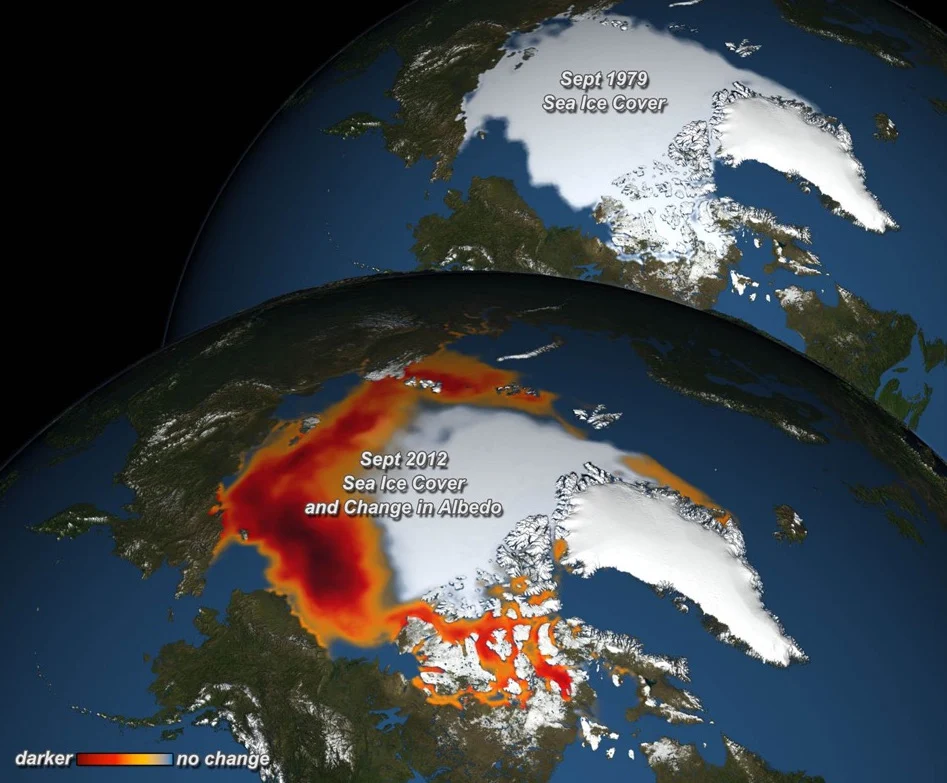
One of the most dramatic signals of Earth’s recent warming has been the precipitous decline of the Arctic sea ice. While the sea-ice decline is in response to warming ocean and atmosphere, it also has an important feed-back on the climate itself. Solar radiation and albedo Earth’s main energy source is solar radiation. This solar …[Read More]
Division blogs
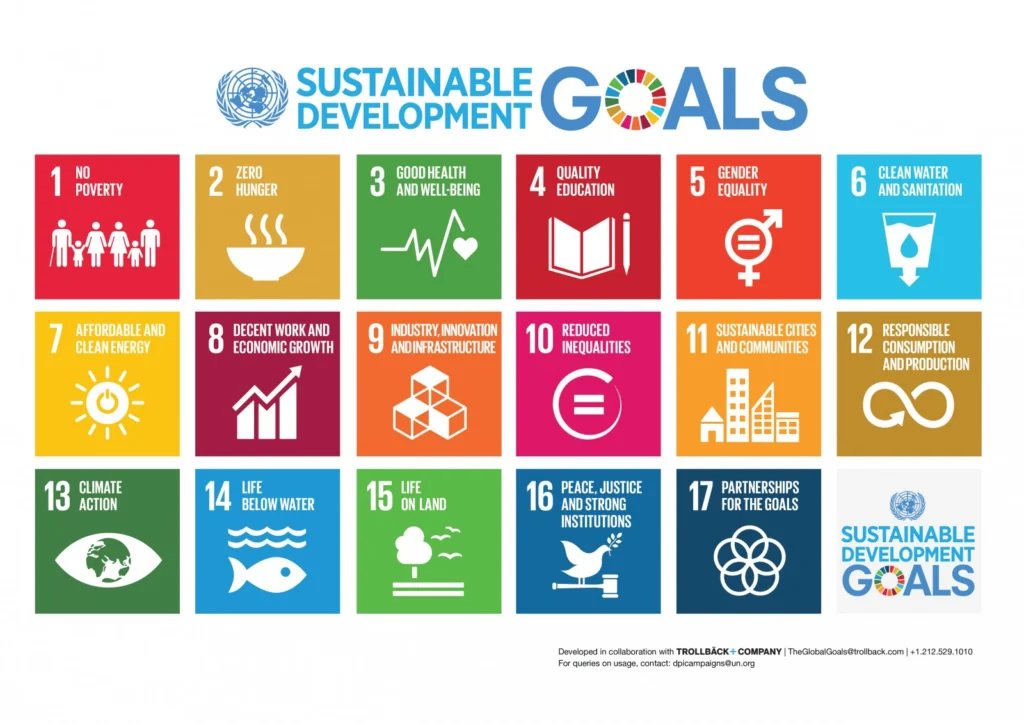
Soil is not dirt cheap: Soils, Sustainable Development Goals, and Geomorphologists.
– written by Solmaz Mohadjer – Does contaminated soil make your bones go soft? What if you are told to stop growing vegetables in your garden because the soil is too toxic? What if farmers refuse to produce nutritionally valuable crops because of risk of massive floods? What would you do if you are forced …[Read More]
An Antarctic Road Trip
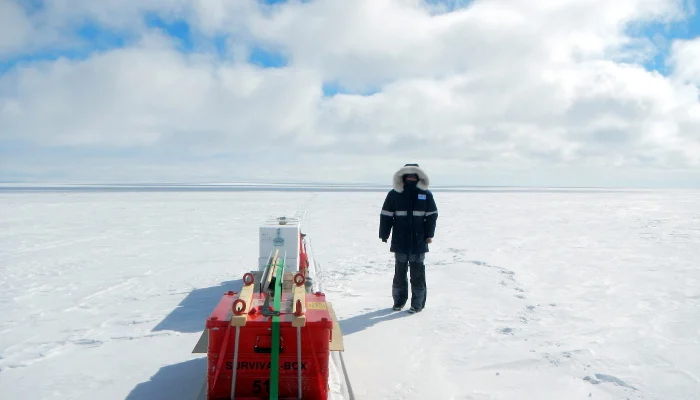
Working in the Arctic and Antarctic presents its own challenges. It is perhaps easy to imagine how a station situated close to the coast is resupplied: during the summer, one or more ships will arrive bringing fuel, food and equipment, but what about stations inland? Flying in supplies by aircraft is expensive and, in the …[Read More]
Image of the Week – Mushrooms at zero degrees = hair ice?!
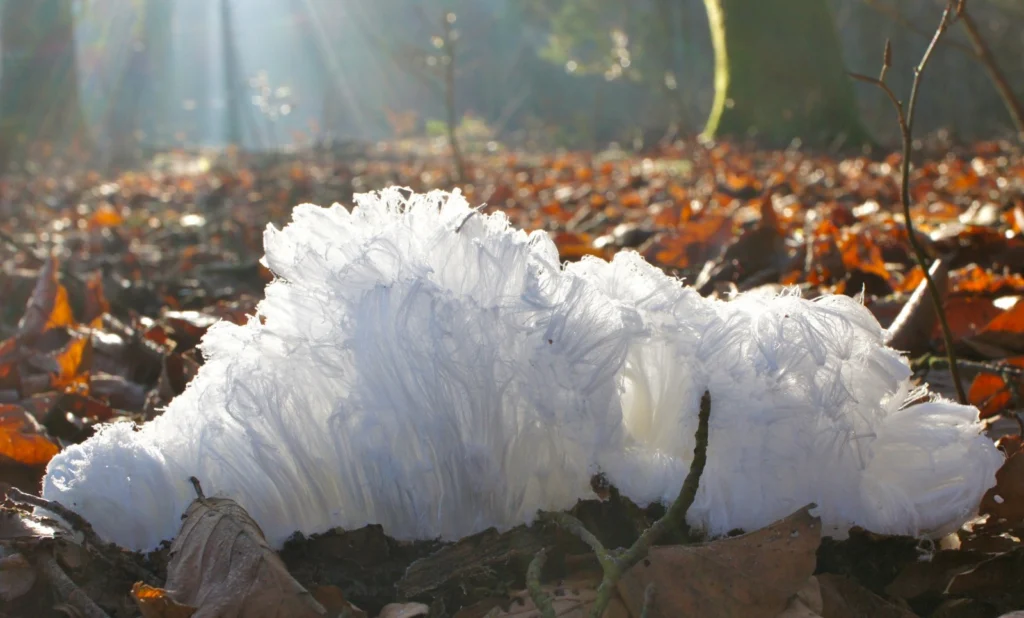
When you go down to the woods today you’re in for a big surprise….. hair ice! Did you know that there is a type of ice called hair ice? It is shaped like fine, silky hairs and looks like white candy floss. It grows on the rotten branches of broad-leaf trees during humid winter nights …[Read More]
Boost the PICO sessions @ EGU GA
EGU’s Pico’s (Presenting Interactive COntent®) are awesome and a lot of fun!! But at this year’s EGU General Assembly there was no Seismology PICO lead session. How sad was this? Why would this be? Can we do anything to change this? But wait, how much do you actually know on presenting or preparing a PICO…? Right, just …[Read More]
Coffee break biogeosciences–Urban bees found to feed on flowers
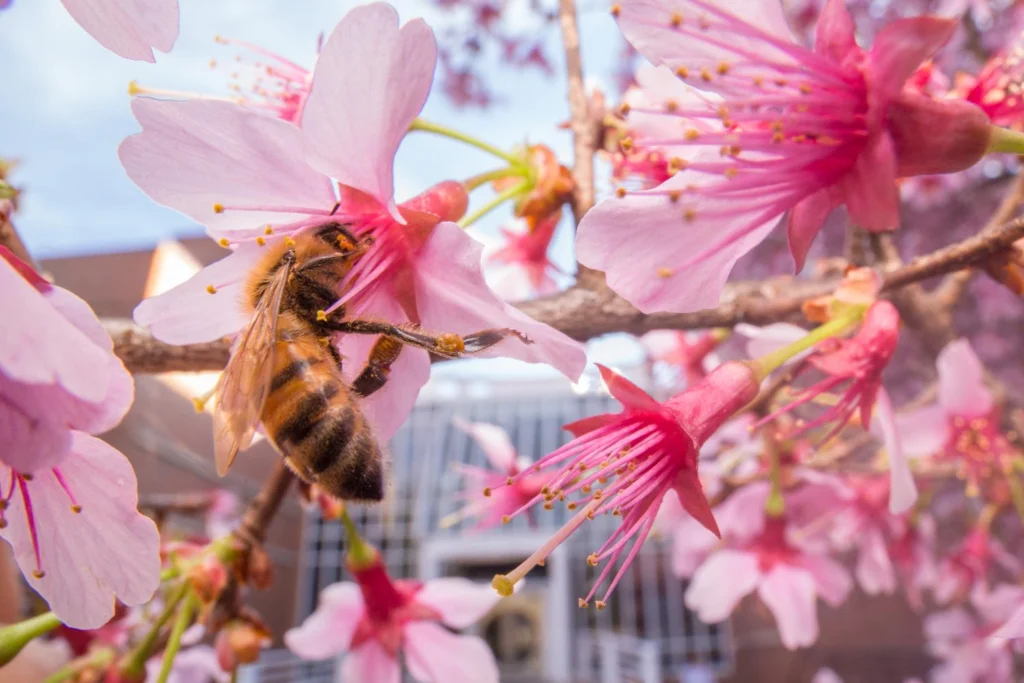
Honey bees, a highly important pollinator, have suffered a number of declines and population collapses in recent years. The growth of urban centers has contributed to a loss of foraging habitat and an introduction of new food sources. A recent study conducted across the rural-urban boundary of Raleigh, North Carolina, USA examined the feeding sources …[Read More]
Meet the new ECS Reps!
At the last EGU general assembly, Matthew Agius has stepped down as main early career scientist (ECS) representative and a new team assembled around Laura Parisi has taken over! Gender equality is not maintained, instead we are very proud to announce a 4/2 women/men distribution. Let us take the opportunity to briefly introduce ourselves. We …[Read More]
Image of the Week — Historical aerial imagery of Greenland
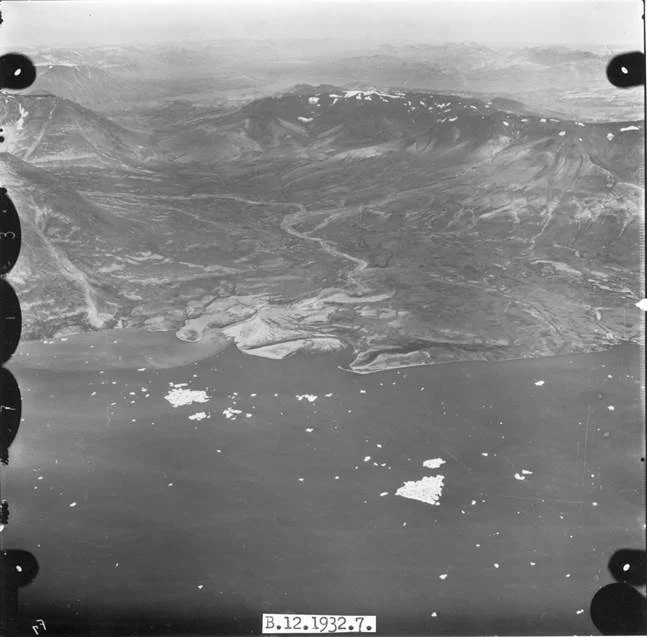
A few month ago, we were taking you on a trip back to Antarctic fieldwork 50 years ago, today we go back to Greenland during 1930s! When geopolitics serves cryospheric sciences The Permanent Court of International Justice in The Hague awarded Danish sovereignty over Greenland in 1933 and besides geopolitical interests, Denmark had a keen …[Read More]
European Space Agency Living Planet Symposium 2016
Living Planet Symposium Between the 9th and 13th May, Prague played host to the European Space Agency’s (ESA) fourth Living Planet Symposium. The event, the largest in its history with over 3300 attendees, brought together the earth observation community across multiple disciplines to discuss significant scientific results and the future developments of earth observation missions. …[Read More]
Short video on Geomorphology – Sediment Dynamics in high-mountain Environments
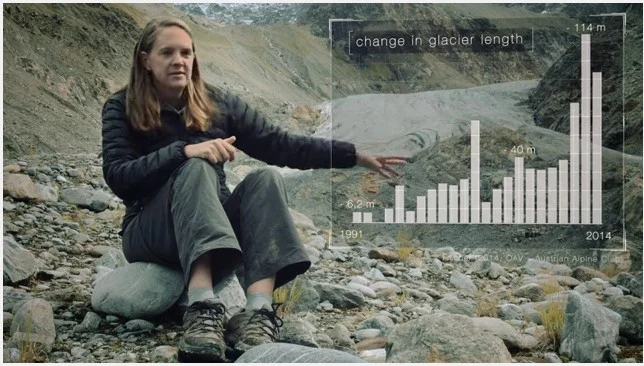
Geomorphology is the science of processes shaping the earth surface. Especially in high-mountain environments, where the relief is steep, these processes move a great amount of material. This 10 minute video features Geomorphologists from different parts of the world, explaining what happens when glaciers retreat and expose sediments to erosion and how it affects us …[Read More]