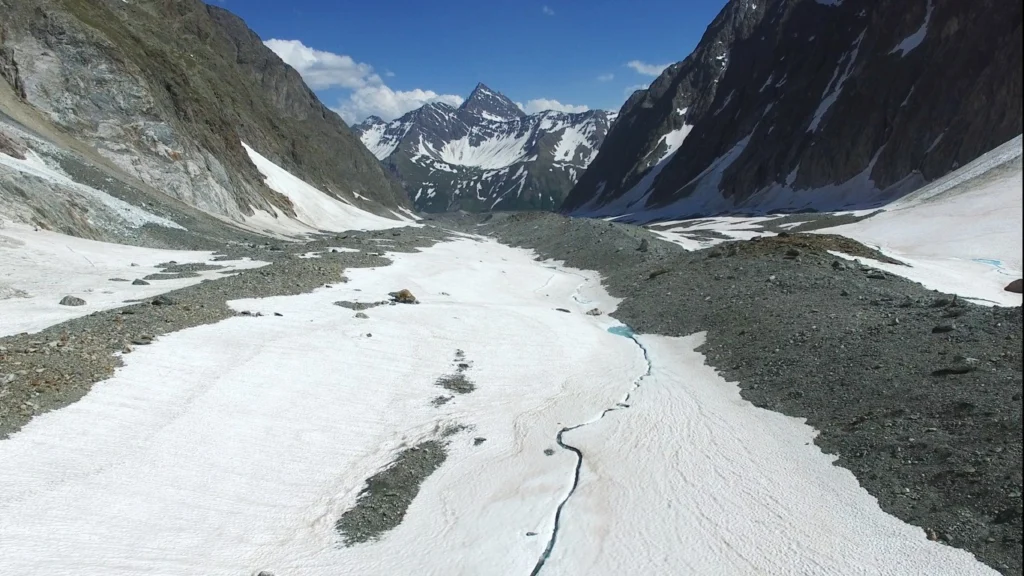
What are debris-covered glaciers? Many alpine glaciers are covered with a layer of surface debris (rock and sediment), which is sourced primarily from glacier headwalls and valley flanks. So-called ‘debris-covered glaciers’ are found in most glacierized regions, with concentrations in the European Alps, the Caucasus, Hindu-Kush-Himalaya, Karakoram and Tien Shan, the Andes, and Alaska and …[Read More]
Division blogs
Seismology
A tale about MERMAIDs
Once upon a time there was a little mermaid, with the upper body of a human and a tail of a fish, happily diving within the seven seas. Wait … I’m sorry, that is the wrong story. I will tell you today something about a different generation of MERMAIDs, that are pretty useful for seismologists. …[Read More]
Cryospheric Sciences
Image of the Week – Canyons Under The Greenland Ice Sheet!
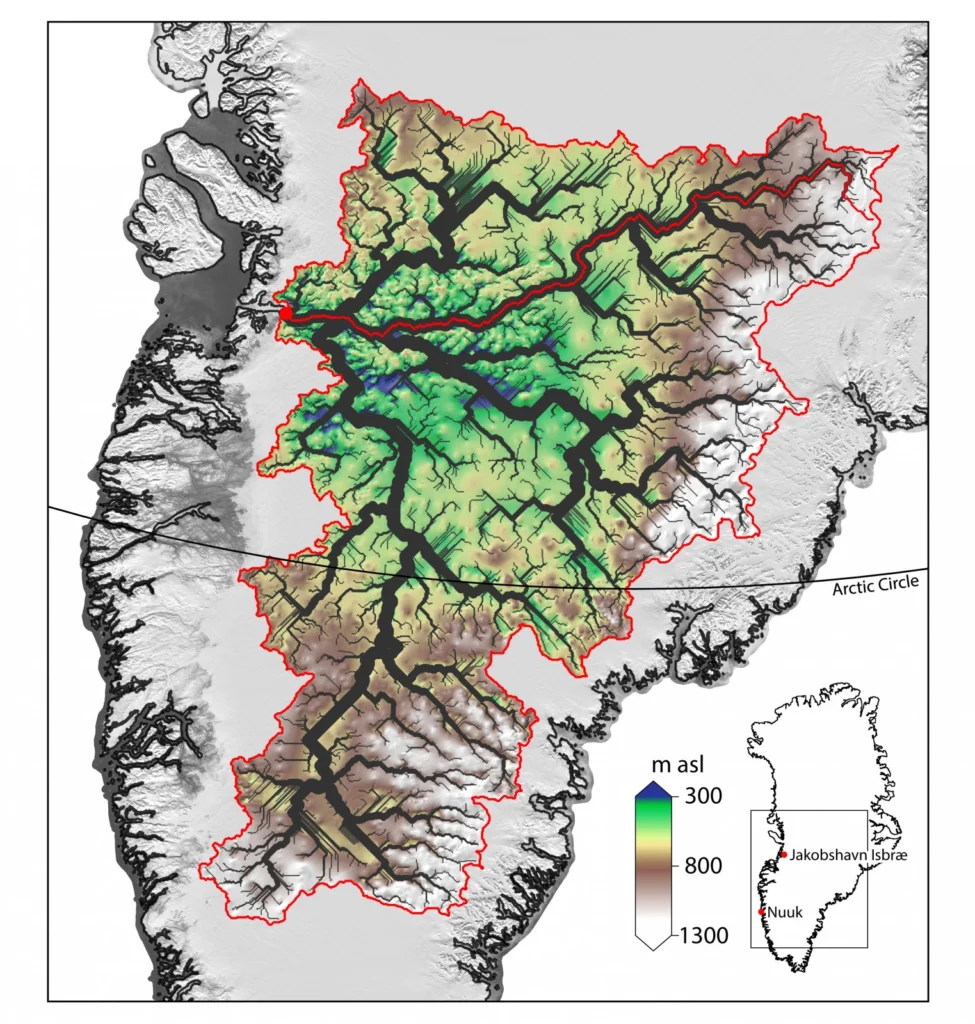
The Greenland Ice Sheet contains enough water to raise sea level by 7.36 meters (Bamber, et. al. 2013) and much of this moves from the interior of the continent into the oceans via Jakobshavn Isbræ – Greenland’s fastest flowing outlet glacier. An ancient river basin hidden beneath the Greenland Ice Sheet, discovered by researchers at …[Read More]
Cryospheric Sciences
Marine Ice Sheet Instability “For Dummies”
MISI is a term that is often thrown into dicussions and papers which talk about the contribution of Antarctica to sea-level rise but what does it actually mean and why do we care about it? MISI stands for Marine Ice Sheet Instability. In this article, we are going to attempt to explain this term to you …[Read More]
Seismology
Paper of the Month — the first of a (hopefully) long series!
“TRIANGULAR DISLOCATION: AN ANALYTICAL, ARTIFACT-FREE SOLUTION” (by Mehdi Nikkhoo and Thomas R. Walter) COMMENTED BY OLAF ZIELKE “Paper of the Month” is a new blog series launched by the ECS-reps team. The aim is to absorb and share the reading experience of mature seismologists with regards to peer-review articles either recently published (less than 12 …[Read More]
Cryospheric Sciences
Image of The Week – Ballooning on the Ice
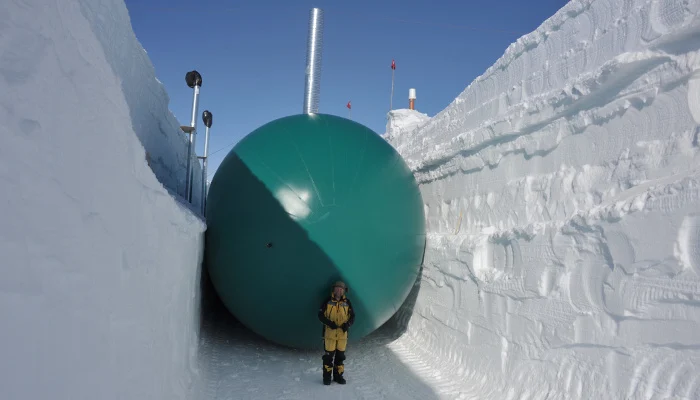
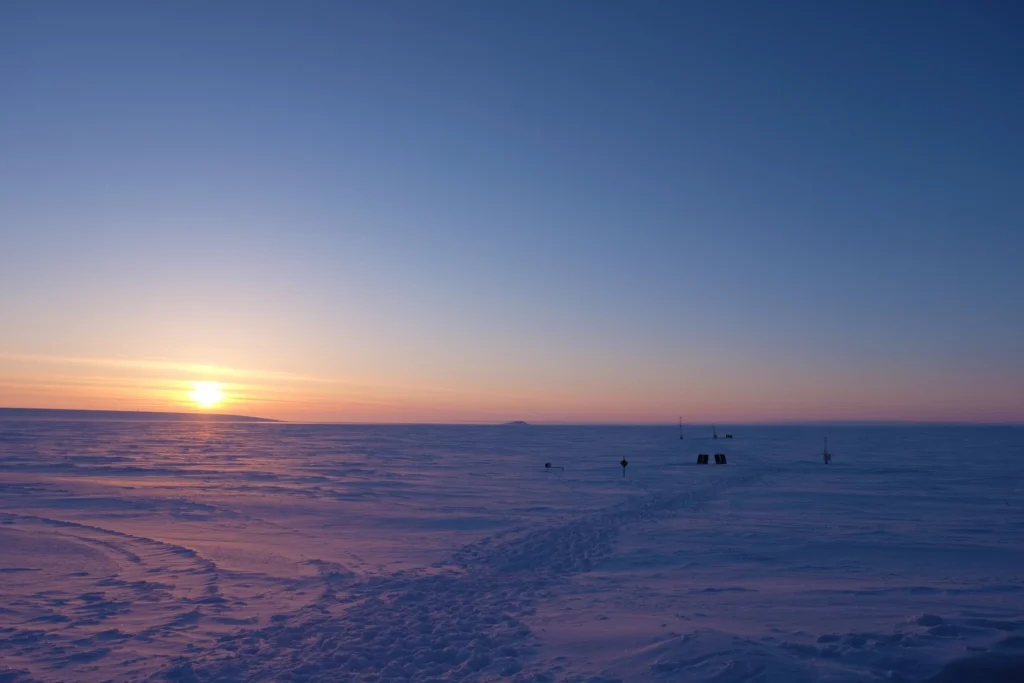
A curious experiment is taking place in Greenland. An experiment involving very large balloons and – of course – a lot of snow. Read on to discover why balloons are an environmentally friendly tool when constructing an ice core drill camp. Last year, a small team traversed 400km from northwest Greenland to the EastGRIP site …[Read More]
Biogeosciences
Keeping a lookout at the edge of the world
Few places in the world conjure up images of remoteness and harshness like Far Eastern Siberia. Yet, it’s places like these where our science is needed most. Arctic soils hold vast amount of carbon, protected in thick layers of permafrost, but these stores are becoming more and more vulnerable as temperatures in the Arctic …[Read More]
Cryospheric Sciences
Image of the week — The warming effect of the decline of Arctic Sea Ice
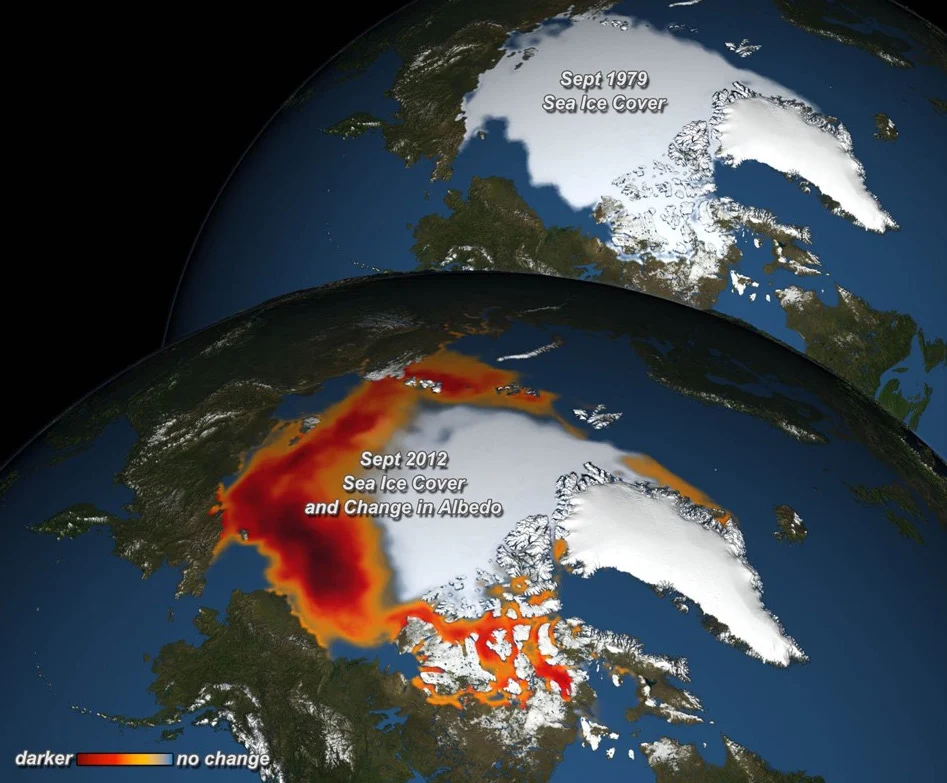
One of the most dramatic signals of Earth’s recent warming has been the precipitous decline of the Arctic sea ice. While the sea-ice decline is in response to warming ocean and atmosphere, it also has an important feed-back on the climate itself. Solar radiation and albedo Earth’s main energy source is solar radiation. This solar …[Read More]
Geomorphology
Soil is not dirt cheap: Soils, Sustainable Development Goals, and Geomorphologists.
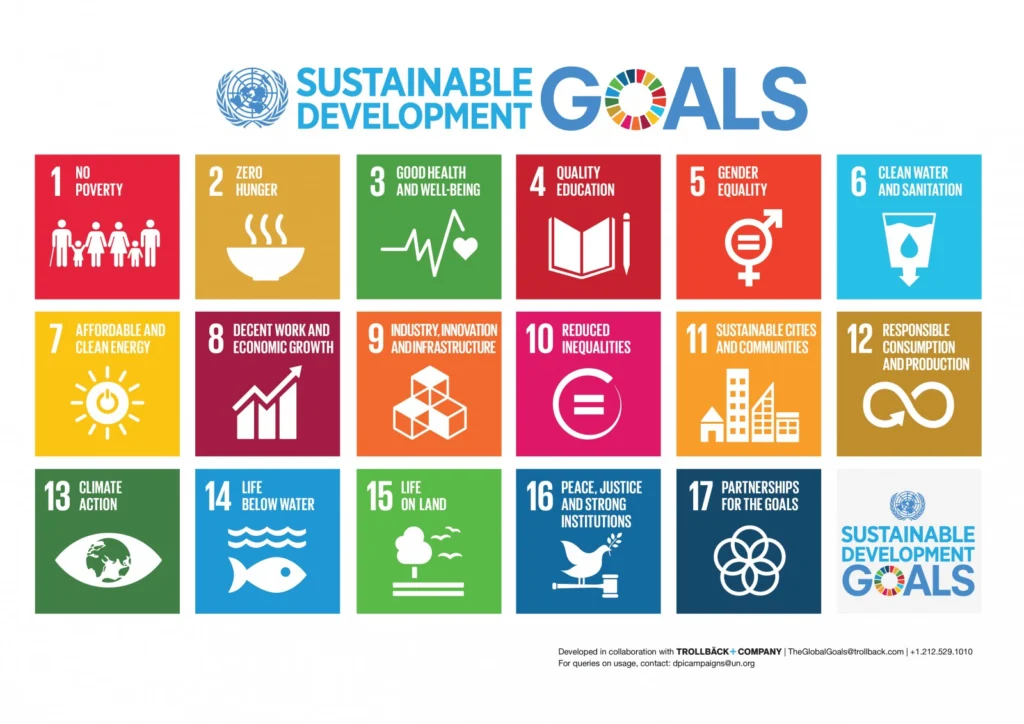
– written by Solmaz Mohadjer – Does contaminated soil make your bones go soft? What if you are told to stop growing vegetables in your garden because the soil is too toxic? What if farmers refuse to produce nutritionally valuable crops because of risk of massive floods? What would you do if you are forced …[Read More]
Cryospheric Sciences
An Antarctic Road Trip
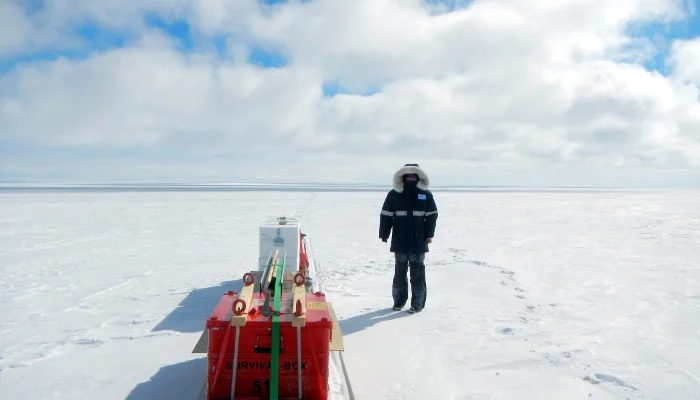
Working in the Arctic and Antarctic presents its own challenges. It is perhaps easy to imagine how a station situated close to the coast is resupplied: during the summer, one or more ships will arrive bringing fuel, food and equipment, but what about stations inland? Flying in supplies by aircraft is expensive and, in the …[Read More]