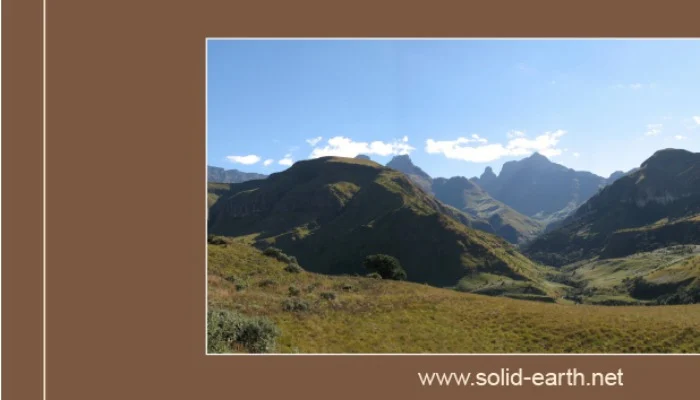
Detail of a photo: Large angular boulder beside a shallow pebbly stream in a grassy mountain valley, below steep forested slopes and rocky peaks under a dramatic blue sky, in heavily processed colours.
EGU Blogs

Division blogs

SM

Paper of the Month — Seismic anisotropy
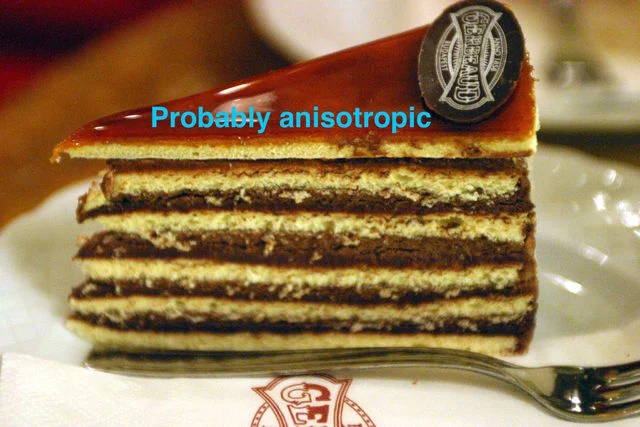
Paper of the Month — Seismic anisotropy
“SEISMIC ANISOTROPY AND MANTLE DEFORMATION: WHAT HAVE WE LEARNED FROM SHEAR WAVE SPLITTING?” (M. K. SAVAGE, 1999) commented by Dr. Jessica Johnson   Jessica Johnson from the University of East Anglia (UK) is our guest author of the PoM blog series of this month! She has chosen to comment on the paper “Seismic Anisotropy and …[Read More]

SSS

Solid Earth, an open-access journal

Solid Earth, an open-access journal

Fabrizio Storti Chief Executive Editor of Solid Earth Università degli Studi di Parma The importance of publishing open access is increasing every year in Scientific Institutions worldwide and is becoming mandatory in several research funding programmes. Many funding institutions, including ERC, are financially supporting publishing in open access journals. EGU and Copernicus launched open access …[Read More]

CR

Image of the Week — ice tsunamis !

Image of the Week — ice tsunamis !

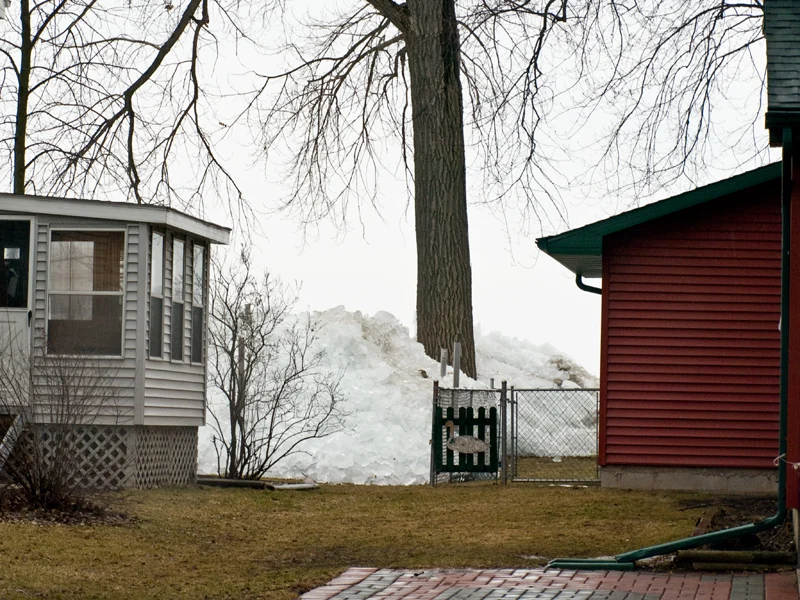
“Tsunami“ is a word that became world famous after the so-called Christmas tsunami in 2004, when enormous waves hit the shores around the Indian Ocean with disastrous consequences for countries such as Sri Lanka, Thailand, Somalia and many others. But did you know that tsunamis can be icy? An ice tsunami is one of the …[Read More]

CR

Water Masses “For Dummies”

Water Masses “For Dummies”

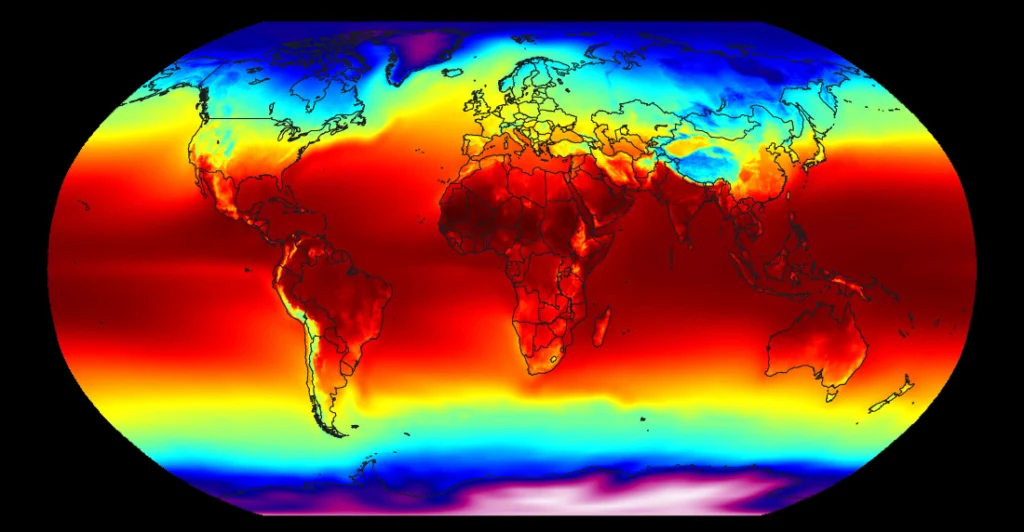
Polar surface water, circumpolar deep water, dense shelf water, North Atlantic deep water, Antarctic bottom water… These names pop in most discussions about the ice-ocean interaction and how this will change in a warming climate, but what do they refer to? In our second “For Dummies” article, we shall give you a brief introduction to …[Read More]

CR

Image of the Week – Yes, you’re looking at one of Peru’s most dangerous glacial lakes!

Image of the Week – Yes, you’re looking at one of Peru’s most dangerous glacial lakes!

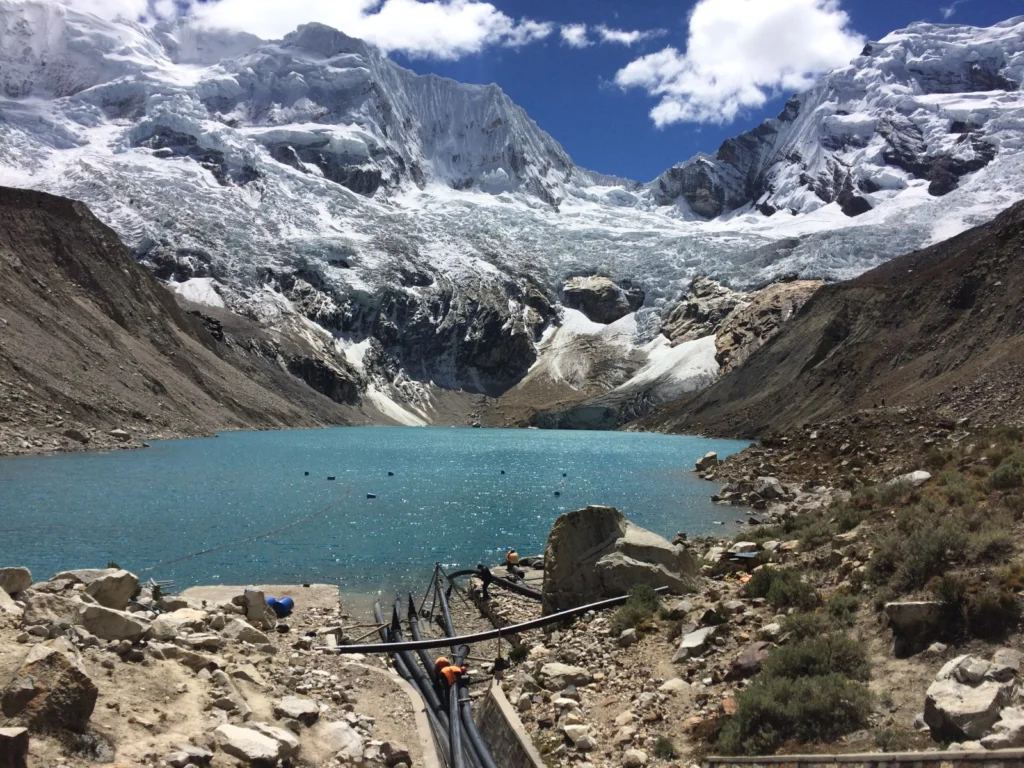
As mountain glaciers melt and recede, they often leave behind large glacial lake that are contained by the glaciers’ old terminal moraines. These glacial lakes are found throughout the world and can pose a significant flood hazard to downstream communities and infrastructure. The image of this week focuses on Lake Palcacocha, a large glacial lake located …[Read More]

PS

Upcoming space events!

Upcoming space events!

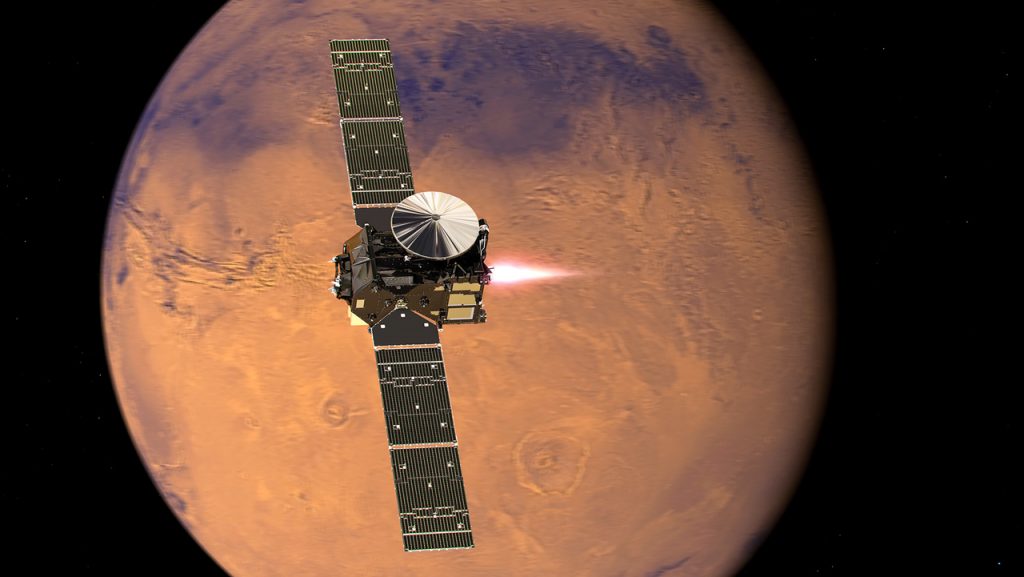
Normally, September is not people’s favorite month as it goes with the end of the summer holidays, the beginning of the academic year and that of autumn. Not much to be happy about. Thankfully, space and planetary science is here to help you overcome this difficult period with lots of exciting events. Fly me to …[Read More]