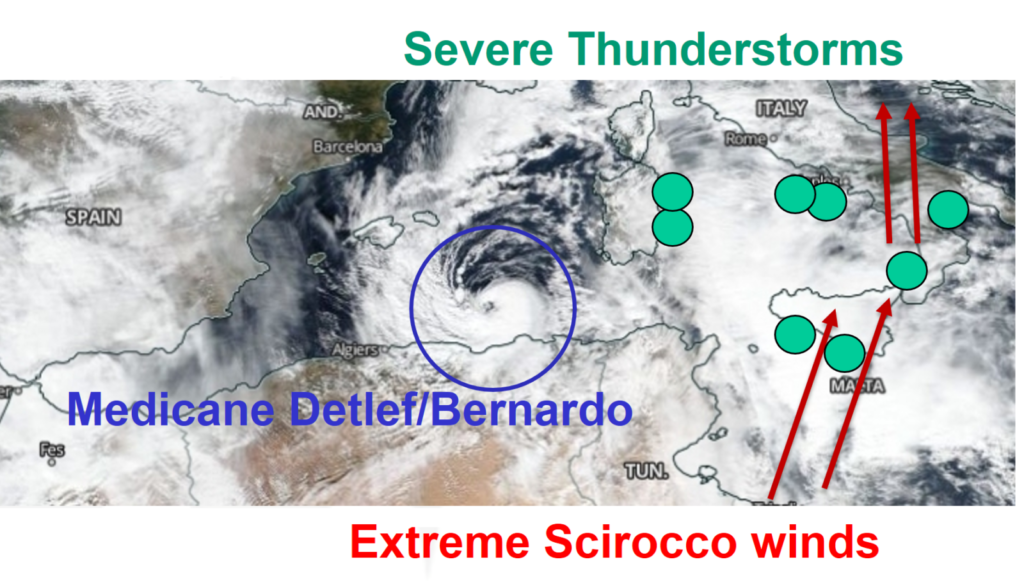
Each year the European Geosciences Union organizes the largest European geosciences event which is the EGU General Assembly. It usually attracts over than 15000 scientists from all over the world, including both established researchers and early career scientists, who contribute to more than a half of the participants. It consists of several sessions (usually more …[Read More]
Division blogs
Tectonics and Structural Geology
Bangor and Snowdonia, a natural laboratory for geologists of the scientific revolution
Bangor, once a tropical paradise on the coast of Gondwana, then a volcanic wasteland at the foothills of an immense mountain chain. The region would then be buried under glaciers for thousands of years before finally developing into an unassuming Welsh University town. Wales’ place in modern geology Perhaps you have looked at the …[Read More]
Hydrological Sciences
Featured catchment series: The Rio Vauz catchment – long-term hydrologic observations in the Dolomites
Dolomitic landscapes are characterized by vertical rock cliffs and soil-mantled hillslopes originated from glacial or colluvial deposits, which hide a complex subsurface aquifer due to the permeability of the dolomitic rocks. To improve the understanding of the hydrological functioning of such complex hydrogeological systems, the hydrology group of the Department of Land, Environment, Agriculture and …[Read More]
Geochemistry, Mineralogy, Petrology & Volcanology
#EGU2020 Sessions in the Spotlight: The Dynamics of Magmatic Plumbing Systems
The EGU 2020 abstract submissions are now open for the next two months! Every few days, we will highlight a geochemistry, mineralogy, petrology and/or volcanolgy session right here – great news if like me, you can’t make a decision in a restaurant whenever there are too many options (just like the session list), so you …[Read More]
Stratigraphy, Sedimentology and Palaeontology
Architecture and sediments, heritage and future
As geoscientists in Europe, we should consider ourselves to be very lucky to have a rich architectural heritage. The first insights we gain about the geology of an area can be read in beautiful historic buildings. For centuries, construction and architecture have been driven by two constraints: adapt to the local environment, and use locally …[Read More]
Geochemistry, Mineralogy, Petrology & Volcanology
#EGU2020 Sessions in the Spotlight: Evolution of the Earth’s upper mantle: a petrological, geochemical and geodynamic perspective on lithospheric mantle xenoliths, orogenic and ophiolitic peridotites
The EGU 2020 abstract submissions are now open for the next two months! Every few days, we will highlight a geochemistry, mineralogy, petrology and/or volcanology session right here – great news if like me, you find choosing which session to submit to more difficult than choosing a decent movie on Netflix… Today it’s the turn …[Read More]
Cryospheric Sciences
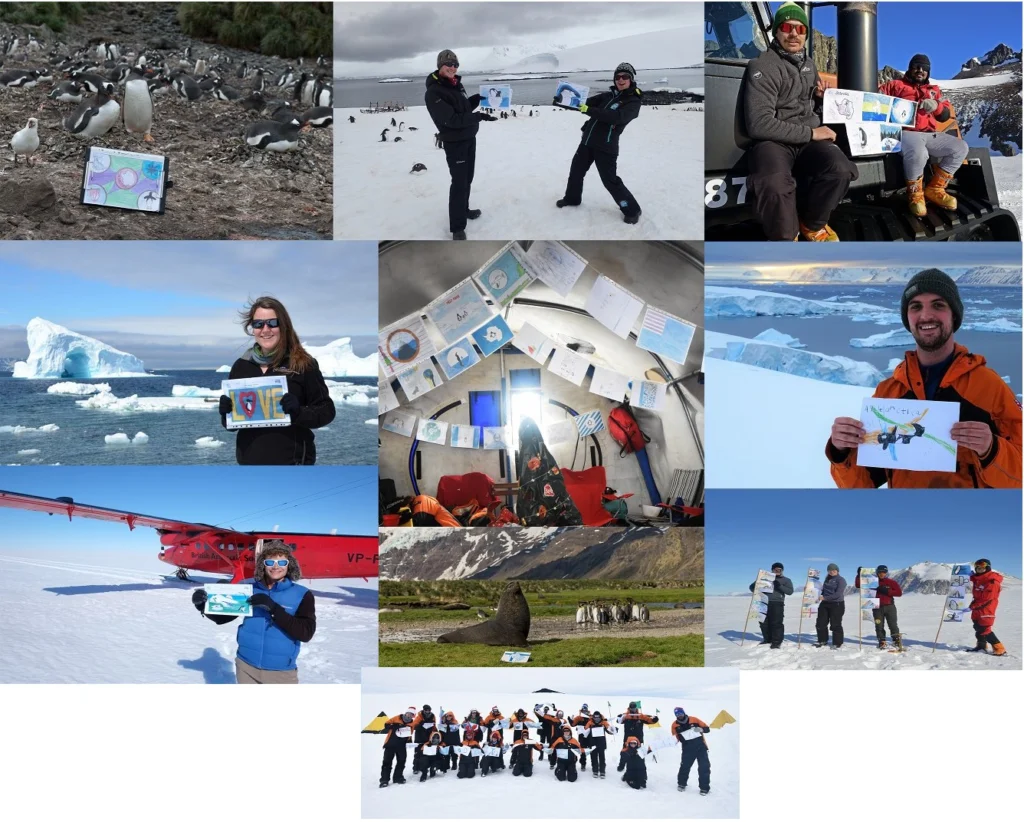
Cryo-Comm – Six reasons why you should communicate your science
What inspired you to get into polar or cryospheric research? Perhaps it was a passion for the outdoors, a drive to protect the environment for the people and animals that live there, or a fascination with wild places. For me, it was all three – and the more I learned about Antarctic climate science, the …[Read More]
Geodynamics
The Sassy Scientist – Publishing Lulls
Every week, The Sassy Scientist answers a question on geodynamics, related topics, academic life, the universe or anything in between with a healthy dose of sarcasm. Do you have a question for The Sassy Scientist? Submit your question here or leave a comment below. Through an overwhelmingly frustrating waiting period, first due to an editor that …[Read More]
Geochemistry, Mineralogy, Petrology & Volcanology
#EGU2020 Sessions in the Spotlight: Geochronology in hot and dynamic systems: approaches and tools to unravel the past
The EGU 2020 abstract submissions are now open for the next two months! Every few days, we will highlight a geochemistry, mineralogy, petrology and/or volcanology session right here – great news if you are paralysed by indecision or overwhelmed by the number of sessions. Today it’s the turn of GMPV1.7, “Geochronology in hot and dynamic …[Read More]
Geodynamics
Enigmas at depth
The Geodynamics 101 series serves to showcase the diversity of research topics and/or methods in the geodynamics community in an understandable manner. In this week’s Geodynamics 101 post, Marcel Thielmann, Senior Researcher at the University of Bayreuth, discusses the possible mechanisms behind the ductile deformation at great depths that causes deep earthquakes. Earthquakes are one …[Read More]