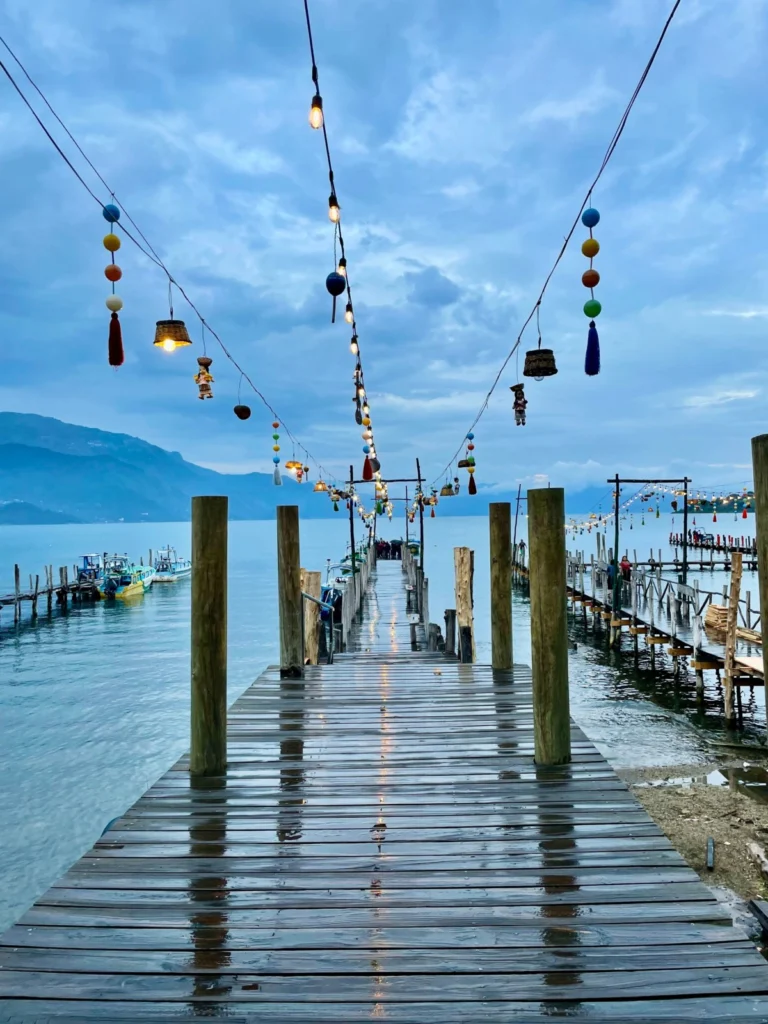
Thanks to the novelty and potential of my research focus (a paleothermometer for lacustrine environments based on the application of the carbonate clumped isotope technique on small crustacea shells (ostracods)) that provides insights into atmospheric temperatures of the past, I was selected by the committees of three International Continental Scientific Drilling Program (ICDP) workshops. The …[Read More]
Division blogs
The Global Arctic, a personal perspective on interdisciplinary research
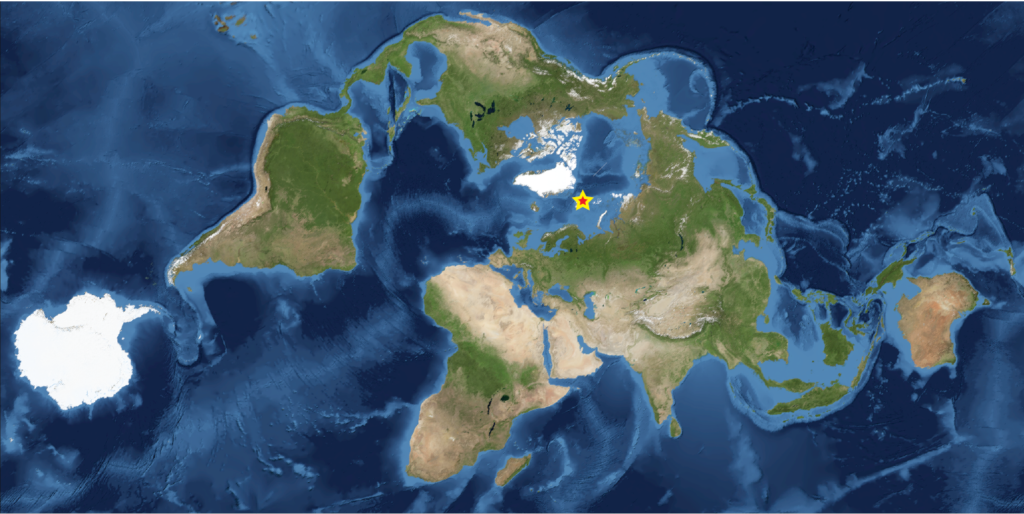
Around the summer solstice of 2022, a small group of twenty young researchers met in Svalbard, a small island lost between Norway and the North Pole. The Norwegian Scientific Academy for Polar Research wanted to bring us together around the theme of “The Global Arctic“. The scope of this summer school was to “produce a …[Read More]
Fagradalsfjall 2021 versus 2022: similarity and differences
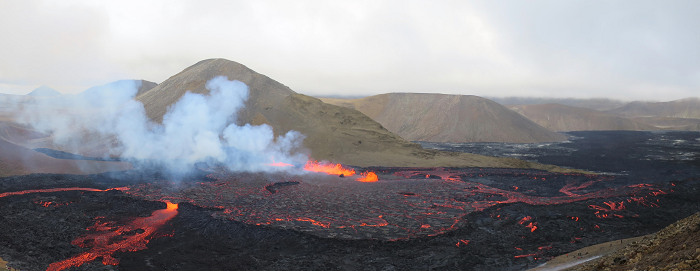
The Icelandic eruptions of 2021 and 2022 originated in the Reykjanes peninsula, characterized by the Krýsuvík-Trölladyngja system, one of the five volcanic systems present along the peninsula. This peninsula is a leaky transform fault, characterized by episodic rifts and associated volcanism. The last two years have brought about some of the most momentous volcanic eruptions …[Read More]
Earth Science Beyond Academia
Although a career in academic research is a great choice for some, the majority of PhD students will pursue careers outside of universities and research institutes. This week, we learn about the experiences of PhD and Masters students who are embarking on successful careers beyond academia. Name: Deborah Wehner Degree: PhD in Earth Sciences New …[Read More]
Did you know the differences between Arctic and Antarctic sea ice?
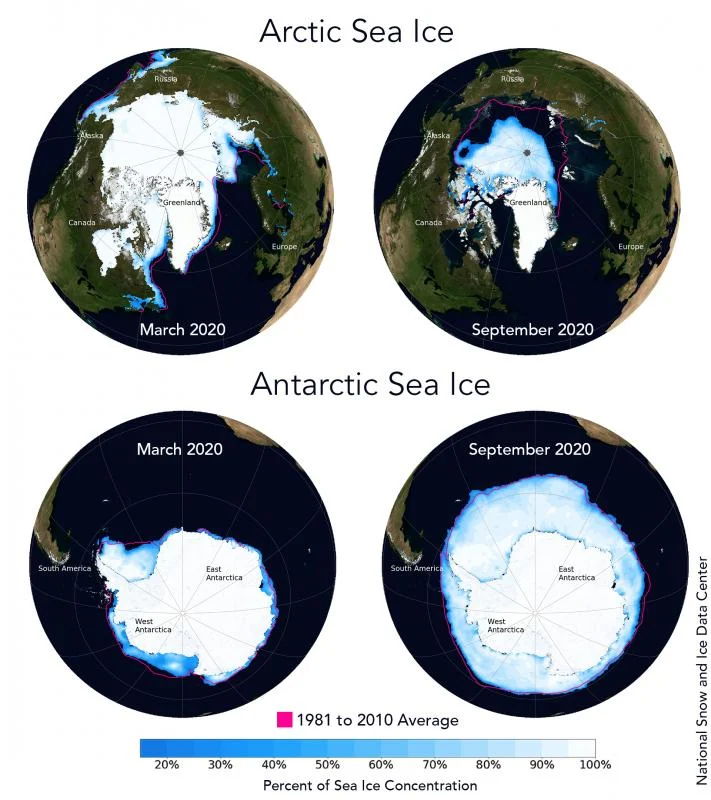
If you look at the maps in Figure 1, you will quickly see that sea ice is present in both polar regions (Arctic at the top, Antarctic at the bottom). Despite this apparent similarity, some differences exist between Arctic (in the Northern Hemisphere) and Antarctic (in the Southern Hemisphere) sea ice. We provide a brief …[Read More]
The Sassy Scientist – Unbelievable Lunacies
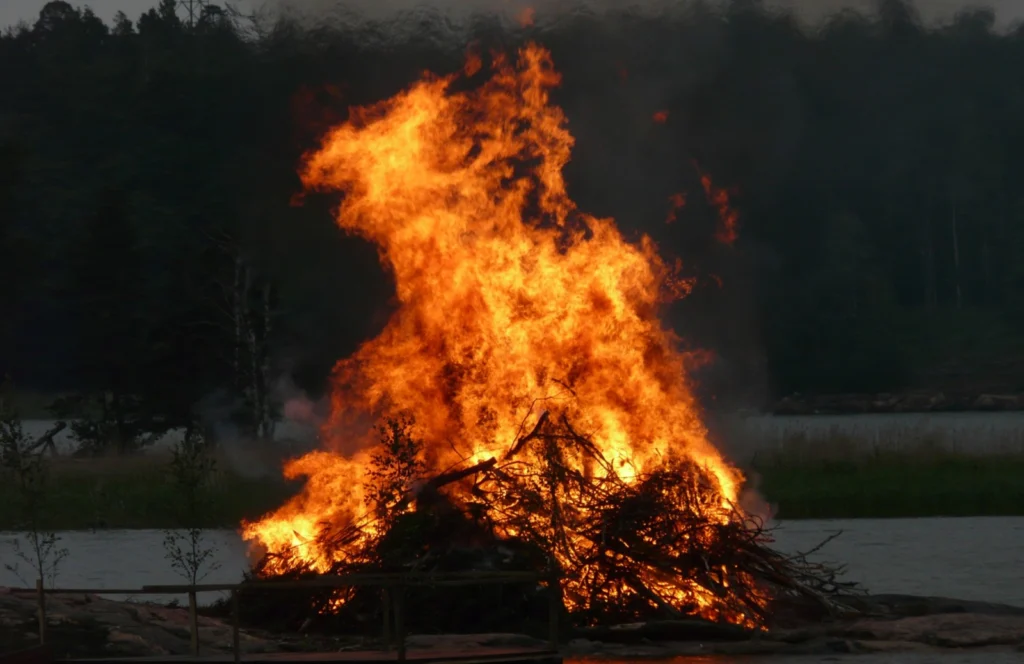
Being the reasonable, far-sighted and moderate entity that it is, humanity is irreversibly destroying the habitability of the planet it was given. I hope (man, I *hope*) I don’t have to convince anybody about this *fact*. Most of us are not concerned about this. Some of us are a tad concerned about the fact that …[Read More]
EGU Campfire Geodesy – Share Your Research – Sixth Edition
We all welcome you around our sixth EGU Geodesy Campfire to listen to two exciting talks by Eva Börgens and Jesse Reusen. The Geodesy EGU Campfire Events “Share Your Research” give (early career) researchers the chance to talk about their work. Below you can find detailed descriptions about their talks. We will have time …[Read More]
Effects of decelerating India-Eurasia convergence on the crustal flow and topographic evolution of the Tibetan Plateau
The Tibetan Plateau is the most extensive elevated surface on the Earth, stretching ~1,000 km north to south and 3,200 km east to west, with a mean elevation of greater than 4.5 km and located north of the Indian subcontinent. The formation of this Plateau has profoundly influenced the variations and evolution of Asian climate, strengthening …[Read More]
The Sassy Scientist – Hailing in a New Era
The term has just begun, you’ve settled into your new place and survived the tsunami of welcome events and inductions. But what now? There’s no guidebook to a PhD, which is why Lionel has asked us: What can I expect from the first few months of my PhD? Dear Lionel, Tears. You can expect so …[Read More]
The intriguing order of cold terrains
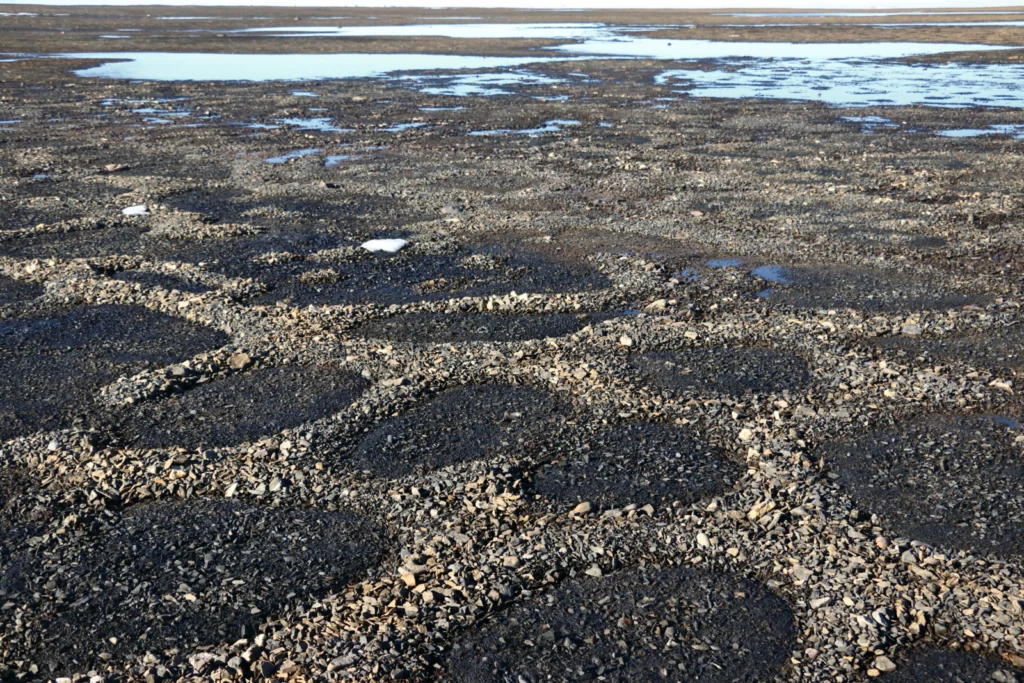
Do you know what the periglacial environment is? Well, the word periglacial refers to those environments which are somehow sculpted by seasonal freeze and thaw cycles. The alternation of freezing and thawing conditions can change the landscape, creating some spectacular landforms. Stone circles are certainly among the most mysterious and fascinating. Come and discover them! …[Read More]