EGU Blogs

Division blogs

SM
Seismology

Seismic Field Work at the Equator
Seismic Field Work at the Equator
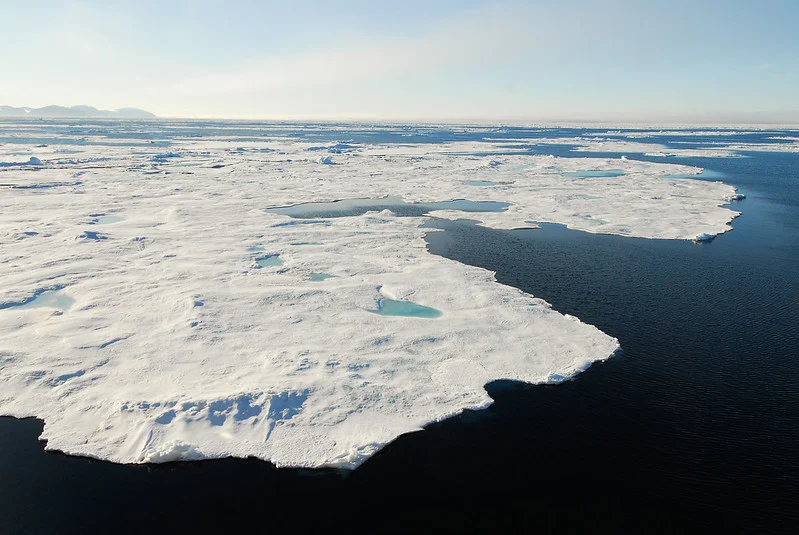
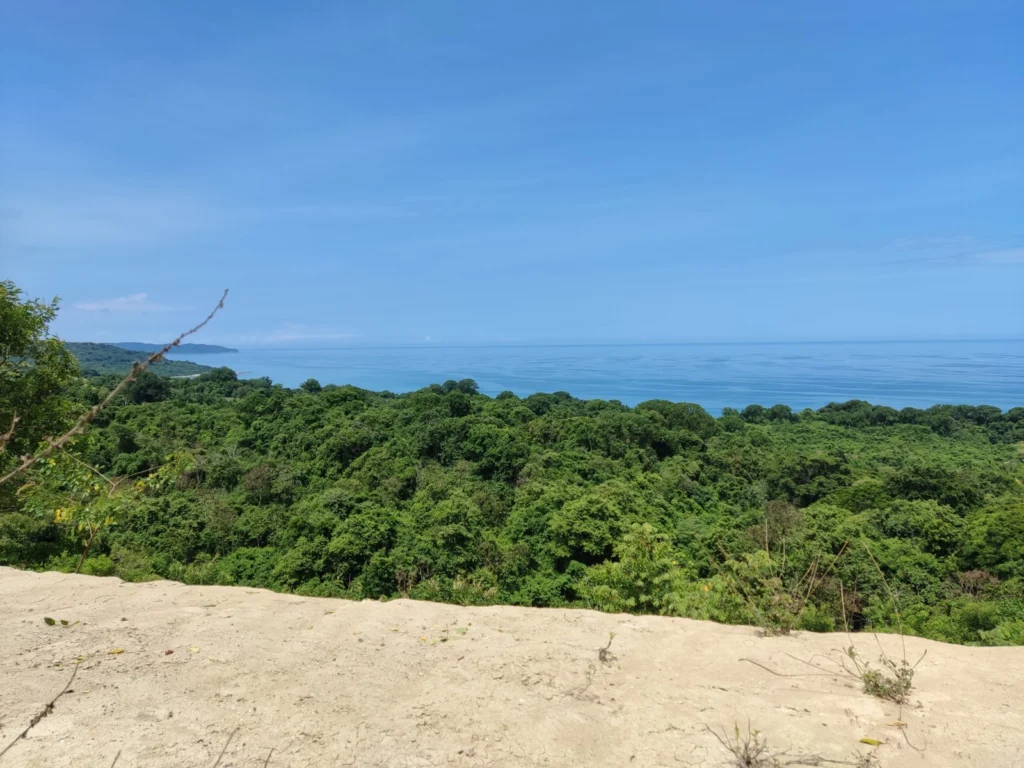
Benedikt Braszus – PhD student at Karlsruhe Institute of Technology, Germany – takes us on a seismic field trip to tropcial Ecuador.   Scientists from Géoazur (CNRS/IRD/Observatoire de la Côte d’Azur/Université de la Côte d’Azur), Karlsruhe Institute of Technology, Instituto Geofísico / Escuela Politécnica Nacional (IG-EPN, Quito), Instituto Oceanográfico de la Armada del Ecuador (INOCAR, …[Read More]

BG
Biogeosciences

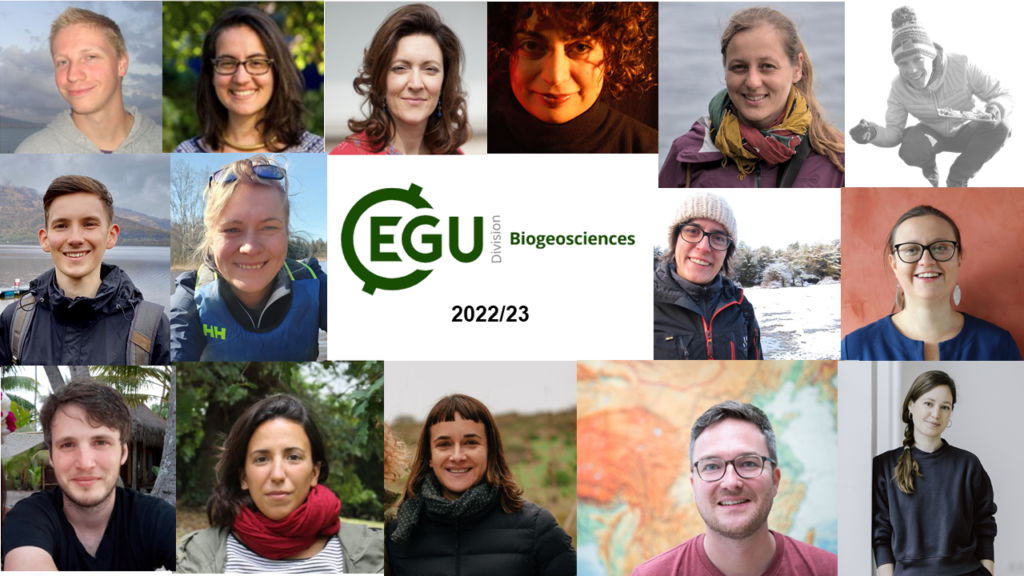
Meet your BG team 2022/23

Meet your BG team 2022/23

The Biogeosciences division is pleased to have substantially grown over the last year! In this blog post we’ll introduce you to our new representatives and detail how you can get involved in BG activities over the next year.   President: Lisa Wingate (INRAE) Lisa (she/her) has been president of the BG division since 2020 and …[Read More]

GD
Geodynamics

Meet the blog illustrators: Trud Antzée

Meet the blog illustrators: Trud Antzée

Communicating research to a broad audience is always difficult for scientists. Because of their ability to translate ideas into visuals that can be used to communicate information to a wide range of audiences, scientific illustrators are critical to the communication of scientific information. In this week’s blog, we are introducing Trud Antzée, one of our …[Read More]

HS
Hydrological Sciences

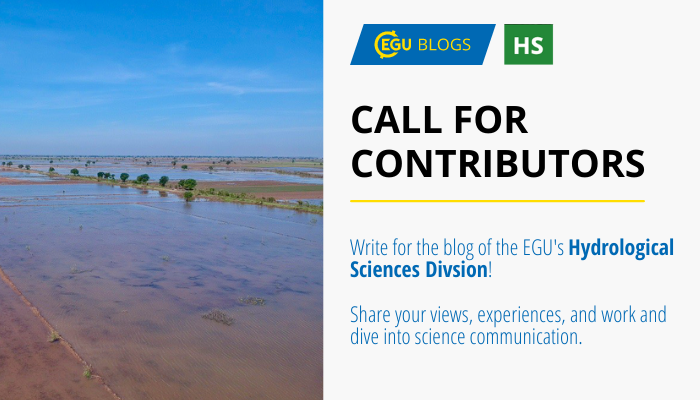
Call For Contributors: Dive Into Science Communication, Share Your Story

image calling for contributors to the EGU's HS blog

After some holidays, the blog of the EGU’s Hydrological Science (HS) division is back – and looking for contributors to share their unique experiences, personal views, and inspiring research stories.  What Stories Are We Looking For?  We invite all hydrologists from any professional background, including graduate students and early career scientists, to submit contributions.  You …[Read More]

CL
Climate: Past, Present & Future

Simple is good: How we understand climate using idealised models

Simple is good: How we understand climate using idealised models

Do you gravitate to science because of the subject’s ability to explain complicated behaviour in nature through experimentation? When we see things or get our hands dirty by conducting experiments, it helps us comprehend scientific theories which are harder to explain. Introducing a complicated scientific theory is often carried out initially by presenting a simplified …[Read More]