EGU Blogs

Division blogs

GD
Geodynamics

G-ADOPT: a next generation computational modelling framework for geodynamics
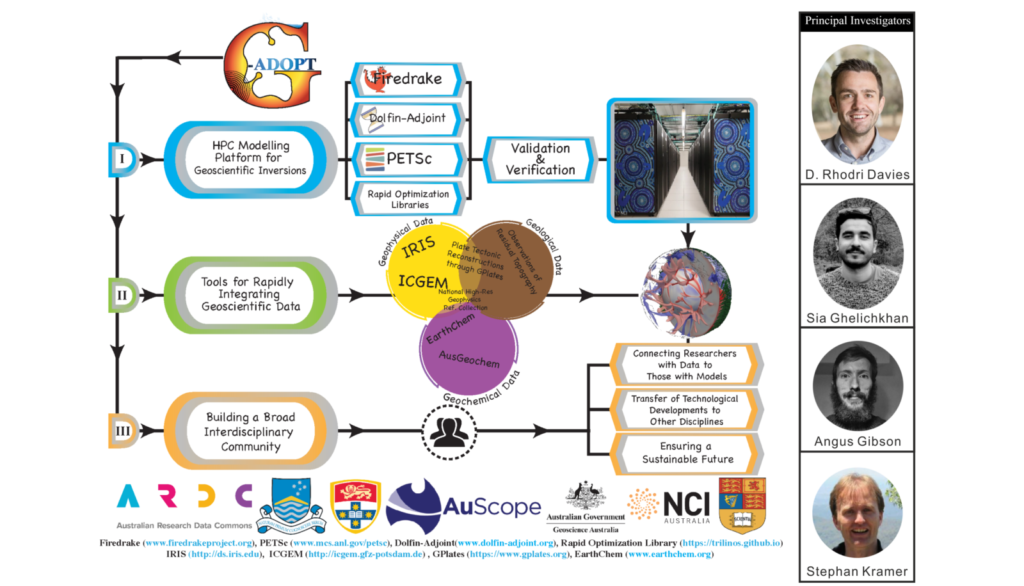
G-ADOPT: a next generation computational modelling framework for geodynamics
Schematic illustrating core components of G-ADOPT, an Australian based cross-NCRIS project, principally developed at the Australian National University (ANU), with partners at the University of Sydney and Imperial College London. G-ADOPT is supported by the Australian Research Data Commons (ARDC), with co-investment from AuScope, the National Computational Infrastructure (NCI) and Geosciences Australia. The Geodynamic ADjoint …[Read More]

GD
Geodynamics

The Sassy Scientist – Pick Your Battles

The Sassy Scientist – Pick Your Battles

As I already mentioned in the past, anonymity can lead to bad reviews. A state of namelessness can empower younger scientists to criticize manuscripts from potential future employers. But it also allows unaccommodating reviewers to stall a perfectly good submission for…reasons? Meia has encountered, or heard of such buffoons, and wonders: How to deal with …[Read More]

NP
Nonlinear Processes in Geosciences

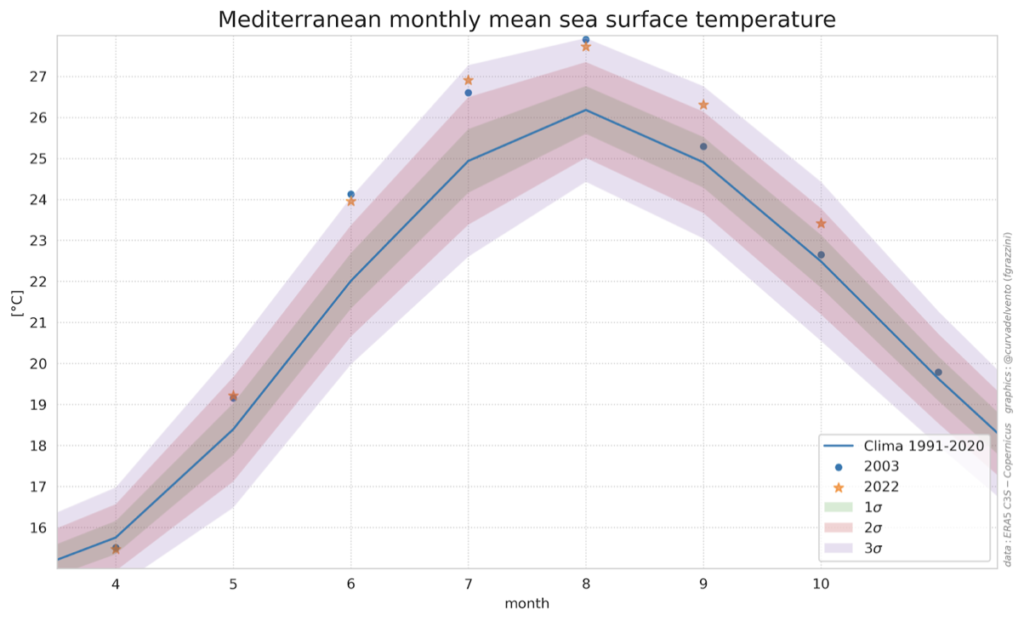
NP Interview: Federico Grazzini on Climate Change casts shadows on the present and the future of the Mediterranean Basin

NP Interview: Federico Grazzini on Climate Change casts shadows on the present and the future of the Mediterranean Basin

Weather extreme events in the year 2022 are really hitting the  Mediterranean basin very hard. Since the beginning of the year we are observing a widespread drought, heatwaves but also severe thunderstorms. Few days before the COP meeting in Sharm-el-sheik we discussed one of the experts of Mediterranean climate, Federico Grazzini, to unveil whether these …[Read More]

NH
Natural Hazards

IoT and Natural Hazards: the latest updates

IoT and Natural Hazards: the latest updates

In my blog post last year, I talked about the escalation of extreme events in Brazil, and one of the main questions was whether the scientific community would need new methods and technologies to deal with extreme events aggravated by climate change. This year, during one of the Innovations (WG05) working group meetings of the …[Read More]

AS
Atmospheric Sciences

Nitrogen dioxide disparities in the time of COVID-19: How satellite data can facilitate environmental justice studies during this natural experiment and beyond

Around the world, the most vulnerable, marginalized, and racialized are disproportionately impacted by a variety of environmental stressors such as extreme heat, health-harming air pollution, and the growing impacts of climate change. In the United States, research has uncovered how Black and Brown communities and those with lower socioeconomic status are exposed to higher concentrations …[Read More]