Detail of a photo: Large angular boulder beside a shallow pebbly stream in a grassy mountain valley, below steep forested slopes and rocky peaks under a dramatic blue sky, in heavily processed colours.
EGU Blogs

Division blogs

SM

“State of the ECS”: The 2022 Review

“State of the ECS”: The 2022 Review
Hello everyone, Matthew here! As the end of 2022 draws near, it is time for us in the Seismology Division headquarters to reflect on another of the Earth’s tours around the Sun. Personally, this year has been a real rollercoaster. With everything getting back to some kind of normal, I’d forgotten that there is only …[Read More]

CL

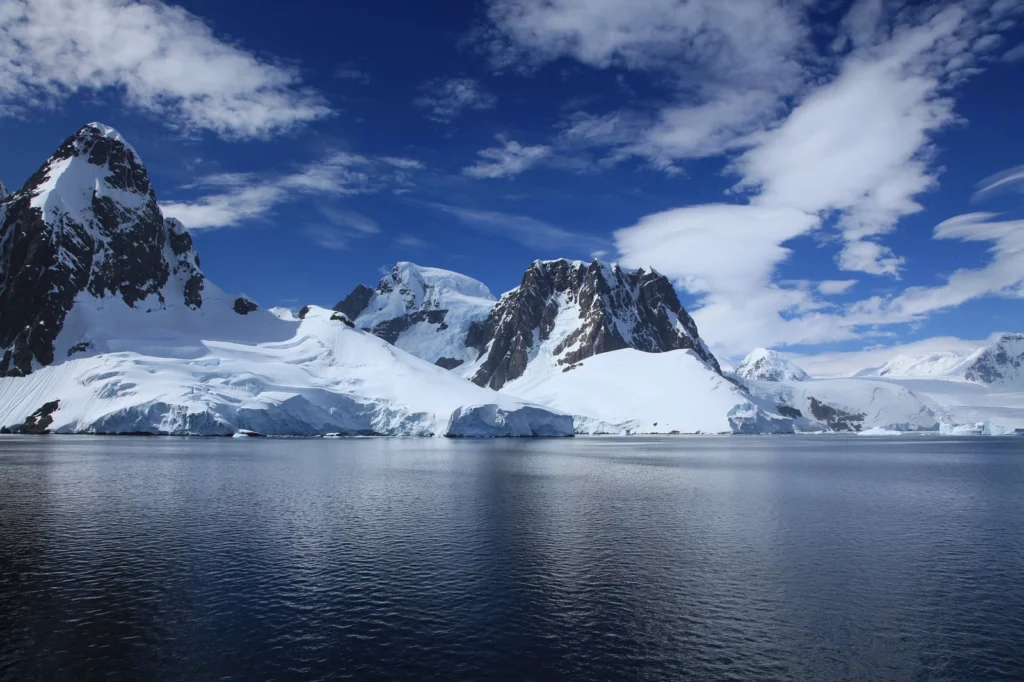
Was Antarctica glaciated during the Mesozoic?

Was Antarctica glaciated during the Mesozoic?

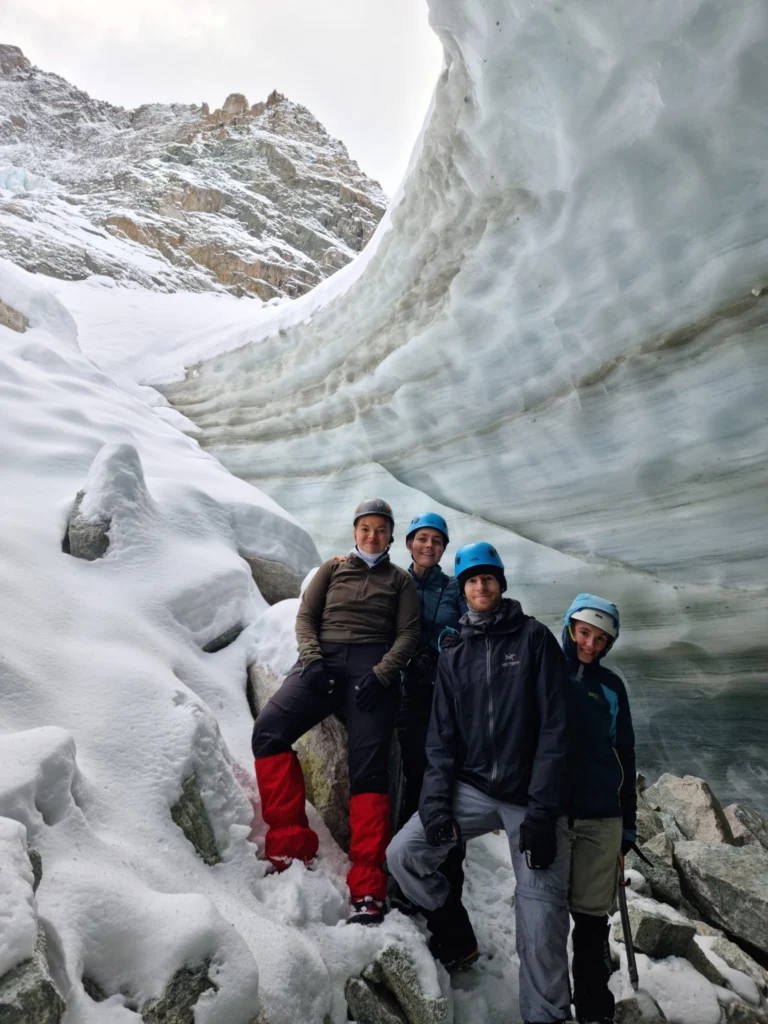
The climate of Earth’s most southerly landmass (i.e., Antarctica) has varied considerably throughout geological time. The Cretaceous (145-66 million years ago – mya) is widely considered to have been a greenhouse Earth with warmer (or at least warmish) temperatures, globally. Although, there is no direct evidence for pre-Eocene ice sheets in Antarctica, some geological and …[Read More]

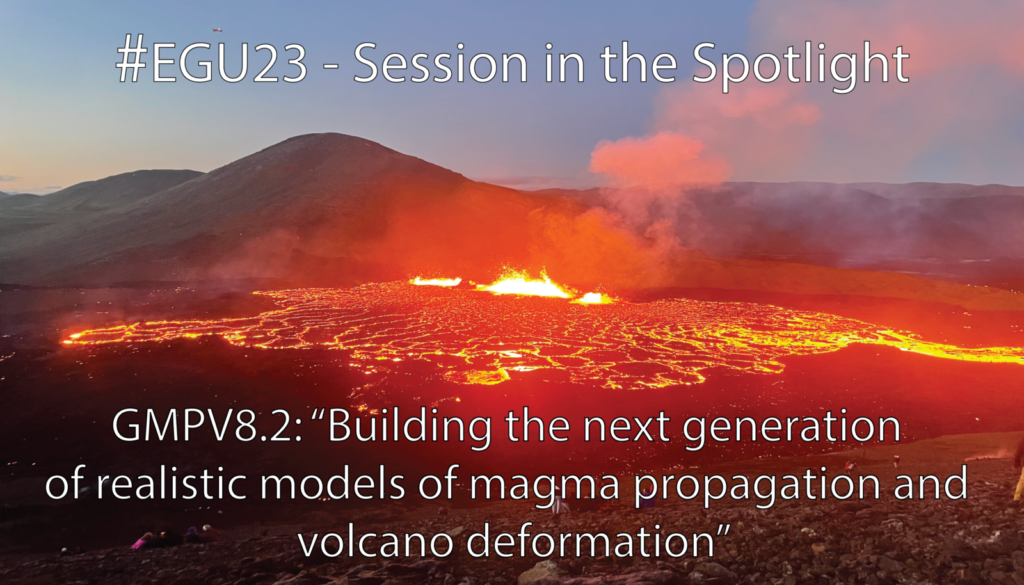
#EGU23 session in the spotlight: Building the next generation of realistic models of magma propagation and volcano deformation

#EGU23 session in the spotlight: Building the next generation of realistic models of magma propagation and volcano deformation

The abstract submission for the General Assembly in 2023 is open now until 10. January 2023! The #EGU23 is set to again become a forum for innovation and debate about the latest progress in the geosciences, with a mixture of broader and more focused sessions. Today, we highlight one of those targeted sessions GMPV8.2 which …[Read More]

SSP

Towards a better understanding of 500,000-years climate history in central Mexico

Towards a better understanding of 500,000-years climate history in central Mexico

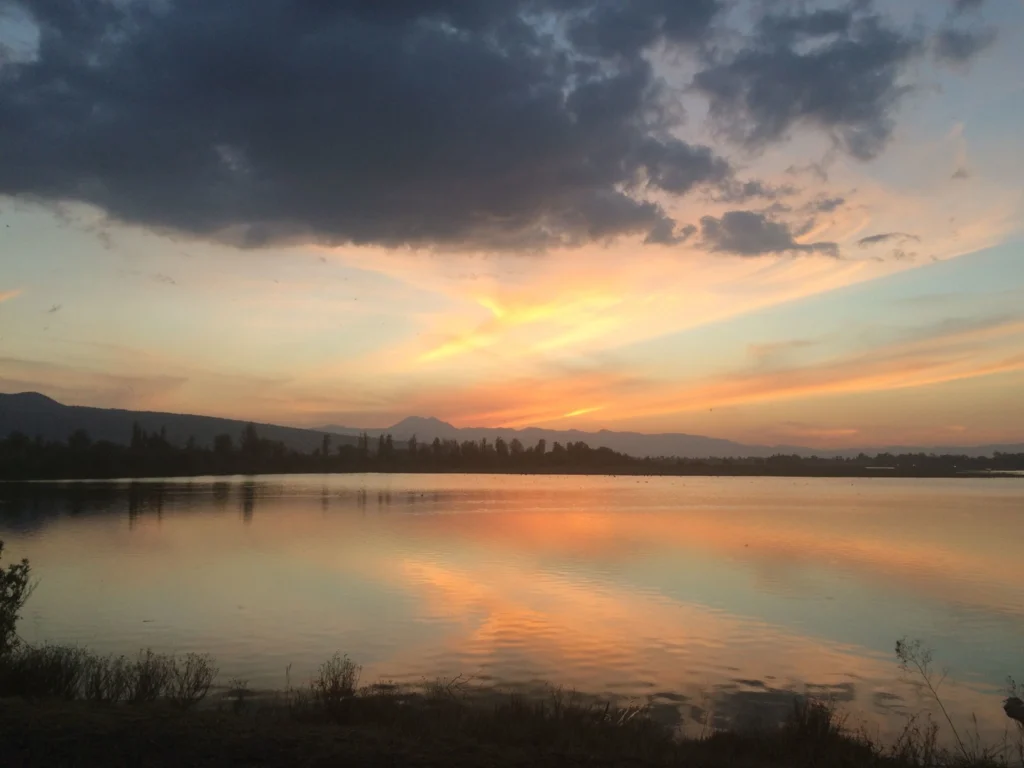
  The effects of climate change on tropical regions are in parts still poorly understood, although the tropics include some of the most populated areas in the world. Now we created an age-depth model and a moisture reconstruction of the last 500,000 years from one of the oldest lakes in central Mexico, Lake Chalco. Central …[Read More]

GD

G-ADOPT: a next generation computational modelling framework for geodynamics

G-ADOPT: a next generation computational modelling framework for geodynamics

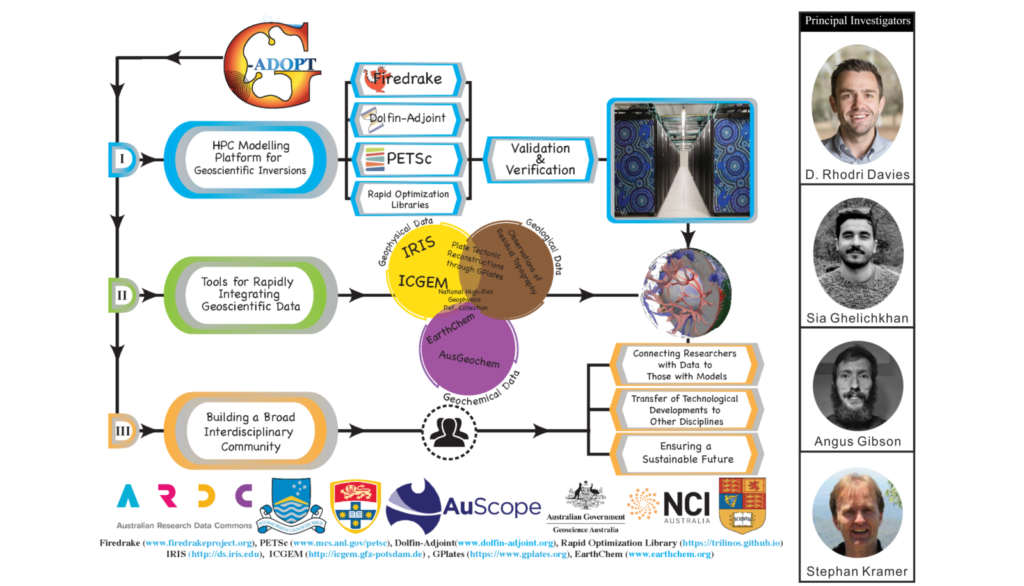
Schematic illustrating core components of G-ADOPT, an Australian based cross-NCRIS project, principally developed at the Australian National University (ANU), with partners at the University of Sydney and Imperial College London. G-ADOPT is supported by the Australian Research Data Commons (ARDC), with co-investment from AuScope, the National Computational Infrastructure (NCI) and Geosciences Australia. The Geodynamic ADjoint …[Read More]