NH
Natural Hazards

#EGUblogs

Joining the dots: From overlooked disaster impacts to inclusive disaster risk reduction
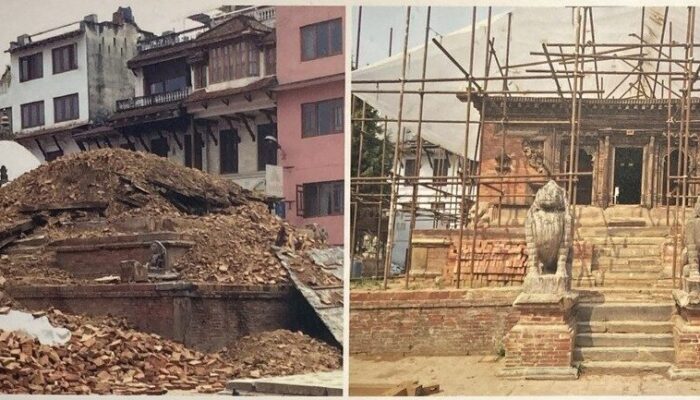
Joining the dots: From overlooked disaster impacts to inclusive disaster risk reduction
A note from the Natural Hazards Division editorial team We would like to open this blog post with our sincere condolences in response to the devastating multi-hazard flash flood that occurred in Nepal and Tibet in late August. In the face of such suffering, messages like this risk sounding hollow. Still, we, as the Natural Hazards Division editorial team, wish to express our solidarity with all fa ...[Read More]

When multiple hazards interact and the data doesn’t: The multi-hazard modelling problem nobody wants to talk about

There is a quiet contradiction at the heart of natural hazard science. The regions most exposed to multi-hazard events are precisely the regions where we know the least. The Global South (comprising lower- and middle-income countries in Africa, Asia, Latin America and the Caribbean) is disproportionately affected by climate-related natural hazards, yet it is largely underrepresented in climate res ...[Read More]

Same hills, different rules: why urban and rural landslides should not be considered together?

Same hills, different rules: why urban and rural landslides should not be considered together?

Cities are expanding faster than ever, often onto steep and unstable terrain. As urban areas grow, landslides increasingly threaten homes, roads, and critical infrastructure. To manage this risk, scientists produce landslide susceptibility maps, which estimate where landslides are most likely to occur. These maps are widely used by planners and decision-makers. But there is a quiet assumption buil ...[Read More]

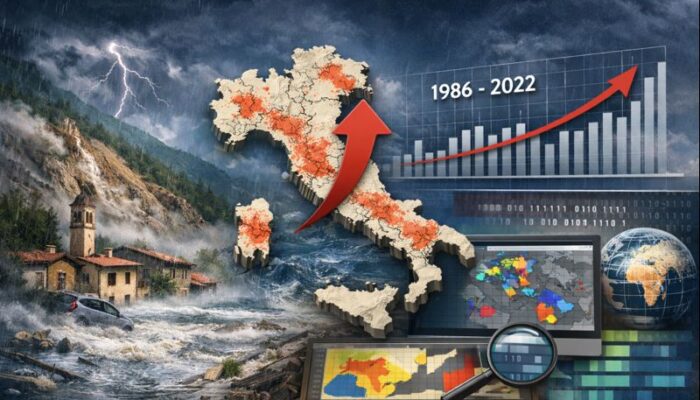
Extreme hourly rainfall is increasing in Italy: insights from high-resolution climate reanalysis

Image generated using ChatGPT (AI-generated image).

Intense rainfall lasting only a few hours is often enough to trigger natural hazards such as flash floods and landslides, leading to severe damage to infrastructure. These short-lived events are among the most dangerous natural hazards in the Mediterranean region, yet they are also among the hardest to study. Their small spatial scale and brief duration mean that they are often missed or underesti ...[Read More]

Hunting for historical Adriatic meteotsunamis

Hunting for historical Adriatic meteotsunamis

Before modern instruments, our only clues about past sea events came from written records and folklore. Along the eastern Adriatic coast, stories of sudden floods and “tidal waves” (locally called šćiga) have been passed down for generations. These waves, described as rapid rises and falls of the sea that could flood or empty harbours within minutes, were carved into Adriatic coastal life as rare ...[Read More]

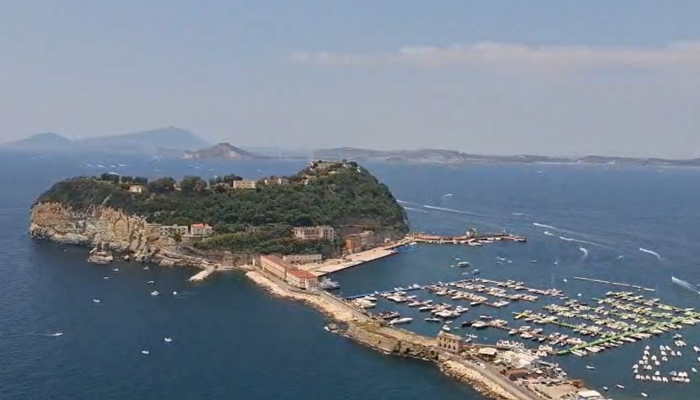
Living with a restless giant: The challenge of multi-risk management and communication at Campi Flegrei Volcano

Living with a restless giant: The challenge of multi-risk management and communication at Campi Flegrei Volcano

Nestled within one of Europe’s most densely populated regions, the Campi Flegrei caldera is a volcanic system whose secular unrest shapes the daily life of its inhabitants. Here, during the last decade and still ongoing crisis, ground uplift, frequent earthquakes, and persistent gas emissions interact to create a complex, evolving multi-risk environment. These natural hazards rarely follow simple ...[Read More]

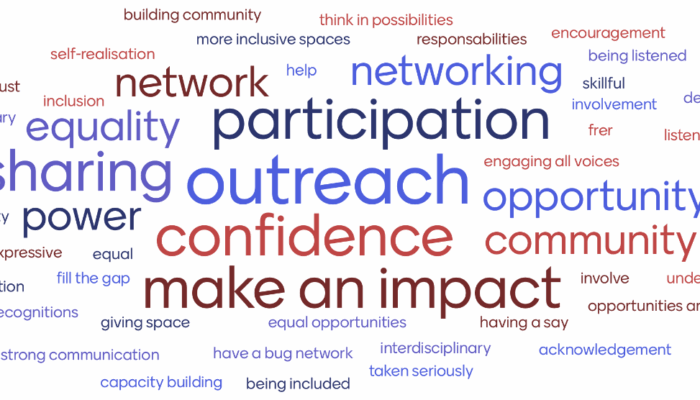
How can we encourage and empower Early Career Researchers? Reflections on a short course held at EGU 2025

How can we encourage and empower Early Career Researchers?  Reflections on a short course held at EGU 2025

At the EGU General Assembly 2025, we initiated a short course entitled “Best Practices for Early Career Researcher (ECR) Engagement and Empowerment in Research Projects”, designed and led by Early Career Researchers (ECRs). The goal was to provide an interactive platform for ECRs, project leaders, and anyone involved in research projects to come together, reflect, share experiences, co-learn, and ...[Read More]

Disaster Risk Reduction in Humanitarian Action – An interview with Gözde Kazaz from Hayata Destek (Support to Life)

Disaster Risk Reduction in Humanitarian Action – An interview with Gözde Kazaz from Hayata Destek (Support to Life)

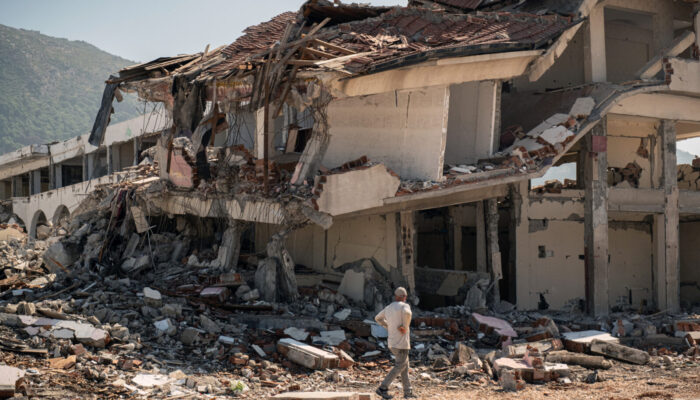
This summer, we participated in a Service-Learning course titled “Breaking the Cycle of Disaster, Response, Recover, and Repeat”. The course was developed by Solmaz Mohadjer and offered as part of the Transdisciplinary Course Program at the University of Tübingen, Germany. We were brought together from different disciplines to explore key factors that contribute to effective disaster risk reductio ...[Read More]

No Resilience Without Trust – An interview with Janise Rodgers and Mary Antonette Beroya-Eitner from GeoHazards International

No Resilience Without Trust – An interview with Janise Rodgers and Mary Antonette Beroya-Eitner from GeoHazards International

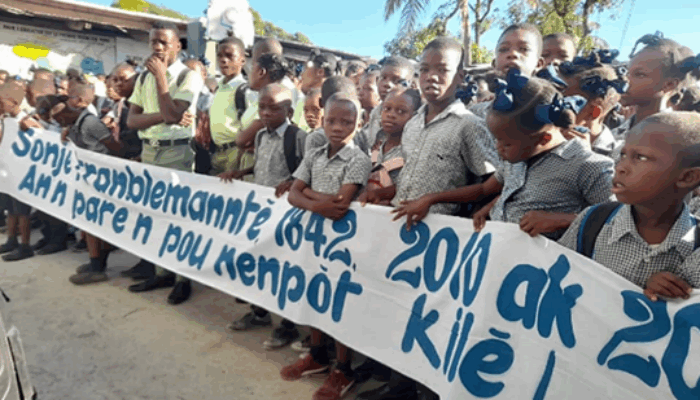
This summer, we participated in a Service-Learning course titled “Breaking the Cycle of Disaster, Response, Recover, and Repeat”. The course was developed by Solmaz Mohadjer and offered as part of the Transdisciplinary Course Program at the University of Tübingen, Germany. We were brought together from different disciplines to explore key factors that contribute to effective disaster risk reductio ...[Read More]

If a Resilient City Had a Face: It Might Look Like Kagoshima

If a Resilient City Had a Face:  It Might Look Like Kagoshima

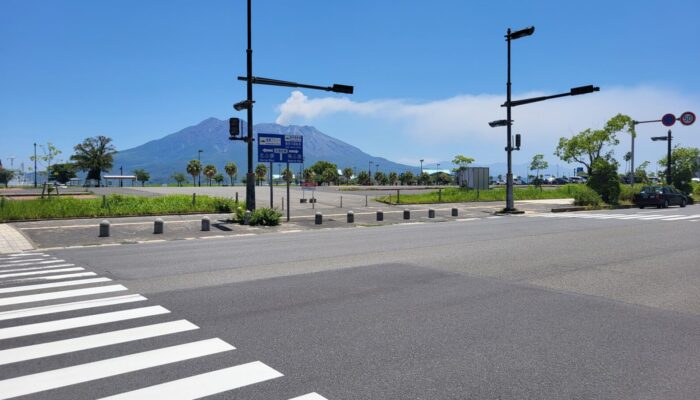
As natural hazard scientists, we often emphasise the concept of exposure – how much people, infrastructure, and ecosystems are in harm’s way when close to natural hazard sources (e.g., floodplains, volcanoes, or fault lines). The closer you are, the higher the risk. Therefore, one of the main goals in natural risk assessment is to reduce exposure whenever possible. We advocate for informed plannin ...[Read More]