HS
Hydrological Sciences

machine learning

Bridging the Gap Between Global Tech and Local Expertise: Why We Open-Sourced Google’s Hydrology Framework
Bridging the Gap Between Global Tech and Local Expertise: Why We Open-Sourced Google’s Hydrology Framework
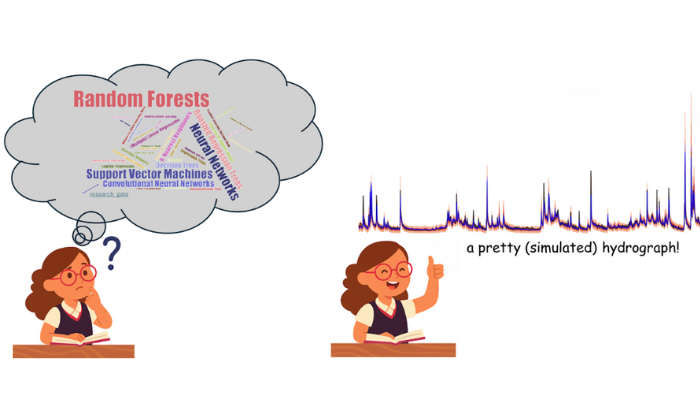
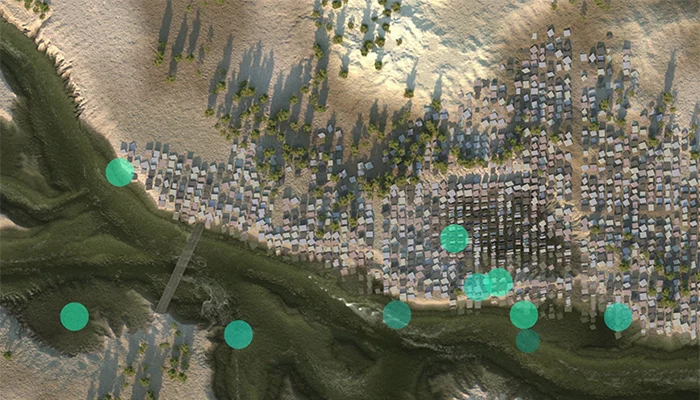
Dear EGU Hydrology community, Over the past few years, machine learning (ML) and artificial intelligence have fundamentally changed what is possible in large-scale hydrological modeling. At Google, our team has worked to develop machine learning river forecast models that operate globally, extending reliable forecasting to ungauged basins and covering almost two billion people through the …[Read More]

What machine learning can and cannot tell us about floods

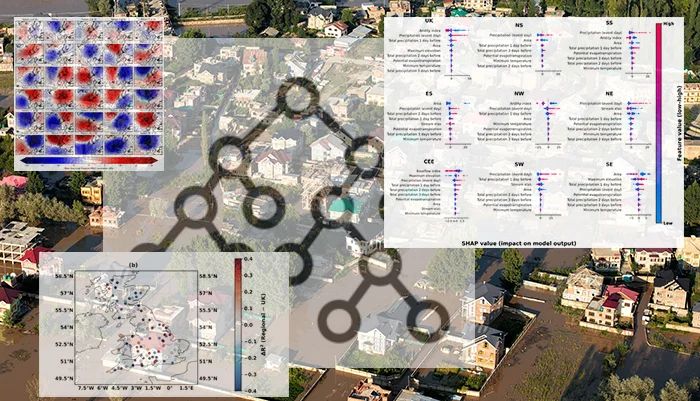
Collage based on a picture by Imad Clicks via Pexel

Floods are shaped by complex and nonlinear interactions between weather patterns, rainfall, soil properties, topography, land cover, and how wet a catchment already is. This complexity is one reason machine learning (ML) is increasingly used in hydrology. ML models can learn patterns from large and complex datasets with many variables.  Early in my PhD, while …[Read More]

Can Machine Learning Help Us Monitor Streams?

Can Machine Learning Help Us Monitor Streams?

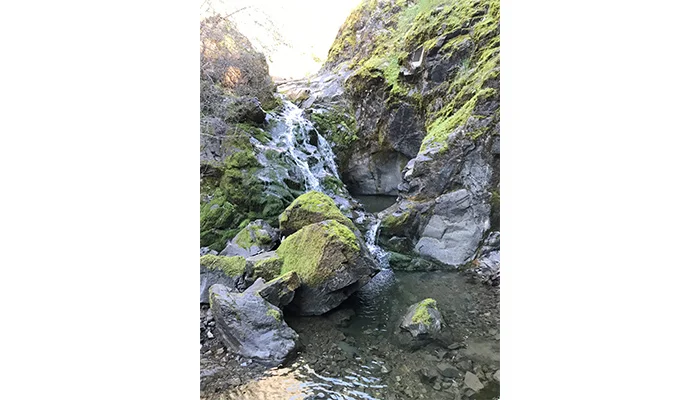
Picture this: you’re hiking through a dry landscape when suddenly you hear it—the serene sound of a babbling brook. You round a corner and discover a small waterfall cascading into crystal-clear pools, surrounded by lush green ferns and wildflowers attracting buzzing bees. It feels like stumbling upon a secret oasis. These magical streams that appear …[Read More]