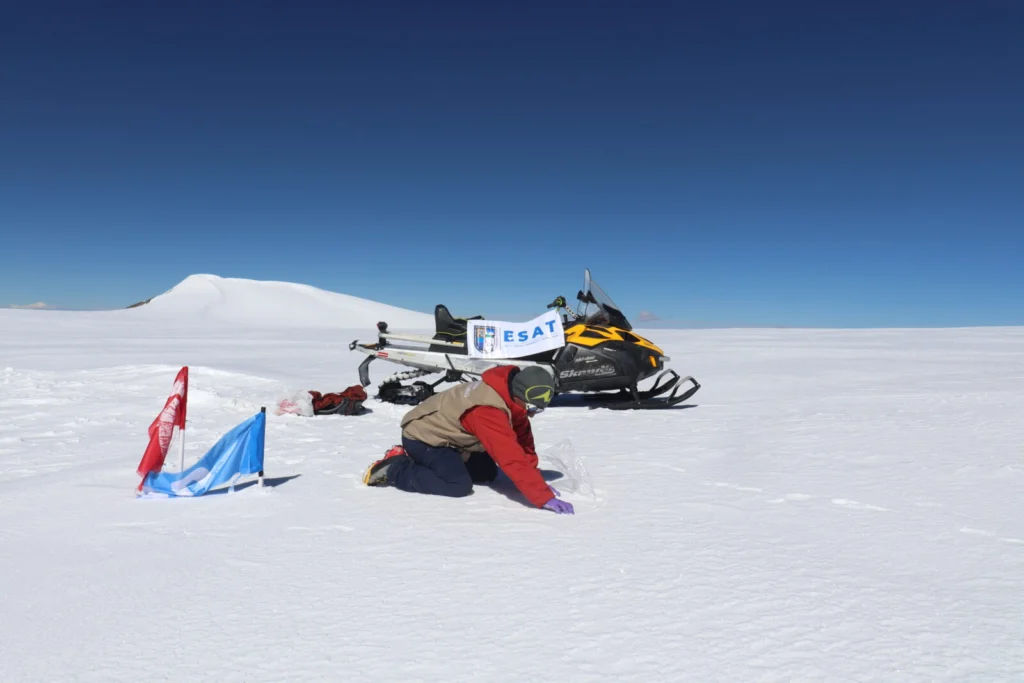
Mountain glaciers are melting rapidly due to global warming. This process is being intensified by increasingly extreme natural events, such as forest fires and air pollution from human activities. One of the main culprits is a tiny but powerful pollutant called black carbon (commonly known as soot) which darkens the surface of the snow and makes it met faster under the sun. But how much of this po ...[Read More]
Black carbon
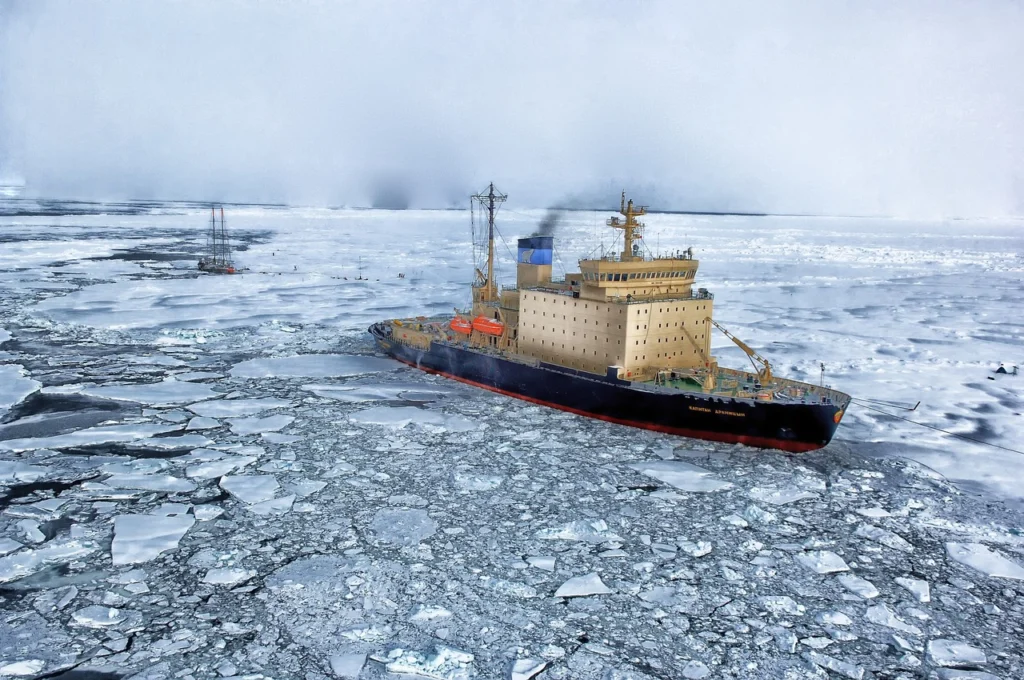
Did you know that a lack of Arctic shipping regulation has detrimental environmental effects?
Increased maritime transport in the Arctic, facilitated by the reduction in sea ice cover, is causing tremendous harm to an already vulnerable part of the world. Insufficient regulation of Arctic shipping has detrimental environmental effects on a global scale. These effects include, e.g. underwater noise pollution, oil spill risk and threats to the global climate. But did you know what role regul ...[Read More]
Black Carbon: the dark side of warming in the Arctic
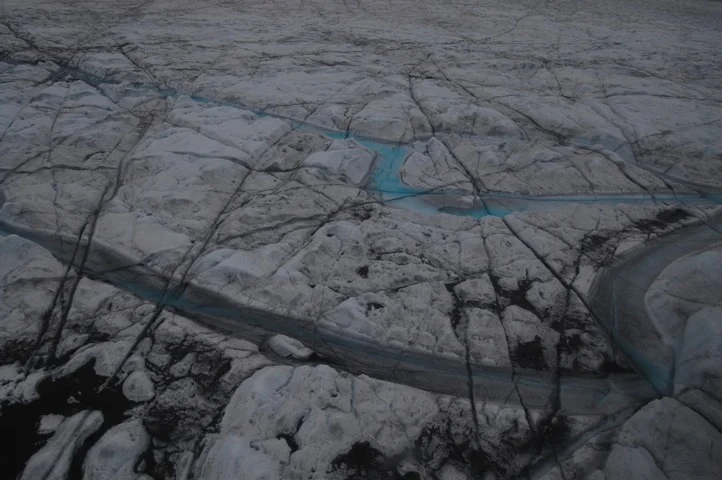
When it comes to global warming, greenhouse gases – and more specifically CO2 – are the most often pointed out. Fewer people know however that tiny atmospheric particles called ‘black carbon’ also contribute to the current warming. This post presents a paper my colleague and I recently published in nature communications. Our study sheds more light into the chemical make-up of black car ...[Read More]