

During the climate negotiations at COP30, the global importance of a warming cryosphere was stressed in various formats.
The UNFCCC Conference of Parties (this year’s COP30) marks the yearly global climate negotiations which formed the aim to limit global warming to well below 2 °C (the 1.5 °C target) with the Paris Agreement at COP21 in 2015. These huge conferences of ten thousands of people feel in many ways like a black box. Multiple negotiation tracks are running in parallel and diplomatic language partly obscures countries’ true positions. In addition, side events, press conferences, and the pavilion area–sort of a fancy fair of country and NGO representations– make the conference a massive venue, where it takes ages to get from one event to the next.
At COP30, I was a part of an early-career scientist team with the International Cryosphere Climate Initiative (ICCI). The ICCI is a non-government organization dedicated to bringing cryospheric sciences into climate negotiations. As an observer, I could follow negotiations firsthand while supporting the Cryosphere Pavilion. The pavilion hosted thematic days on permafrost, ice sheets, mountain glaciers, sea ice, and polar oceans. On “permafrost day,” my colleagues and I presented key updates on the current knowledge on permafrost to policymakers and the broader public through livestreaming (Figure 2). For each COP, the ICCI provides early-career scientists the chance to apply to become part of their team. My personal motivation to reach out to policymakers started with COP29, which brought me to both conferences.
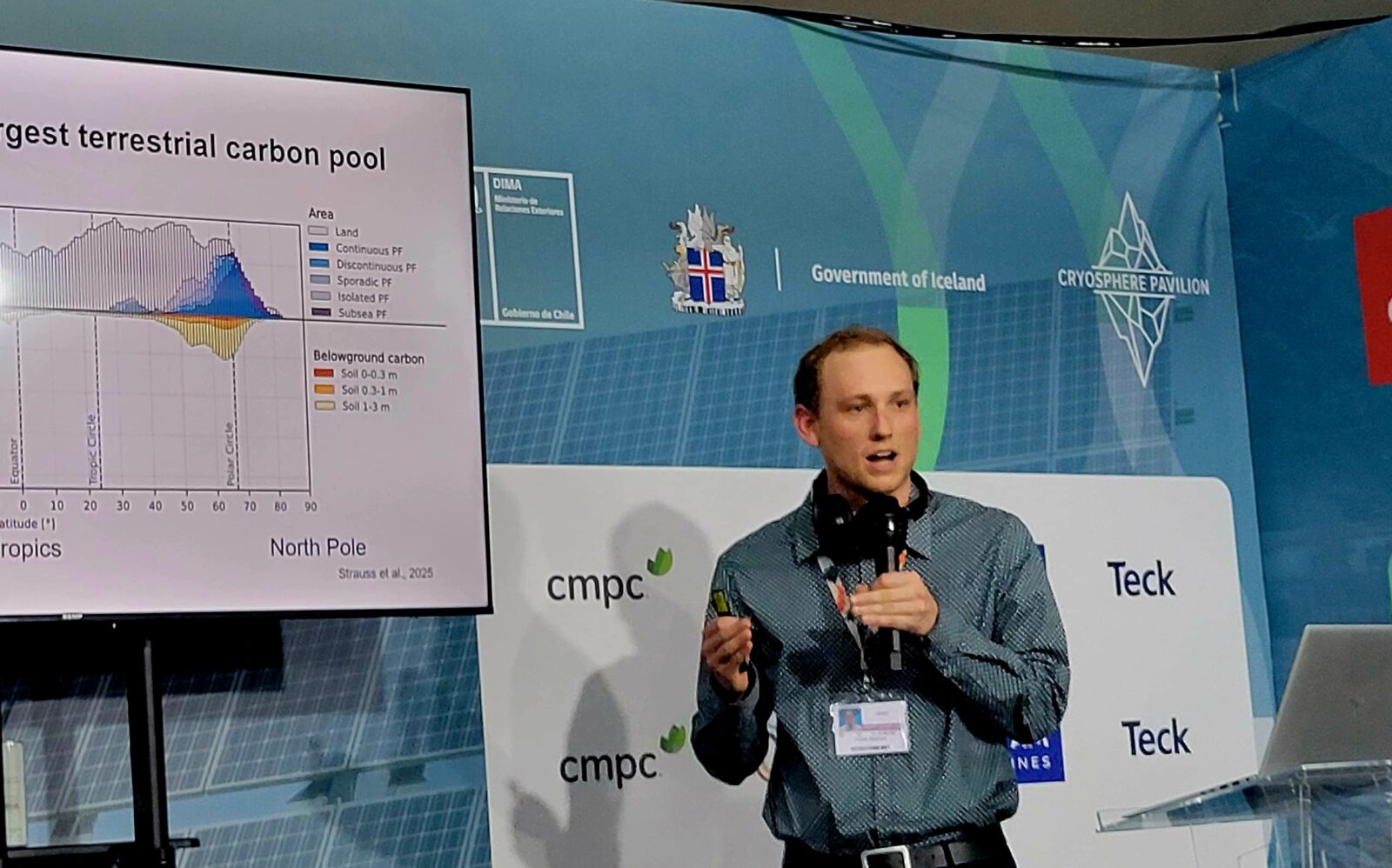
Figure 2: Scientific presentations on permafrost at the Cryosphere Pavilion. In this photo, I’m giving a talk on the significance of the massive amount of carbon in permafrost soils – the subject of my PhD thesis that I am currently working on with the Alfred Wegener Institute in Potsdam, Germany (photo: Christina Schädel).
A particular highlight was a side event on the “Ambition on Melting Ice” for which ICCI invited representatives of many countries, including Azerbaijan, Iceland, Monaco, Nepal, and Tajikistan. During this, countries recognized and declared the global importance of the cryosphere in a warming world (Figure 3). Such side events are highly important as they can help to foster cooperation among countries and boost climate ambitions. However, they are typically not well covered by the media and remain therefore hidden from the general public.
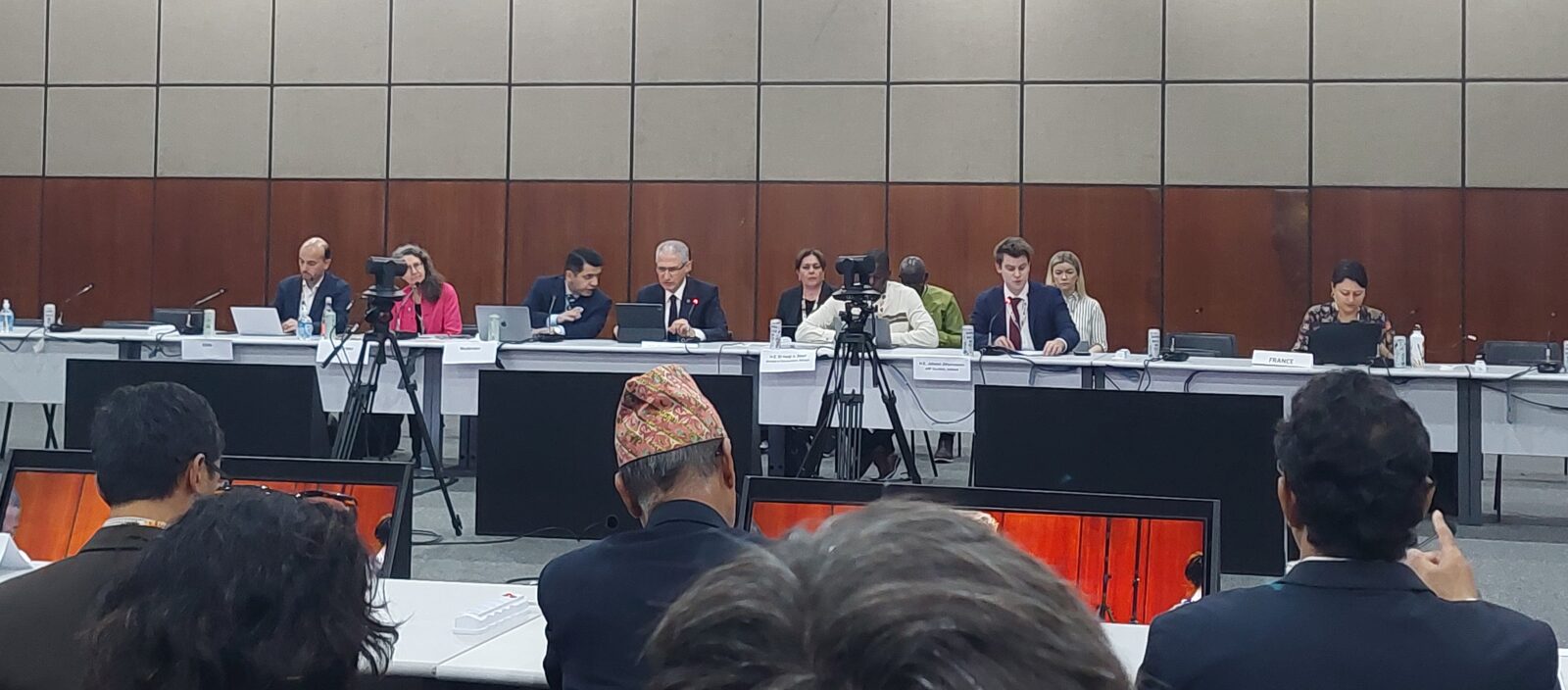
Figure 3: My point of view of the high-level event on “Ambition on Melting Ice” (photo: Fabian Seemann).
What remains after COP30?
As the ICCI puts it, “We cannot negotiate with the melting point of ice”. COP30 decisions are not ambitious enough to reach the Paris Agreement of limiting global warming to well below 2 °C, especially for people in, and caring for, the Arctic. However, we have to recognize that our current world is strongly divided. The majority of countries in the world are pushing for stronger efforts to limit climate warming, which is faced by oil and gas producing countries. Strongly progressive countries at this year’s COP30 were Columbia and the Netherlands, who announced the first Conference on the Just Transition Away from Fossil Fuels for April 2026. Instead of one unified effort, perhaps smaller alliances are necessary to push in the end for actual climate protection. Things are going too slow, yes, but we are moving in the right direction as positive tipping points on solar PV and wind power demonstrate. We as scientists build the foundation of climate action by proving the increasing and accelerating global climate change impacts, thus calling on the urgent need to reduce greenhouse gas emissions remains more relevant than ever.
Edited by Leah Sophie Muhle, Mack Baysinger and Emma Pearce
Further Reading:
Have a read of some of the key take home messages from COP30:
– COP30: Five key takeaways from a deeply divisive climate summit
– COP30: Key outcomes agreed at the UN climate talks in Belém