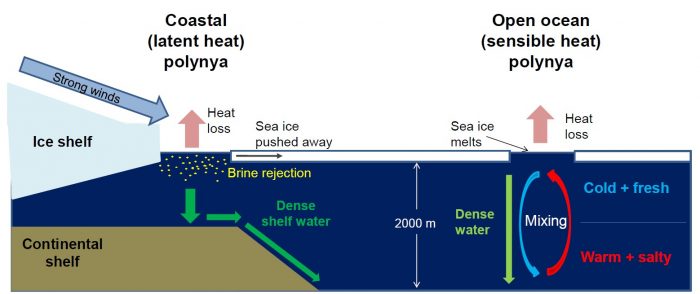
Over the summer, I got excited… the Weddell Polynya was seemingly re-opening! ”The what?” asked my new colleagues. So today, after brief mentions in past posts, it is time to explain what a polynya is. Put it simply, a polynya, from the Russian word for “ice hole”, is a hole in the sea-ice cover. That means that in the middle of winter, the sea ice locally and naturally opens and reveals the ocean ...[Read More]
Image of the Week – Goodness gracious, great balls of ice!
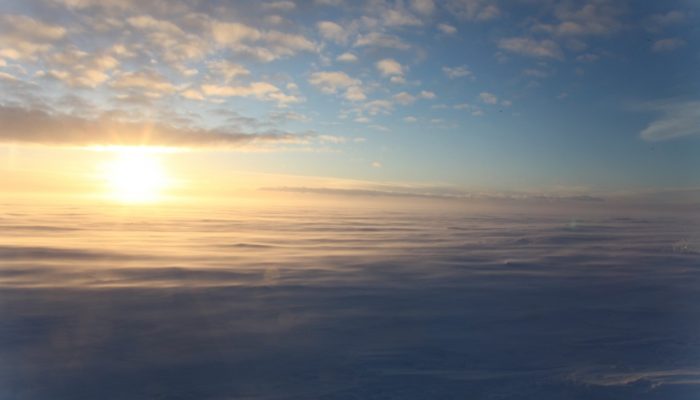
At first glance our image of the week may look like an ordinary stoney beach…but if you look more closely you will see that this beach is not, in fact, covered in stones or pebbles but balls of ice! We have written posts about many different weird and wonderful ice formations and phenomena (e.g. hair ice or ice tsunamis) here at the EGU Cryosphere blog and here is another one to add to the l ...[Read More]
Ice-Hot News : The “Oldest Ice” quest has begun
This is it! The new European horizon 2020 project on Oldest Ice has been launched and the teams are already heading out to the field, but what does “Old Ice” really mean? Where can we find it and why should we even care? This is what we (Marie, Olivier and Brice) will try to explain somewhat. Why do we care about old ice, ice cores and past climate? Unravelling past climate and how it responded to ...[Read More]
Image of the Week – Climate Change and the Cryosphere
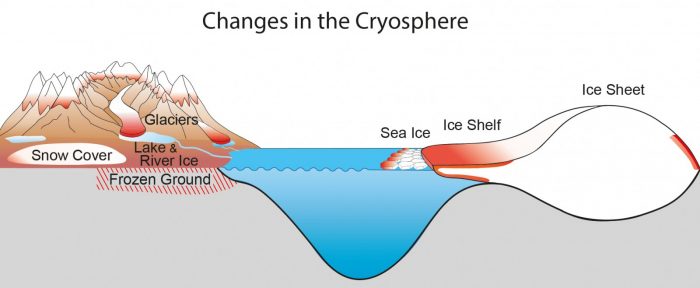
While the first week of COP22 – the climate talks in Marrakech – is coming to an end, the recent election of Donald Trump as the next President of the United States casts doubt over the fate of the Paris Agreement and more generally the global fight against climate change. In this new political context, we must not forget about the scientific evidence of climate change! Our figure of the week, tod ...[Read More]
Image of the Week – Inside a Patagonian Glacier
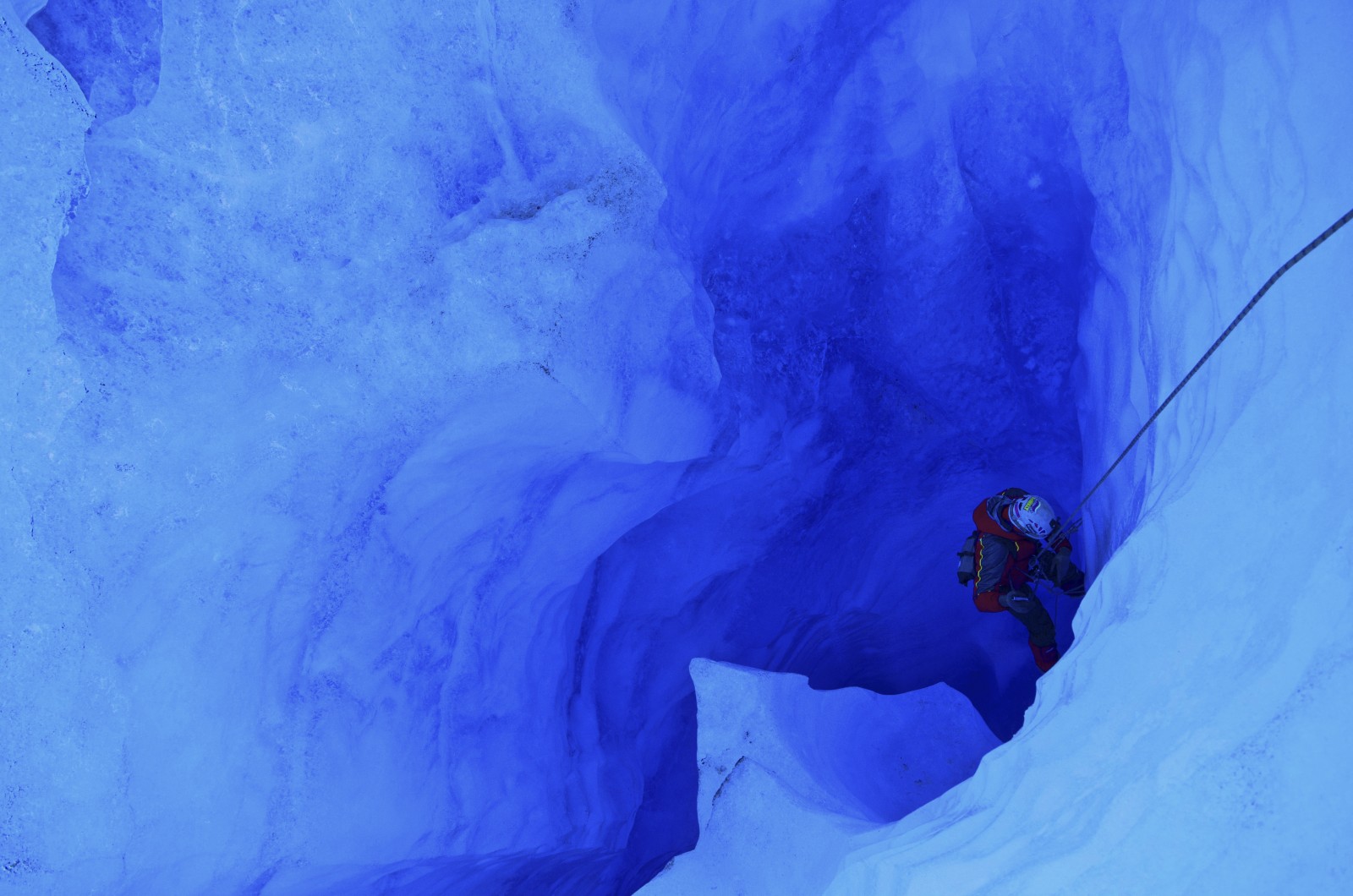
Chilean Patagonia hosts many of the most inhospitable glaciers on the planet – in areas of extreme rainfall and strong winds. These glaciers are also home to some of the most spectacular glacier caves on Earth, with dazzlingly blue ice and huge vertical shafts (moulins). These caves give us access to the heart of the glaciers and provide an opportunity to study the microbiology and water drainage ...[Read More]
Black Carbon: the dark side of warming in the Arctic
When it comes to global warming, greenhouse gases – and more specifically CO2 – are the most often pointed out. Fewer people know however that tiny atmospheric particles called ‘black carbon’ also contribute to the current warming. This post presents a paper my colleague and I recently published in nature communications. Our study sheds more light into the chemical make-up of black car ...[Read More]