CL
Climate: Past, Present & Future

Climate: Past, Present & Future

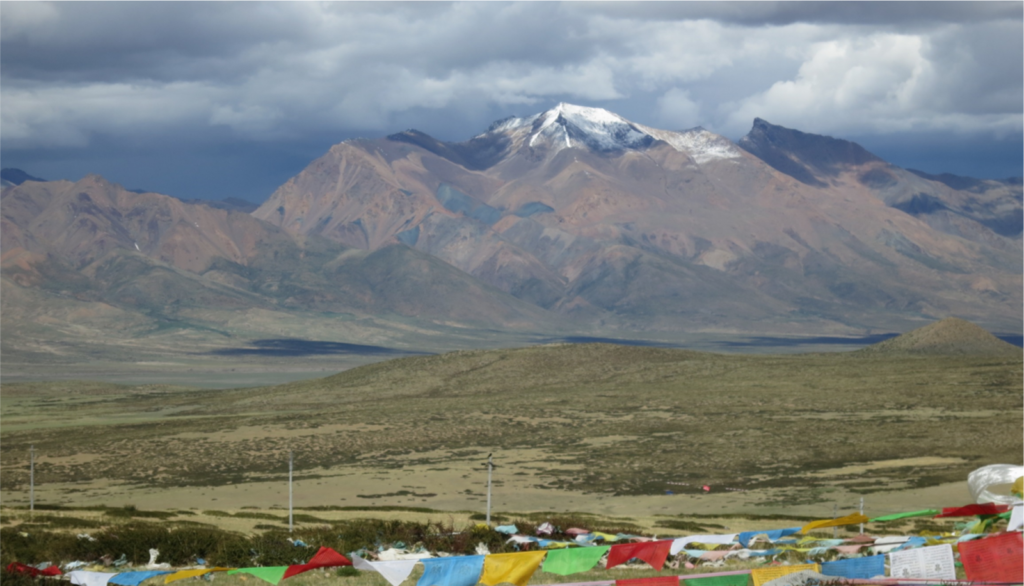
Can we improve our understanding of extreme precipitation events in the Sichuan Basin by using high-resolution regional climate models?

Can we improve our understanding of extreme precipitation events in the Sichuan Basin by using high-resolution regional climate models?

Invited guest from the EGU 2024 Outstanding Student and PhD candidate Presentation (OSPP) Award Context The Sichuan Basin, located at the eastern slope of the Tibetan Plateau in China, is a lowland region that regularly experiences heavy rainfall during the summer months. This is due to its complex topographical features (Fig. 1) and the influence …[Read More]

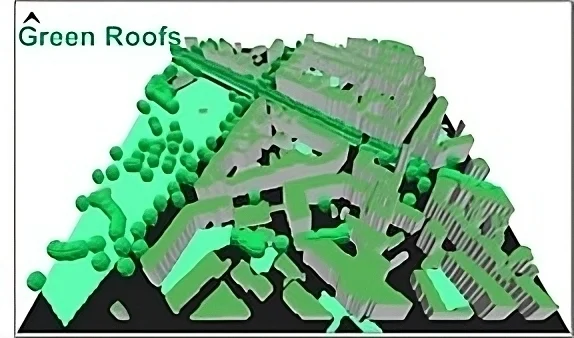
Modelling the heat mitigation effects of blue roofs and green roofs to assess climate change adaptation potentials in dense urban environments

Modelling the heat mitigation effects of blue roofs and green roofs to assess climate change adaptation potentials in dense urban environments

Urban areas often show higher temperatures than their surrounding rural areas, especially during heat events. This phenomenon is called the Urban Heat Island (UHI) effect. The magnitude of the UHI effect is expressed by the absolute temperature difference between the rural and the urban area and can reach more than 10 °C. During past decades, …[Read More]

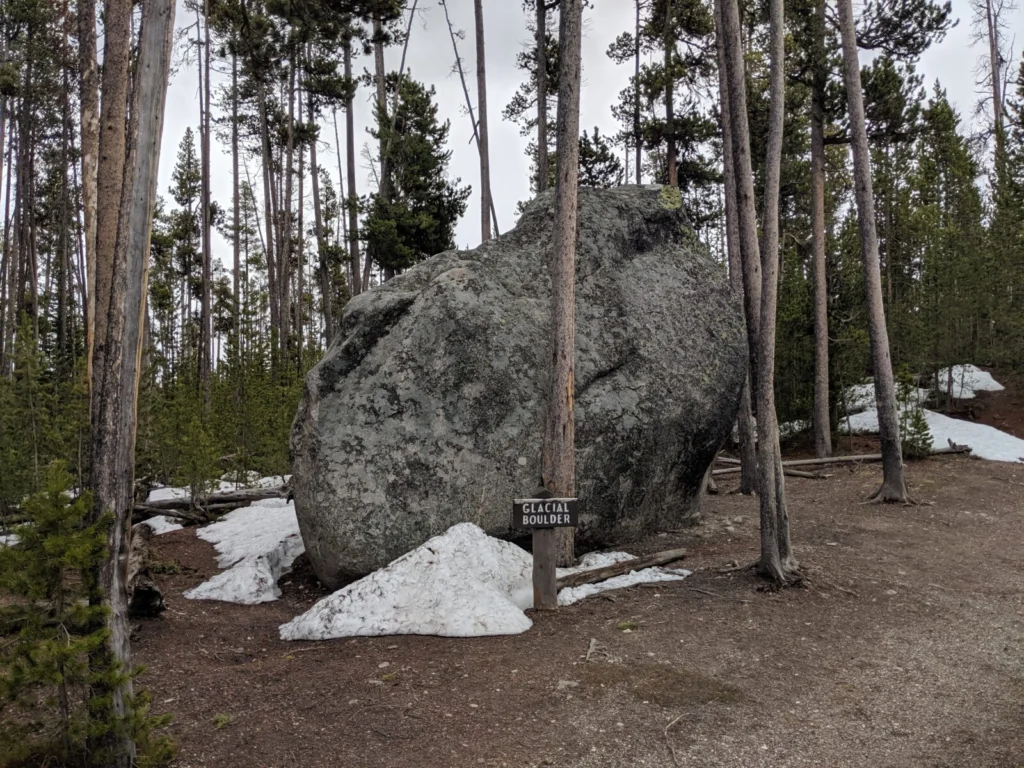
Misinterpretation of glacial aridity in subtropical environments in the Southern Hemisphere

Misinterpretation of glacial aridity in subtropical environments  in the Southern Hemisphere

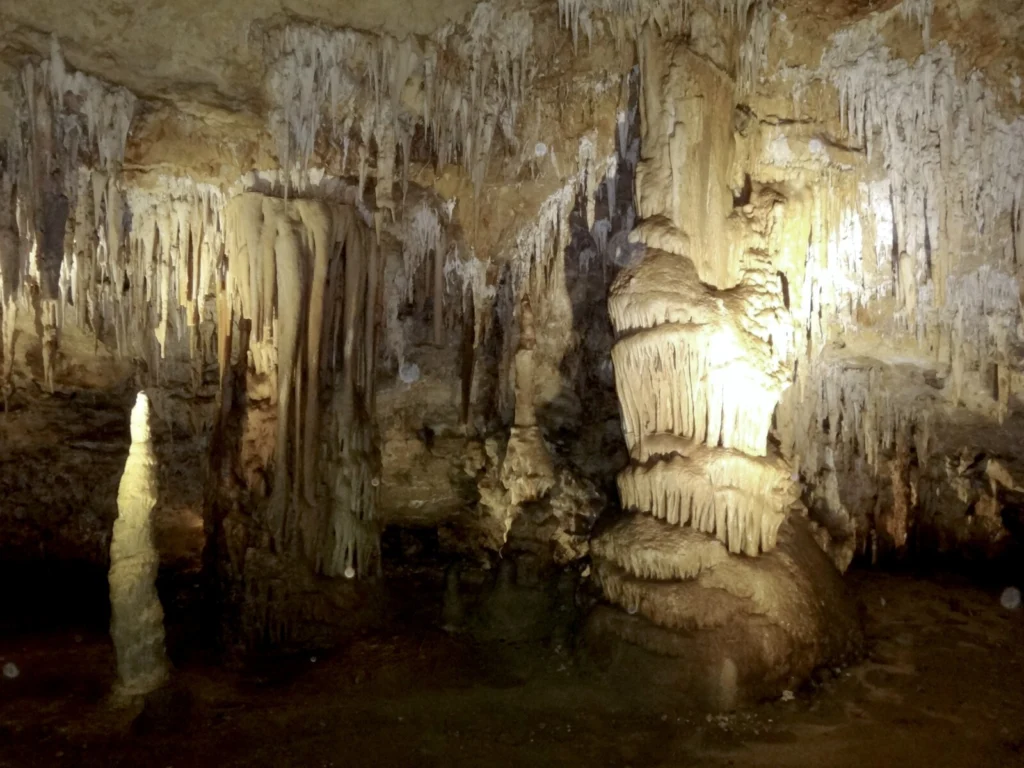
To understand Earth’s changing climate, scientists often examine how the climate has varied in the past, by studying geological records. These records allow us to reconstruct past climates and help us predict planet’s responses to different climate forcings. In this context, it has long been thought that past ice ages on Earth were relatively dry, …[Read More]

The Walker Circulation: what is it and why does it matter

The Walker Circulation: what is it and why does it matter

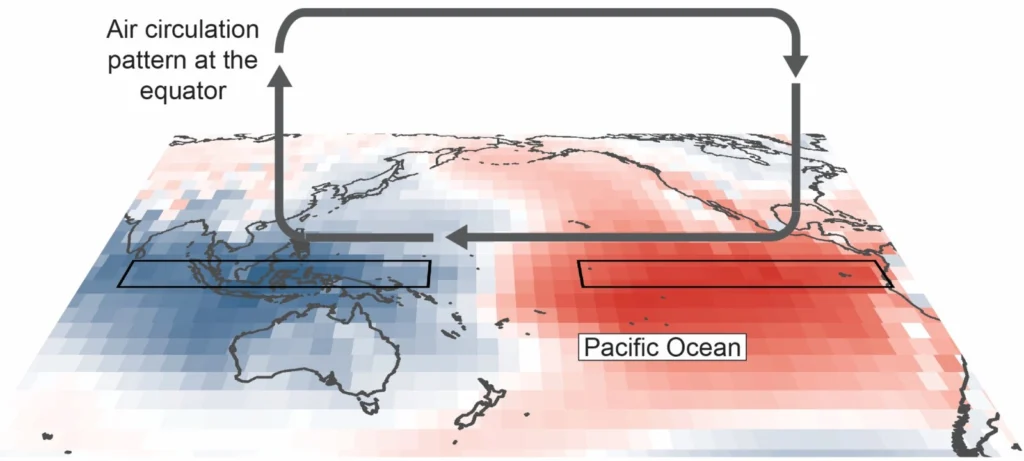
What is the Walker Circulation? The El Niño Southern Oscillation, or ‘ENSO’, is one of the major causes of year to year variability in Earth’s climate. ENSO is characterised by: changes in the temperature of the ocean’s surface in the tropical Pacific Ocean, and by changes in atmospheric circulation in an east-west direction above the …[Read More]

Why would anyone care about an ‘Anthropocene’?

Why would anyone care about an ‘Anthropocene’?

– A debate among scientists and its impact on us The epoch of humans (and their obvious intervention in the Earth system) In order to understand what the ‘Anthropocene’ means for us, we need to define first what it actually is. This poses a rather complex question in itself, as various disciplines have given the …[Read More]