CL
Climate: Past, Present & Future

Climate: Past, Present & Future

What speleothems can tell about the past climates !
What speleothems can tell about the past climates !
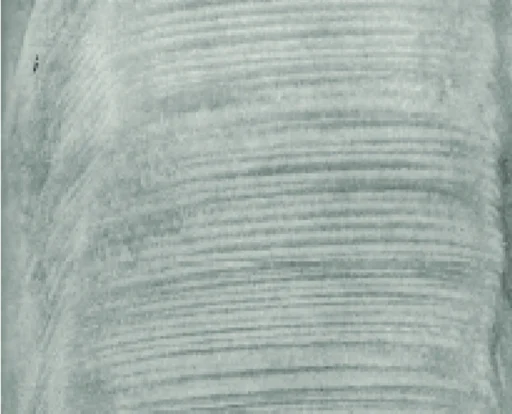
Name of the proxy: Stable isotope ratios of carbonates in speleothems Type of proxy: Precipitation, atmospheric circulation, CO2 availability in soil, soil productivity Paleoenvironment: Continental environments Period of time investigated: Present day to 10 million years How does it work? Speleothems are inorganic carbonate deposits growing in caves that form from super-saturated cave waters (with …[Read More]

Corals, the thermometers of the past!

Corals, the thermometers of the past!

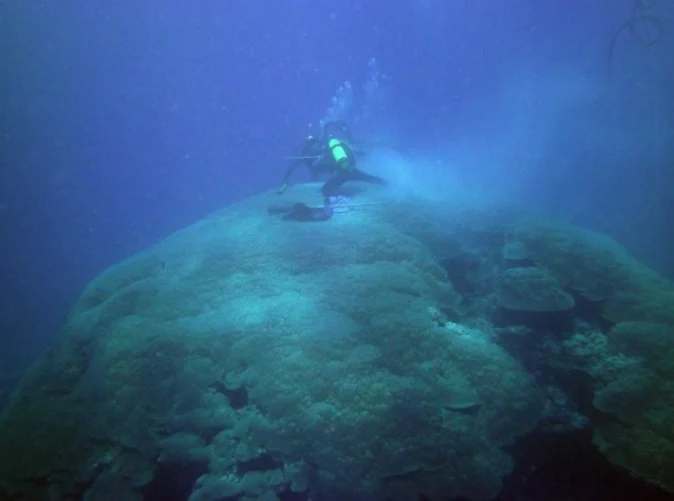
Name of proxy: Coral Type of record: Oceanic variability Paleoenvironment: Fringing reefs, barrier reefs, or atoll Period of time investigated: Mainly the last 200 years How does it works ? What we usually picture as a coral is actually a colony of tiny living animals called coral polyps, which are closely related to jellyfish or …[Read More]

Defrosting the freezer. Climate change and glacial meltwater

Defrosting the freezer. Climate change and glacial meltwater

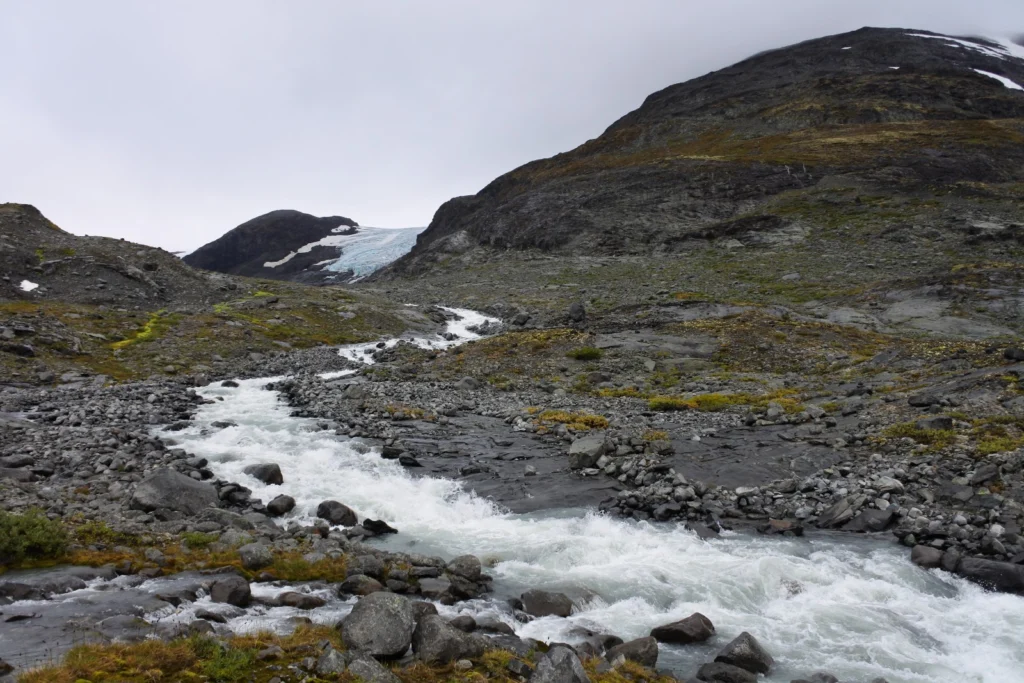
 Why are glaciers important? Glaciers cover around 10% of the global land surface. This includes the large ice sheets (e.g. in Greenland and Antarctica) as well as smaller ice caps and valley glaciers (e.g. in Iceland, Norway and New Zealand). Figure 1 shows the current distribution of glaciers around the world. Figure 1 – The …[Read More]

Ostracods, the sentinels of past oceanic circulation

Ostracods, the sentinels of past oceanic circulation

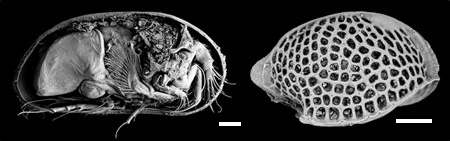
Name of the proxy Ostracoda Type of proxy Paleoenvironment proxy Paleoenvironment All types of aquatic environments but here we will focus on marine waters Period of time investigated Phanerozoic How does it work? Ostracoda are crustacean of millimetre size which have inhabited all types of marine environments from the Ordovician to today (e.g. Salas et …[Read More]

Hot towns, summer in the city!

Hot towns, summer in the city!

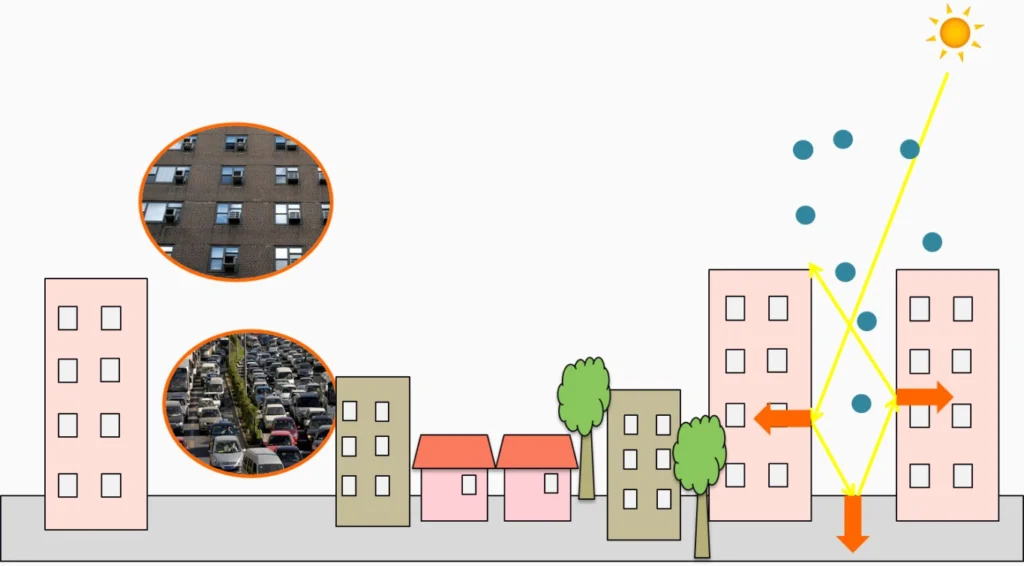
Cities obviously experience a different climate than natural landscapes. Already in 1810 the British meteorologist Luke Howard documented that the air temperature in the city of London was several degrees higher than in its surroundings. This so called urban heat island has several causes. In general the relatively dark surfaces of asphalt and roofs absorb …[Read More]

The Climate Tango of ENSO and CO2

In 1904, the Swedish chemist Svante Arrhenius suggested that the burning of fossil fuels to satiate our hunger for energy would increase the percentage of carbon dioxide (CO2) in the atmosphere, which would change the Earth’s temperature. Regular measurements of atmospheric CO2, started in the late 1950’s at remote locations such as Mauna Loa in …[Read More]

EGU, Vienna 2015: the round-up

EGU by numbers In April, the EGU returned to Vienna for their annual Congress meeting. Over 11,837 scientists from 108 countries descended in the Vienna International Centre for the six-day conference. Delegates enjoyed over 4,870 oral presentations, 8,489 posters, and 705 PICO presentations. That’s a lot of science!   Science and ice cream for everyone! …[Read More]

A Climate Modeling Workshop in the South of France!

Climate and its effects on the past, present and future of the human race is a heated, topic of debate these days. There are many competing interests at stake from governments and politicians to the big oil and energy companies of the world to the scientists trying to work on climate change problems to the …[Read More]

Welcome to the world of climate: past, present and future!

Just like the Earth’s ocean-climate system itself, the climate of climate science is ever evolving and changing, both politically and scientifically. On the 21st of December 1872, HMS Challenger set sail from Portsmouth on a three year long voyage of discovery. The pioneering work that happened during those intrepid months aboard, laid the foundations for …[Read More]